
REVIEW · CHAMPAGNE TOURS
Epernay: Guided Tour of Champagne Cellar with Tastings
Champagne makes more sense underground. At Vollereaux Champagne in the Marne Valley, I like the personal scale of a sixth-generation family house and the chance to taste three different champagnes after seeing how they are made. The tour is also a strong value at about $20 per person. The main drawback is its short one-hour format, so you get a useful introduction rather than a long, slow visit through every corner of the estate.
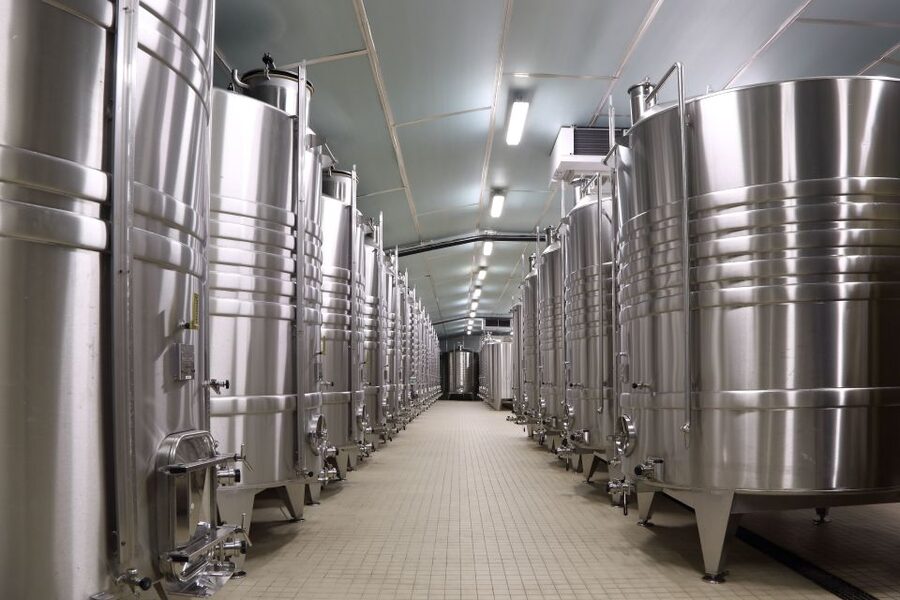
The tour covers a 40-minute cellar and production visit, followed by 20 minutes of tasting in the boutique or bar. I like that it shows more than a polished reception room: depending on the day, you may see working equipment, storage areas, production stages, and even the bottle-turning process. Just remember to bring a sweater or vest. The cellar temperature is about 10 C, which feels brisk after a summer afternoon outside.
Key points to know before you go
- A sixth-generation family house: Vollereaux was founded in 1805 and remains under family management.
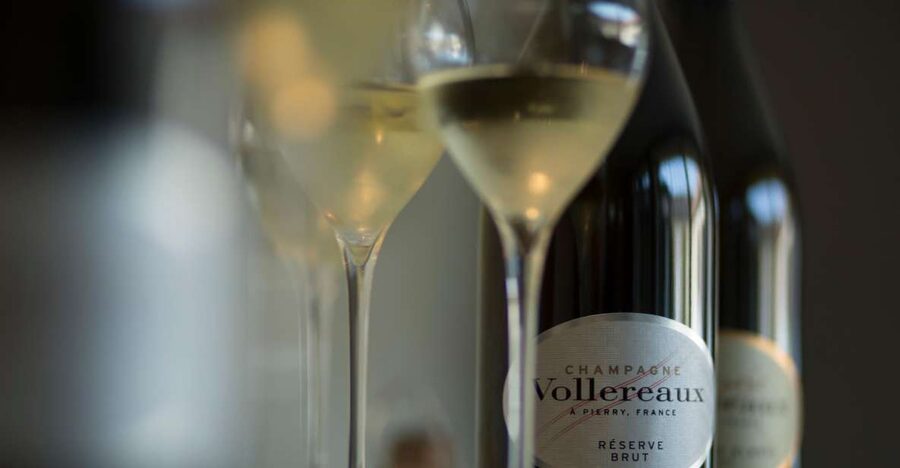
- Three champagnes included: The tasting follows the tour and gives you a chance to compare different house styles.
- A working production visit: You may see equipment and production areas rather than only an exhibit or visitor center.
- Small-scale atmosphere: The tour is limited to small groups, with some visits capped at 12 people.
- English and French guides: Guides such as Aurore and Antoine have been praised for clear explanations and a friendly manner.
- Bring warm clothing: The cellar stays at roughly 10 C, even when the weather outside is warm.
Why Vollereaux feels different from a major Champagne house
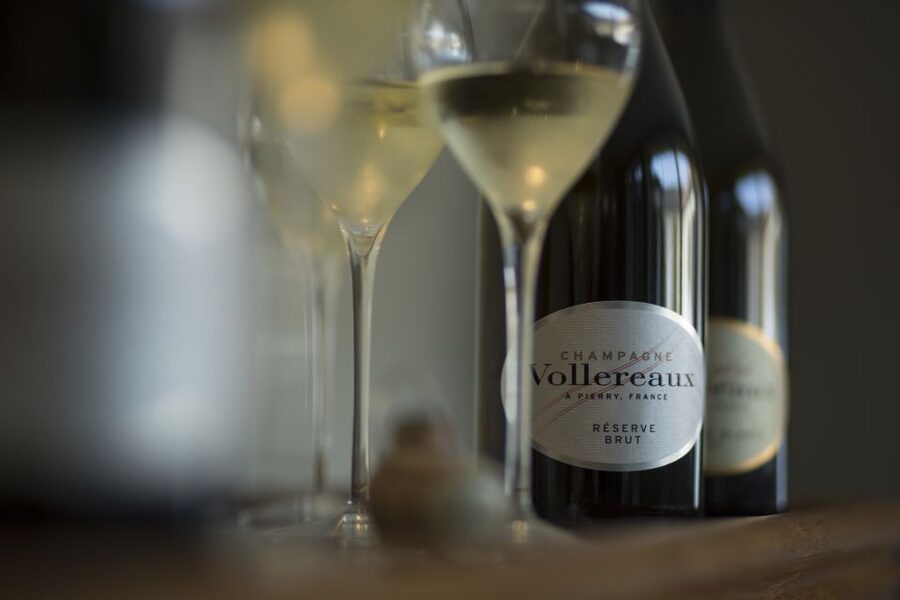
The Marne Valley has no shortage of famous Champagne names. A visit to a large producer can be polished and impressive, but it can also feel carefully managed from start to finish. Vollereaux offers a smaller family setting, and that changes the tone.
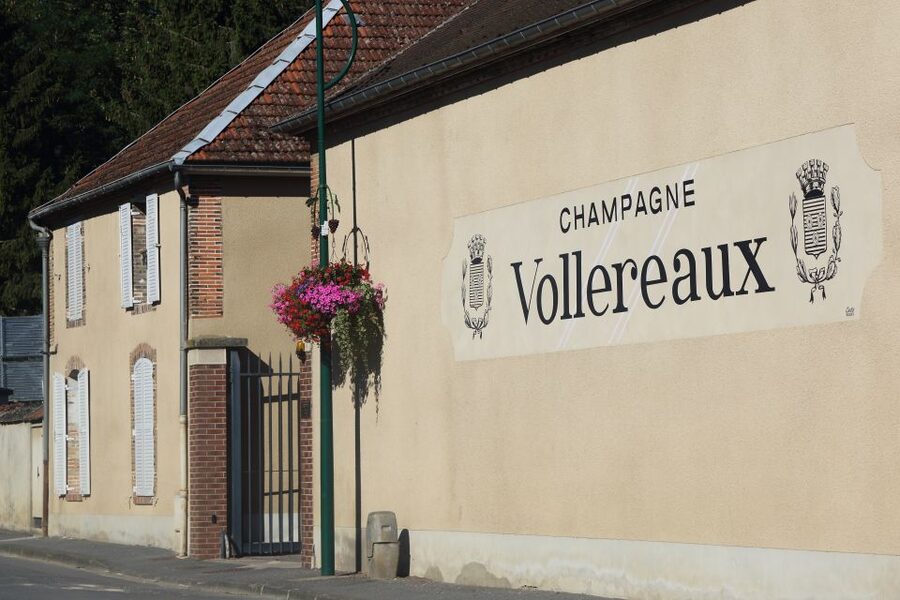
The house began in 1805 and now covers more than 100 acres across 13 villages in the Coteaux Sud d’Epernay. Six generations of the Vollereaux family have continued to manage the business. That family connection gives the visit a clear thread: you are not simply hearing about Champagne as an industry, but learning how one family has carried its work forward for more than 200 years.
I find that useful because Champagne can seem mysterious when you only encounter the finished bottle. Here, the guide explains the decisions and stages behind it. You see how much work sits between the vineyard and the glass, and you gain a better idea of why Champagne costs more than an ordinary sparkling wine.
The atmosphere is also likely to feel more direct. Small groups make it easier to ask questions, and past visits have sometimes included only a handful of people. One group was limited to 12, which is a comfortable size for a cellar tour and tasting. It is much easier to hear the guide and see the equipment when you are not part of a large crowd.
More Champagne Tours in France:
- From Paris: Day Trip to Champagne with 8 Tastings & Lunch
★ 4.8 · 1,501 reviews - Champagne Day Trip with 6 Tastings, Reims and Winery from Paris
★ 5.0 · 902 reviews - From Reims: Champagne and Family-Run Wineries Tour
★ 4.8 · 671 reviews
Starting at the Vollereaux Champagne House
The meeting point is at 48 Rue Léon Bourgeois, although the exact meeting arrangement can depend on the option you book. Check your confirmation before setting out, particularly if you are choosing between the available start options.
Once you arrive, the visit begins at the Champagne house in the Marne Valley. The setting is part of the appeal. This is not simply a tasting counter in the center of a city. You are visiting the home base of a producer with its own cellars, production areas, and family story.
The tour is scheduled for one hour, but some visits have run longer when the guide has had time to answer questions. I would still plan around the full hour rather than counting on extra time. If you have a train, lunch booking, or another cellar visit afterward, leave a little breathing room.
The house is also within a walkable distance of Epernay’s city center according to one visit, and parking directly outside has been possible. Since parking and walking conditions can vary, treat that as a useful possibility rather than a guarantee.
Forty minutes below ground: seeing how Champagne is made
The first part lasts about 40 minutes and takes you through the historic cellars and production areas. This is the heart of the experience.
Your guide explains the story of Vollereaux, from its 1805 foundation to its present family management. You also learn how the Champagne-making process works, from the early stages of production through bottling and storage. The aim is not to turn you into a winemaker in an hour. Instead, it gives you enough context to understand what you are seeing.
The strongest part of the tour is its contact with real production. Depending on the day, you might see crush machines, mechanical riddlers, bottle-washing equipment, labeling machinery, and storage areas. One visit included the chance to turn Champagne bottles by hand, a simple detail that makes the process easier to remember.
You may also see the machines in operation. A bottle-freezing machine was not running during one visit, which is a reminder that this is a working house, not a staged show built around a fixed performance. If a particular machine is idle, you may not see every part of the process in action. The trade-off is that the visit feels connected to real production rather than arranged as a guaranteed demonstration.
The guides focus on the method used to produce Champagne and explain the bottling process in clear terms. Aurore has been singled out for answering detailed questions about the Champagne method, while Antoine has been praised for his friendly presentation. English and French are available, and the English explanations have generally been clear enough for detailed questions.
I would encourage you to ask questions as you go. The smaller group format makes that practical. If you want only a quick look at barrels and bottles, the tour will give you that. If you are curious about why bottles are turned, how production equipment fits together, or what happens before the final label is applied, you can get much more from the visit by speaking up.
The cellar temperature is part of the experience
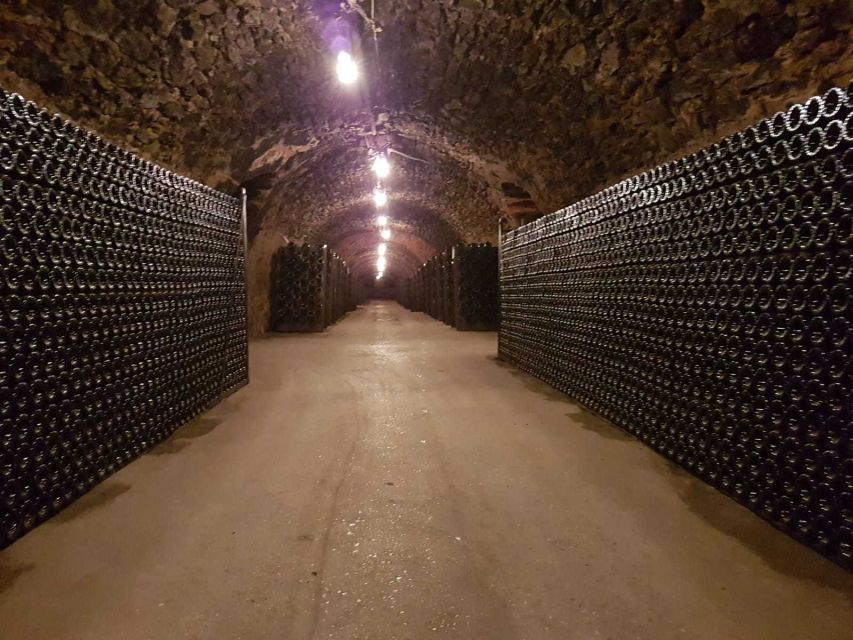
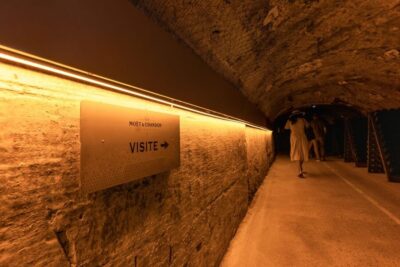
The cellar is kept at about 10 C. That cool air is not just a comfort issue. It helps explain why underground storage has long been important in Champagne production. Still, you will feel the temperature quickly, especially if you arrive in warm-weather clothing.
Bring a sweater, vest, or light jacket. This is the most useful practical tip for the visit. Comfortable shoes are also sensible, since the tour takes place in production and cellar areas, though the supplied information does not specify the exact walking surface.
Pets are not allowed. The site is wheelchair accessible, which makes the tour possible for visitors with mobility needs, though you should still confirm the meeting arrangements for your chosen option.
More Wine Cellar Visits in France:
- Paris Art of Pairing Cheese and Wine Tasting in a Cheese Cellar
★ 5.0 · 386 reviews - Paris – Guided Visit & Tasting in a Royal Wine Cellar
★ 4.5 · 221 reviews - Beaune: Maison Champy Guided Cellar Tour with Wine Tasting
★ 4.7 · 213 reviews - Alsatian Guided Wine Tasting and Immersive wine cellar tour
★ 4.7 · 110 reviews
Twenty minutes of tasting: three champagnes at the end
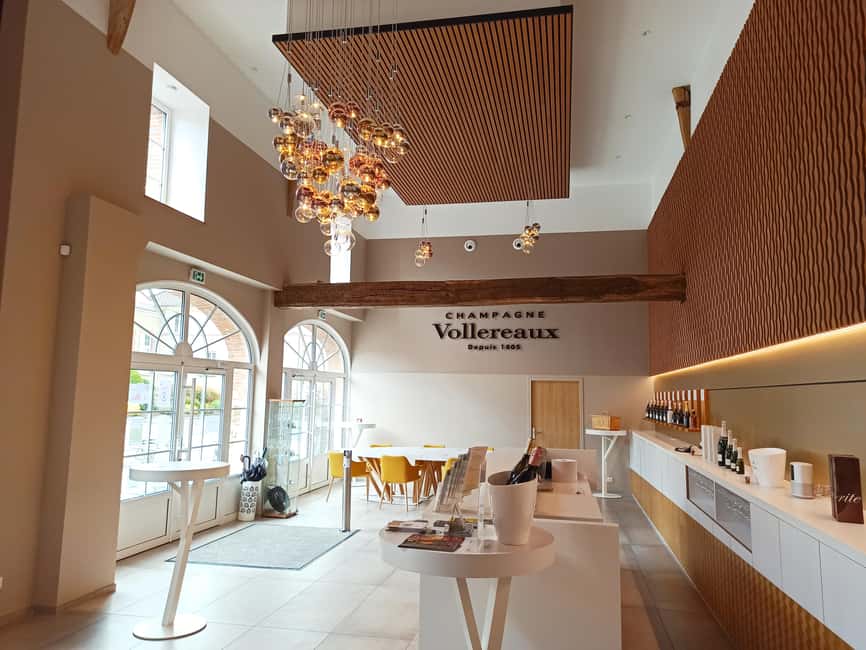
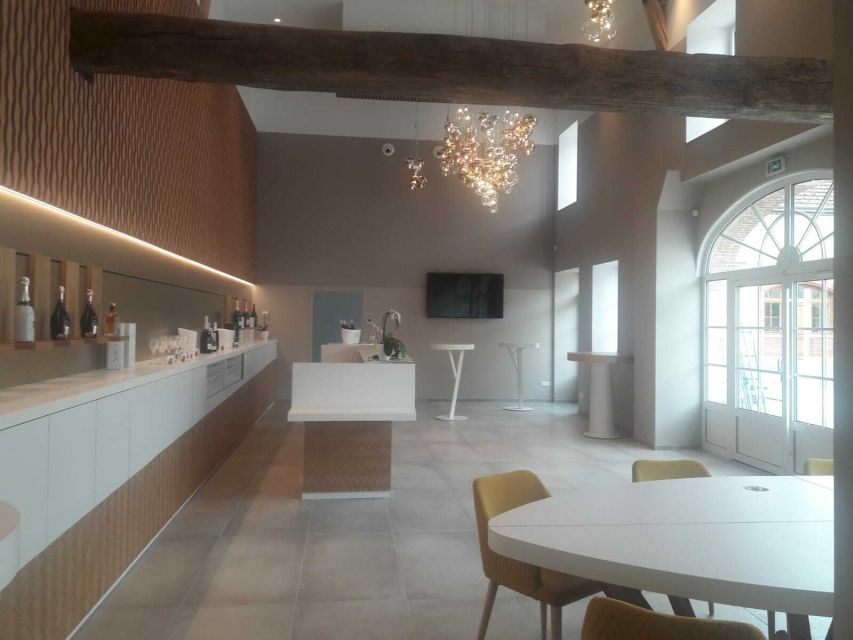
The final 20 minutes take place in the boutique or bar. You taste three different Vollereaux champagnes, giving you a chance to compare the house’s wines rather than judge it from a single glass.
The tasting has been described as generous, and the wines have received strong praise for their quality. The value is especially good when you consider that three glasses are included in a tour costing around $20. At that price, the tasting is not a token sample added to a factory visit. It forms a meaningful part of the experience.
I like the order of the visit. First, you learn what goes into the bottle. Then you taste the result. That sequence makes it easier to notice differences between the three champagnes and to ask better questions about what you are drinking.
The tasting is also a chance to slow down. Champagne is easy to treat as a celebratory prop, but tasting several wines side by side encourages you to pay attention to aroma, texture, sweetness, and finish. The supplied information does not identify the exact three cuvées, so you should not book this expecting a particular bottle or vintage.
Afterward, you can buy bottles from the boutique. The shop has been described as moderately priced, and there is no indication of heavy sales pressure. That matters if you want to take home a bottle but do not want the tasting to feel like a sales pitch.
Is $20 a fair price for the experience?
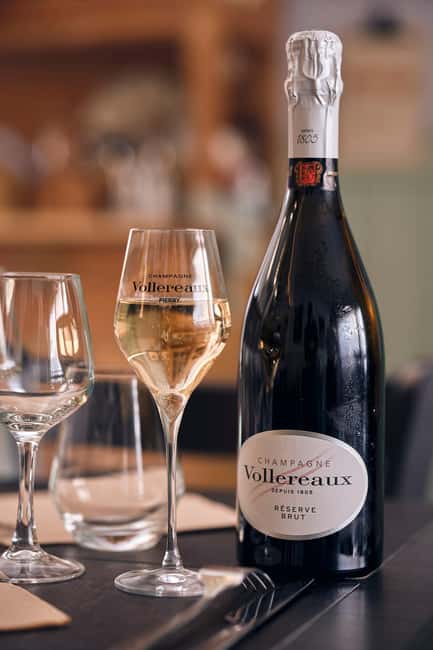
At about $20 per person, I consider this excellent value for a Champagne visit. You receive a guided cellar tour, an explanation of production, access to a family-run house, and three tastings in a one-hour package.
The value is stronger for first-time visitors to the region. You get a clear introduction without committing half a day to a large estate. It also works well if you are visiting several Champagne houses and want one smaller stop to balance out the better-known names.
There are limits. The visit is short, and the exact machinery in operation depends on the day. You should not expect a full vineyard excursion, an extended food pairing, or a long technical seminar. None of those are included.
The price also makes this an easy addition to an Epernay itinerary. If you are already nearby, it gives you a focused look at Champagne production without requiring a major time or budget commitment.
The guide makes the difference
A short cellar tour depends heavily on the person leading it. Here, the strongest feature is the guide’s ability to explain a technical process without making it feel like a classroom lecture.
Aurore has been praised for her expertise, warmth, and patient answers. Antoine has also been noted for his friendly and well-informed approach. Other English-speaking guides have been described as easy to understand and open to questions.
You may hear a French accent during an English tour. That should not be a concern. The English has been described as understandable, and the main value comes from the guide’s command of the subject and willingness to explain it in different ways.
This is also where the family story becomes more than a date on a wall. The guide can connect the 1805 founding, the 100-acre estate, the 13 villages, and the sixth generation into a clear picture of how the house operates today.
If you enjoy asking questions, this is likely to be more rewarding than a large, fixed-route tour. If you prefer a silent, highly visual visit with little explanation, the amount of talking may feel like more than you need.
Who will get the most from this visit?
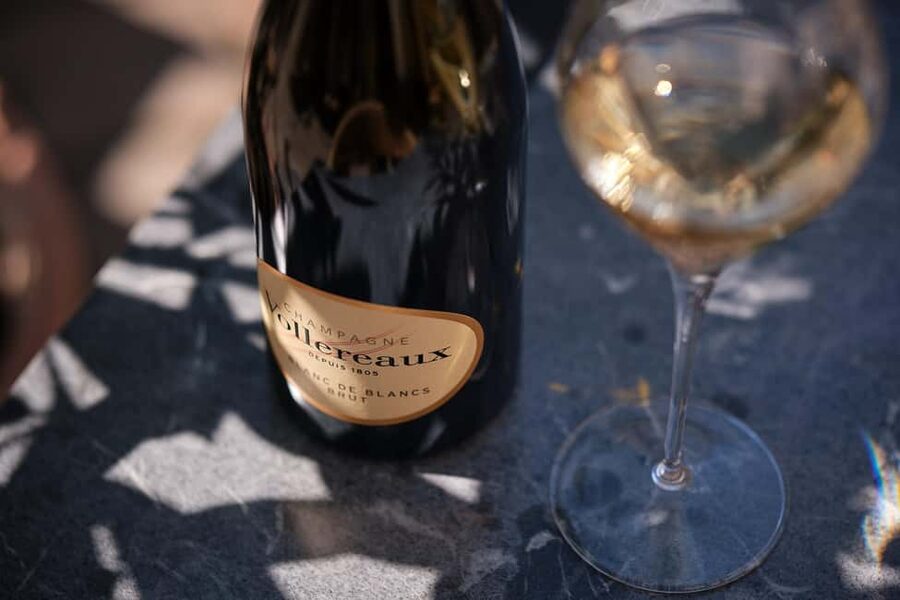
I would recommend Vollereaux to anyone who wants an approachable introduction to Champagne production. It suits couples, small groups, and curious first-time visitors who want a personal experience at a reasonable price.
It is particularly good for you if:
- You prefer a family-run producer to a large commercial house.
- You want to see production areas and cellars, not only taste wine.
- You like having time to ask questions.
- You want three tastings included in a short visit.
- You are staying in or near Epernay and need a compact activity.
- You are interested in the Champagne method but do not want a lengthy technical tour.
It may be less suitable if you need a fully outdoor vineyard visit, a long estate tour, or a specific Champagne bottle guaranteed in the tasting. The tour focuses on the house, cellars, production, and wines, not on a broad regional excursion.
Practical planning for your one-hour visit
Check the starting time before booking, since availability varies. Confirm the meeting point if your booking presents more than one option, and allow a little extra time around the scheduled hour.
Wear warm layers for the cellar. Ten degrees Celsius is cold enough to distract you if you arrive in summer clothing. Since the cellar is wheelchair accessible, the visit can work for many visitors with mobility needs, but checking the exact meeting details in advance remains sensible.
English and French are the available tour languages. Pets are not allowed.
The activity offers free cancellation up to 24 hours before the start for a full refund. You can also reserve now and pay later, which is useful when you are arranging an Epernay schedule around changing train times or other plans.
Should you book the Vollereaux cellar tour?
Yes, I would book it if you want a small-scale Champagne experience with real substance. The combination of a sixth-generation family house, production areas, a cool historic cellar, and three tastings gives you plenty for the price.
I would choose Vollereaux over a larger producer if personal attention matters to you. The hour passes quickly, but the visit covers the main stages of Champagne production and leaves time for questions. Bring a sweater, arrive ready to listen, and treat the tasting as the second half of the lesson.
Skip it only if you are looking for a full-day vineyard outing or a long luxury tasting. For a concise, friendly, and good-value introduction near Epernay, Vollereaux is an easy choice.
FAQ
Where does the Vollereaux Champagne tour take place?
The tour takes place at Vollereaux Champagne in the Marne Valley of Champagne. The listed address is 48 Rue Léon Bourgeois, though the meeting point can vary depending on the option booked.
How long does the tour last?
The scheduled duration is one hour. About 40 minutes are devoted to the guided visit, followed by about 20 minutes of Champagne tasting.
How many champagnes are included?
You taste three different champagnes at the end of the tour.
Which languages are available?
The live guided tour is available in English and French.
How cold is the cellar?
The cellar temperature is about 10 C. You should wear a vest, sweater, or another warm layer.
Is the tour wheelchair accessible?
Yes, the activity is listed as wheelchair accessible.
Are pets allowed?
No. Pets are not allowed on the tour.
Can I cancel the booking?
You can cancel up to 24 hours in advance for a full refund. The activity also allows you to reserve now and pay later.
Newly added around France
- Saint Emilion Full Day Wine and Bike Tour★ 5.0 · 167 reviews
- Luxurious full day Bordeaux wine tour in a Tesla★ 4.5 · 31 reviews
- Private Bordeaux History Tour with a glass of Bordeaux wine.★ 5.0 · 28 reviews
- Private – Best of Bordeaux Walking Tour + Glass of Bordeaux Wine★ 5.0 · 240 reviews
- Wine Masterclass & Cheese Tasting Workshop in Bordeaux★ 5.0 · 29 reviews
- Bordeaux wines tasting workshop including Food & Wine pairings★ 5.0 · 31 reviews
- Bordeaux Wine Masterclass: Blending workshop with appetizer★ 5.0 · 113 reviews
- Medoc Afternoon Wine Tour – 2 Wineries, tastings & delicacies★ 4.5 · 74 reviews
Champagne Tours, compared.
Day Trip to Champagne with 8 Tastings & Lunch
Read our review →

Private Boat Ride in Miami with Experienced Captain and Champagne
Read our review →

From Las Vegas: Grand Canyon Helicopter Tour with Champagne
Read our review →
2 Hour Champagne Sunset Cruise from Grace Bay, Providenciales (Adult Only)
Read our review →
Grand Canyon West Rim Helicopter Tour with Champagne Toast
Read our review →Browse the lists this tour appears in