
REVIEW · WINE TASTINGS
Burgundy wine tasting tour Half-Day Beaune from Dijon
Burgundy makes wine feel like a place, not just a drink. This five-hour tour combines the famous Grand Cru route with tastings of Côte de Beaune and Côte de Nuits wines, then gives you time to walk through Beaune. I like the small group of up to eight and the chance to learn from a sommelier, producer, or wine collector rather than simply following a bus from one tasting room to the next. The drive through old villages, vineyards, churches, and castles is another strong point.
The main consideration is that this is not a long series of winery visits. The tasting may take place at one distributor, cellar, or local wine venue, with around five to seven wines poured. That is enough for a useful introduction, but serious wine drinkers wanting several estate visits and generous pours may find the format too brief.
Key points at a glance
- Grand Cru route scenery: Drive past famous names such as Romanée-Conti, Clos de Vougeot, Chambertin, and Montrachet.
- Five to seven Burgundy wines: Taste white wines and Pinot Noir reds, sometimes including Premier Cru and Grand Cru examples.
- Beaune on foot: Enjoy free time in Burgundy’s wine capital, with traditional food shops and historic streets.
- Small-group setting: The minivan carries no more than eight participants, allowing for questions and a more personal feel.
- Strong guiding: Guides including Paul, Anne, Sébastien, Sonia, Thomas, and Gabriel have been praised for clear wine and regional explanations.
- Good scheduling flexibility: Cancellation is free up to 24 hours before departure, and you can reserve now and pay later.
Why this half-day Burgundy tour works well
At $112 per person, this is not the cheapest way to see the vineyards. But the price covers transportation from Dijon, an English or French-speaking wine expert, and the tasting itself. You also avoid the trouble of arranging a car, finding small villages, and deciding which wine roads are worth your limited time.
I see the tour as a compact introduction to Burgundy rather than a full wine pilgrimage. In five hours, you get the broad picture: how the famous vineyards fit together, why village names matter, how Pinot Noir and Chardonnay express local soil, and why Burgundy labels can seem confusing at first.
The small group size matters here. Wine talk can become dull when delivered to 40 people from the back of a coach. With up to eight people, you have a better chance to ask about grapes, producers, labels, prices, and tasting technique. Several guides have been praised for making difficult subjects easy to follow, with humor and a relaxed manner.
The tour also suits people who are not already wine fans. One visitor who did not consider themselves a wine drinker said the explanations changed their appreciation of wine. That is an important clue. You do not need to know the difference between a village wine and a Premier Cru before you arrive.
More Wine Tastings in France
- Bordeaux: Cité du Vin Entry Ticket and Wine Tasting
★ 4.6 · 3,885 reviews - Montmartre Hill French Gourmet Food and Wine Tasting Walking Tour
★ 5.0 · 2,588 reviews - From Paris: Loire Valley Castles Day Trip With Wine Tasting
★ 4.6 · 1,727 reviews
From Dijon into the Côte de Nuits
The tour leaves Dijon in a minivan and follows scenic roads into Burgundy’s celebrated wine country. The road trip is part of the experience, not dead time between tastings. You pass old winemaking villages, Romanesque churches, castles, abbeys, and rows of vines that give the region its ordered, almost garden-like appearance.
The guide explains the place names as you go. This is useful because Burgundy wine is organized around small vineyard areas and villages rather than big, familiar brand names. A bottle may be identified by its village, vineyard classification, producer, and vintage. Without some context, those labels can feel like a code.
In the Côte de Nuits, the route passes near famous appellations such as Romanée-Conti, Clos de Vougeot, and Chambertin. These names carry enormous weight in the wine world, but the value of seeing them in place is not simply the prestige. You begin to understand that Burgundy’s celebrated vineyards are often quite small, sometimes divided among many owners, and closely tied to exact patches of ground.
The drive does not mean you should expect to enter every famous estate. The itinerary is designed around viewing the wine route and learning about it from the guide. If your dream is to tour the cellars of Romanée-Conti or Clos de Vougeot, this is not that sort of visit. It is a guided overview from the road, with selected tasting time later.
Côte de Beaune wines and the tasting session
The tasting usually features five to seven wines from the Côte de Beaune and Côte de Nuits. Expect a mix of white Burgundy and Pinot Noir reds, with the possibility of Premier Cru and Grand Cru examples. One visit included six wines, while another included nine, so the exact number can vary.
This is where the tour earns much of its value. Burgundy is a region where tasting side by side can clarify what the guide has been describing. A white wine from one area may show a different character from another, while two Pinot Noirs made from the same grape can taste quite different because of soil, slope, producer, and vintage.
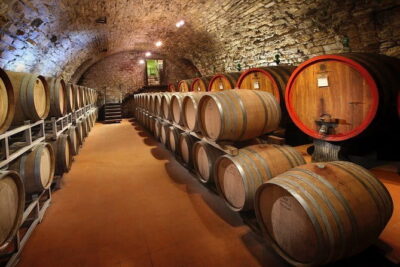
The setting may be a private cellar or a distributor-style wine venue rather than a working winery. That distinction matters. You get the chance to taste good regional bottles and ask questions, but you may not see vines being harvested, barrels being filled, or a family producer at work.
Some people will see this as a fair trade. The guide can focus on the whole Burgundy system instead of presenting only one producer’s point of view. Others may want more direct contact with vineyards. One useful tip is to book this tour for wine education and regional orientation, not for a full day of estate visits.
The pours may feel modest if you are used to Australian or American wine tours. One visitor felt that five samples were not enough and that the portions were small. That criticism is worth taking seriously, especially if tasting is your main reason for booking. The aim is comparison and instruction, not drinking several full glasses of wine.
What the guide adds to the experience
The guide can make or break a Burgundy tour. Here, the most repeated praise concerns the people leading it. Paul was praised for helping a non-wine drinker understand the subject. Anne was described as friendly, clear, and able to answer questions about vineyards and local history. Sébastien was especially valued for explaining terroir, winemaking, flavors, and Burgundy’s complicated labels.
Other praised guides included Sonia, Thomas, Gabriel, Dylan, Matthieu, Hubert, Jean, and Michel. The names change because the tour may operate with different guides, so you should not assume a particular person will lead your departure. The consistent pattern is what matters: guides are expected to know the wines and communicate in accessible English or French.
Several comments also point to a nice balance of facts and personality. Wine can become a lecture about acidity and soil types. The better guides keep it tied to what you are seeing outside the window, then help you taste those ideas in the glass.
If you are a serious wine collector, you may want technical detail about vintages, producers, and classification. If you are new to Burgundy, you will probably value explanations of the basics: Pinot Noir, Chardonnay, terroir, village names, Premier Cru, Grand Cru, and how to read a Burgundy label.
Same region, a very different glass:
- Authentic Parisian Gourmet Food Tour with 10 Local Dishes & Wines
★ 5.0 · 4,754 reviews - Loire Valley Castles Day Trip from Paris with Complementary Wine
★ 4.5 · 3,907 reviews - Bordeaux: River Garonne Cruise with Glass of Wine and Canelé
★ 4.5 · 3,630 reviews - Paris: Montmartre Cheese, Wine & Pastry Guided Walking Tour
★ 4.8 · 2,255 reviews
Beaune: the historic heart of the tour
Beaune gives the tour a welcome change of pace. After the road and tasting, you have free time to walk the historic center and browse traditional shops. This is not a fully guided city tour, so you control the pace.
The town is Burgundy’s wine capital, and its shops reflect the region’s food culture. Look for blackcurrant liquor, mustard, honey spice cake, and the aniseed sweets associated with Flavigny. These are useful edible souvenirs, especially if you want something more practical than another bottle of wine.
The free time is usually around an hour, though past schedules have sometimes allowed longer. That is enough for a quick walk, shopping, and a look at the old streets. It may not be enough for a leisurely museum visit, a long lunch, and detailed sightseeing all at once.
If you want to visit Beaune’s famous historic hospital, allow extra time and check how much free time your departure includes. One visitor strongly recommended the 500-year-old hospital as a highlight and suggested allowing an hour for it. On a rainy day, the town stop may be shorter or less comfortable, so plan your priorities before leaving the minivan.
Beaune is also the part of the tour least tied to wine instruction. You are given freedom rather than a tightly managed walking route. I like that choice, since it lets you shop or simply sit with a coffee, but it means you should keep an eye on the meeting time.
The scenery between the famous names
The best photographs may come between the official stops. The roads pass through small villages with old stone buildings, churches, castles, and vineyards rising behind them. Even outside the growing season, the area has interest. A January visit can show vineyard workers pruning and maintaining the vines, while summer offers greener rows.
The tour helps you notice details you might miss from a train or a self-drive route. Your guide can point out the difference between sections of vines, explain the divisions of the vineyards, and connect the view to the wines in your glass.
Do not expect dramatic mountain scenery. Burgundy’s appeal is quieter. It comes from the close relationship between village, slope, vineyard, cellar, and bottle. The route feels especially worthwhile if you care about how food and wine grow out of a particular region.
Timing, meeting point, and practical details
The tour lasts five hours, with departure from Dijon. The minivans stop in the bus lane beside the kiosk called SIZZLE & CHILL. Use the provided Google Maps location rather than Apple Maps, which is said to show the wrong place.
Arrive five minutes before departure. The driver-guide waits up to 10 minutes for late arrivals along with the rest of the group. After that, the booking is treated as a no-show. This is a small but important warning because a vineyard road tour cannot easily pause for one missing person.
At least four participants are needed for the tour to operate. The maximum group size is eight. Wheelchair access is available, though you should still confirm that the vehicle setup suits your needs before booking.
English and French are available. Transportation, the wine expert, and the wine tasting are included. Food, additional drinks, and personal purchases in Beaune are not listed as included, so budget separately for those.
You can cancel up to 24 hours before departure for a full refund. The reserve-now, pay-later option is useful if your Dijon plans are still moving around.
Who should book this Burgundy wine tour?
I would choose this tour if you are staying in Dijon and want to understand Burgundy without renting a car. It is also a good fit for couples, solo visitors, and small groups who prefer a guide-led day with room for questions.
It suits a mixed group particularly well. A dedicated wine enthusiast can ask about Grand Cru classifications and producers, while a beginner can focus on flavor, place, and basic labels. The historic stop in Beaune also gives non-drinkers something worthwhile to do.
You may want another option if you expect numerous winery visits, large tasting pours, or a long lunch. The tasting is limited in size and may happen at one wine venue rather than at several farms. The tour gives you a strong overview, but it cannot cover every corner of Burgundy in five hours.
Should you book it?
Book it if you want a well-organized introduction to Burgundy from Dijon, especially with a small group and a guide who can explain the region without making wine feel like homework. The route, the villages, the Grand Cru names, the tasting, and Beaune make good use of a half-day.
Think twice only if your priority is estate access and extensive tasting. For most visitors, the value lies in fitting several difficult pieces together: the geography, the wine classifications, the scenery, and Beaune itself. At $112, that is a reasonable trade for a compact and useful first look at Burgundy.
FAQ
Where does the Burgundy wine tour depart from?
It departs from Dijon. The minivans stop in the bus lane beside the kiosk called SIZZLE & CHILL.
How long does the tour last?
The experience lasts five hours.
How many wines are included?
You can expect to taste five to seven Burgundy wines. The selection may include white wines, Pinot Noir reds, Premier Cru, and occasionally Grand Cru wines. The exact number can vary.
Which wine areas does the tour visit?
The route covers the Côte de Beaune and Côte de Nuits wine areas and follows the Grand Cru wine route.
Will I visit famous Grand Cru vineyards?
You drive past or near famous appellations including Romanée-Conti, Clos de Vougeot, Chambertin, and Montrachet. The provided details do not promise entry into each estate.
Is Beaune included?
Yes. You receive free time to walk through Beaune’s historic center and visit traditional shops.
What languages are available?
The live tour guide is available in English or French.
How large is the group?
The tour is limited to eight participants. A minimum of four participants is required for the tour to operate.
More Half-Day Trips in France
- Saint Emilion Half-Day Trip with Wine Tasting & Winery Visit from Bordeaux
★ 4.5 · 1,034 reviews - From Bordeaux: St. Emilion Village Half-Day Wine Tour
★ 4.7 · 728 reviews - From Bordeaux: Half-Day Saint-Émilion Tour and Wine Tasting
★ 4.7 · 699 reviews - Bordeaux: Vineyards Wine Tasting Half-Day Trip
★ 4.2 · 470 reviews
Newly added around France
- Saint Emilion Full Day Wine and Bike Tour★ 5.0 · 167 reviews
- Luxurious full day Bordeaux wine tour in a Tesla★ 4.5 · 31 reviews
- Private Bordeaux History Tour with a glass of Bordeaux wine.★ 5.0 · 28 reviews
- Private – Best of Bordeaux Walking Tour + Glass of Bordeaux Wine★ 5.0 · 240 reviews
- Wine Masterclass & Cheese Tasting Workshop in Bordeaux★ 5.0 · 29 reviews
- Bordeaux wines tasting workshop including Food & Wine pairings★ 5.0 · 31 reviews
- Bordeaux Wine Masterclass: Blending workshop with appetizer★ 5.0 · 113 reviews
- Medoc Afternoon Wine Tour – 2 Wineries, tastings & delicacies★ 4.5 · 74 reviews
Wine Tastings, compared.
Douro Valley w/ Boat Tour, Wine Tasting & Lunch
Read our review →
Complete Douro Valley Wine Tour with Lunch, Wine Tastings and River Cruise
Read our review →
Small-Group Wine Tasting Experience in the Tuscan Countryside
Read our review →
Montserrat & Cogwheel Train, Gourmet Wine Tasting & Tapas/Lunch
Read our review →
Tuscany & Montepulciano Day Trip with Lunch & Wine Tasting
Read our review →Browse the lists this tour appears in