
REVIEW · VINEYARD TOURS
Discovery of the Bordeaux vineyard in 3 wines
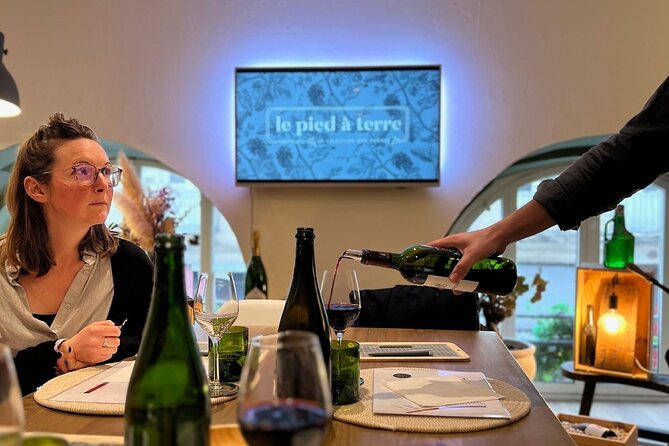
Bordeaux wine makes more sense after one good tasting. This 90-minute session at Le Pied à Terre brings three contrasting wines together: a powerful Left Bank red, a refined Right Bank red, and a fresh dry white. I like the clear regional comparison, and I like that the teaching stays friendly rather than stuffy. The one catch is that you taste in a wine shop’s upstairs room, not at a working vineyard.
You’ll also hear about Roman-era wine history, Bordeaux appellations, grape varieties, and food pairings while nibbling Basque cheese and charcuterie. Guides such as James and Pierre have been praised for humor, patience, and plain-English explanations. If you want a full château visit, vineyard walk, or cellar tour outside the city, this is not that.
Key points at a glance
- Three wines, three Bordeaux styles: Compare a Left Bank red, a Right Bank red, and a dry white in one sitting.
- A useful first lesson: Learn how to taste, read Bordeaux labels, and understand appellations without needing prior wine knowledge.
- Small-group setting: The session accepts a maximum of 12 people, which leaves room for questions and conversation.
- Basque food pairing: Cheese, ham, bread, and Maison Pierre Oteiza products accompany the tasting.
- Central Bordeaux meeting point: Begin and finish at 22 Rue Judaïque, near public transportation.
- Good value for city sightseeing: At $42.33 per person, the tasting offers guided instruction and three wines without the cost or travel time of a vineyard excursion.
What this Bordeaux tasting is really about
Bordeaux can be confusing at first. The region uses many appellation names, blends several grape varieties, and divides its most famous red wine areas between the Left Bank and Right Bank. A label may tell you where the wine comes from, but not in the simple way many beginners expect.
This tasting gives you a practical starting point. Instead of trying to explain every corner of the region, it uses three glasses to show how place and winemaking affect the wine in front of you.
The lineup is designed around contrast. The Left Bank red represents power and structure. The Right Bank wine brings a different style, described as more elegant. The dry white adds freshness and shows that Bordeaux is not only a red-wine region.
That arrangement matters. You are not just sipping three unrelated bottles. You are being asked to notice differences in body, freshness, character, and likely food matches. Even if you forget the names of the estates later, you should leave with a better sense of what Bordeaux means.
The session is offered in English, which is especially useful for anyone who wants more than a quick pour and a few tasting notes. The language is meant to be accessible. Beginners have found the format easy to follow, while more experienced wine drinkers can ask about classification, production, and regional distinctions.
More Vineyard Tours in France
- Bordeaux: Vineyards Wine Tasting Half-Day Trip
★ 4.2 · 470 reviews - Half-Day Wine tour across Bordeaux’s Vineyards
★ 3.5 · 429 reviews - Medoc Region Wine Day Trip with Vineyard Visits & Tastings from Bordeaux
★ 4.5 · 293 reviews
Arriving at 22 Rue Judaïque
The meeting point is 22 Rue Judaïque, 33000 Bordeaux, and the activity ends there as well. That makes the session easy to fit into a day of city sightseeing. You do not need to spend part of your afternoon getting out to Saint-Émilion or the Médoc.
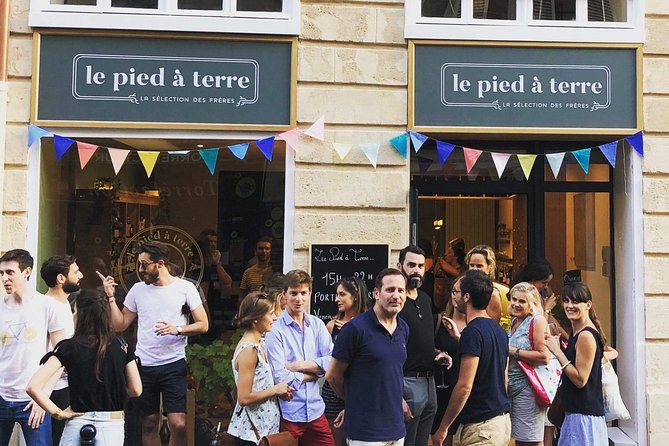
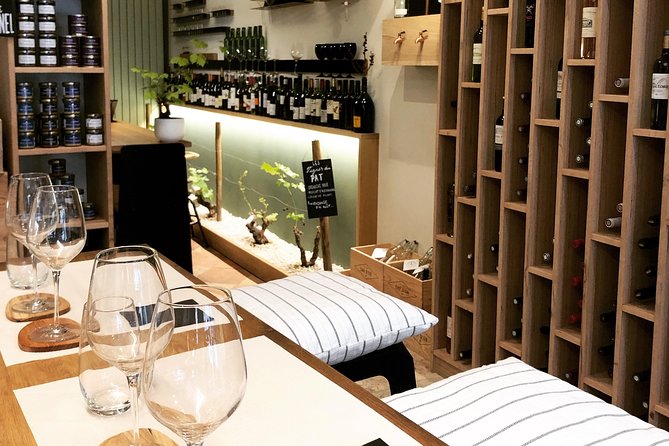
The tasting takes place at Le Pied à Terre, a wine shop with an upstairs room used for tastings. This setting has both strengths and limits.
The strength is convenience. You can reach the shop using public transportation, settle into a dedicated tasting space, and get straight to the subject. It feels more like a small wine class than a formal meal or a large commercial tour.
The limit is important: you are not visiting a vineyard, a barrel room, or a château. You will not see vines or watch wine being made. If your idea of Bordeaux wine includes estate grounds and rural scenery, save room in your schedule for a separate day trip.
For a first introduction, though, the city location works well. You can learn the basic framework before deciding which wine area you want to visit in greater depth.
Three glasses that explain the region
The main lesson comes through three tasting-size servings. Each wine is placed in context with its appellation, grape varieties, winemaking methods, and estate story.
The Left Bank red
The first major comparison is a red from Bordeaux’s Left Bank. It is presented as the more powerful style, giving you a chance to think about structure and weight.
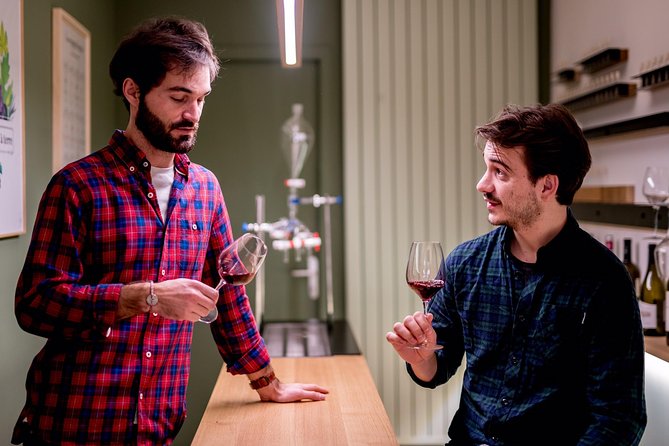
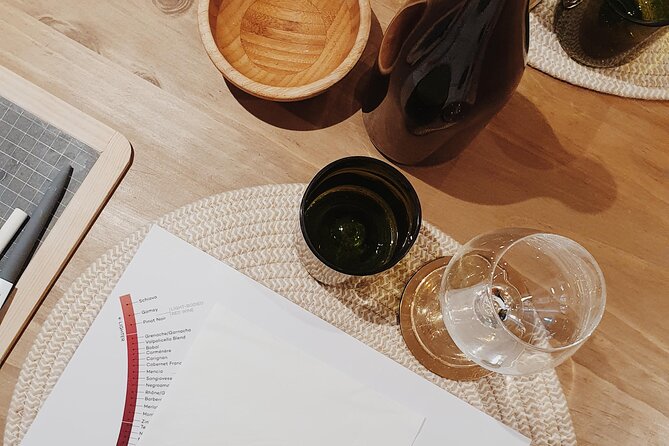
You should pay attention to how the wine feels rather than worry about finding the perfect vocabulary. The guide explains tasting techniques in simple steps, so you can look at the color, smell the wine, taste it, and consider what changes as it sits in your mouth.
This is particularly helpful for beginners. Wine tasting can feel like a performance if nobody explains what to do. Here, the point is not to make grand claims about aromas. It is to help you notice what your senses are already telling you.
More Vineyard Tours in Bordeaux:
- Bordeaux: St-Emilion Vineyards e-Bike Tour with Wine & Lunch
★ 4.9 · 181 reviews - Douro Valley Tour: 2 Vineyard Visits, River Cruise, Winery Lunch
★ 5.0 · 3,542 reviews - Toledo Tour & Vineyard Walk with Wine Tasting from Madrid
★ 5.0 · 2,546 reviews - Half day Chianti Vineyard Escape from Florence with Wine Tastings
★ 4.5 · 2,196 reviews
The Right Bank red
The Right Bank wine provides the next comparison. It is described as elegant, and the contrast with the Left Bank bottle helps explain why Bordeaux is not one single style.
The discussion covers the region’s different areas and the grapes commonly used in Bordeaux wines. You may also hear about the way producers and appellations shape what can appear on a label.
This is one of the most useful parts of the session for anyone planning to buy Bordeaux later. The names on bottles can seem like a code. A basic grasp of Left Bank and Right Bank geography gives you a practical way to begin reading that code.
Some sessions have included two wines classified as Grand Cru Classé. That can add interest for people who already drink Bordeaux, though the exact bottles may vary. The tasting is best judged by the explanation and comparison, not by expecting a particular famous label every time.
The dry white
The final style is a fresh, dry white from a respected Bordeaux estate. This is a welcome choice because many people think of Bordeaux only in terms of full-bodied red blends.
The white shows another side of the region and gives the discussion a change of pace. You can consider freshness, balance, and pairing in a different way than you would with the reds.
The three-wine format is just about right for a 90-minute lesson. It gives you enough variety to compare styles without turning the session into a blur of glasses and technical terms.
Learning to taste without the fuss
The strongest feature here is the teaching. The guides explain how to taste wine in a relaxed, practical way. You learn the basic sequence and get chances to ask questions as you go.
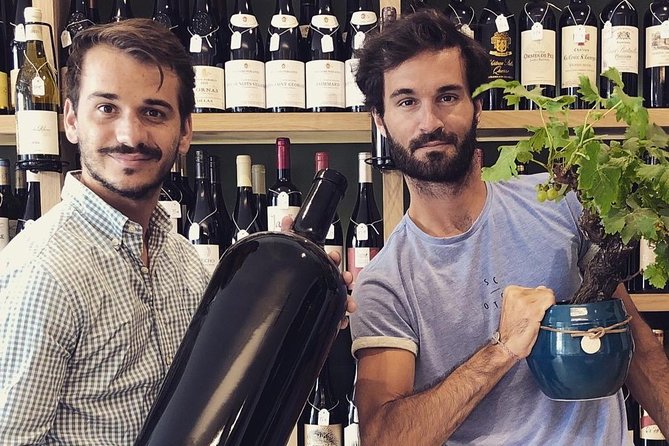
James has been praised for his English, humor, patience, and clear explanation of Bordeaux classification and tasting methods. Pierre has also been praised for making the class both educational and fun. The presenters are described as sommeliers and passionate wine teachers, not simply people pouring samples.
That difference matters. A tasting can be pleasant without being useful. This one aims to give you skills you can use later in a restaurant, wine shop, or future château visit.
You do not need to know the names of every grape or appellation before arriving. Complete beginners have found it approachable, while experienced wine drinkers have appreciated the chance to ask more detailed questions.
The tone is not formal. Some sessions have been praised for laughter, storytelling, and an easygoing mood. One person felt the talk wandered slightly and would have preferred a tighter script for intermediate drinkers. That is fair. The relaxed style helps newcomers, but people seeking a precise, advanced seminar may find it less structured than expected.
Roman stories, estates, and Bordeaux rules
Wine in Bordeaux is not only about flavor. The session also places the wines in a historical and legal setting.
You will hear stories reaching back to Roman times, along with an explanation of how Bordeaux labels and certifications work. The governance system helps determine when producers can use regional or appellation names, and that can be more revealing than a long list of tasting adjectives.
The estate stories add a human element. You learn about the producers behind the bottles, the places where the wines come from, and the methods used to make them. This gives you a better reason to care about the differences between one appellation and another.
For many people, this context is the best preparation for a later winery visit. Once you understand the basic divisions and terminology, a château tour becomes easier to follow. You can focus on what is distinctive about that estate instead of hearing Bordeaux terms for the first time.
Cheese, ham, and the value of pairing
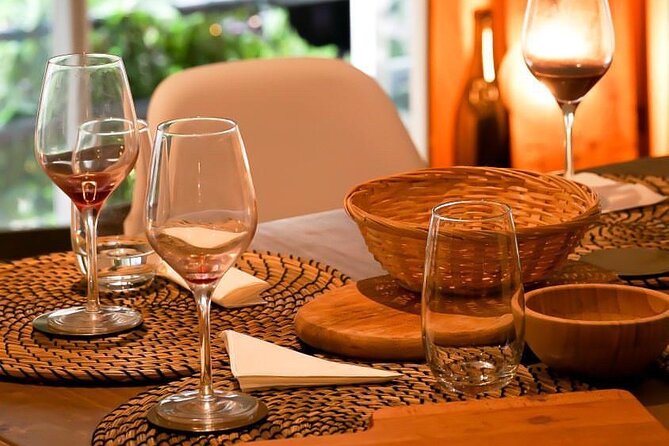
The food is simple but useful. You receive Basque charcuterie and cheese from Maison Pierre Oteiza, along with bread. The food portion has been described as a small board rather than a full meal.
That distinction is worth keeping in mind. Do not arrive expecting lunch. The serving is there to support the tasting and show how food changes wine, not to fill you up.
The pairing also makes the class more social. A piece of cheese or ham gives you a practical way to test the guide’s advice. Does a wine feel different with salt? Does the cheese soften a red’s grip? You get to consider those questions without needing a formal vocabulary.
Vegetarian and vegan arrangements have been possible when requested ahead of time. Since the standard offering includes meat and cheese, contact the provider before the session if you need a change.
At $42.33 per person, the food is part of the value, but it is not the main reason to book. You are paying for the three wines, the instruction, the small-group exchange, and the convenience of learning in central Bordeaux.
Group size, timing, and comfort
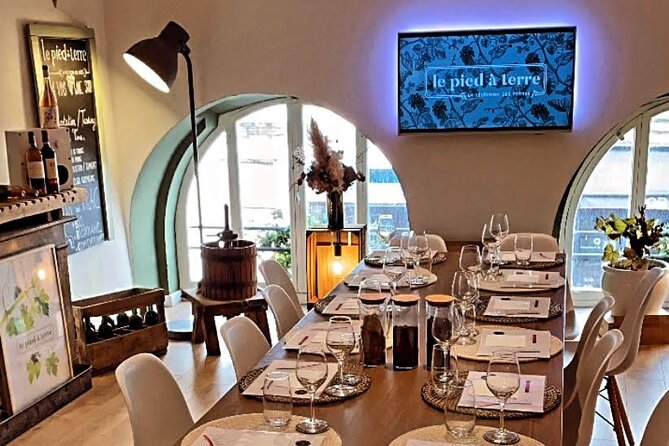
The maximum group size is 12 people. That is small enough to make questions realistic, while large enough to create a lively mix of wine interests and nationalities.
This format also works well for solo visitors. You are seated with other people who have come for the same subject, and the informal teaching encourages conversation. Couples and families have also found the setting relaxed.
The stated duration is about 1 hour and 30 minutes. Some descriptions of the session refer to closer to two hours, so allow a little flexibility rather than scheduling a museum reservation immediately afterward.
One practical warning concerns the start time. A participant noted that the tasting began at 2:30 p.m., despite another time being shown online. Check your confirmed booking carefully and contact Le Pied à Terre if the time is unclear.
Confirmation is sent at booking. The activity allows service animals and is near public transportation. Free cancellation is available up to 24 hours before the start time for a full refund. Late cancellations and changes are not accepted, and the session requires a minimum number of bookings to run.
Who will get the most from it
I would choose this tasting if you are new to Bordeaux wine, short on time, or planning to visit wine country later in your trip. The Left Bank and Right Bank comparison gives you a useful mental map in one sitting.
It is also a good fit if you want wine education without ceremony. The teaching is friendly, humorous, and open to questions. You will not be expected to perform as an expert.
Intermediate wine drinkers can benefit too, especially if you want a clearer understanding of Bordeaux appellations, classification, and food pairing. Just know that the relaxed delivery may feel a little loose if you prefer a tightly scripted lecture.
I would not make this your only wine activity if you specifically want to walk through vineyards or visit a château. Pair it with a separate countryside excursion. Think of Le Pied à Terre as the classroom, not the vineyard.
Should you book this Bordeaux wine tasting?
Yes, if you want a friendly and useful introduction to Bordeaux wine in the city. The high approval rate and 4.9 rating reflect the qualities that matter most here: strong presenters, good questions, clear instruction, enjoyable wines, and an atmosphere that avoids pretension.
The best reason to book is the structure. Three wines show three sides of Bordeaux, while the guide explains what you are tasting and why it differs. The Basque cheese and charcuterie add a pleasant regional touch, even though the food is modest.
Skip it if your priority is a château visit, vineyard views, or a full meal. Book it if you want to leave Bordeaux with a better grasp of the labels, styles, and tasting habits you will encounter elsewhere. At $42.33, it is a sensible first step before spending more on a full-day wine-country outing.
FAQ
Where does the Bordeaux wine tasting begin?
It begins at Le Pied à Terre, 22 Rue Judaïque, 33000 Bordeaux, France.
Where does the activity finish?
The activity ends back at the meeting point at 22 Rue Judaïque.
How long does the tasting last?
The stated duration is approximately 1 hour and 30 minutes.
How many wines are included?
The guided tasting includes three Bordeaux wines.
What wine styles are presented?
The tasting includes a powerful Left Bank red, an elegant Right Bank wine, and a fresh dry white from Bordeaux.
Is the tasting offered in English?
Yes. The experience is offered in English.
Is food included?
Yes. The standard food pairing includes Basque charcuterie and cheese from Maison Pierre Oteiza, along with bread.
Does the experience take place at a vineyard?
No. It takes place in the upstairs tasting room of the Le Pied à Terre wine shop in Bordeaux.
How many people can join?
The group has a maximum of 12 participants.
Can I cancel for a full refund?
Yes. You can cancel at least 24 hours before the start time for a full refund. Late cancellations and changes are not accepted.
Newly added around Bordeaux
- Saint Emilion Full Day Wine and Bike Tour★ 5.0 · 167 reviews
- Luxurious full day Bordeaux wine tour in a Tesla★ 4.5 · 31 reviews
- Private Bordeaux History Tour with a glass of Bordeaux wine.★ 5.0 · 28 reviews
- Private – Best of Bordeaux Walking Tour + Glass of Bordeaux Wine★ 5.0 · 240 reviews
- Wine Masterclass & Cheese Tasting Workshop in Bordeaux★ 5.0 · 29 reviews
- Bordeaux wines tasting workshop including Food & Wine pairings★ 5.0 · 31 reviews
- Bordeaux Wine Masterclass: Blending workshop with appetizer★ 5.0 · 113 reviews
- Medoc Afternoon Wine Tour – 2 Wineries, tastings & delicacies★ 4.5 · 74 reviews
Vineyard Tours, compared.
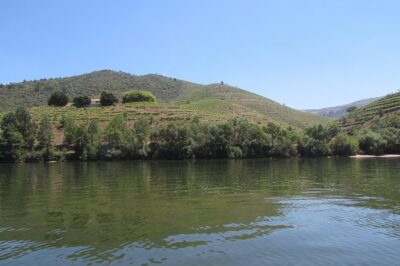
Douro Valley Tour: 2 Vineyard Visits, River Cruise, Winery Lunch
Read our review →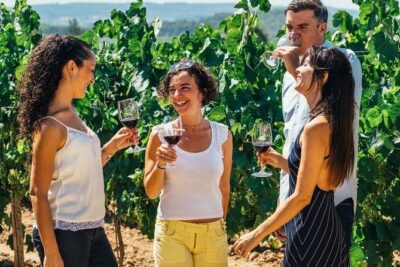
Toledo Tour & Vineyard Walk with Wine Tasting from Madrid
Read our review →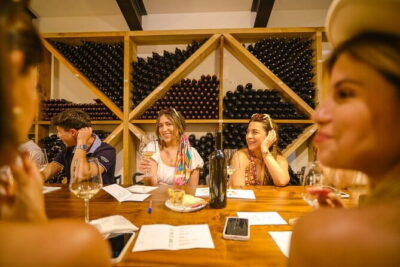
Half day Chianti Vineyard Escape from Florence with Wine Tastings
Read our review →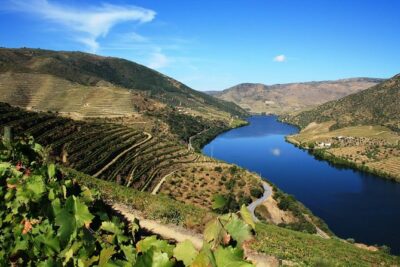
Douro Valley Wine Tour: 3 Vineyard Visits, Wine Tastings, Lunch
Read our review →
Full-Day Winelands Tour with Wine Tastings & Food
Read our review →
African Story Wine Tours in the Cape Winelands
Read our review →
Saint-Émilion: Bordeaux Vineyard Tour and Wine Tasting
Read our review →Browse the lists this tour appears in