
REVIEW · CHIANTI WINE TOURS
From Florence: Small Group Chianti Wine Tour with Lunch
Good wine, old castles, and lunch in the hills. This 6.5-hour outing gives you a practical introduction to Chianti Classico without asking you to rent a car or sort out designated driving. I especially like the three very different wineries and the chance to stop in Greve in Chianti, a pleasant village square with shops and photo spots. The tour also includes a traditional Tuscan lunch, not just a quick plate of snacks.
The small group is another strong point. With no more than eight people, you can ask questions and hear the sommelier without shouting across a crowded bus. The main consideration is the price: at $237 per person, this is not a bargain outing, and the day includes several wine tastings, so it may feel like too much if you are only a casual wine drinker.
Key points at a glance
- Three wineries, three different settings: Expect a contemporary cellar, a castle estate, and a smaller boutique producer.
- A real wine lesson: Your English-speaking sommelier explains acidity, aromas, grape varieties, production methods, and the difference between Chianti and Chianti Classico.
- Tuscan food with the wine: Lunch includes traditional dishes, olive oil, cured meats, cheeses, pasta, and dessert according to the menu described by past participants.
- Greve adds a village stop: You get time for photos, a walk around the square, and a look at local shops.
- Comfortable transport from Florence: The Mercedes minivan has free Wi-Fi and keeps the day easy without a rental car.
- Best for wine-curious visitors: The tour suits people who want education and conversation, not just a scenic drive with a few sips.
Leaving Florence in a Mercedes minivan
The meeting point is on Via dei Vagellai, 22 red, at the corner of Piazza Mentana, opposite the Arno River. You need to make your own way there, since transfers from your hotel are not included. That is a small but important detail in Florence, where a few extra minutes can disappear quickly among pedestrian streets and bridges.
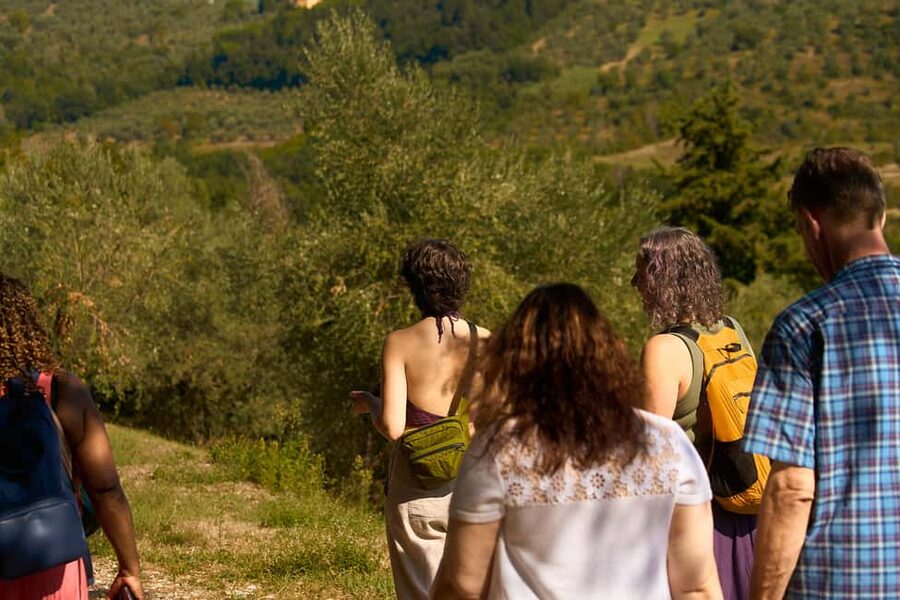
Once everyone is aboard, the city gives way to the Chianti hills. The comfortable Mercedes minivan is a good fit for this type of day. You are not tied to a large coach, and the group is limited to eight people. That makes it easier for the guide to explain what you are seeing and adjust the pace when questions come up.
The tour is conducted in English. Guides have included Carlotta, Grace, Christina, Grazia, Antonella, Gabriele, Brando, Lapo, and Eleanora, among others. The strongest pattern in the feedback is the quality of the guiding. Carlotta was praised for shaping the discussion around her group’s interests, while Gabriele was appreciated for both driving and explaining the vineyards during the later stops.
I like that the guide is not simply there to point out pretty views. The wine expert explains how soil, grape varieties, cellar methods, and local rules affect the final bottle. That gives the countryside some meaning instead of reducing it to a string of photo stops.
More Chianti Wine Tours in Florence:
- Florence: Chianti Wineries Tour with Wine Tasting
★ 4.5 · 10,071 reviews - San Gimignano, Siena, Monteriggioni, Chianti Day Trip with Lunch & Wine Tasting
★ 4.5 · 4,432 reviews - Florence: Pisa, Siena, S. Gimignano, Chianti Wine & Lunch
★ 4.6 · 4,354 reviews
The first winery brings modern Chianti into view
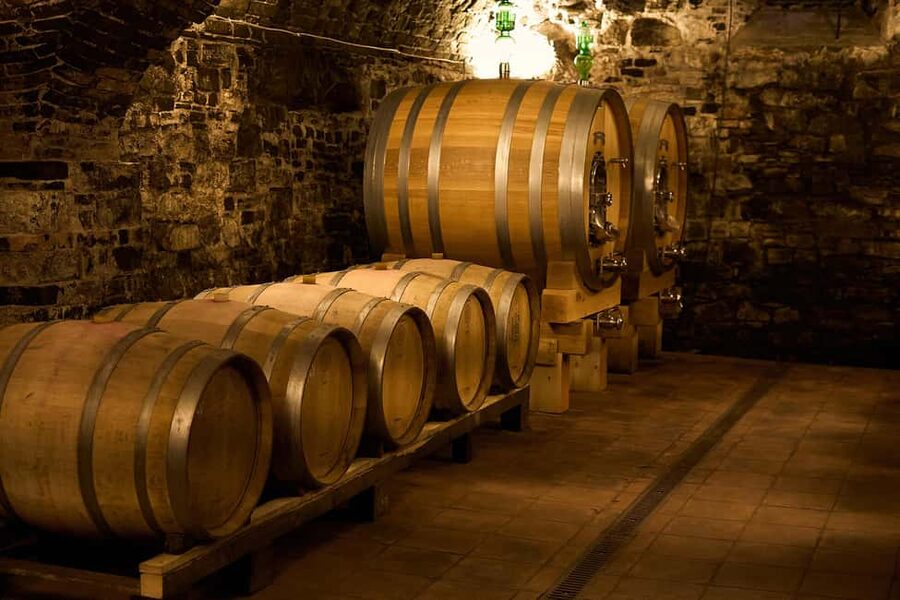
The first estate is described as having contemporary cellars built in harmony with the surrounding hills, with vineyards covering much of the building. This is a useful opening stop because it shows that Chianti is not only about medieval stone walls and old family cellars.
Here, you taste wines from one of Italy’s major producers and hear about the company’s methods and future plans. The tasting can include several styles, such as white, rosé, and red wines, along with olive oil at some visits. This range helps you notice how production choices affect aroma, body, acidity, and finish.
Your sommelier should also explain the difference between Chianti and Chianti Classico. The distinction matters. Chianti is a wider wine area, while Chianti Classico comes from the historic zone between Florence and Siena and follows its own production rules. The black rooster symbol associated with Chianti Classico may become easier to understand once the guide explains the designation.
This stop is especially useful for beginners. You do not need to arrive knowing grape names or wine vocabulary. You can ask why one wine tastes sharper, why another smells of fruit or herbs, and which style works best with food.
The only caution is that the first tasting can set a brisk pace. There are three wineries in six and a half hours, plus transportation, lunch, and Greve. If you prefer to spend an entire afternoon at one estate, this is not that kind of tour.
Greve in Chianti gives the day a village pause
The stop in Greve in Chianti breaks up the tastings with a little free time in town. It is a modest stop, not a guided city tour, but that is part of its appeal. You can walk around the square, take photos, browse local shops, and get a feel for a Tuscan community beyond the winery gates.
Past participants have called the square quaint and noted its interesting shops. The stop also gives you a chance to stretch your legs after the drive. That matters on a wine tour, since much of the day involves sitting, tasting, listening, and eating.
Do not expect hours here. The schedule needs to keep moving to fit three estates into one day. Still, even a short visit helps connect the wine to a real place. Chianti is not just a label on a bottle. It is also a collection of villages, farms, olive groves, vineyards, and historic estates.
The castle estate adds centuries of character
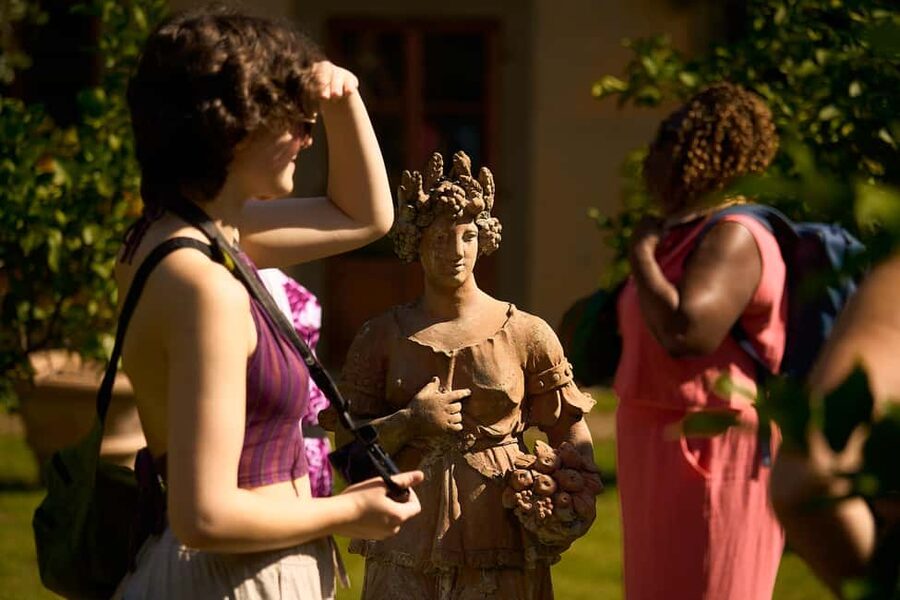
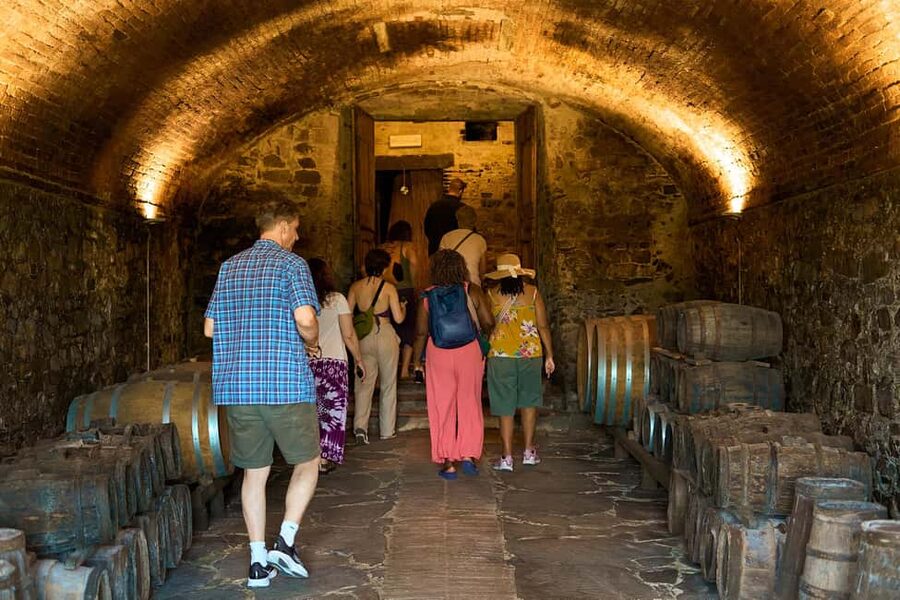
The second winery brings a very different mood. You see the towers of a 13th-century castle surrounded by olive groves and vineyards, then visit the cellars before tasting the wines. This is the stop for people who want the classic Tuscan setting: stone, towers, vines, and old estate buildings.
The contrast with the first winery is one of the tour’s best features. At the opening estate, the emphasis is on modern design and a major producer’s vision. Here, the setting gives you a stronger sense of age and continuity. The guide can place the wines within the story of the estate and explain how the cellar works.
You will likely taste several wines and learn how to compare them. The aim is not to tell you which bottle is best. It is to help you notice what you prefer. One person may like bright acidity, another a softer red, and someone else a more powerful Super Tuscan blend.
The term Super Tuscan appears among the included tastings. These wines are often made outside the most traditional Chianti rules, allowing producers to use different grape combinations or methods. A good guide will explain why these bottles can sit beside classic Chianti wines while offering a different taste and identity.
More Long Lunches in Florence:
- Tuscany Day Trip from Florence: Siena, San Gimignano, Pisa and Lunch at a Winery
★ 5.0 · 21,634 reviews - Pisa, Siena and San Gimignano Day Trip with Lunch & Wine Pairing
★ 4.5 · 6,006 reviews - From Florence: Siena, San Gimignano, Pisa & Lunch at Winery
★ 4.8 · 4,538 reviews - Florence: S. Gimignano, Siena, Chianti Wine Tasting & Lunch
★ 4.6 · 3,102 reviews
Lunch is more than a quick winery snack
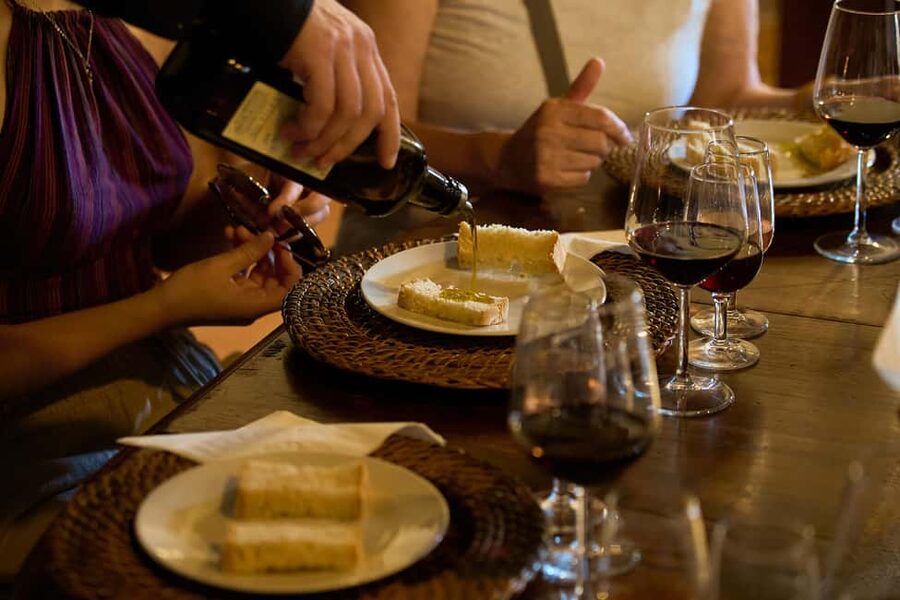
Lunch takes place at the third estate, a boutique winery, and is paired with more wine. The meal is built around typical Tuscan products. One detailed account describes cured meats and cheeses with bread and white wine to start, pasta with a red wine for the main course, and lemon sorbet to finish.
That is a far better arrangement than squeezing in a sandwich between tastings. Food gives the wine a job to do. You can see how salty cured meat changes a red wine, how olive oil works with bread, and why pasta can make a wine seem softer and rounder.
Olive oil and other local products are also part of the day. You may taste the oil alongside bread and hear how it is made. This adds another layer to the experience, since Tuscan food culture depends on more than wine alone.
The lunch is described as simple and delicious rather than elaborate. That is the right expectation. This is a country meal connected to the estate, not a formal restaurant tasting menu. If you want a lavish lunch with many courses, the price may seem high. If you value local food, generous conversation, and wine served where it is produced, the meal strengthens the overall value.
Dietary needs should be shared with the supplier in advance. A past visit included gluten-free bread and pasta for a participant with gluten sensitivity, but you should not assume every request can be handled without notice.
The boutique winery finishes on a smaller scale
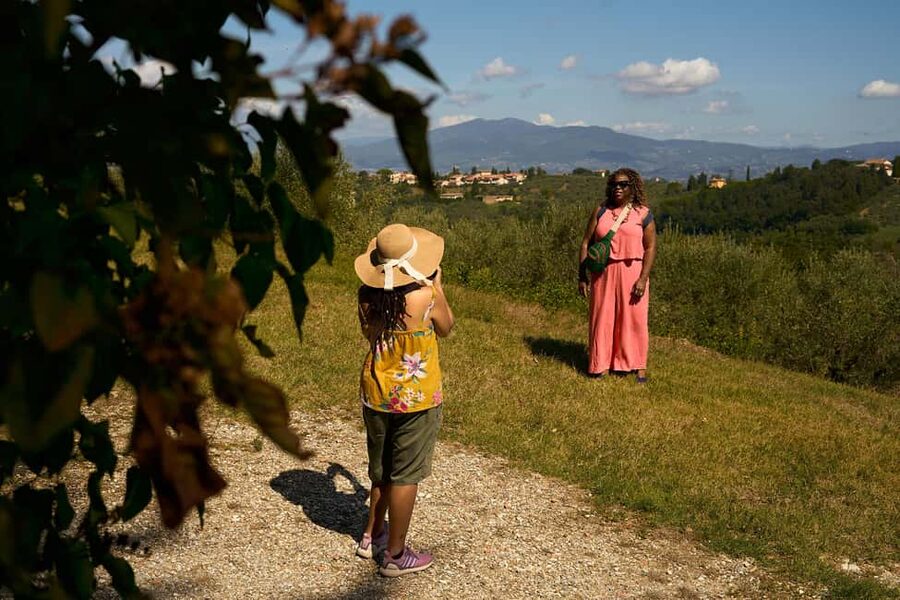
The third estate provides a useful contrast to both the large producer and the castle property. At a boutique winery, the focus is more personal and often closer to the producer’s own style. You taste its wines with the Tuscan food and have another chance to ask detailed questions.
This final stop can be the most relaxed part of the day. By now, you understand the basic vocabulary: acidity, aroma, scent, flavor, grape, cellar, olive oil, and food pairing. Instead of simply receiving information, you can use it. Ask the guide to compare the wines you preferred earlier, or to explain why a certain bottle works with a particular dish.
The exact number of pours may vary. One account described 13 tastings across the three wineries, while the official description promises three wine tastings, one at each stop, with some of the best Tuscan wines and Super Tuscans. In practical terms, you should expect several samples at each estate, not merely three small glasses for the entire day.
That is generous, but it also deserves a warning. Eat the food provided, drink water when available, and pace yourself. You are tasting wine for education and pleasure, not trying to finish every pour.
What the sommelier adds to the day
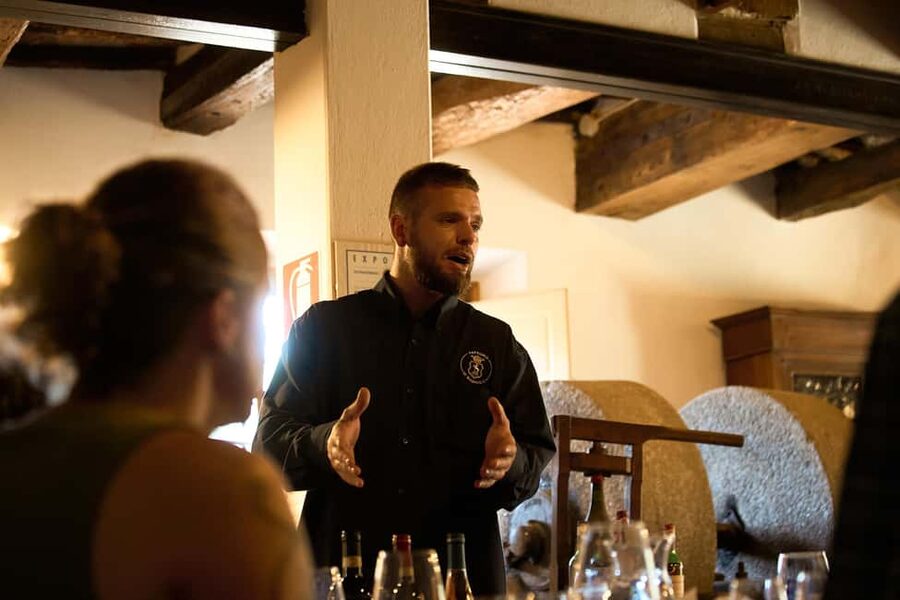
The guide is the key variable on any wine tour, and this experience puts that person at the center. The strongest guides described in the feedback were warm, flexible, and able to explain both wine and the Tuscan countryside.
Matteo, for example, was praised for discussing viticulture and the surrounding hills, while Antonella was appreciated for taking her time with questions and assisting the group. Eleanora was described as friendly, fun, and well informed about the area. These details matter because the day has several moving parts. A good guide makes the schedule feel natural rather than rushed.
The teaching also goes beyond naming wines. You learn to look for acidity, smell different aromas, identify flavors, and think about pairings. For someone new to wine, that is practical knowledge you can use later in Florence restaurants or at home.
At the same time, the experience depends partly on how much you want to participate. If you dislike wine talk or prefer to sit quietly and admire the views, the explanations may feel lengthy. If you enjoy asking questions, the small group works in your favor.
Is $237 a fair price?
At $237 per person, this is a premium half-day excursion. The price includes roundtrip transport from central Florence, a Mercedes minivan with Wi-Fi, visits to three wineries and their cellars and vineyards, a sommelier guide, multiple tastings, olive oil and local products, the Greve stop, and lunch.
Buying all those pieces separately would be difficult without a car. You would need to arrange transport between estates, find producers accepting individual visitors, manage a full day of appointments, and avoid driving after tastings. The convenience has real value.
The price makes less sense if your main goal is a scenic ride through Tuscany. You are paying for instruction, access to several estates, food, and a small group. You should book it if those details matter to you. If you only want one winery and a low-cost countryside outing, look for a simpler option.
The six-and-a-half-hour length is well judged for most people. It is long enough to reach the Chianti area and include three stops, but short enough to leave your evening open in Florence. Bad weather may require changes to the order of stops, as one guide did during heavy rain, but the day can still include the planned elements.
Who will enjoy this Chianti day trip?
I would choose this tour for:
- First-time visitors who want to see Chianti without renting a car.
- Couples looking for a social but intimate day outside Florence.
- Wine beginners who want plain explanations rather than a technical lecture.
- Food lovers who care about olive oil, cured meats, cheeses, pasta, and pairings.
- Small groups who value conversation with the guide.
- People who want three different winery settings rather than one long estate visit.
I would think twice if you do not drink alcohol, though under-18 participants receive non-alcoholic drinks under Italian law. I would also hesitate if you want a completely flexible schedule, since three wineries and lunch create a set rhythm.
Mobility needs should be discussed in advance. The supplier asks you to share special requirements or impaired mobility beforehand so suitable arrangements can be considered.
Should you book this Florence wine tour?
Book it if you want a full, well-organized introduction to Chianti Classico with food, scenery, and a guide who can explain what is in your glass. The mix of a modern winery, a castle estate, a boutique producer, and a village stop gives the day welcome variety.
The best reason to go is not simply the number of tastings. It is the chance to understand how wine, olive oil, food, land, and local history fit together. The main reason to skip it is the cost, especially if you are not very interested in wine.
For most visitors, I would consider it a strong choice for a single day outside Florence. Reserve it with enough time to reach Via dei Vagellai, tell the supplier about dietary or mobility needs, and arrive ready to taste slowly. Guides such as Carlotta, Gabriele, Antonella, and Eleanora have helped make the experience personal, but the small group and varied stops are the real safeguards against a generic bus excursion.
FAQ
Where does the tour meet in Florence?
The meeting point is Via dei Vagellai, 22 red, at the corner with Piazza Mentana, opposite the Arno River. Hotel transfers are not included.
How long does the tour last?
The experience lasts approximately 6.5 hours. Starting times vary, so you need to check availability for your date.
How many people are in the group?
The tour is limited to eight participants, making it a small-group experience.
Is lunch included?
Yes. A typical Tuscan lunch is included at one of the wineries, along with wine. The meal described includes cured meats, cheeses, pasta, and lemon sorbet.
Are wine tastings included?
Yes. Tastings are included at all three wineries, along with olive oil and typical Tuscan products. The tour can include several pours across the three estates.
Can people under 18 join the tour?
Yes, but Italian law prohibits serving alcohol to anyone under 18. Children under 18 receive non-alcoholic beverages instead.
Newly added around Florence
- Wine Tasting Experience with Three Types of Tuscan Wine★ 4.9 · 47 reviews
- Florence: Art of Pasta Cooking Workshop with Food and Wine★ 5.0 · 69 reviews
- SMALL GROUP Tuscany Wine Tasting Safaris with Lunch / Dinner★ 4.9 · 321 reviews
- Wine Tasting Experience with Seven Types of Tuscan Wine★ 4.9 · 30 reviews
- Florence/Badesse: Tuscany Group Vespa Tour with Wine Tasting★ 4.4 · 56 reviews
- Florence: San Gimignano & Volterra Day Trip with Food & Wine★ 4.7 · 57 reviews
- ROMANTIC WINE TOUR FOR 2 – Wine Tour in Chianti (Tuscany)★ 5.0 · 27 reviews
- Private Flavors of Florence Walking Tour(Food&Wine Included)★ 4.8 · 46 reviews
Chianti Wine Tours, compared.
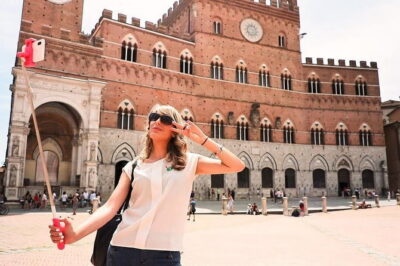
San Gimignano, Siena, Monteriggioni, Chianti Day Trip with Lunch & Wine Tasting
Read our review →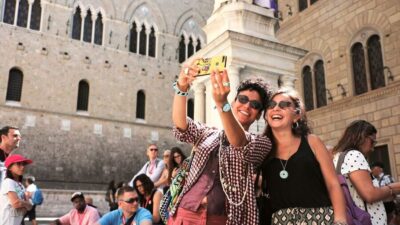
Pisa, Siena, S. Gimignano, Chianti Wine & Lunch
Read our review →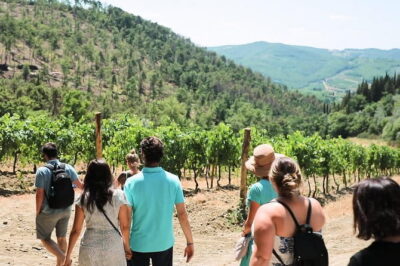
S. Gimignano, Siena, Chianti Wine Tasting & Lunch
Read our review →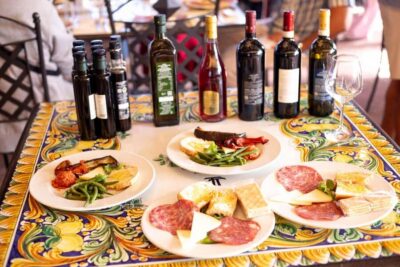
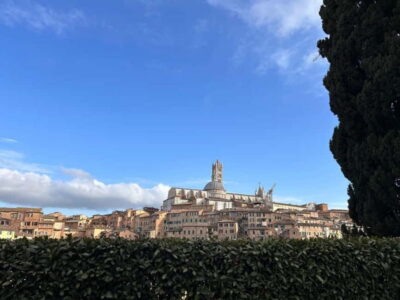
Siena, San Gimignano and Chianti Wines Day Tour from Florence
Read our review →Browse the lists this tour appears in