
REVIEW · SOMMELIER-LED TASTINGS
Paris: French Wine Tasting Class with Sommelier
Paris has a cellar for that. This two-hour class near the Louvre combines six French wines with clear lessons on tasting, labels, terroir, and appellation. I like the atmospheric 17th-century setting and the practical focus, especially learning how to order French wine with more confidence. The main caution is that the class can feel crowded or noisy when attendance is high.
The $88 price is fair for a guided Champagne and wine tasting in central Paris, especially if you value instruction as much as the drinks. I also like that the sommelier keeps the tone social rather than stiff. Cheese or charcuterie costs an extra €15, and the cheese platter appears to be the stronger choice.
Key points at a glance
- A 5pm start near the Louvre: The cellar at 68 Rue Jean-Jacques Rousseau is about a six-minute walk from the Louvre, making this an easy pre-dinner activity.
- Six wines, six French regions: You taste one Champagne and five other French wines while learning about grapes, styles, and regional differences.
- Useful label lessons: The sommelier explains French appellations, terroir, grape varieties, and the clues printed on wine and Champagne bottles.
- Friendly, English-language teaching: Guides such as Laury, Felicity, Paul, Clement, Lily, and Jasmina have been praised for mixing humor with clear explanations.
- Optional food pairing: Bread and water are included. Cheese or charcuterie can be added for €15, with the cheese plate often the better pick.
- A social group setting: The atmosphere is relaxed, though a large group or side conversations can make it harder to hear every explanation.
A 17th-century cellar six minutes from the Louvre
The meeting point is 68 Rue Jean-Jacques Rousseau in Paris’s 1st arrondissement. From Louvre-Rivoli on Metro Line 1 or Étienne Marcel on Line 4, you have roughly a six-minute walk. This is a handy location if you are already near the Louvre, the Palais Royal, or the central shopping streets.
The class begins at 5pm and finishes around 7pm. That timing works well. You can spend the afternoon sightseeing, learn about French wine before dinner, then walk to a nearby restaurant with a little more confidence about what to order.
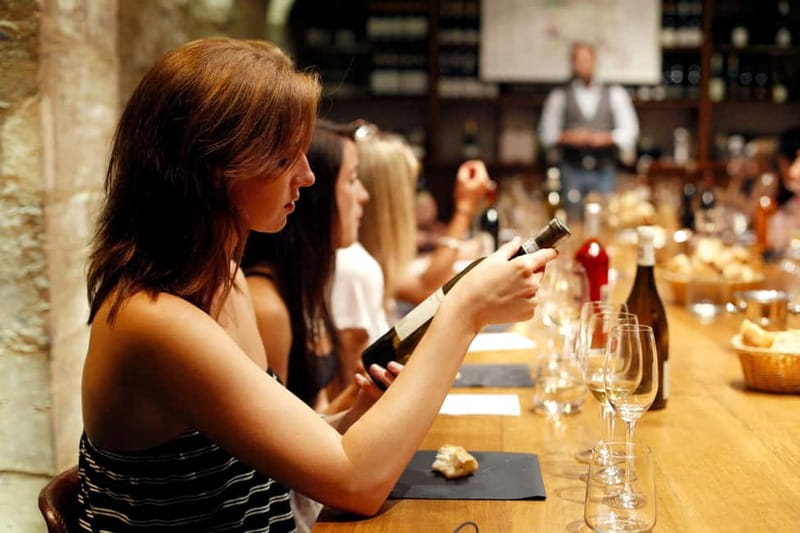
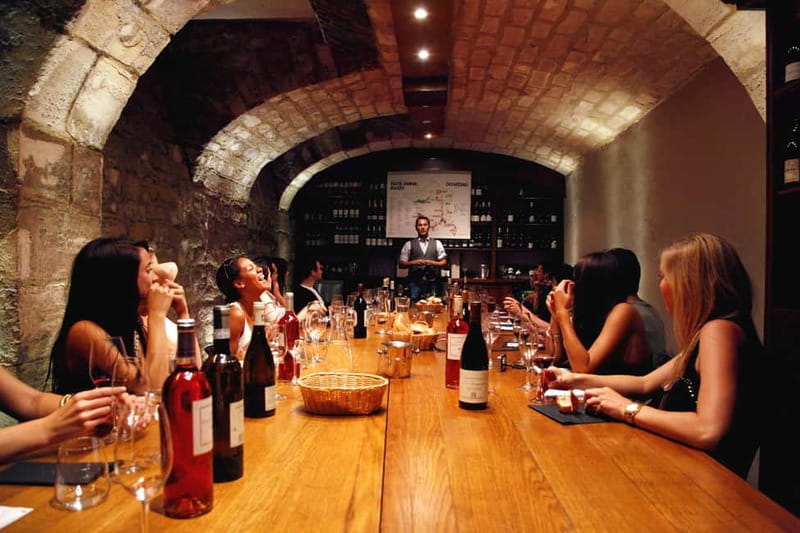
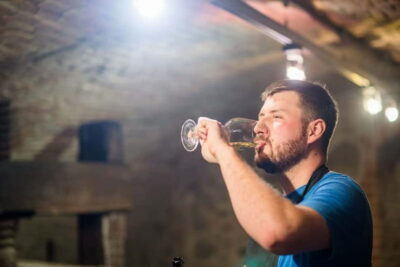
The cellar setting gives the class more character than a standard wine bar. You sit at a large table with glasses, bread, and still water in front of you. The room is designed for a group lesson, not a private tasting, so expect a social atmosphere rather than quiet one-on-one coaching.
The cellar can become warm, particularly in summer. I would wear comfortable, light clothing and avoid treating this as a formal dress-up occasion. You will be sitting, listening, smelling, sipping, and talking for two hours.
More Wine Tastings in France
- Montmartre Hill French Gourmet Food and Wine Tasting Walking Tour
★ 5.0 · 2,588 reviews - From Paris: Loire Valley Castles Day Trip With Wine Tasting
★ 4.6 · 1,727 reviews - Paris: Les Caves du Louvre Guided Tour with Wine Tastings
★ 4.7 · 932 reviews
What happens during the six-wine tasting
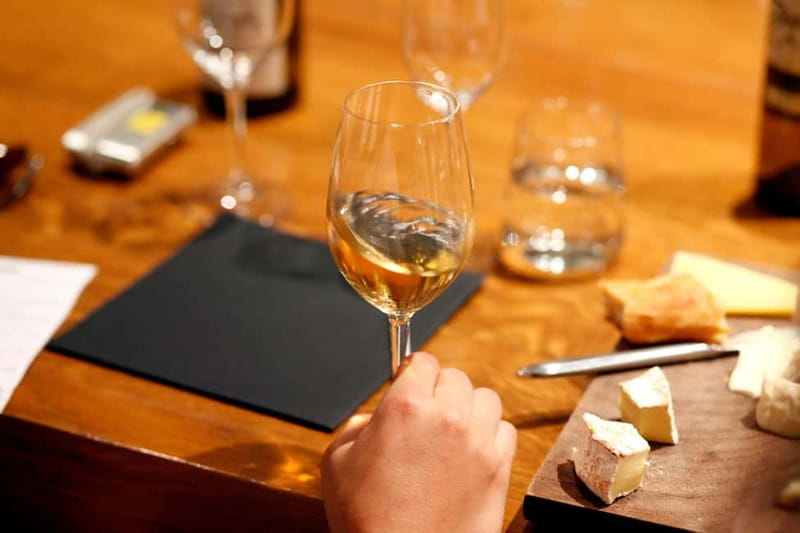
The class starts with an introduction to how to taste wine. You learn to look at its color, smell it, swirl the glass, smell it again, and then take a sip. This sounds simple, but the structure helps beginners slow down and notice more than simply sweet, dry, or strong.
The sommelier guides you through the main stages of tasting and explains what you might detect in the glass. The point is not to turn you into a professional in two hours. It is to give you a usable method for making sense of a wine and describing what you like.
One of the six samples is Champagne. The class explains how Champagne is made, which gives the first glass a purpose beyond being a festive opening drink. You learn why sparkling wine has bubbles, how production affects style, and how Champagne fits into the broader French wine system.
The other five samples come from five French regions. The exact wines can vary, so you should not book expecting a fixed bottle list. The useful part is the comparison. You taste wines made from different grapes in different parts of France, then connect flavor and structure to place and production.
The sommelier discusses the grapes grown in each region and the styles commonly associated with them. This helps you understand why a French wine label may emphasize a village, appellation, or region instead of putting the grape variety in large letters on the front.
The pace is deliberately educational. You are not rushed from glass to glass. One participant described taking time with each wine, which is important for a class like this. If the group is engaged, questions can lead into food pairing, wine trends, restaurant ordering, or regional traditions.
Terroir and appellation without the usual confusion
Two French wine terms come up quickly: terroir and appellation. The class explains them in plain language rather than leaving you to decode them later from a wine book.
Terroir refers to the way place affects wine. Soil, climate, slope, weather, farming, and local methods all contribute to a wine’s character. You do not need to memorize every factor to benefit from the idea. The tasting gives you a chance to compare wines and consider how location shapes what is in your glass.
An appellation is a defined wine-producing area with rules about what can be grown and how wine can be made. This matters because French labels often tell you where the wine comes from before they tell you the grape. Once you understand that system, a French wine menu becomes less mysterious.
This is one of the strongest parts of the class for anyone used to wines from places where grape names are front and center. You learn to look at the bottle differently and ask better questions. Several participants who were more familiar with California or Italian wine found the French labeling system much easier after the session.
How to read a French wine and Champagne label
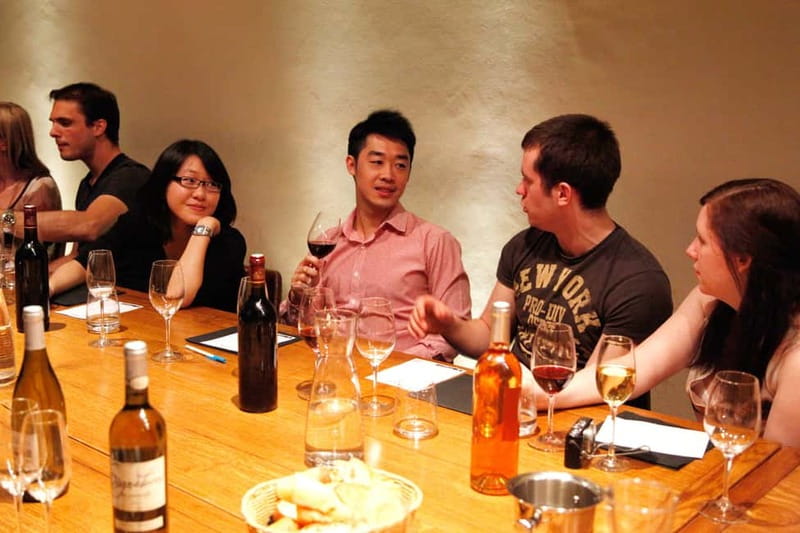
The label lesson is practical, not merely academic. You learn what to look for on a French bottle and how the wording can help you understand its origin and style.
The sommelier explains appellation terms and regional names, along with the relationship between grape, place, and producer. This can help you avoid the common mistake of assuming that a region is simply another name for a grape.
You also get guidance on reading Champagne labels. That is useful because Champagne bottles contain information about production and style that can affect what you taste. If you plan to buy a bottle during your trip, ask the sommelier for help. The wines sampled in class are available to purchase, along with a wider selection.
This buying opportunity adds value, but you should not feel pushed into it. The class is useful even if you leave with only notes and a better idea of what you enjoy. If you do buy something, write down the name of the wine or take a photo of the label before you leave.
More Wine Tastings in Paris
- Paris Le Marais District Original Food and Wine Tasting Tour
★ 4.5 · 880 reviews - Cheese & Wine Tasting in Montmartre with Local Cheesemonger
★ 5.0 · 470 reviews - Paris Art of Pairing Cheese and Wine Tasting in a Cheese Cellar
★ 5.0 · 386 reviews - Paris: Wine Tasting Experience with 6 Wines and Cheese Board
★ 4.9 · 80 reviews
Food pairing with bread, cheese, and charcuterie
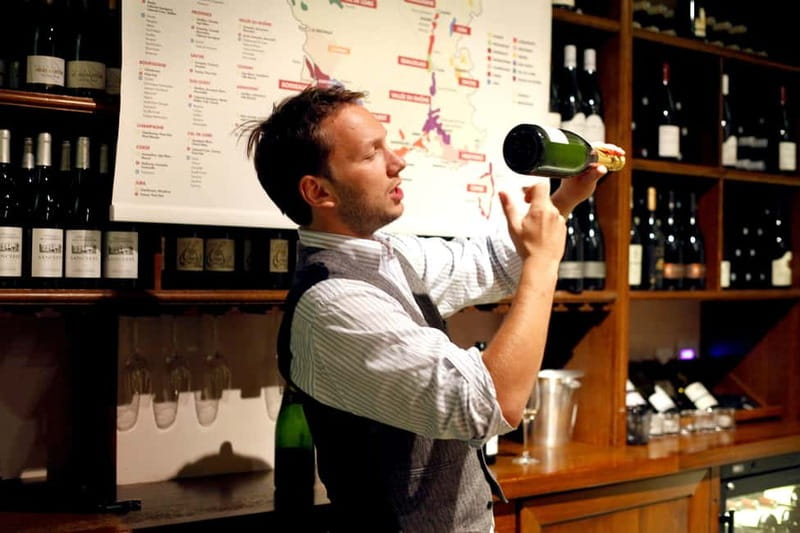
Bread is included, along with still water. The bread gives you something to eat between samples and helps keep the session comfortable, but it is not a full meal.
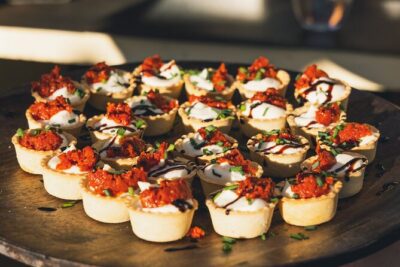
You can add a cheese or charcuterie platter for €15 on site. For most people, I would choose the cheese option. It gives you a clearer chance to compare how salt, fat, creaminess, and texture change the wine.
Food pairing is treated as part of the lesson rather than decoration. You learn why a wine may seem sharper with one food and rounder with another. You also get practical ideas for ordering at a Paris restaurant or assembling a simple wine-and-cheese evening later in your trip.
The add-on is especially sensible if you are using the class as a pre-dinner event and want something more substantial than bread. If you have an early dinner reservation, though, you may prefer to skip it and keep the experience focused on the wine.
The sommelier makes or breaks the evening
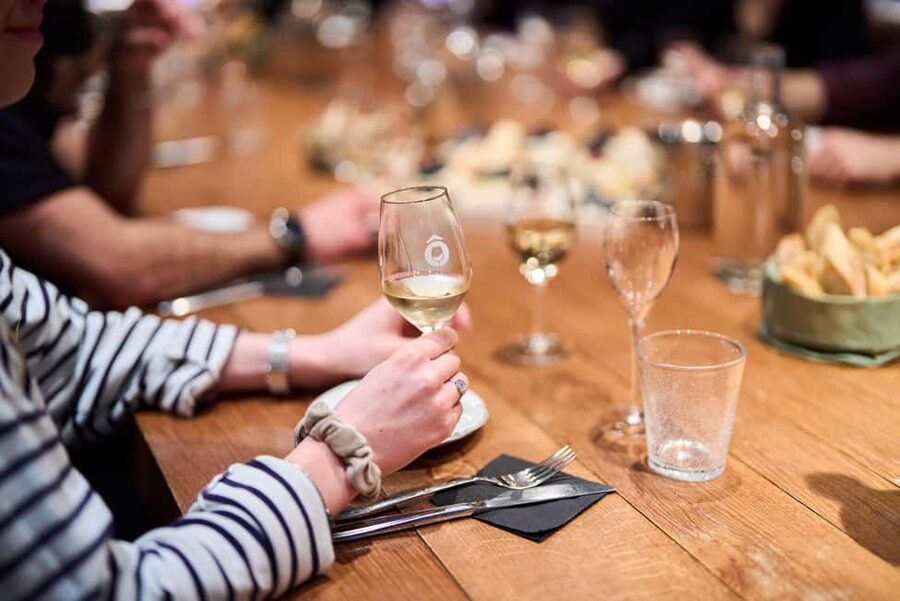
The strongest feature of this experience is the guide. The wines matter, but the quality of the explanation determines how much you take away.
Past sessions have included sommeliers such as Laury, Felicity, Paul, Clement, Lily, Jasmina, Kim, Pierre, Preston, Charlotte, and Gerard. The consistent pattern is a guide who knows the subject well, answers questions clearly, and keeps the mood relaxed.
Clement has been praised for making technical points easy to understand. Felicity was noted for helping beginners feel at ease. Paul has been singled out for a fun, informative presentation, while Lily received praise for both the wine and cheese pairing. Laury was described as striking a good balance between humor and instruction.
The teaching style is interactive. You can ask how Champagne is made, where grape varieties grow, what tannins are, how wine trends are changing, or which wines work with particular foods. This makes the class useful for beginners and still worthwhile for someone who has attended tastings before.
Do not expect a formal certification course. You will not cover every French region or become an expert in two hours. You will, however, leave with a basic tasting method, a better vocabulary, and more confidence when facing a French wine list.
Group size, sound, and the social side
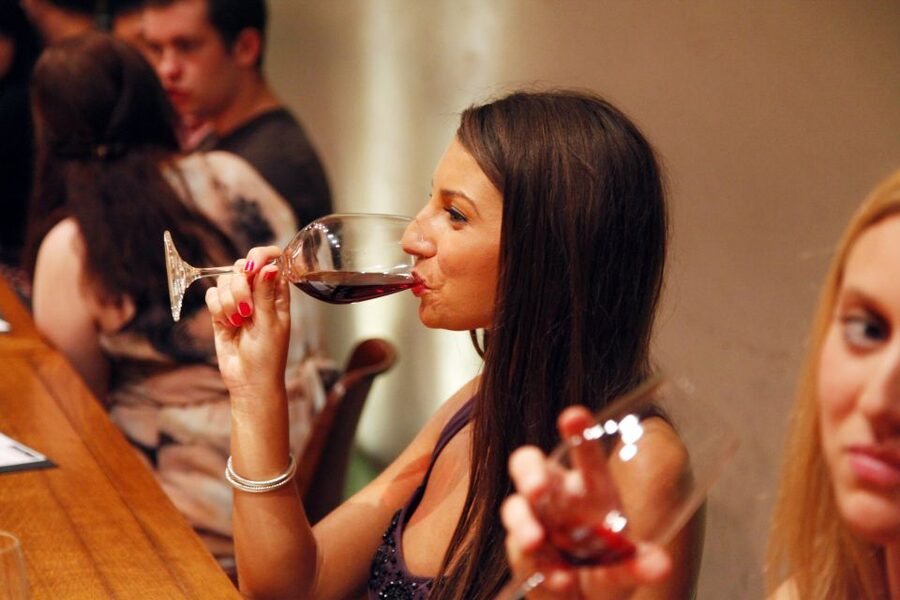
This is a group activity, and that affects the experience. Some sessions have had around 25 people. A full room can be lively and friendly, but it also means people at the back may have trouble hearing or may hesitate to ask questions.
Side conversations have occasionally distracted from the presentation. That is not a problem unique to this class, but it matters when the sommelier is explaining subtle differences between wines. If you are sensitive to noise, try to sit close to the guide and arrive in time to choose a good position.
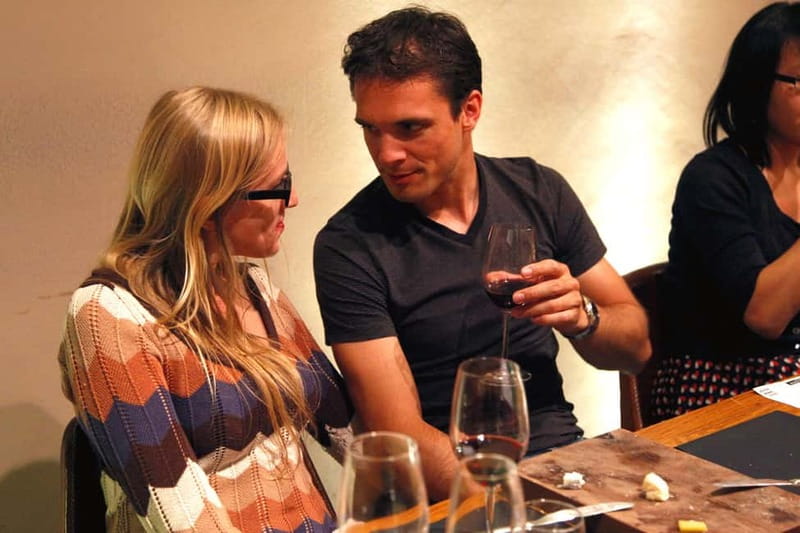
The social side is also part of the appeal. You can chat with people from different countries, compare reactions to the wines, and feel less self-conscious about asking basic questions. The sommelier sets the tone, and the best sessions sound more like a lively conversation than a lecture.
The class suits couples, friends, families with adult children, and solo visitors who enjoy meeting people. It also works for a first wine tasting because the atmosphere is friendly and nonjudgmental.
Is $88 a fair price in Paris?
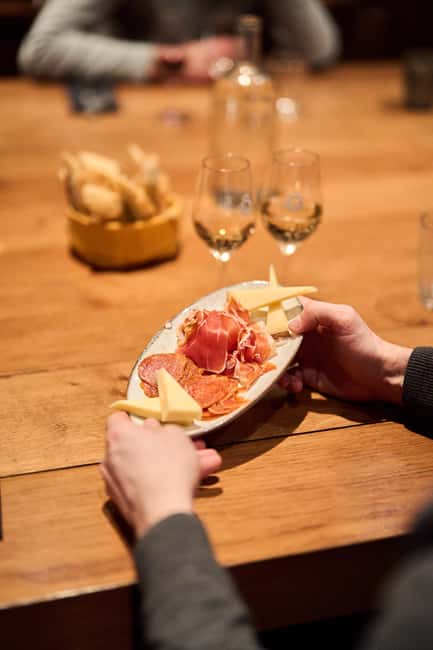
At $88 per person, this is not a cheap way to drink wine. You could buy several bottles for less. But that comparison misses the main point. You are paying for six samples, a central location, the cellar setting, two hours of instruction, and the chance to ask a sommelier direct questions.
The value is strongest if you are new to French wine or want help choosing bottles during your trip. The class can save you from ordering blindly at restaurants or buying a bottle based only on a familiar-sounding name.
The value is less clear if you already know French regions, understand appellations, and mainly want premium wines. One participant found the wines decent rather than exceptional. That is a fair expectation to set: this is an educational tasting, not a rare-vintage showcase.
The included Champagne and five wines make the base price reasonable for central Paris, particularly when the guide is strong. Add the €15 cheese platter if you want food pairing to be a major part of the evening, but remember that it is not included in the basic price.
Practical advice before you book
Book this early in your Paris stay if you can. The information about labels, grapes, and ordering can improve the rest of your meals and wine purchases.
Arrive with a few questions. Ask about a region you plan to visit, a grape you already like, or what to order with a favorite French dish. You will get more from the class if you treat it as a conversation rather than simply waiting for the next pour.
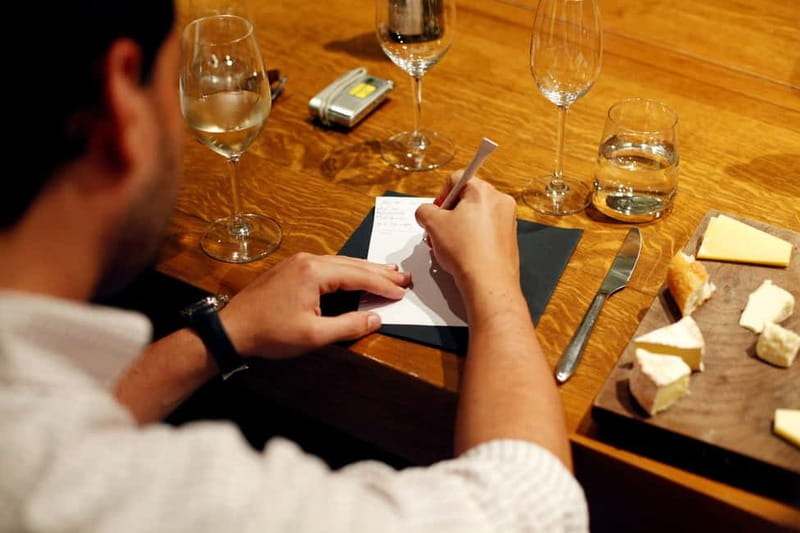
Bring a phone or small notebook for names and terms. You may want to remember a particular appellation or bottle after tasting six different wines.
Keep your evening plans flexible after 7pm. The tasting includes six wines, and the amount consumed can leave you pleasantly light-headed. Water is provided, but do not plan a demanding activity immediately afterward.
Free cancellation is available up to 24 hours before the class for a full refund, and you can reserve now while paying later. English is the stated tour language.
Who should book this Paris wine class?
You should book it if you want an approachable introduction to French wine, especially if terms such as terroir, appellation, tannins, and Champagne production still feel unclear.
It is also a good choice for a couple looking for a relaxed evening activity, a family with adult children, or anyone who wants a useful pre-dinner experience near the Louvre. The class is friendly enough for beginners and detailed enough to give repeat wine tasters a few new ideas.
I would skip it if you want an intimate private tasting, a full meal, or a parade of rare and expensive bottles. The group can be large, the room can get warm, and the optional food costs extra.
For most visitors, the best reason to book is not simply the six glasses. It is the confidence you gain afterward. You will know how to examine a French label, ask a sommelier a sensible question, and choose wine with more than guesswork. For an evening in central Paris, that is a useful souvenir.
FAQ
Where does the French wine tasting take place?
It takes place at 68 Rue Jean-Jacques Rousseau in Paris’s 1st arrondissement, in a 17th-century wine cellar.
How close is the cellar to the Louvre?
The meeting point is about a six-minute walk from the Louvre.
Which Metro stations are nearby?
You can use Louvre-Rivoli on Line 1 or Étienne Marcel on Line 4.
How long does the experience last?
The class lasts two hours, starting at 5pm and finishing around 7pm.
What language is the class conducted in?
The live tour guide and presentation are in English.
How many wines do you taste?
You taste six French wines in total: one Champagne and five other wines from five French regions.
Is food included?
Bread and still water are included. Cheese or charcuterie can be added for €15 on site.
What will the sommelier teach?
The class covers wine tasting, Champagne production, French regions, grape varieties, terroir, appellation, French wine labels, and food pairing.
Can I buy the wines after the class?
Yes. The wines tasted during the class are available to buy, along with additional wines. You can ask the sommelier for help.
Can I cancel the booking?
You can cancel up to 24 hours in advance for a full refund. Reserve now and pay later is also available.
More Workshops in Paris
- Paris: Cheese and Wine Class in a 17th Century Cellar
★ 4.8 · 91 reviews - Florence: Pasta Cooking Class with Unlimited Wine
★ 4.9 · 10,285 reviews - Florence: Pasta & Tiramisu Cooking Class with Unlimited Wine
★ 4.9 · 6,708 reviews - Florence: Pasta Cooking Class with Unlimited Wine
★ 5.0 · 6,413 reviews
More Sommelier-Led Tastings in Paris
- Paris: Wine and Cheese Tasting with a Chef Sommelier
★ 4.7 · 277 reviews - Paris: Champagne Cellars Tour and Tastings with a Sommelier
★ 4.9 · 74 reviews - Private Wine Tour with Wine Expert to Stellenbosch-Franschhoek Wine Regions
★ 5.0 · 693 reviews - Porto: Douro Valley Wine Tour with a Sommelier & Boat Trip
★ 5.0 · 463 reviews
Newly added around Paris
- Top Private Cruises in Paris with Champagne + more surprises★ 5.0 · 309 reviews
- The Official Emily in Paris Champagne Seine Cruise★ 4.9 · 27 reviews
- Private tour of Paris by Night with Champagne★ 4.7 · 323 reviews
- Paris: Wine and Cheese Tasting with a Chef Sommelier★ 4.7 · 277 reviews
- Paris: Wine and Cheese Tasting★ 4.6 · 91 reviews
- Paris: Wine Tasting Experience with 6 Wines and Cheese Board★ 4.9 · 80 reviews
- Paris: The Ultimate Wine and Cheese Tasting in English★ 5.0 · 33 reviews
- Paris: The Ultimate Wine Tour of Montmartre – 7 Guests max★ 5.0 · 28 reviews
Sommelier-Led Tastings, compared.
Private Wine Tour with Wine Expert to Stellenbosch-Franschhoek Wine Regions
Read our review →
Douro Valley Wine Tour with a Sommelier & Boat Trip
Read our review →
Sommelier-Led Food & Wine Experience in Barcelona
Read our review →
Wine Tasting with a Sommelier under the Acropolis
Read our review →
Rome Pantheon: Fine Food & Wine Pairing Dinner with Sommelier
Read our review →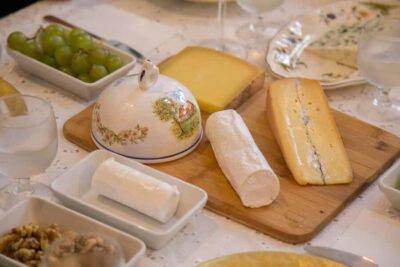
Wine Tasting Experience with a Professional Sommelier in Valencia City Center
Read our review →Browse the lists this tour appears in