
REVIEW · SOMMELIER-LED TASTINGS
Wine Tasting Experience with a Professional Sommelier in Valencia City Center
Spanish wine gets a proper two-hour introduction here. In Valencia’s L’Eixample district, sommelier Tristan Van Doorn leads a tasting of five artisanal Spanish wines, with tapas and petit fours along the way. I like the central location and the clear regional comparisons, especially for anyone still finding their way around Spanish wine.
I also like that Tristan has worked in Michelin restaurants across Europe and teaches rather than simply pours. The main caution is value: at $75.01, the experience depends heavily on the quality of the presentation, and the food portions may feel light for the price.
Key points at a glance
- Five Spanish wines: Expect a guided tasting of three white wines and two reds, based on one described session, with discussion of regional differences and wine quality.
- Hosted by Tristan Van Doorn: The sommelier has worked in Michelin restaurants in Europe and leads the evening in English.
- Central Valencia setting: The meeting point is at Carrer de Martí, 17, in L’Eixample, close to public transportation.
- Tapas and sweets included: Spanish snacks, small canapés, a later board with fuet, cheese, and olives, plus petit fours are part of the experience.
- Good for solo visitors: Seating can bring together people who arrive alone, couples, and small groups.
- Check the group size: The advertised maximum is 25 people, though one experience was described as much more crowded, which made it hard to hear.
Five Spanish wines in the heart of Valencia
This is a compact wine lesson rather than a winery visit. You meet at Carrer de Martí, 17, in Valencia’s L’Eixample at 6:00 pm, then settle in at a wine venue in the city center.
The location matters. You do not need to spend half a day reaching a vineyard outside Valencia, and the evening fits neatly into a city break. After the tasting, you are already in an urban district with restaurants, bars, and public transport nearby. The experience ends where it begins, so there is no complicated return transfer.
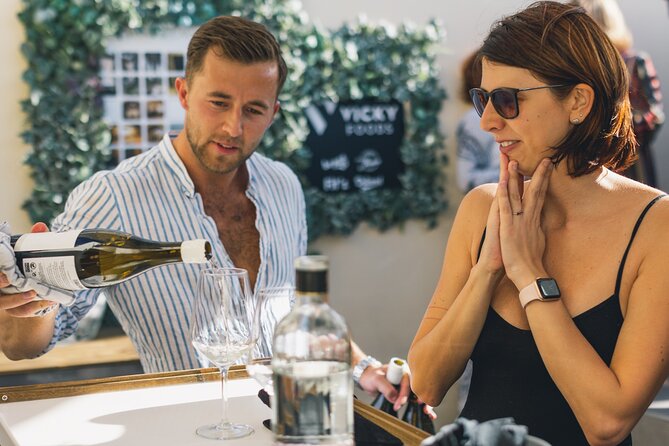
The tasting includes at least five artisanal Spanish wines. One described lineup included three whites and two reds, giving you a useful contrast in style and structure. The exact bottles may vary, but the central idea is consistent: compare wines from different Spanish regions and learn why they taste different.
That regional approach is the strongest reason to book. Spain is not one single wine style. A cool-climate white, a fuller red, and a lighter regional wine can all sit under the broad Spanish label while tasting completely different. Tristan’s role is to explain those differences in plain terms, rather than leave you staring at five glasses and guessing.
More Wine Tastings in Spain
- Montserrat & Cogwheel Train, Gourmet Wine Tasting & Tapas/Lunch
★ 5.0 · 6,290 reviews - Madrid Tapas & Wine Tasting Walking Tour – Small Group Local Bars
★ 5.0 · 3,644 reviews - Toledo Tour & Vineyard Walk with Wine Tasting from Madrid
★ 5.0 · 2,546 reviews
Tristan Van Doorn’s teaching style
The experience is hosted by Tristan Van Doorn, an international sommelier who has worked in some of Europe’s best Michelin restaurants. The description also presents him as a 3 Michelin Star Sommelier, so this is aimed at people who want more than a casual bar tasting.
You do not need prior wine knowledge. The format is suitable for a first tasting because Tristan explains how quality is judged and how one region differs from another. If you already know Spanish wine, the value lies more in the bottle selection and the chance to ask questions than in learning basic tasting terms.
The most useful part of a sommelier-led evening is the connection between what is in your glass and what you are eating. A wine can seem sharp, soft, heavy, dry, fruity, or earthy on its own. With an explanation of its region and style, those impressions become easier to understand and remember.
The atmosphere also appears to be social. People who arrive alone may be seated with other solo visitors or small groups. That makes this a practical choice if you want an evening activity that offers some conversation without requiring you to join a large city tour.
The opening aperitif and the first taste
You begin with an aperitif, described as a glass of cava. It is a pleasant way to get the evening moving, especially if you have spent the afternoon walking Valencia’s streets and want a quiet seat.
There is one technical point for serious wine drinkers. The cava may be served in the same style of glass used for the still wines. Anyone who cares about glass shape and sparkling wine presentation may find this less polished than expected from a professional tasting.
That detail will not matter much to a beginner, but it can affect how you judge the $75.01 price. The experience promises a high-end feel, so small service choices carry more weight than they would at an ordinary wine bar.
After the aperitif, the five-wine tasting begins. The evening lasts about two hours, giving Tristan time to discuss each bottle instead of rushing through a sequence of quick samples. You should expect the pace to be social and instructional, not a rapid round of pours.
What the wine sequence teaches you
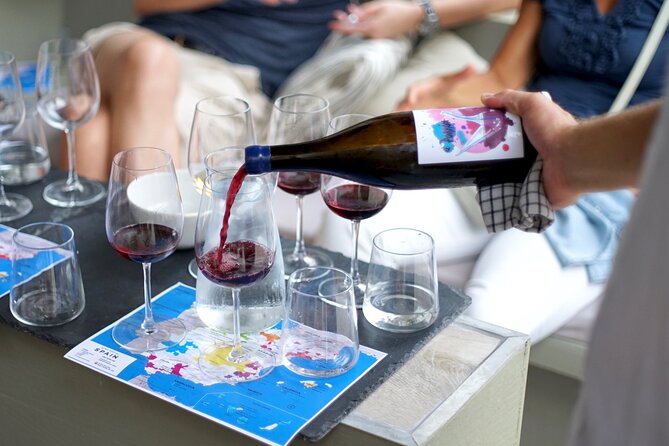
A tasting of three whites and two reds offers a simple structure. You can compare the wines by color, aroma, acidity, body, and finish, then connect those sensations to the regions and grape varieties discussed.
The point is not to memorize every name. I would focus on the practical lessons: Which Spanish whites do you like? Do you prefer lighter reds or fuller ones? Can you tell when a wine has more acidity or more body? Those answers will help when you order wine elsewhere in Spain.
The wines are described as artisanal and carefully selected. The strongest praise for the event centers on the bottles themselves, with the selection described as terrific and varied. That is important because the wine is the core of the experience, while the food is more of an accompaniment.
You also get an explanation of how wine quality is determined. That can mean looking at balance, concentration, structure, freshness, and finish, although the exact teaching points will depend on Tristan’s presentation that evening. For a first tasting, this kind of framework is more useful than a long list of technical terms.
More Sommelier-Led Tastings in Spain:
- Sommelier-Led Food & Wine Experience in Barcelona
★ 5.0 · 357 reviews - Barcelona Fun Wine Tasting with a Sommelier
★ 5.0 · 89 reviews - Rioja & Txakoli Wine Tasting in Bilbao with a Local Sommelier
★ 5.0 · 40 reviews - Unique Spanish Wine Tasting with Sommelier – In Bilbao
★ 4.9 · 39 reviews
Tapas, snacks, and the reality of the food
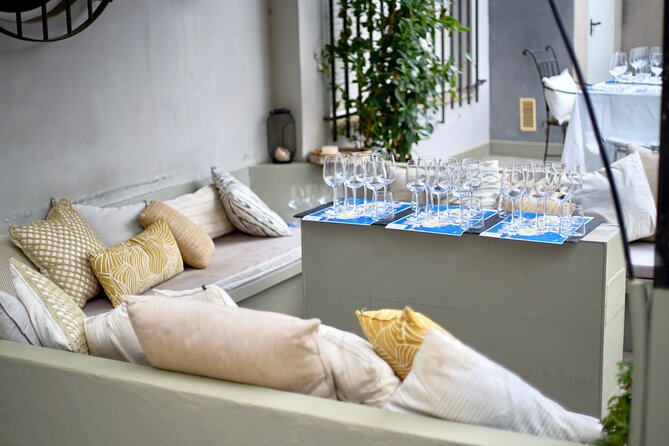
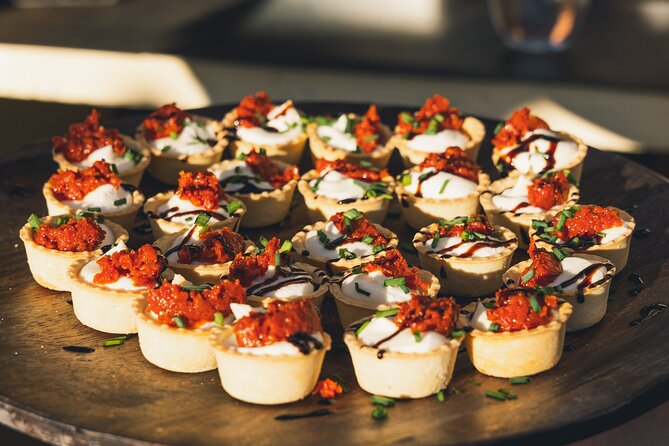
Food is included, but you should think of it as tasting accompaniment rather than dinner. The planned menu includes various Spanish snacks and high-end petit fours.
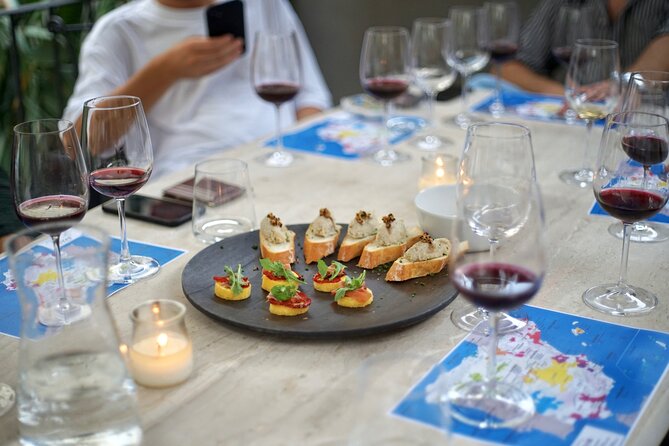
The food described during one session included two small canapés, one based on cheese and cranberry and another involving bread and pâté. A board with fuet, cheese, and olives was also served for a table of seven. The petit fours were described as including sardine paste on white bread and a whipped Gorgonzola-style preparation with fig.
That menu may appeal to adventurous eaters who like savory Spanish flavors. It may disappoint you if you read high-end petit fours and expect a generous spread of polished pastries or substantial tapas. The food is meant to support the wine, not replace an evening meal.
I recommend eating a light meal beforehand if you are hungry. That way, you can concentrate on the tasting without expecting the included snacks to carry you through the night. The strongest value comes from the wine instruction, not from the quantity of food.
Glassware and service details to consider
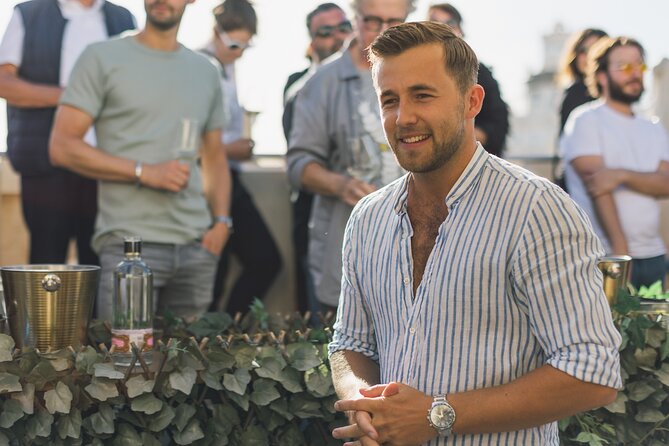
The experience appears to use two glasses per person during the tasting. For a casual introduction, that may be enough. You can taste, compare, and continue without a crowded table of stemware.
For a serious tasting, two glasses create a limitation. If you still have wine from one pour when the next arrives, the flavors can mix. A careful taster may want to finish or discard the first wine before moving on, but that can make side-by-side comparisons harder.
This is one of those details that separates a professional-level tasting from a good public wine event. Tristan’s background may be highly polished, but the setup can still depend on the venue, the number of people, and the available table space.
The room is another variable. The advertised maximum is 25 people. One described session had around 35 people on a small terrace, creating a crowded setting where it was difficult to move or hear. I would confirm the expected group size before booking if personal attention matters to you.
How the group atmosphere affects the evening
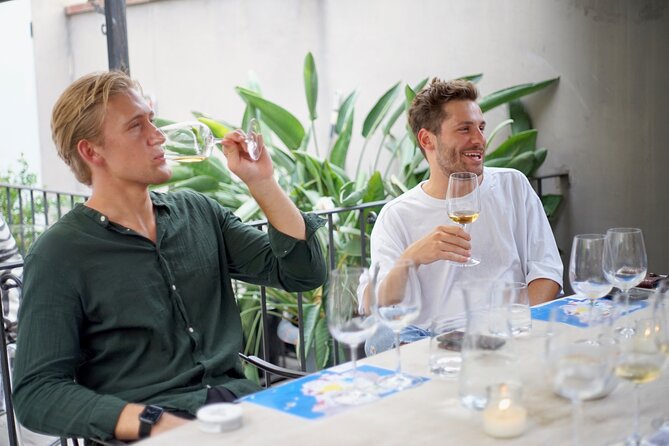
At its best, the social side is a real strength. Solo visitors can be seated with other people who came alone, along with couples or small groups. Wine gives everyone an easy subject, and the two-hour format allows conversation to develop naturally.
At its worst, a crowded room can weaken the whole lesson. You may struggle to hear Tristan, see the bottles, or ask a question if people are packed around a small table. A sommelier can give an excellent explanation, but the room still needs to let you receive it.
This is why I would treat the group size as a key booking question. The listed maximum of 25 is not especially small for an intimate tasting, and the larger account suggests that capacity may not always feel consistent. If you want a quiet, highly personal lesson, a small wine bar or private tasting may suit you better.
If you enjoy meeting people and do not mind a livelier room, the social setup could work well. It is especially useful for a solo visit to Valencia when you want an evening activity beyond eating alone.
Is $75.01 a fair price?
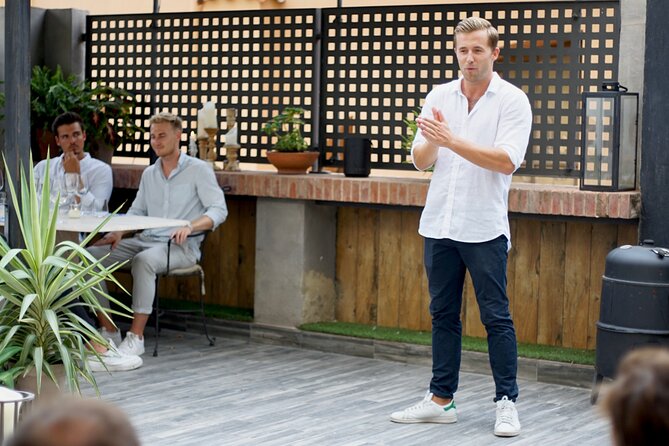
At $75.01 per person, this is not a bargain wine flight. You are paying for five wines, a professional sommelier, a central Valencia venue, an aperitif, small food pairings, and two hours of instruction.
The price can make sense if Tristan’s explanations are the main reason you are attending. A professional who can place Spanish wines in a regional and international context gives you something a standard bar tasting may not. The experience also saves you the work of choosing several bottles and trying to understand them without guidance.
The value is weaker if you expect a full meal, polished fine-dining service, or a small private group. Limited food, shared boards, basic glassware, and crowding can make the price feel high. One particularly critical account described the event as poor value despite enjoying the wines and the sommelier.
My advice is to book it for the instruction, not the snacks. If you see the food as a few bites between pours and want a structured introduction to Spanish wine, the price is easier to defend. If you mainly want to drink five good wines, you may find a wine bar more flexible and less expensive.
Practical planning for a 6:00 pm start
The meeting time is 6:00 pm, and you should arrive early. The location is near public transportation, which is the sensible choice in central Valencia.
Parking is a weak point. Finding a space near the venue can be difficult, and one account described driving around, looking farther away, and worrying about parking tickets. I would not build a tight schedule around arriving by car.
The activity is offered in English, and confirmation is provided at booking. Mobile tickets make it easy to keep the details on your phone. Service animals are allowed.
The experience requires good weather, which matters if the venue uses an outdoor terrace or another weather-sensitive area. If poor weather cancels the event, you are offered another date or a full refund. A minimum number of participants is also required, and if that minimum is not reached, you are offered another date or experience, or a full refund.
Free cancellation is available up to 24 hours before the start time. Changes or cancellations inside that 24-hour window are not accepted for a refund, so keep the local Valencia time in mind when making plans.
Who will enjoy this Valencia wine tasting
I would recommend this for a first-time Spanish wine drinker who wants a clear introduction without leaving the city center. It also suits a solo visitor who likes meeting people at a shared table, and couples who want an evening activity with more substance than a simple glass of wine.
It is a good fit if you enjoy asking questions, comparing flavors, and learning why wines from different Spanish regions do not all taste alike. You will get more from the evening if you pay attention to the explanations rather than treating it as a series of drinks.
I would be cautious if you need a quiet room, generous food, formal fine-dining service, or a private tasting. The group may feel large, and the food may be too modest for your expectations. Serious wine collectors may also want more glasses and more detailed bottle information than this public format provides.
Should you book Sommelier Tristan’s tasting?
Book it if your priority is a guided introduction to Spanish wine in a convenient Valencia location. Tristan’s Michelin background, the five-wine lineup, and the regional comparisons give the evening a stronger purpose than a routine tasting flight.
Before paying $75.01, confirm the expected group size and keep your food expectations modest. If the event is operating near its advertised maximum of 25 people, you should get a useful social tasting, but not necessarily an intimate one. If you want expert guidance and a friendly evening, it is a reasonable choice. If you want dinner, privacy, or luxury-level service, spend your money elsewhere.
FAQ
Where does the wine tasting begin?
It begins at Carrer de Martí, 17, in L’Eixample, Valencia, Spain.
What time does the experience start?
The tasting starts at 6:00 pm.
How long does the wine tasting last?
The experience lasts approximately two hours.
How many wines are included?
You taste at least five artisanal Spanish wines. One described selection included three white wines and two red wines.
Who hosts the tasting?
The host is sommelier Tristan Van Doorn, who has worked in Michelin restaurants in Europe.
Is the tasting offered in English?
Yes. The experience is offered in English.
Is food included?
Yes. The experience includes Spanish snacks, tapas-style accompaniments, and petit fours. The food is intended to complement the wine rather than serve as a full meal.
How many people can attend?
The stated maximum is 25 participants. The actual group size may vary, so confirm the capacity if a smaller setting is important to you.
Can I cancel for a refund?
Yes. You can cancel at least 24 hours before the start time for a full refund. Cancellations or changes made less than 24 hours before the start time are not refunded or accepted.
Newly added around Spain
- Visit La Joya Escondida de la Ribera del Duero Winery★ 5.0 · 43 reviews
- Full day at the winery, visit, tasting, aperitif and lunch★ 4.5 · 60 reviews
- Visit a winery of the 19th century and its draft★ 5.0 · 62 reviews
- Ribera del Duero Underground Cellar & Wine Tasting Experience★ 4.5 · 49 reviews
- Visit and Wine Tasting at the Territorio Luthier Winery★ 5.0 · 89 reviews
- Rioja wine region with visit to winery & Vitoria-Gasteiz★ 4.5 · 32 reviews
- Semi-Private Rioja Tour of 3 Premium Wineries from Bilbao★ 5.0 · 128 reviews
- Rioja & Txakoli Wine Tasting in Bilbao with a Local Sommelier★ 5.0 · 40 reviews
Sommelier-Led Tastings, compared.
Private Wine Tour with Wine Expert to Stellenbosch-Franschhoek Wine Regions
Read our review →
Douro Valley Wine Tour with a Sommelier & Boat Trip
Read our review →
Sommelier-Led Food & Wine Experience in Barcelona
Read our review →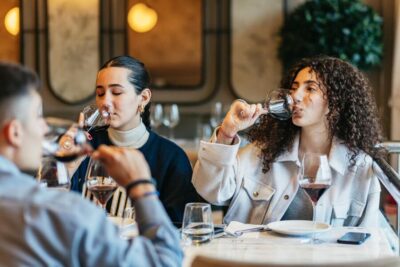
Wine Tasting with a Sommelier under the Acropolis
Read our review →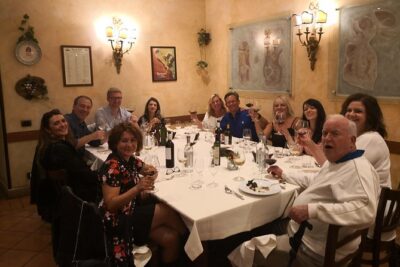
Rome Pantheon: Fine Food & Wine Pairing Dinner with Sommelier
Read our review →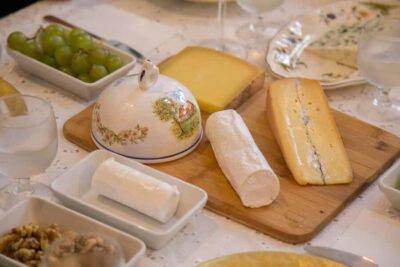
Browse the lists this tour appears in