
REVIEW · WINE CELLAR VISITS
Reil, Mosel: Guided organic wine tasting and cellar tour
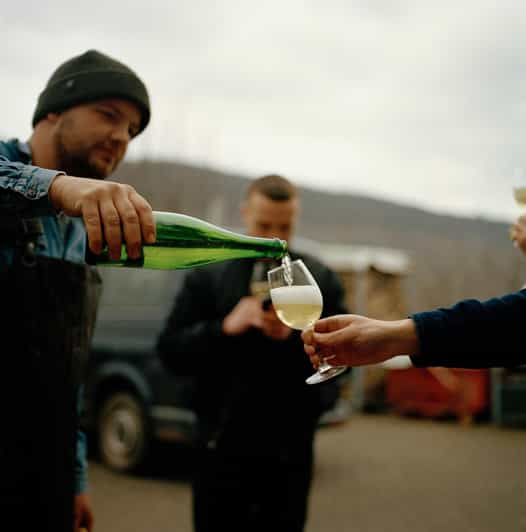
Mosel wine starts in the vineyard. This two-hour visit to Weingut Arns in Reil pairs a walk among organic vines with a close look at a working family winery, followed by four to five wines, bread, and water. I like the direct contact with the winegrowers and the chance to ask how soil, biodiversity, and sustainable farming affect what reaches your glass.
I also like the mix of old and new. You can taste still white wines, reds, and sparkling wine made by the traditional method, then see the modern cellar where the work continues. The main point to consider is that this is a focused winery visit, not a broad Mosel sightseeing tour. You get one family estate and one hour in the vineyard, so it suits you best if wine production is the main reason you are going.
Key points at a glance
- Organic farming takes center stage: Learn how biodiversity and sustainable methods fit into daily vineyard work.
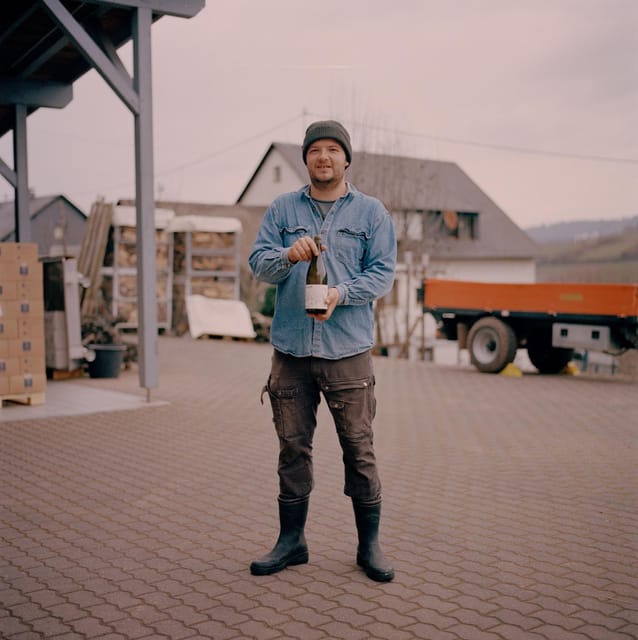
- The owners lead the visit: Alexander and his family welcome you and explain the wines in a friendly, personal way.
- The tour has a clear two-part shape: One hour in the vineyard, followed by one hour in the winery and tasting room.
- You taste more than basic whites: The selection can include reds and traditional-method sparkling wine.
- English and German are available: Alexander has switched between both languages during the same group visit.
- The price is reasonable for the time: At $29 per person, the fee includes the tour, four to five organic wines, bread, and water.
Why this Reil winery visit is different
Many Mosel wine stops focus mainly on the tasting glass. Here, the wine begins outdoors, with a guided look at organic vines and a discussion of the choices behind them. You are encouraged to think about the whole chain, from soil and plant life to cellar work and finished wine.
That makes this a good pick if you want more than a pleasant drink. You can ask what biological diversity has to do with winegrowing, how soil affects quality, and if sustainable production is workable for a family winery. Those questions give the tasting a useful frame.
The family setting matters, too. Alexander leads the experience, and the warm response to his explanations is one of its strongest points. You can expect a host who takes pride in his work and gives you room to ask questions instead of rushing through a prepared speech.
The visit is available in English and German. That is especially helpful for mixed-language groups. One group found that the guide switched easily between the two languages, keeping the discussion open to everyone.
More Organic and Biodynamic Wineries in Germany:
- Malaga Organic Vineyard and Winery Six Wines Tapas and Transfer
★ 5.0 · 356 reviews - Malaga: Organic Vineyard Tour with 6 Wines, Tapas & Transfer
★ 4.8 · 334 reviews - Wine and food tasting in an organic family winery
★ 5.0 · 170 reviews
Meeting at Kringstraße 36 in Reil
The visit begins at Kringstraße 36, at Arns Winery. The meeting point is marked by a blue flag, which gives you a simple visual sign to look for when you arrive.
The winery is in Reil, in Rhineland-Palatinate’s Mosel valley. Since the tour starts and ends at the same place, you do not need to arrange separate transport between the vineyard and cellar. The route is built around the property itself, making the two-hour schedule easy to follow.
You should allow the full two hours rather than treating this as a quick tasting. The first hour belongs to the vineyard tour, and the second hour is set aside for the wine tasting and cellar visit. Starting times vary, so check availability for the date you want.
Wheelchair access is listed for the activity. If mobility is an important concern, it is still sensible to ask about the exact vineyard route when booking, since outdoor ground can vary. The supplied details confirm accessibility but do not describe the surface or slope of every part of the walk.
One hour among the organic vines
The vineyard tour is where the visit gains its character. You see organic vines while the winegrower explains how the plants are managed and why biodiversity matters. This gives you a better way to understand organic wine than a label alone.
You can ask about the soil, too. In the Mosel, soil is not just a technical topic for professionals. It is part of the explanation for why wines from different sites can taste different. The tour connects that idea to the finished bottle, helping you pay closer attention when the tasting begins.
The discussion also looks at sustainability. The point is not simply to praise organic methods, but to consider how sustainable winegrowing works in practice. You can ask what the winery does, what effect it has on the vines, and how those choices influence wine quality.
A vineyard walk also gives you a feel for the work behind a bottle. The view over the vines was singled out as beautiful, and you should have time to stop, look around, and ask questions. This is not a drive-by view from a road. You are visiting the place where the wine begins.
The pace appears to be friendly rather than hurried. One visit was praised for leaving plenty of time for questions, while another highlighted the care taken to explain organic production. That makes the outdoor hour useful for beginners, but it should also hold the attention of wine drinkers who want a better grasp of farming.
Inside the modern cellar and family winery
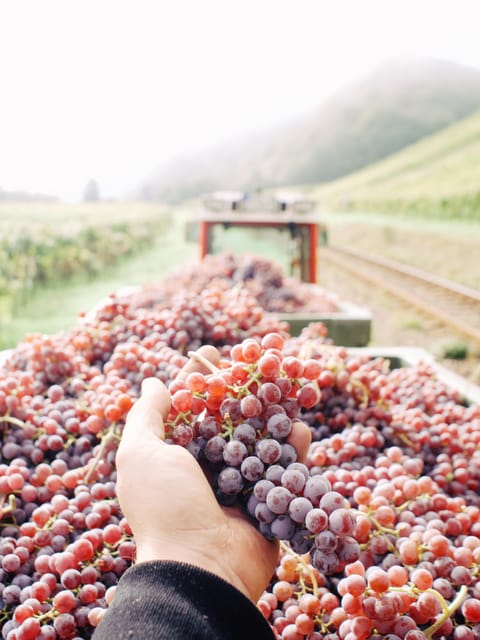
After the vineyard, the experience moves indoors for a look at the winery and cellar. You see where traditional and modern winegrowing meet. The family still presents the wines personally, while the cellar provides the practical setting for production.
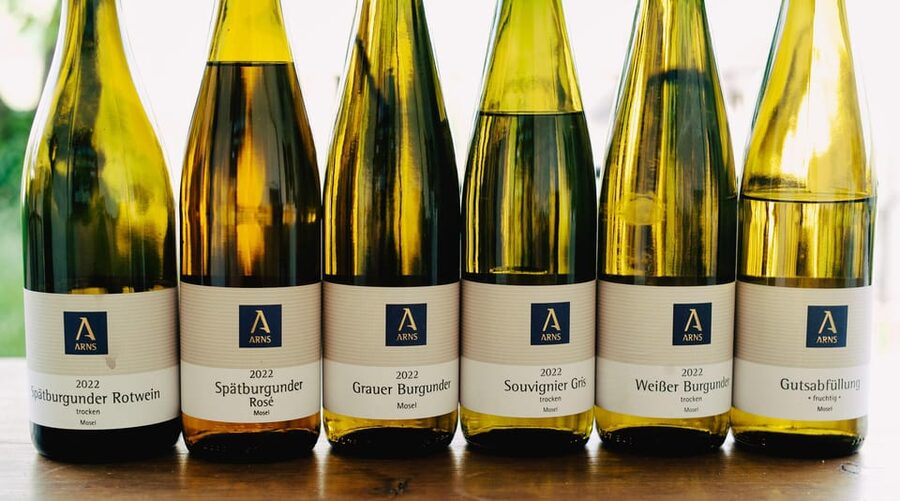
The cellar tour gives context to the tasting. Instead of hearing only about aromas and flavors, you can connect the glass to the equipment and working space around you. The winery produces still whites and reds, along with sparkling wine made by the traditional method.
That range is useful because it keeps the tasting from feeling one-note. Mosel wine is often associated with white wine, but this visit includes the chance to taste red wine as well. The sparkling wine adds another style and lets you compare how the winery handles different forms of production.
Do not expect a large commercial wine center with a long procession of rooms. This is a family winery, and that is part of the appeal. You meet the people connected to the work and hear the explanation from someone who cares about the result.
One practical benefit is that the cellar hour follows the vineyard hour in a clear order. First you learn about the vines and soil. Then you see the winery and taste the wines. By the time the glasses arrive, you have a better sense of what you are tasting.
More Wine Cellar Visits in Germany:
- Trier: Discovery Tour – Germany’s Oldest Wine Cellar
★ 4.7 · 218 reviews - Porto: Bridges Cruise & Sunset & Port Wine Cellar Option
★ 4.2 · 4,180 reviews - Porto: Cálem Cellar Tour, Interactive Museum & Wine Tasting
★ 4.5 · 4,113 reviews - Porto: Cálem Cellar Tour, Fado Show & Wine Tasting
★ 4.4 · 3,530 reviews
Tasting four to five organic wines
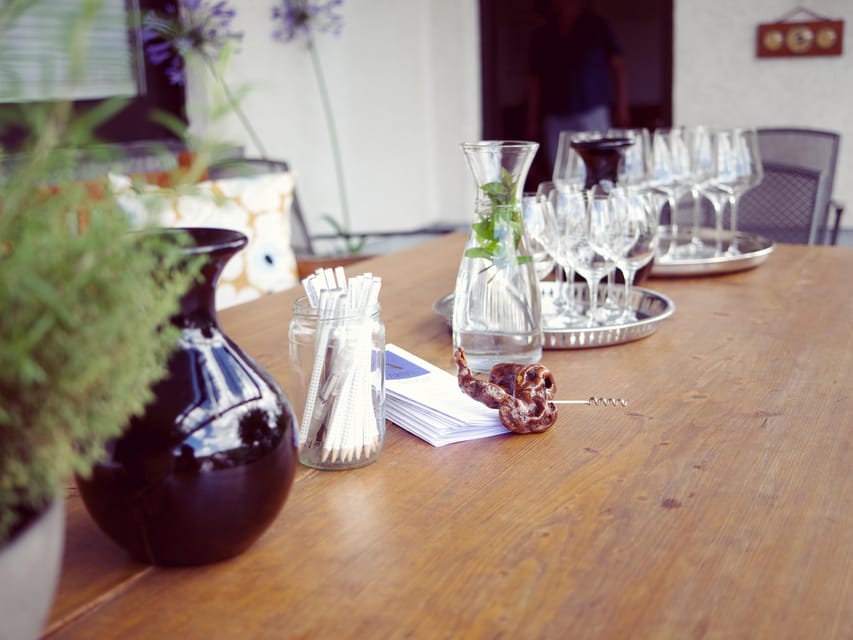
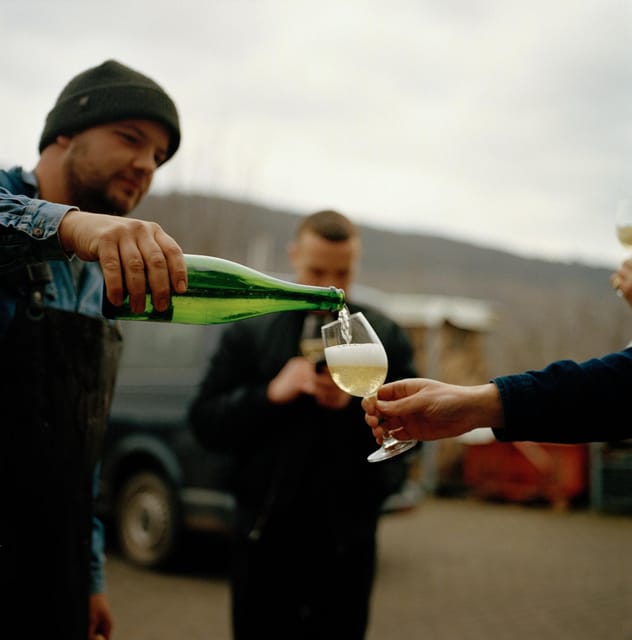
The tasting includes four to five different organic wines, with bread and water. The exact selection can include still white wine, red wine, and sparkling wine made by the traditional method.
That number is enough for a useful comparison without turning the visit into a marathon. You can notice how the wines differ in style, then return to the questions raised in the vineyard. Does the wine feel fresh or full? How does the soil discussion change your view of the glass? Does the sparkling wine show a different side of the winery?
The wines received strong praise for flavor, and one group enjoyed them enough to take four bottles home. That detail says something about the tasting’s practical value: you are not just sampling wines as a formality. You may find a bottle you want to remember after the trip.
Bread and water are included, which is a welcome touch during an hour of tasting. Still, pace yourself. Four or five wines can add up, particularly if you have other plans afterward. The experience ends back at Kringstraße 36, so you can plan your next stop without needing to find a second meeting place.
The tasting is also a good point to ask direct questions. You can ask about the organic approach, the wines you prefer, and the difference between still and sparkling production. The family format makes those questions feel natural.
Alexander and the personal welcome
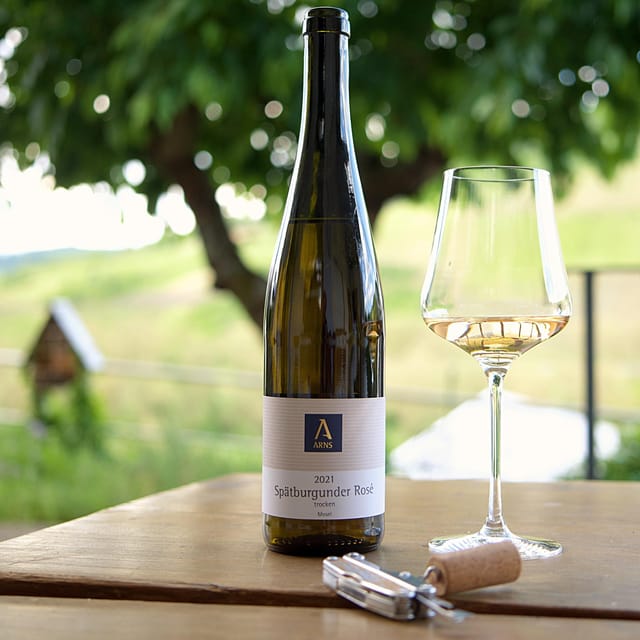
The strongest part of the experience may be the people. Alexander is described as friendly, enthusiastic, and generous with information. He explains the wines and the organic process with clear interest in the work, and that personal connection gives the visit more warmth than a standard tasting-room stop.
You can expect the tour to feel like a meeting with the winegrower rather than a lecture delivered by a distant guide. The family’s welcome was also praised, and the sense of pride in the winery comes through in the way the experience is presented.
The language setup is flexible. English and German are both offered, and Alexander has handled a mixed group by moving between the two languages. If you speak either language, you should be able to follow the main explanation and take part in questions.
A small but useful note for dog owners: one group brought a dog without a problem. Since the formal activity details do not promise this for every date, contact the winery before arriving with a pet.
Is $29 a fair price?
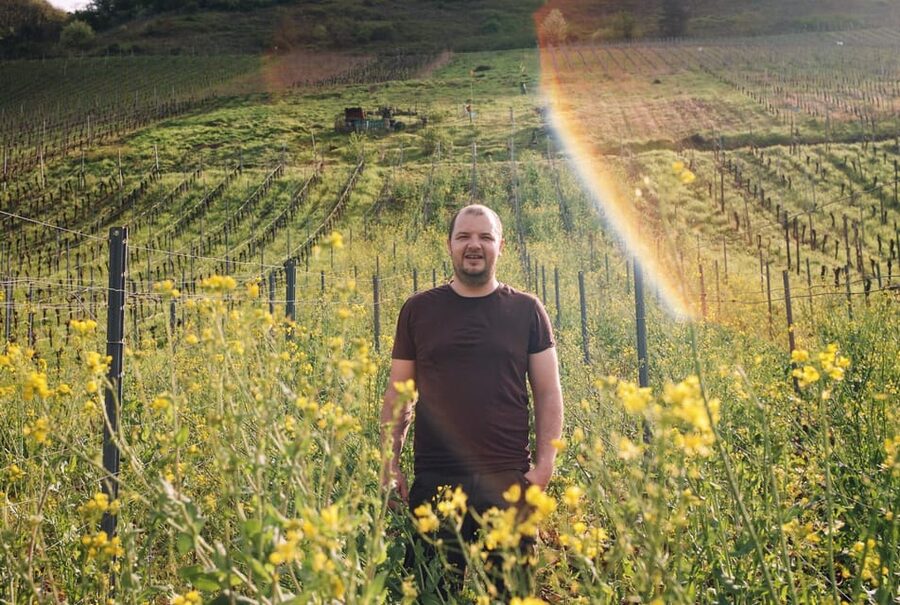
At $29 per person, this is a good-value experience if you want both education and tasting. The fee covers about two hours, a guided vineyard walk, a cellar tour, four to five organic wines, bread, and water.
The value comes from the time with the winegrower. If you only want a single glass, you can find cheaper options elsewhere. But a typical tasting does not always include a vineyard explanation, a look at the cellar, and a chance to ask about soil, biodiversity, and sustainable farming.
You are also paying for variety. The tasting may include whites, reds, and traditional-method sparkling wine, giving you a wider picture of the winery’s work. That is more useful than tasting several versions of nearly the same style.
The price does not include a wider meal or a full-day excursion, so set your expectations correctly. This is a concentrated winery visit. For a visitor already in the Mosel valley, it offers a sensible way to spend two hours without committing to a much longer tour.
Who should book this experience?
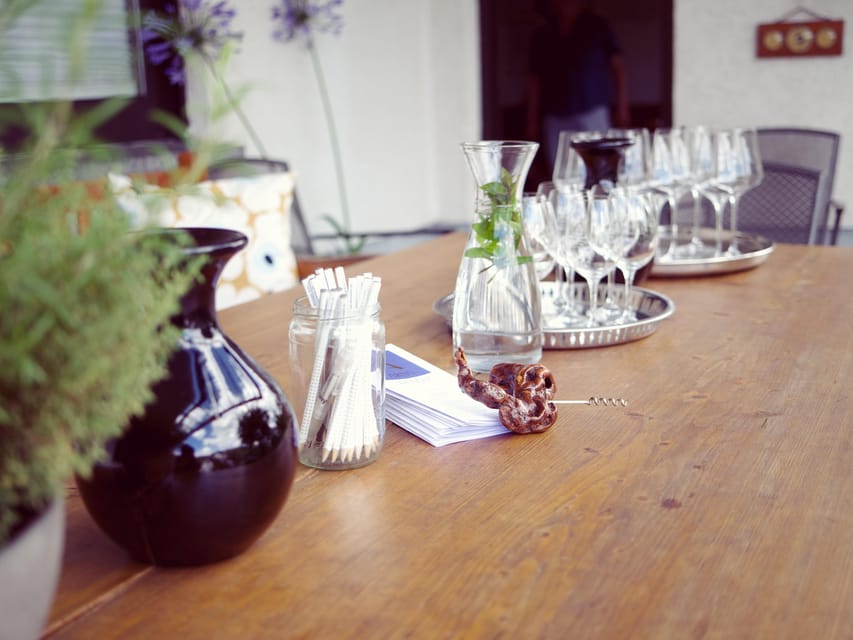
I would choose this tour if you want to understand how organic wine is made, not simply drink it. It fits curious beginners because the questions start with basic subjects such as soil, biodiversity, and sustainability. It also suits wine fans who prefer meeting the people behind a small family winery.
It is a strong choice for couples, friends, and mixed-language groups. The English and German options make it easier for everyone to follow the visit, and the relaxed question period gives you room to shape the conversation around your own interests.
Families with older children who can appreciate a vineyard and tasting may also find it worthwhile, though the provided details do not specify a child price or a special children’s program. Ask the winery if that affects your plans.
You may want a different activity if your priority is a broad tour of several Mosel estates, a long food pairing, or a full-day excursion through the valley. This visit stays focused on Arns Winery, which is precisely why it works so well for people who like a personal introduction to one producer.
Booking is flexible, with free cancellation up to 24 hours before the start time and a reserve-now, pay-later option. That helps if your Mosel schedule depends on weather or changing plans.
Should you book the Arns Winery tour?
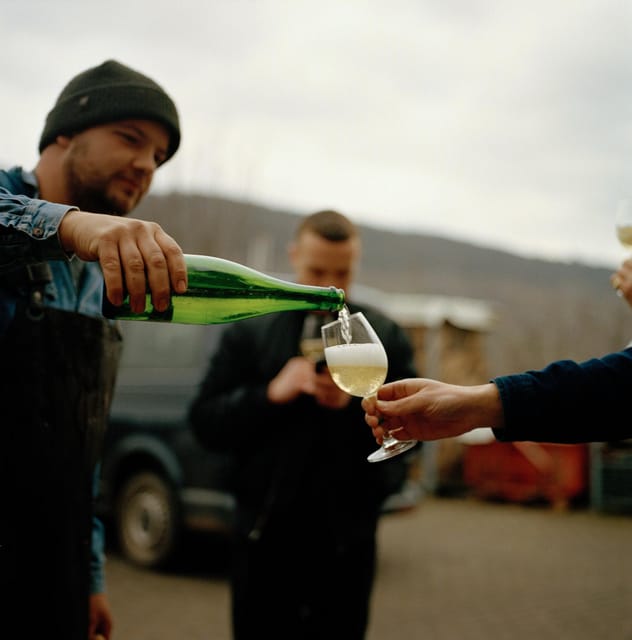
Yes, if the idea of organic winegrowing interests you and you value a personal visit over a large commercial tasting. The combination of vineyard, cellar, and four to five wines gives you a clear sense of how the winery works from soil to bottle.
I would give extra weight to the guide. Alexander’s warmth, clear explanations, and easy use of English and German appear to shape the experience as much as the wines do. You should book this when you want time for questions, a good view over the vines, and a tasting that includes more than the usual Mosel white.
Skip it only if you need a broad valley tour or a substantial meal. For $29 and two well-organized hours, this is a thoughtful, fairly priced stop in Reil.
FAQ
Where does the wine tour begin?
It begins at Arns Winery, Kringstraße 36 in Reil. The meeting point is marked by a blue flag.
How long does the experience last?
The experience lasts two hours.
What happens during the first hour?
The first hour is a guided tour of the organic vineyard.
What happens during the second hour?
The second hour includes the winery and cellar visit, followed by a tasting of four to five organic wines.
How many wines are included?
Four to five different organic wines are included.
What types of wine might be tasted?
The winery produces still white wines, red wines, and sparkling wine made by the traditional method.
Are bread and water included?
Yes. Bread and water are included with the wine tasting.
Is the experience available in English?
Yes. The live tour is offered in English and German.
Is the winery tour wheelchair accessible?
Yes. The activity is listed as wheelchair accessible.
Can I cancel the booking?
You can cancel up to 24 hours in advance for a full refund. A reserve-now, pay-later option is also available.
More Wine Tastings in Germany
- Trier: Guided City Walk with Wine Tasting
★ 4.8 · 979 reviews - Berlin: Wine on Canvas – Paint Workshop and Wine Tasting
★ 4.7 · 59 reviews - Stuttgart: Stuttgart Wine Museum Wine Tasting
★ 4.7 · 55 reviews - Lieser: Covered wagon ride, the rolling wine tasting with picnic basket
★ 4.7 · 51 reviews
Newly added around Germany
- Sylt: Shell safari with boat | incl. Mussel tasting & 1 glass of wine★ 4.7 · 49 reviews
- Stuttgart: Stuttgart Wine Museum Wine Tasting★ 4.7 · 55 reviews
- Stuttgart: Guided Wine Walk & Wine Tasting★ 4.6 · 28 reviews
- Heidelberg: Hills and Wine Region Segway Tour★ 4.9 · 89 reviews
- Mulled wine ride in the Leipzig New Zealand★ 4.3 · 43 reviews
- Lieser: Covered wagon ride, the rolling wine tasting with picnic basket★ 4.7 · 51 reviews
- Kröv, Mosel: Covered wagon ride through the vineyards with wine tasting★ 4.8 · 46 reviews
- Koblenz: Christmas Boat Tour with Mulled Wine★ 4.3 · 35 reviews
Wine Cellar Visits, compared.
Bridges Cruise & Sunset & Port Wine Cellar Option
Read our review →
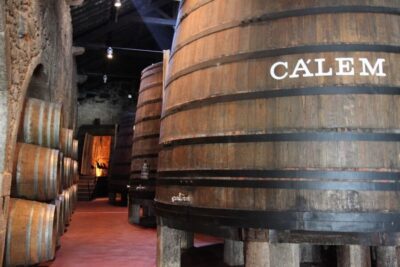
Cálem Cellar Tour, Interactive Museum & Wine Tasting
Read our review →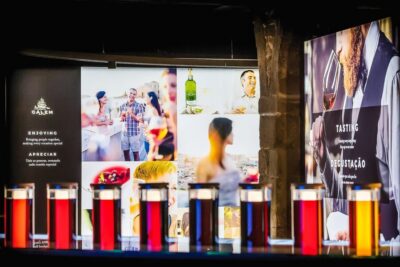
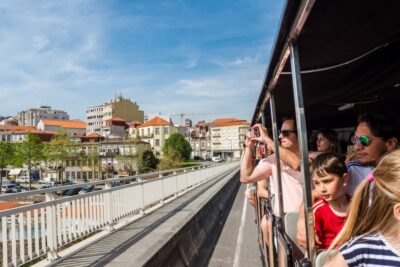
Hop-on Hop-off Bus with Optional Cruise & Wine Cellar
Read our review →
Magic Train Tour and Port Wine Cellar with Tastings
Read our review →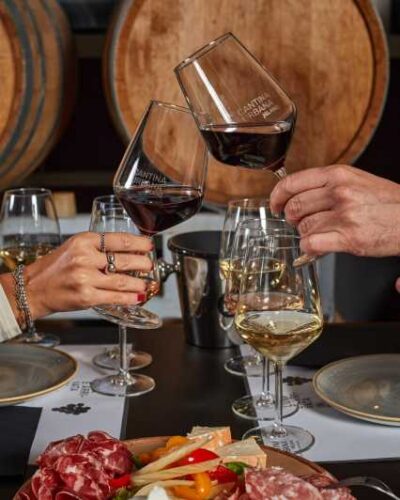
Milan Urban Winery: Taste & Tour at Cantina Urbana
Read our review →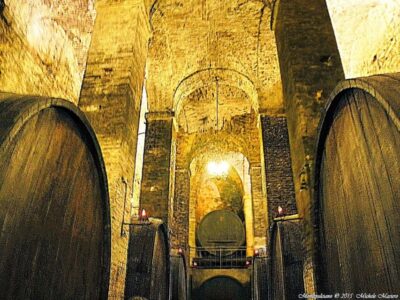
Browse the lists this tour appears in