
REVIEW · WINE CELLAR VISITS
Trier: Discovery Tour – Germany’s Oldest Wine Cellar
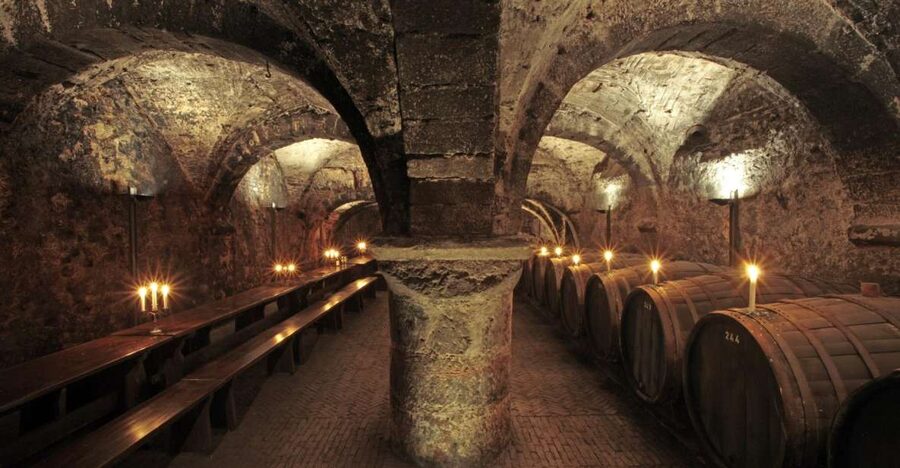
History is waiting below Trier. This one-hour tour takes you into a wine cellar built around 330 AD, when Trier was a Roman imperial city. I like the mix of ancient architecture and present-day wine tasting, and I like that the experience costs about $20 while including two selected wines. The main consideration is language: the live guide speaks German, and some content remains in its original language.
I also like the compact format. You get a focused look at one important Roman building without giving up half a day. Still, I would book this for the cellar and its setting first, and the wine second. One recent assessment found the wine and winery received more attention than the cellar itself, while another wished the tour lasted longer and offered more detail about the building.
Key points at a glance
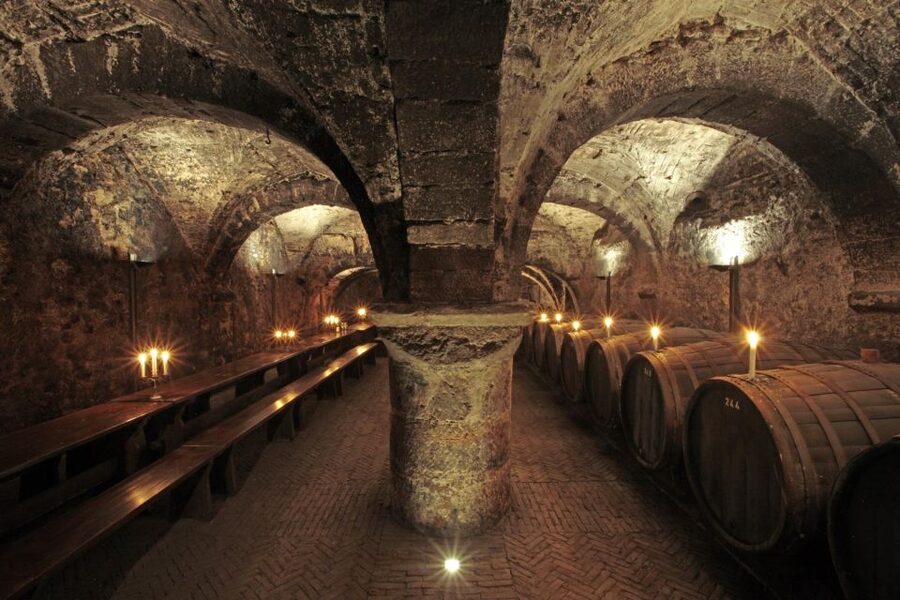
- A Roman storage building from around 330 AD: The cellar began as a magazine and storage house for citizens of Trier during the Roman imperial period.
- Two wines are included: You taste two selected house wines in the historic cellar.
- A one-hour cultural stop: The short duration fits neatly between Trier’s other sights.
- German-language guiding: The live tour is conducted in German, with some material presented in its original language.
- A strong overall rating: The experience holds a 4.7 rating from 218 reviews, with praise for its information, good humor, and wine tasting.
- Not accessible to wheelchair users: The tour is not suitable for wheelchair users, and it runs in all weather.
Entering Trier’s Roman wine cellar
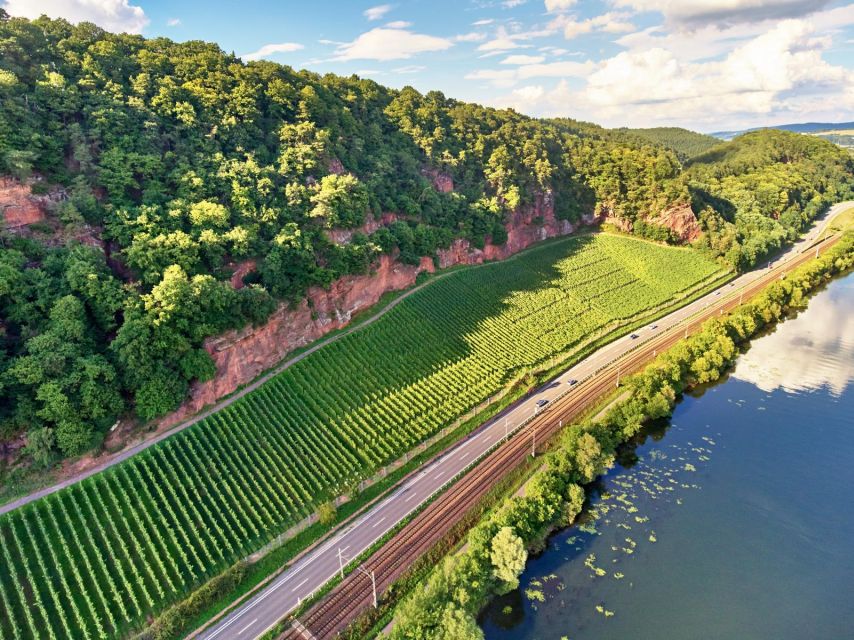
The appeal begins with the setting. This is not a modern tasting room designed to look old. The cellar is part of a Roman building constructed around 330 AD, when Trier held an important place in the Roman world.
Its original role was practical. It served as a magazine and storage house for Roman citizens. That detail helps you see the site as more than a wine venue. You are entering a working part of ancient Trier, a place built for storing goods and supporting city life.
The word cellar can make you picture dark shelves and dusty bottles. This experience presents something more active. The cellar is described as a place of stories, discovery, and enjoyment rather than a silent museum. I like that approach because the building has a clear connection to wine today, even though its first purpose was broader storage.
You should keep your expectations measured. The tour is only one hour, so the guide cannot give a full course in Roman Trier, the building’s construction, and local winemaking. Instead, you get a short historical introduction tied to the place around you.
More Wine Cellar Visits in Germany:
- Reil, Mosel: Guided organic wine tasting and cellar tour
★ 4.8 · 84 reviews - Porto: Bridges Cruise & Sunset & Port Wine Cellar Option
★ 4.2 · 4,180 reviews - Porto: Cálem Cellar Tour, Interactive Museum & Wine Tasting
★ 4.5 · 4,113 reviews
What the one-hour visit includes
The tour combines a walk through the cellar with a guided explanation of its past. The exact sequence may vary, but you can expect the main focus to remain on the Roman building, its former use, and its connection to the wine culture of Trier.
The historical portion is valuable because it gives the tasting a sense of place. Two wines on their own would make a pleasant stop, but the Roman setting gives you a reason to remember them. You are not simply tasting local wine in an ordinary room. You are doing it inside a building that has served Trier for many centuries.
The experience also works well as a short addition to a day of sightseeing. At one hour, it will not crowd out a museum visit or a walk through the city. I would consider it especially useful if you want something structured after exploring Trier independently, or if you have limited time and want one clear introduction to local wine culture.
The short length has one drawback. A very enthusiastic history fan may want more time with the building. One recent evaluation rated the tour well but felt that more information about the unique cellar would have improved it. Another suggested extending the tour. That is a fair point: the site seems to offer more stories than an hour can hold.
The Roman building and its original purpose
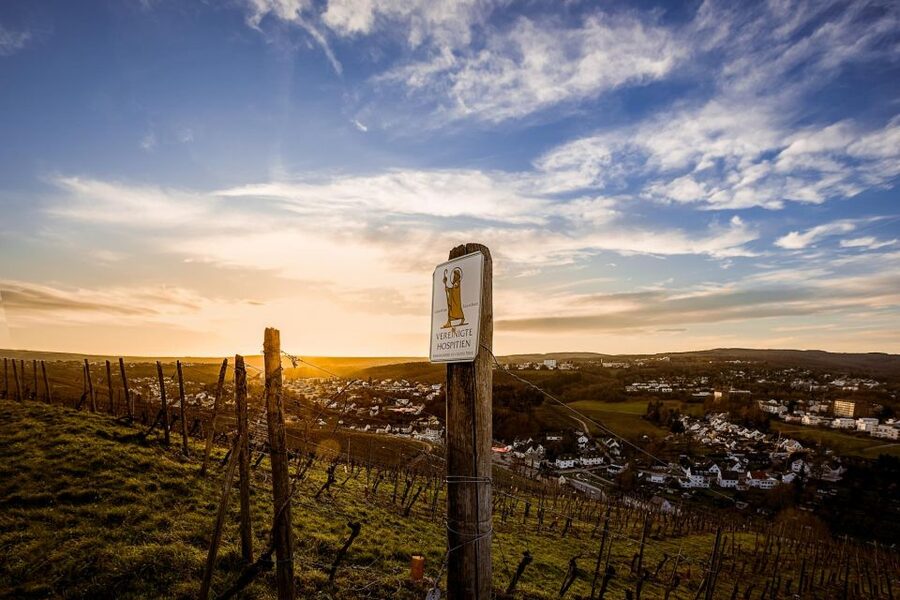
The strongest part of the experience is the building itself. Dating to about 330 AD, it comes from the period when Trier functioned as a Roman imperial city. The cellar’s original purpose was storage, not tourism, and that makes the visit feel grounded in daily Roman life.
You will not simply hear that Trier is old. You will connect the city’s age to a physical structure with a practical job. A storage house tells you something about how people lived, traded, and organized supplies. Even without a long lecture, that context makes the cellar more meaningful.
I would pay close attention during the guide’s historical explanation. Since the tour is in German, you may need to rely on your own German skills to catch every detail. If you do not speak German, the atmosphere and visual setting will still be accessible, but the historical information may be harder to follow.
The tour is best for you if you enjoy seeing a place in use rather than simply looking at an isolated artifact. This is not presented as a frozen archaeological display. The building remains tied to a living wine operation, giving the Roman site a modern role.
Tasting two selected house wines
The tasting is included in the $20 price, with two selected wines served in the cellar. That makes the cost reasonable for a short cultural experience, particularly if you already planned to sample wine in Trier.
I like the balance here. You get enough wine to understand the character of the house, but the tasting does not take over the entire visit. The focus remains on the cellar and its story, with wine acting as part of the setting rather than the sole attraction.
You should also know that the wine side may receive more attention than you expect. One recent assessment found the overall visit good but wished the guide had given more information about the historic cellar, since the winery and its wine took center stage. If your main goal is Roman history, ask yourself how much tasting time feels right for you.
For a visitor interested in both subjects, this balance may work very well. You hear about an ancient storage building, then taste two wines in that same setting. The format links history and local wine without requiring a separate tasting appointment.
The included tasting also improves the value. At $20 per person, you are paying for a guided visit, access to a distinctive historic site, and two wines. If you only want a detailed archaeological tour, the price may feel less attractive because part of the experience is devoted to wine. If you would otherwise pay separately for a tasting, the package makes more sense.
A few more wine tours around Germany worth a look
- Trier: Guided City Walk with Wine Tasting
★ 4.8 · 979 reviews - Hamburg: Harbor Cruise with Wine and Cheese
★ 4.7 · 795 reviews - Leipzig: Mulled Wine Motorboat Tour
★ 4.7 · 514 reviews - Heidelberg: Sightseeing Boat Tour with Mulled Wine
★ 3.6 · 202 reviews
How the German-language guide affects the visit
The live guide speaks German. Some content is shown or delivered in its original language, so this is an important point to consider before booking.
If you understand German, you should get the full benefit of the explanations and stories. The recent feedback is especially positive about the information delivered in a short period, with one person describing the tour as very informative. That suggests the guide uses the hour efficiently.
If you do not speak German, the visit may still work as a visual and atmospheric stop, but I would not book it expecting full English interpretation. The provided information does not promise an English guide or translated material. You may understand the basic outline from the setting and tasting, but the finer historical details could pass you by.
The German-only format may suit you if you are comfortable with a local-language experience. It also keeps the tour tied to the place, rather than turning it into a generic international presentation. Still, language is the biggest practical limitation for English-speaking visitors.
Is $20 good value for one hour?
At $20, this is not the cheapest possible way to see an old building, but it offers more than a quick look. You receive a guided cellar tour, two selected wines, and a tasting in a setting connected to Roman Trier.
I see the value in the combination. A short visit with no tasting might feel thin, while two wines without historical context would be ordinary. Here, each element supports the others. The building gives the wine a story, and the wine keeps the Roman site connected to life in Trier today.
The rating of 4.7 from 218 reviews supports the idea that the experience generally delivers what it promises. The strongest praise centers on the information, the pleasant nature of the visit, and the combination of wine and history. The most useful criticism is also clear: some people want more time and more detail about the cellar.
I would call the price fair for you if you enjoy compact cultural activities and want to taste local wine. It is less compelling if you want a long, specialist history tour or a broad introduction to the entire Moselle wine region. This is one cellar, two wines, and one hour.
Who should book this experience?
I would recommend it to:
- You enjoy Roman sites but prefer a small, focused visit to a large museum.
- You want to connect Trier’s ancient past with its wine culture.
- You appreciate short activities that fit around a full sightseeing day.
- You understand German or are comfortable with a tour in German.
- You want a tasting included in the price.
- You are curious about local wine but do not want a long winery excursion.
Families and groups with mixed interests may also find the format useful, as long as everyone can manage the tour conditions and language. The one-hour length is easier to fit into a busy day than a longer wine-country outing.
I would hesitate if your priority is detailed archaeology. The feedback points to a real limitation: the cellar may deserve more explanation than the schedule allows. I would also hesitate if you need wheelchair access, since the tour is not suitable for wheelchair users.
Practical points before you go
The tour runs in all weather conditions, so plan for that when choosing clothing. The information provided does not give a separate indoor-weather exception, so you should assume the booking continues even if the day is wet or cold.
The experience lasts one hour, with start times based on availability. Check the schedule before building your day around it. A short tour is useful only if the timing fits your other plans.
The live tour is in German. Some content is presented in its original language, so consider your language ability honestly before booking. The tour may still be enjoyable without fluent German, but you should not expect the full historical explanation in English.
You can cancel up to 24 hours before the start for a full refund, and you can reserve now while paying later. Those flexible terms help if your Trier plans are still changing.
My verdict on the Vereinigte Hospitien Stiftungsweingut tour
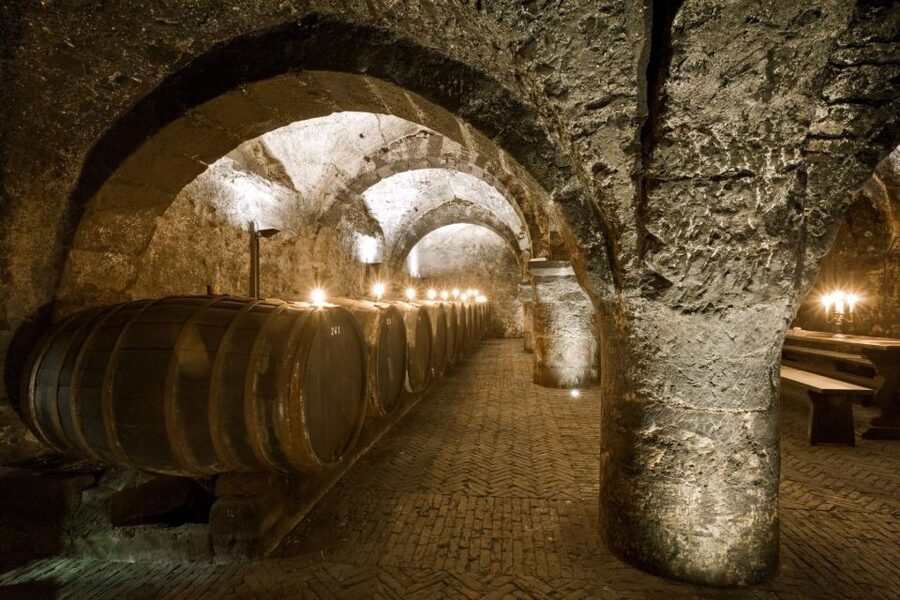
I like this experience because it gives you three things in a tidy package: a Roman building, a short guided history lesson, and two wines. The setting is the real reason to go. Tasting wine in a cellar built around 330 AD is more memorable than tasting it in a standard shop or restaurant.
The main weakness is depth. If the story of the cellar is your top interest, one hour may leave you wanting more. The German-only guiding also matters, especially if you want to understand every historical detail.
Book this tour if you want a compact, atmospheric introduction to Trier’s wine culture and Roman past. Skip it if you need wheelchair access, an English-language guide, or a long archaeological visit. For most visitors who enjoy history with a glass of wine, $20 is a sensible price for an unusual hour in Trier.
FAQ
How long does the Trier wine cellar tour last?
The tour lasts one hour.
How much does the experience cost?
The price is $20 per person.
What is included in the tour?
The experience includes a guided cellar tour, two selected wines, and a tasting in the historic setting.
Is the cellar really connected to Roman Trier?
The building was constructed around 330 AD in the Roman imperial city of Trier. It served as a magazine and storage house for Roman citizens.
What language is the tour in?
The live tour guide speaks German. Some content is presented in its original language.
Is the tour suitable for wheelchair users?
No. The experience is not suitable for wheelchair users.
Can I cancel the booking?
Yes. You can cancel up to 24 hours in advance for a full refund. You can also reserve now and pay later.
Newly added around Germany
- Sylt: Shell safari with boat | incl. Mussel tasting & 1 glass of wine★ 4.7 · 49 reviews
- Stuttgart: Stuttgart Wine Museum Wine Tasting★ 4.7 · 55 reviews
- Stuttgart: Guided Wine Walk & Wine Tasting★ 4.6 · 28 reviews
- Heidelberg: Hills and Wine Region Segway Tour★ 4.9 · 89 reviews
- Reil, Mosel: Guided organic wine tasting and cellar tour★ 4.8 · 84 reviews
- Mulled wine ride in the Leipzig New Zealand★ 4.3 · 43 reviews
- Lieser: Covered wagon ride, the rolling wine tasting with picnic basket★ 4.7 · 51 reviews
- Kröv, Mosel: Covered wagon ride through the vineyards with wine tasting★ 4.8 · 46 reviews
Wine Cellar Visits, compared.
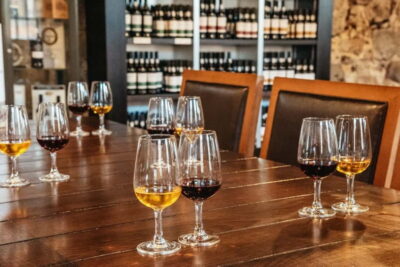
Bridges Cruise & Sunset & Port Wine Cellar Option
Read our review →
Cálem Cellar Tour, Interactive Museum & Wine Tasting
Read our review →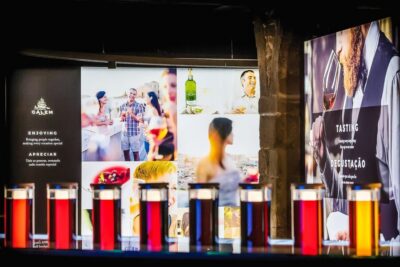

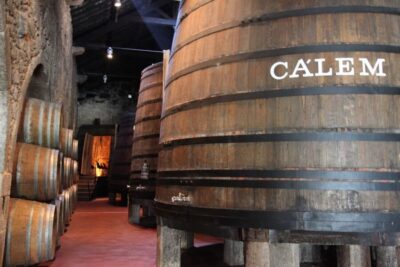
Hop-on Hop-off Bus with Optional Cruise & Wine Cellar
Read our review →
Magic Train Tour and Port Wine Cellar with Tastings
Read our review →
Milan Urban Winery: Taste & Tour at Cantina Urbana
Read our review →
Browse the lists this tour appears in