
REVIEW · WINE TASTINGS
🍷 Masterclass Pinot Noir – Wine tasting in Dijon 🇫🇷
Burgundy in four glasses. This Dijon tasting gives you a clear way to compare four Burgundy wines, moving from Village level to Grand Cru with a local wine expert. I especially like the small group limit of eight and the chance to buy bottles from the same selection afterward. The Vignobles & Découverte certification also signals that this is built as a proper wine tourism experience, not just a quick pour at a shop.
I also like the teaching focus. Guides such as Emily and Pierre have been praised for making the subject friendly, lively, and easy to follow, while Mattéo, Guyonne, and Adrien are also named as instructors. The main point to consider is comfort: the tasting takes place at Les Clos Vivants wine shop, and some sessions have involved standing for an hour or more rather than sitting in a private room.
Key points at a glance
- Four wines show Burgundy’s rank system: Taste a progression from Village wine to Grand Cru, with the regional level also described as part of the lineup.
- Small groups keep the lesson personal: Attendance is limited to eight, so you should have a fair chance to ask questions.
- Guides make the difference: Emily and Pierre have received especially warm praise for clear, passionate explanations.
- The setting is a working wine shop: You taste at Les Clos Vivants, where the bottles are available to buy afterward.
- The session links wine to the Climats: The lesson explains why Burgundy’s named vineyard parcels matter within the UNESCO World Heritage setting.
- Plan for adults only: The experience is not suitable for anyone under 18.
Four glasses, from Village to Grand Cru
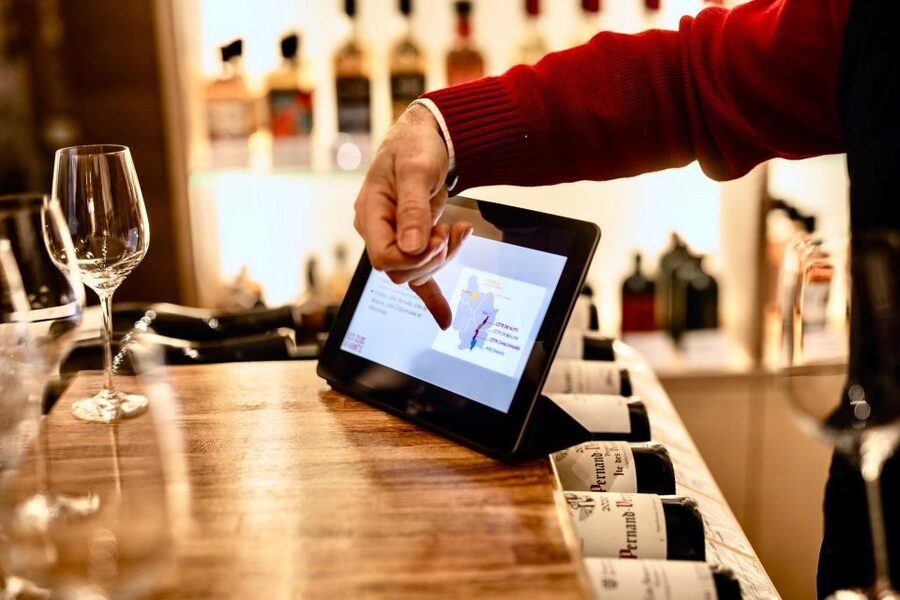
The tasting is built around comparison. You are not simply given four unrelated Burgundy wines. The idea is to move through the area’s hierarchy and see how the designation changes from one bottle to the next.
The stated progression runs from Village to Grand Cru, while the detailed description of the session also refers to a regional wine before reaching the higher appellations. In practical terms, you can expect a ladder of Burgundy styles rather than a single narrow sample. That makes the tasting useful for anyone who has seen labels such as Bourgogne, Village, Premier Cru, and Grand Cru but has not understood what those terms mean in the glass.
The first wine gives you a starting point. From there, the guide can point out changes in character, quality, and price as the tasting moves upward. The value is not only in tasting the most prestigious bottle. It is in having the wines placed side by side, so the differences have a better chance of making sense.
The final Grand Cru pour is the headline moment, but I would not treat the first wine as filler. Burgundy’s appeal comes from small distinctions, and the point of a structured flight is to notice how each level fits into the larger picture.
More Wine Tastings in France
- Bordeaux: Cité du Vin Entry Ticket and Wine Tasting
★ 4.6 · 3,885 reviews - Montmartre Hill French Gourmet Food and Wine Tasting Walking Tour
★ 5.0 · 2,588 reviews - From Paris: Loire Valley Castles Day Trip With Wine Tasting
★ 4.6 · 1,727 reviews
What the Climats add to the lesson
Burgundy’s wine culture is tied closely to its Climats, the named vineyard parcels that give the region its particular identity. This session presents the Climats as more than a marketing term. The teaching aims to explain how vineyard location and appellation shape the way Burgundy is classified and understood.
That matters because Burgundy labels can look intimidating. The producer name, village, vineyard name, and classification all compete for space, and a first-time buyer can easily feel lost. A guided tasting gives you a way to connect those words with actual wine instead of memorizing a chart.
The experience also has an ambassador role. It takes place in the heart of a UNESCO World Heritage site and aims to explain why the Côte Viticole has such global importance. You will not get a full vineyard tour during this 45-minute session, but you should leave with more context for a later visit along Burgundy’s wine route.
This is one of the strongest reasons to book the class early in a Dijon stay. Once you understand the basic structure, visits to wine towns and producers become easier to follow. You can read labels with more confidence and make better use of future tastings.
Learning with Emily, Pierre, and the other guides
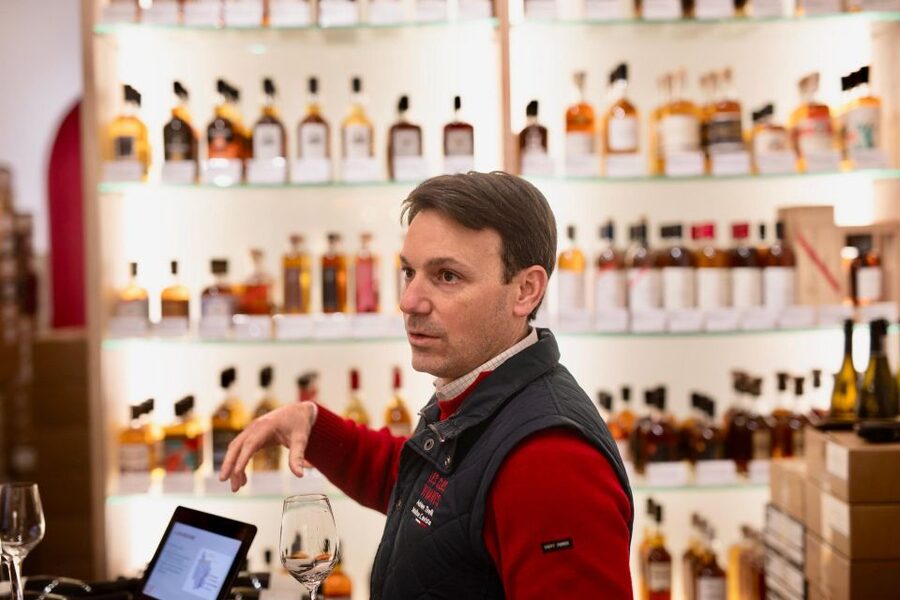
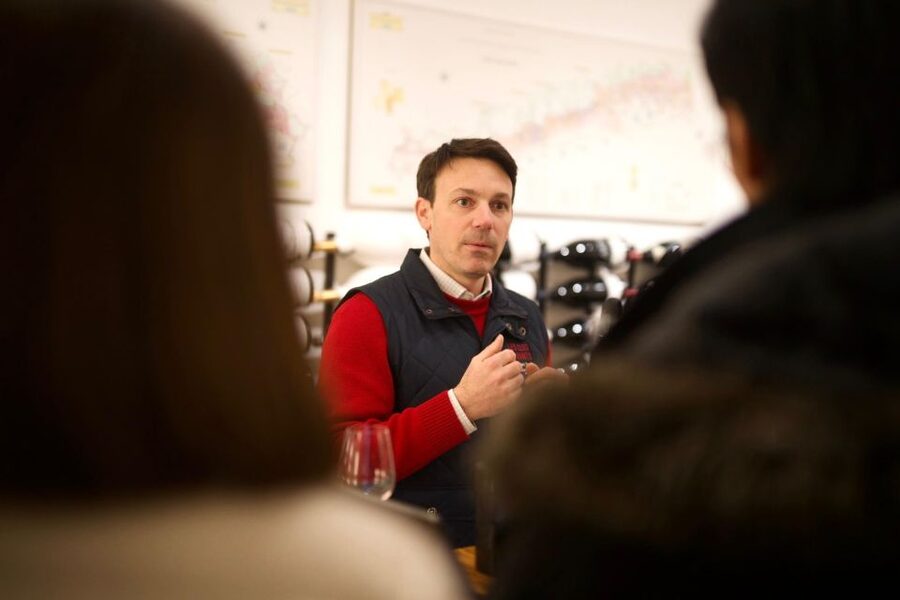
The guide is central to this experience. Four wines can be informative or forgettable depending on how well the person leading the session explains them.
Emily has been singled out for combining passion with clear information. That is useful in a subject that can become technical very quickly. Pierre has also been praised for his friendly manner and for explaining the connection between the wines and Burgundy’s terroir in a way that made the full progression easier to understand.
The listed instructors are Mattéo, Guyonne, and Adrien, and the session is available in French or English. The guide’s style may vary, but the format gives you a clear framework: learn how to taste, then use that method across four levels of Burgundy wine.
I like that this is presented as a learning session rather than a performance. You are not expected to arrive with specialist vocabulary. The goal is to help you taste with more purpose and understand what makes Burgundy famous.
The small group limit of eight supports that approach. It is much easier to ask about a label, a flavor, or a classification when you are not one person in a large crowd. It also gives the instructor more room to adjust the explanation to the people in front of them.
The Les Clos Vivants setting
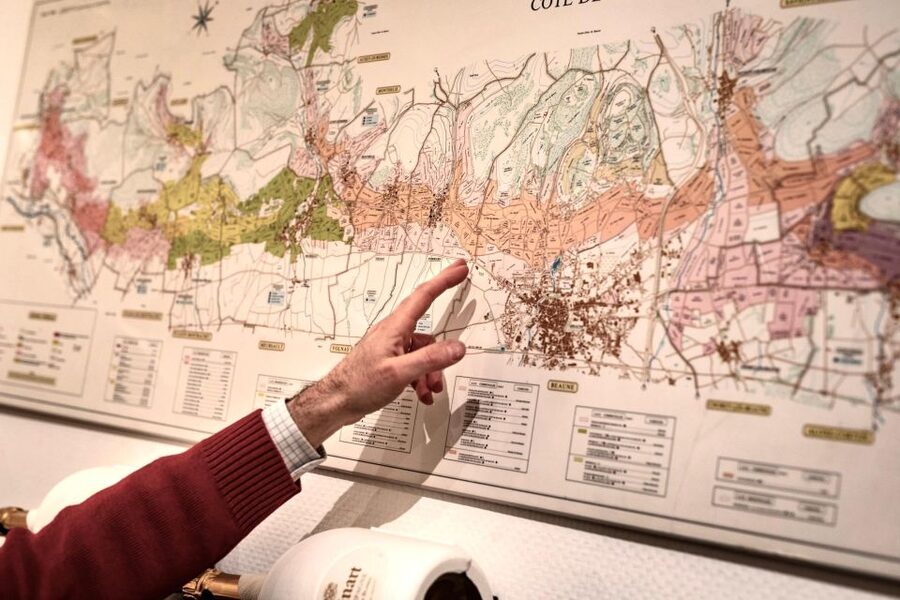
The meeting point is Les Clos Vivants wine shop. That location has both advantages and limitations.
The advantage is immediate access to bottles from the tasting selection. If one of the four wines suits you, you can buy it after tasting it instead of trying to remember a name and search for it later. This is a practical benefit, especially if you want to take home a Burgundy bottle but do not know which style to choose.
The shop setting also keeps the experience connected to real wine buying. You are not tasting a set of anonymous samples in a room designed only for tours. You can see that the wines are part of a working selection and continue the conversation after the formal tasting ends.
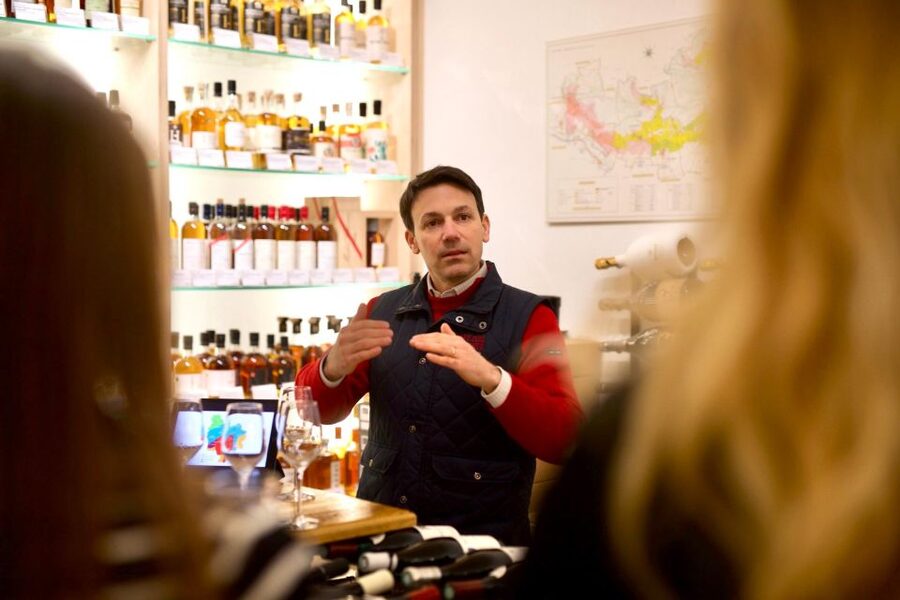
The tradeoff is that this is not promised as a private classroom. At least one session took place with other shoppers moving through the shop, and one person expected a seated room but spent most of the time standing. Another account described standing for more than 60 minutes, even though the advertised duration is 45 minutes.
That does not make the setting a deal breaker, but you should know what you are booking. If you want a polished, seated wine seminar with a desk, printed materials, and a quiet private room, this may feel too informal. If you like the idea of tasting in an active wine shop and browsing afterward, the setting may work well.
Same region, a very different glass:
- Authentic Parisian Gourmet Food Tour with 10 Local Dishes & Wines
★ 5.0 · 4,754 reviews - Loire Valley Castles Day Trip from Paris with Complementary Wine
★ 4.5 · 3,907 reviews - Bordeaux: River Garonne Cruise with Glass of Wine and Canelé
★ 4.5 · 3,630 reviews - Paris: Montmartre Cheese, Wine & Pastry Guided Walking Tour
★ 4.8 · 2,255 reviews
How long the 45-minute format really feels
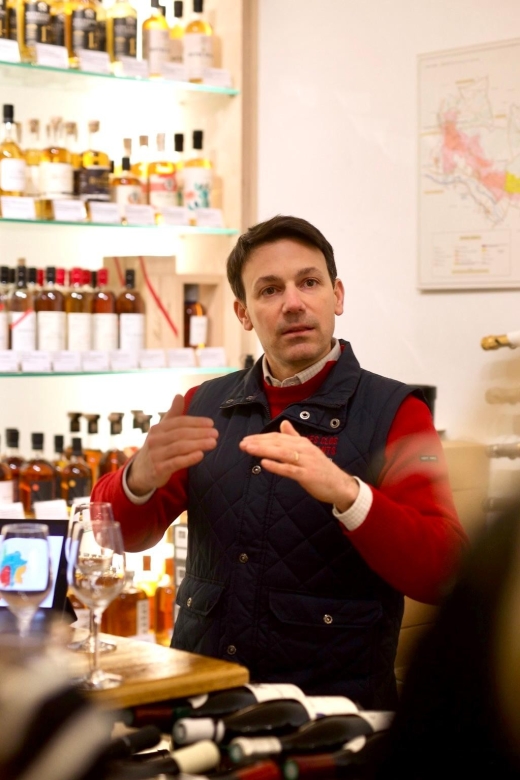
The official duration is 45 minutes. That is a sensible length for a focused introduction, especially if you are fitting the class between sightseeing in Dijon and dinner.
You should expect the session to move at a steady pace. Four wines require enough time for explanation, tasting, comparison, and questions, but not enough time for long pauses. The short format is helpful if you want a useful introduction without giving up half a day.
Still, allow some flexibility. One account described standing and listening for more than an hour, and another expected a 90-minute seated class. Those comments suggest that the actual experience can run longer than the listed 45 minutes, or at least feel longer if you remain standing.
I would avoid scheduling an immediate train, meal, or museum entry afterward. The tasting may finish on time, but the shop conversation and bottle shopping can add a few minutes. A little breathing room will make the experience more pleasant.
Is $41 a fair price?
At $41 per person, this is not the cheapest way to drink Burgundy. You are paying for four wines, an expert-led lesson, a small group, and access to bottles you can purchase from the same selection.
The price becomes easier to justify if you are new to Burgundy. A poorly chosen bottle can cost enough to make trial and error frustrating, while a guided comparison can help you understand what you are buying. The Grand Cru sample also gives you a chance to taste a category that may be expensive to explore independently.
The value is less obvious if you already know Burgundy well or mainly want a generous amount of wine. This is a structured class, not an open-ended drinking session. The point is education and comparison, not volume.
I see it as a good middle-ground purchase for a Dijon visit. It costs more than a casual glass at a bar but gives you a broader lesson and a more useful basis for future buying. The ability to purchase a bottle afterward adds value, provided you find something you genuinely like.
What to expect from the tasting itself
The session begins with an introduction to tasting and Burgundy’s wine structure. The guide then presents four wines from the selection, progressing through the appellation levels.
You will be encouraged to compare rather than judge each bottle in isolation. Look for how the wines differ as the classification rises, and ask the guide to explain the connection between the bottle, the place, and the appellation. The exact flavors and producers are not specified in advance, so the flight can vary according to the shop’s selection.
The most useful question to ask is not simply which wine is best. Ask which bottle offers the best fit for your budget and taste. A Grand Cru may be the most prestigious, but a Village wine may be the bottle you would actually want to buy for a meal.
Because the class is limited to eight people, you should have room to ask about pronunciation, labels, serving choices, and the meaning of terms that appear on Burgundy bottles. Use that chance. A short class becomes far more useful when you bring one or two questions of your own.
Who should book this Dijon wine class?
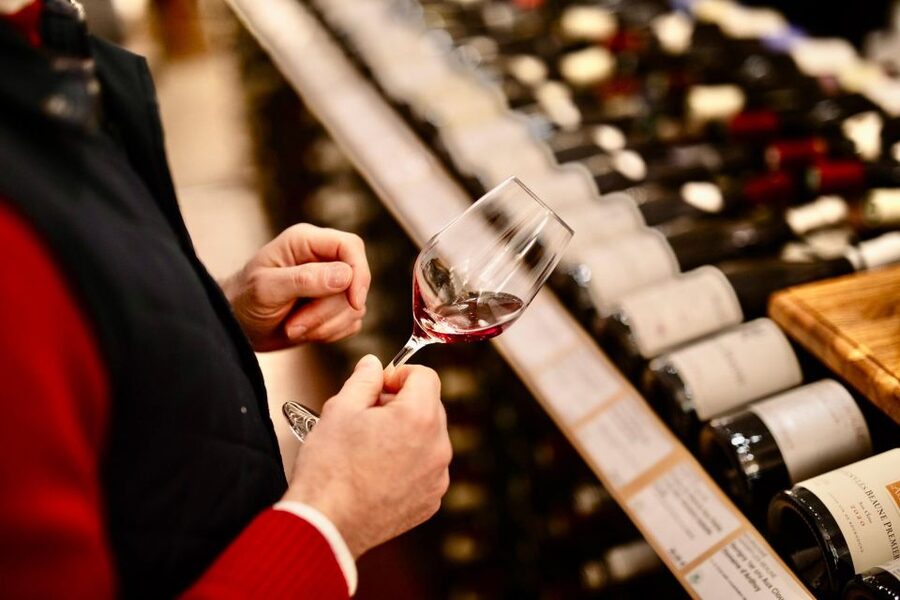
I would recommend it to anyone who wants a practical introduction to Burgundy wine without committing to a full day on the wine route. It suits first-time Burgundy visitors, curious wine drinkers, and people who want help choosing a bottle to take home.
It is also a good choice for a couple or small group with different levels of wine experience. The person who knows little can follow the basic lesson, while the more experienced drinker can compare appellation levels and ask more specific questions.
The experience is less suitable for children, since it is restricted to adults over 18. It may also disappoint anyone who expects a private tasting room, formal seating, or a long vineyard visit. This is a compact wine-shop class in central Dijon, not a day in the countryside.
The format is wheelchair accessible, which is helpful, but the seating issue still deserves attention. If standing for much of the session would be difficult, contact the provider before booking and ask what seating will be available at your time.
Booking details worth knowing
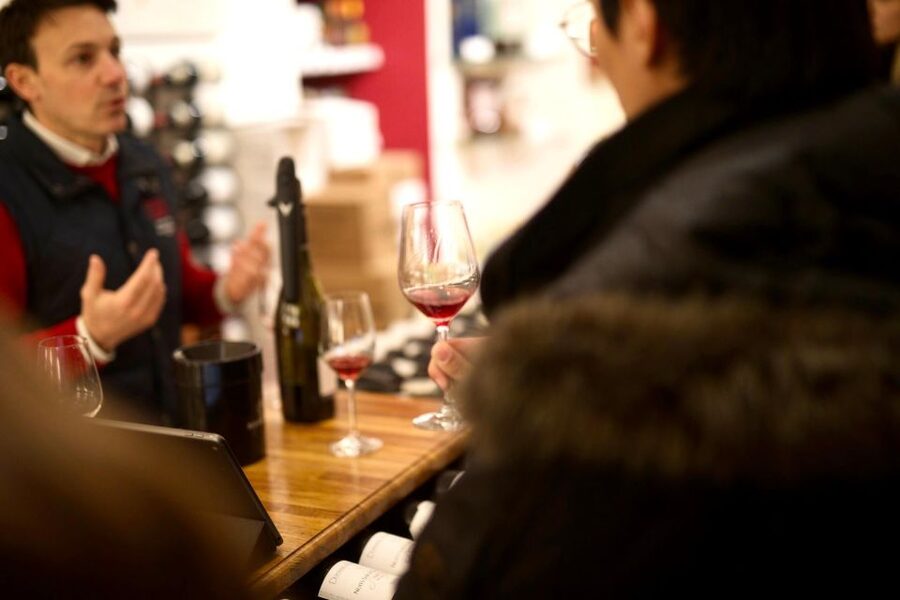
The meeting point is Les Clos Vivants wine shop in Dijon. The session is offered in French and English, and the group is limited to eight participants.
You can cancel up to 24 hours before the start time for a full refund. The reserve-now, pay-later option is useful if your Dijon plans are not fixed yet, since you can hold a place without paying immediately.
The experience has a 4.5 rating from 35 published ratings, with especially strong marks for the guides’ warmth, passion, and ability to explain Burgundy clearly. The less positive comments focus on comfort and the active shop setting, not on the wine content itself. That distinction is important: book it for the teaching and tasting, not for a quiet lounge atmosphere.
Should you book Masterclass Pinot Noir?
Book it if you want to understand Burgundy through a clear four-wine comparison and appreciate having an expert explain what you are tasting. The small group, English-language option, Grand Cru sample, and ability to buy a bottle afterward make the $41 price reasonable for many visitors.
Skip it if your priority is a seated private room, a long vineyard visit, or a leisurely tasting with no shoppers nearby. For everyone else, this is a smart Dijon introduction to Burgundy’s appellations and Climats. Just wear comfortable shoes, leave extra time after the listed 45 minutes, and treat the class as a lesson first and a shopping opportunity second.
FAQ
Where does the Pinot Noir tasting take place?
It takes place at Les Clos Vivants wine shop in Dijon.
How long is the experience?
The listed duration is 45 minutes. Some sessions may last longer, so it is sensible to leave extra time afterward.
How many wines are included?
Four Burgundy wines are included, with the tasting progressing from Village level to Grand Cru. The description also refers to a regional wine as part of the progression.
Who leads the tasting?
The listed instructors are Mattéo, Guyonne, and Adrien. Sessions have also been led by Emily and Pierre.
Is the tasting available in English?
Yes. The experience is offered in English and French.
Can children attend?
No. The experience is not suitable for anyone under 18.
Can I buy the wines after the tasting?
Yes. The wines come from the shop’s selection, and you can buy bottles after tasting them.
Is the experience wheelchair accessible?
Yes, the activity is listed as wheelchair accessible. Since some sessions may involve standing, you may want to confirm seating needs before booking.
Newly added around France
- Saint Emilion Full Day Wine and Bike Tour★ 5.0 · 167 reviews
- Luxurious full day Bordeaux wine tour in a Tesla★ 4.5 · 31 reviews
- Private Bordeaux History Tour with a glass of Bordeaux wine.★ 5.0 · 28 reviews
- Private – Best of Bordeaux Walking Tour + Glass of Bordeaux Wine★ 5.0 · 240 reviews
- Wine Masterclass & Cheese Tasting Workshop in Bordeaux★ 5.0 · 29 reviews
- Bordeaux wines tasting workshop including Food & Wine pairings★ 5.0 · 31 reviews
- Discovery of the Bordeaux vineyard in 3 wines★ 5.0 · 133 reviews
- Bordeaux Wine Masterclass: Blending workshop with appetizer★ 5.0 · 113 reviews
Wine Tastings, compared.
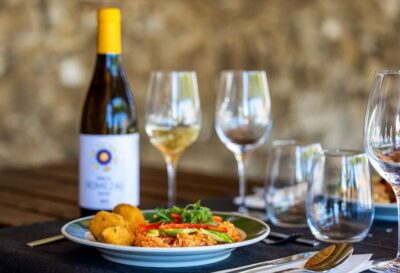
Douro Valley w/ Boat Tour, Wine Tasting & Lunch
Read our review →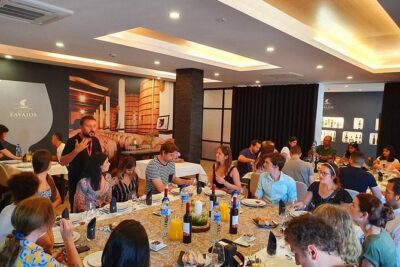
Complete Douro Valley Wine Tour with Lunch, Wine Tastings and River Cruise
Read our review →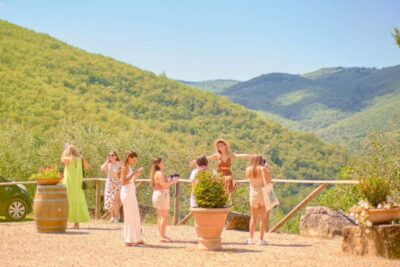
Small-Group Wine Tasting Experience in the Tuscan Countryside
Read our review →
Montserrat & Cogwheel Train, Gourmet Wine Tasting & Tapas/Lunch
Read our review →
Tuscany & Montepulciano Day Trip with Lunch & Wine Tasting
Read our review →Browse the lists this tour appears in