
REVIEW · COOKING CLASSES
Rome: Pasta Making Class with Wine, Limoncello, and Dessert
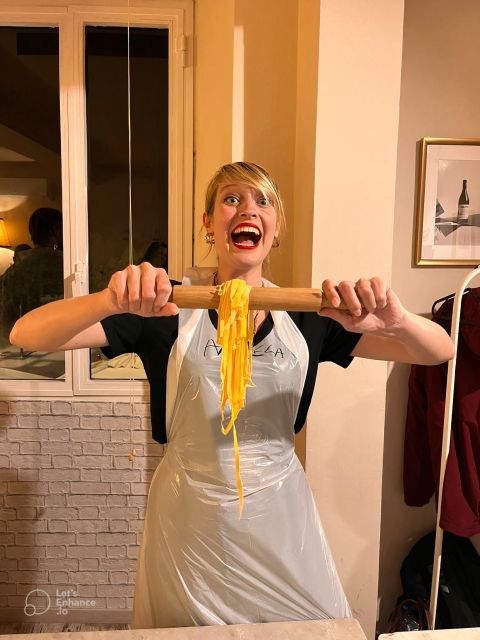
Pasta tastes better when you make it yourself. In central Rome, this three-hour class turns flour, eggs, and a rolling pin into ravioli, tortelli, and fettuccine, followed by a shared meal in Palazzo Grazioli. I like the hands-on format, since you make your own pasta rather than simply watching a chef. I also like the social meal, with organic Tuscan wine, dessert, and limoncello included.
The class is especially appealing because it takes place just minutes from the Pantheon and Piazza Venezia, yet leads you into Via della Gatta, a quieter street with a marble cat statue by the entrance. The main consideration is dietary: the school cannot accommodate vegan, gluten-free, or lactose-free diets, and nut allergies are also listed as unsuitable. Comfortable clothing is wise, since flour and dough are part of the fun.
Quick takeaways for your Rome itinerary
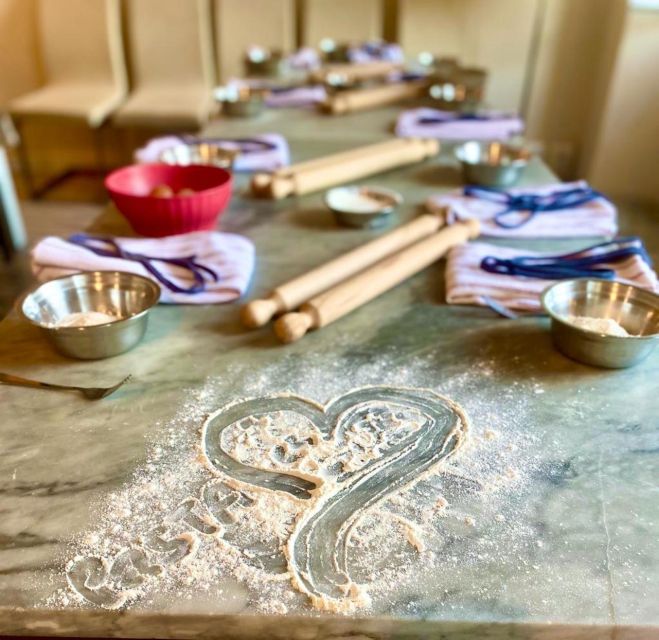
- Three pasta shapes in one class: Make ravioli, tortelli, and fettuccine from egg and flour.
- Two sauces with different techniques: Try the long-cooked tomato sauce and freshly prepared butter and sage sauce.
- A historic setting: The school is inside Palazzo Grazioli on Via della Gatta, near major central Rome sights.
- Small English-speaking groups: The class is limited to 10 people, allowing the chef to help each participant.
- A full social meal: Your pasta is cooked and served with Tuscan wine, dessert, and a shot of limoncello.
- Recipes to take home: English recipe booklets help you repeat the class in your own kitchen.
Starting on Via della Gatta near the Pantheon
The meeting point is Via della Gatta 14, 00186 Roma. You go directly to the cooking school and ring the bell marked Pastamania. There is no hotel pickup, so plan your route before setting out, especially if you are arriving from another part of the city.
The location is one of the class’s nice surprises. You are in the center of Rome, close to the Pantheon and Piazza Venezia, but the entrance sits at the back corner of Palazzo Grazioli. Look for the marble cat statue that gives Via della Gatta its name. It is a small detail, but it gives the start of the evening a sense of place.
This is not a class in a distant suburb or a hotel conference room. You are cooking in the middle of the old city, with Rome’s streets right outside. You can easily pair the activity with sightseeing before or after, although you should leave enough time to arrive without rushing.
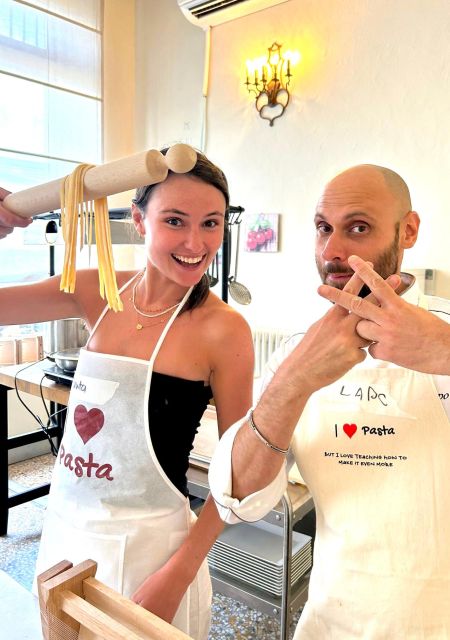
The class is conducted in English and is limited to 10 participants. That size matters. You are not lost in a crowd, and the instructor can move around the table to check your dough, shaping, and technique. Several instructors lead sessions, including Fabrizio, Noemi, Olga, Giorgio, Christian, Marco, Martina, and Roberto. The strongest praise centers on their patience, humor, and close attention.
More Cooking Classes in Rome:
- Fettuccine & Tiramisù: Cooking Class with Wine & Limoncello
★ 4.9 · 2,103 reviews - Pasta Making & Wine Tasting with Dinner in Frascati from Rome
★ 5.0 · 1,326 reviews - Rome Cooking Class: Make Pasta, Dine & Drink Wine With Local Chef
★ 5.0 · 1,263 reviews
Making dough with eggs, flour, and a rolling pin
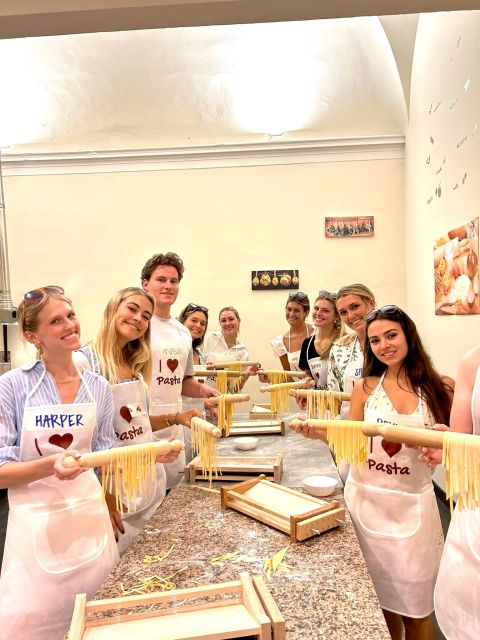
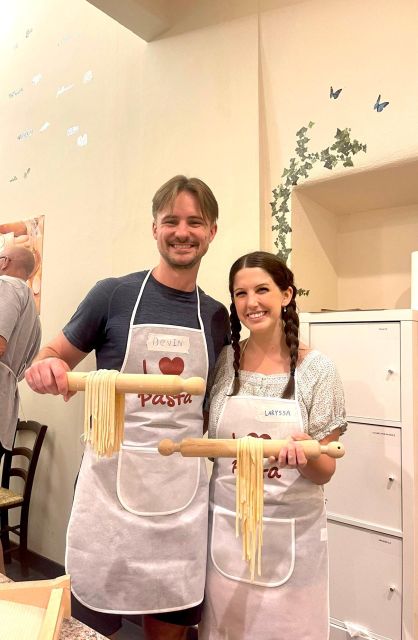
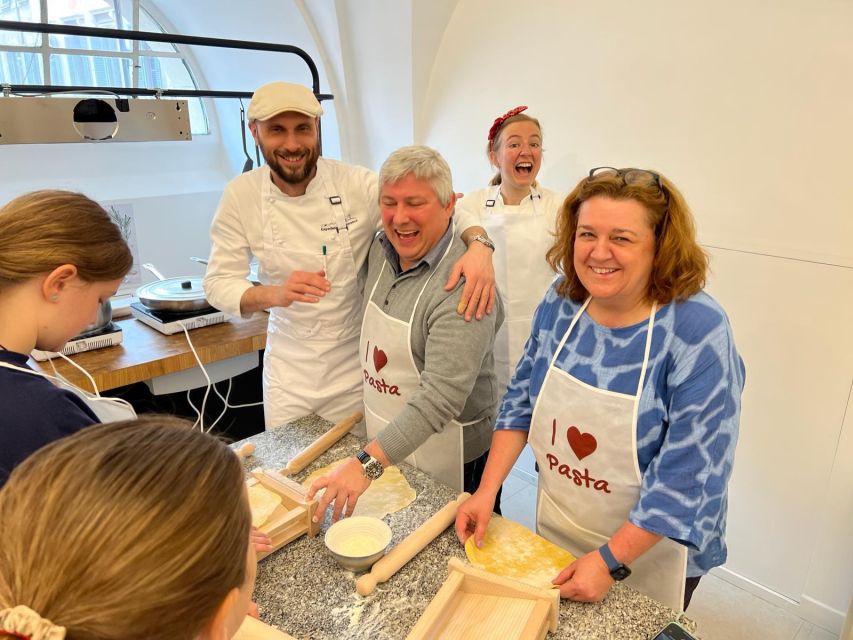
The class begins with an introduction to fresh pasta. You put on an apron, collect your rolling pin, and work with the basic ingredients: flour and eggs. The lesson is designed for beginners, so you do not need previous cooking experience.
The useful part is that you handle each stage yourself. You knead the dough, roll it out, and shape it. This makes the class more valuable than a demonstration where a professional does all the work while you take photographs. You learn how the dough feels and how much pressure is needed, lessons that are hard to pick up from a recipe alone.
The instructor works through the steps and checks each person as the class progresses. That personal attention is important because pasta dough can change with small differences in technique. A beginner who has never cooked can still take part, while someone who already cooks may pick up better shaping and sauce habits.
The class is suitable for children from age eight, and the warm teaching style should work well for families, couples, friends, and mixed-age groups. One family ranging from age 20 to 75 enjoyed the activity together, which gives you a useful idea of its broad appeal. Teenagers and older children can take an active role rather than simply sitting at the table.
Three shapes: ravioli, tortelli, and fettuccine
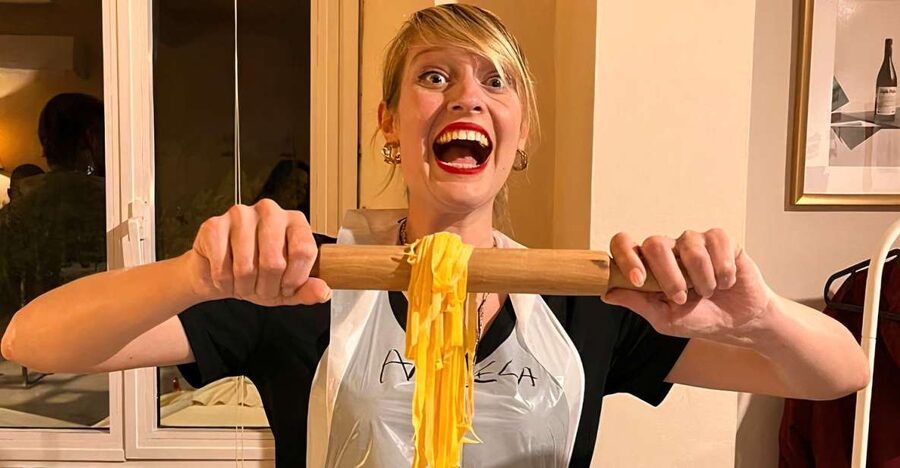
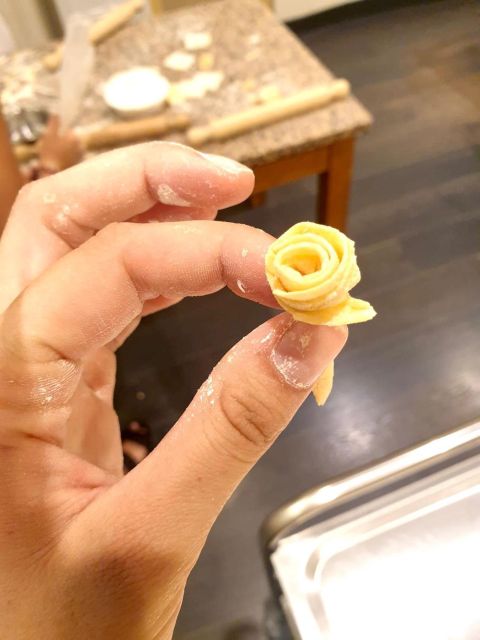
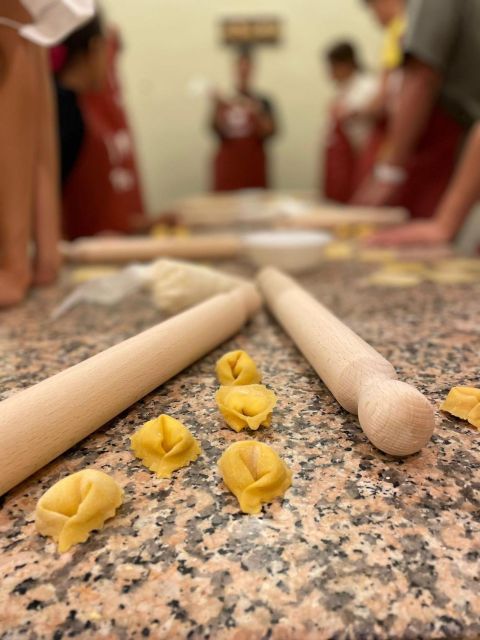
The main work produces three pasta types: ravioli, tortelli, and fettuccine. Ravioli and tortelli are filled shapes, while fettuccine gives you practice with long pasta. Each one asks for a slightly different touch.
Filled pasta teaches care and restraint. You need enough filling, but not so much that the pasta will not seal. You also need to press out air and close the edges properly. The instructor guides you through these details, and you can ask questions as you work.
Fettuccine gives the group a different rhythm. Rolling and cutting the sheets into long ribbons is direct and satisfying, especially once you see a pile of fresh pasta forming on the table. You are not just preparing one dish. By the end, you have worked with several classic forms that you can repeat at home.
The class has a friendly, communal feel because each participant prepares personal portions, then everything is cooked together in one pot and shared. This is an important distinction. You get the pleasure of making your own pasta, but you also eat as a group, more like a family meal than a formal restaurant service.
Tomato sauce and butter with sage
The sauces give the meal some variety. A signature tomato sauce is prepared in advance and allowed to simmer for hours. That long cooking time means you can focus on pasta during class rather than waiting for sauce to develop from scratch.
For the ravioli and tortelli, the instructor prepares a butter and sage sauce in front of you. The contrast is useful: tomato brings a familiar, bright flavor, while butter and sage are simpler and more delicate. You can see how the sauce is put together shortly before serving, rather than receiving a finished plate with no explanation.
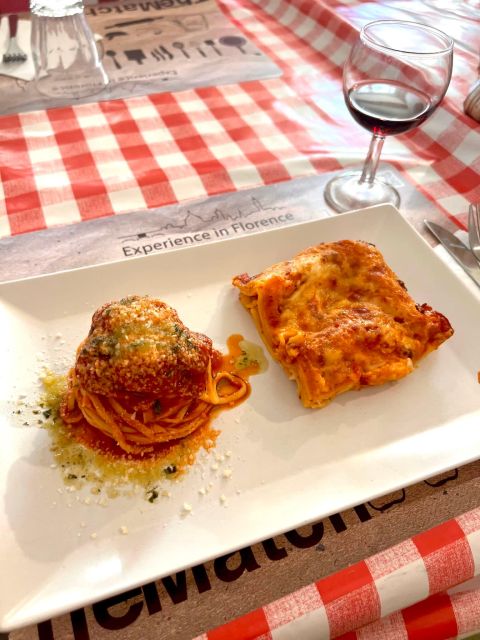
The chef also cooks the pasta in front of the group and explains the process. This is where the lesson becomes practical. Fresh pasta cooks differently from dried pasta, and the instructor’s timing helps protect the texture you worked to create. One especially useful feature is that the chef cooks the pasta properly after you have made it, so your meal is not spoiled by overcooking.
You should arrive hungry. The class produces several pasta shapes, and the meal is followed by dessert. The food is not a token sample at the end of a lesson. It is a substantial part of the three-hour experience.
More Sweet Stops in Rome:
- Rome Cooking Class: Make Pizza and Pasta with Wine & Dessert
★ 4.5 · 651 reviews - Melbourne: Yarra Valley Wine, Gin, Whisky and Chocolate Tour
★ 5.0 · 3,667 reviews - Epic Yarra Valley Wine Tour + Lunch, Chocolate & Gin/Beer Option
★ 5.0 · 1,819 reviews - Amazing Yarra Valley Wine Tour + Chocolate, Farm Fresh, Gin
★ 5.0 · 1,566 reviews
Tuscan wine, dessert, and limoncello at the communal table
Once the pasta is ready, everyone sits down together. This is when the class shifts from practical instruction to a relaxed shared meal. You can talk with people from different countries, compare your pasta shapes, and enjoy the results without needing to rush off to another appointment.
The wine is Dalle Nostre Mani, an organic Tuscan wine produced on the provider’s own farm. The activity includes Tuscan wine, but additional food and drinks are not included. Only participants of legal drinking age are served alcohol.
If you do not drink, tell the provider in advance and confirm the available alternative. One session offered nonalcoholic options, but you should not assume every possible drink will be available. The listed experience includes wine, dessert, and a limoncello shot, so the alcohol component is a real part of the meal rather than an optional afterthought.
Dessert varies by session, but examples praised after the class include cake and chocolate salami. The limoncello gives the evening a traditional Italian finish. It is a small shot, not a separate tasting, but it completes the meal nicely.
The communal table is one of the strongest reasons to book this instead of taking a private cooking lesson. You are not only learning a dish. You are sharing food and conversation with a small group, which can make the evening feel more personal and less like a scheduled attraction.
What the instructors do well
The instructors receive unusually consistent praise. Olga is described as clear, patient, and passionate, while Christian is frequently praised for his humor and warm manner. Fabrizio is noted for checking each participant and giving individual help. Giorgio is repeatedly singled out as funny, welcoming, and good at explaining pasta and sauces.
Those details matter more than a list of equipment. Pasta classes can become frustrating if the teacher moves too fast or focuses only on the most confident person at the table. Here, the teaching style appears to be a major part of the experience. The chef demonstrates, lets you work, then comes back to correct or encourage you.
Fabrizio also recommended a gelato place to one participant after class. That kind of local tip can be useful, though you should treat it as an occasional bonus rather than a promised part of the itinerary.
The cooking staff also keeps the tone light. Several sessions included jokes, questions, and plenty of conversation. If you prefer a quiet, highly technical cooking lesson, the social style may feel a little lively. For most people, particularly first-time pasta makers, it makes the three hours pass quickly.
Is $48 a good value in Rome?
At $48 per person, the price is strong for a three-hour central Rome activity. You receive instruction, ingredients, three kinds of pasta, sauces, a meal, Tuscan wine, dessert, limoncello, and an English recipe booklet. The meal alone gives the price practical value, while the lesson gives you something to take home beyond a full stomach.
The recipe booklet is especially useful. You do not have to rely on memory after leaving Rome, and you can try the dishes again in your own kitchen. One participant even bought a ravioli cutter and truffle oil from the Pastamania shop afterward, suggesting that the class can turn curiosity into a real cooking hobby.
Still, value depends on your interests. If you want a quick pasta tasting, three hours is too long. If you dislike group activities, communal dining may not suit you. And if your diet excludes wheat, dairy, nuts, or animal products, the school is not a good match.
The class is also good value for a rainy afternoon or an evening when you want a break from churches, museums, and ancient ruins. Rome offers endless sightseeing, but a cooking class gives you a different way to understand Italian culture. You learn through touch, timing, eating, and conversation.
Practical details before you book
Wear comfortable clothes suitable for cooking. Flour and dough are part of the process, so your best dinner outfit may not be the sensible choice. Smoking is not allowed.
You must be at least eight years old. The activity is not suitable for wheelchair users or people with mobility impairments. The school asks you to provide dietary needs and allergies when booking, but it cannot accommodate vegan diets, gluten sensitivity, lactose intolerance, or nut allergies.
The duration is three hours, and starting times vary. Check the available session time before arranging dinner or an evening performance. You should also allow time to find Via della Gatta and the Pastamania bell.
Free cancellation is available up to 24 hours before the activity for a full refund. You can also reserve and pay later, which helps if your Rome schedule is still changing. The provider requires a minimum number of participants, so a session could be moved or refunded if that minimum is not reached.
The experience has a 4.9 rating from more than 3,000 bookings and a very high record of positive feedback. The praise focuses on the food, patient instructors, good atmosphere, and value rather than only on the central location. That combination is what makes the class worth considering.
Who should book this pasta class?
I would recommend it to first-time pasta makers, couples, families with children over eight, groups of friends, and solo visitors who enjoy meeting people around a table. It is also a good choice for anyone who wants a hands-on activity between Rome’s major sights.
You will get the most from it if you are curious, willing to work with your hands, and happy to eat a meal at the end. Come hungry, ask questions, and do not worry about making perfect pasta on your first try. The instructors are there to help.
I would skip it if you need vegan, gluten-free, lactose-free, or nut-free food, or if you want a quiet, private lesson. Mobility limitations may also make the setting unsuitable.
Should you book it?
For $48, this is one of the more useful food experiences you can add to a Rome itinerary. You make three pasta shapes, eat what you prepare, drink Tuscan wine, finish with dessert and limoncello, and take recipes home. The central Palazzo Grazioli setting and consistently praised instructors, especially Olga, Christian, Fabrizio, and Giorgio, add real value.
Book it if you want a friendly, practical evening rather than another passive sightseeing stop. Just check the dietary restrictions, age requirement, mobility needs, and session time first. If those fit, this is a very good way to spend three hours in Rome.
FAQ
Where does the pasta-making class take place?
The class takes place at the provider’s cooking school at Via della Gatta 14, 00186 Roma, inside Palazzo Grazioli. Ring the bell marked Pastamania.
How long does the experience last?
The class lasts three hours. Starting times vary, so check availability when booking.
Which types of pasta will I make?
You will make ravioli, tortelli, and fettuccine. Ravioli and tortelli are filled pasta shapes.
Is the class taught in English?
Yes. The listed instructor language is English.
What food and drinks are included?
The experience includes the pasta-making class, the meal you prepare, Tuscan wine, dessert, and a shot of limoncello. Additional food and drinks are not included.
Can children take part?
Participants must be at least eight years old. Alcohol is served only to people of legal drinking age.
Can the class accommodate dietary restrictions?
You must report dietary needs and allergies when booking. The school cannot accommodate vegan diets, gluten sensitivity, lactose intolerance, or nut allergies.
More Workshops in Rome
- Rome: Pizza & Tiramisu Class with Free Flowing Fine Wine
★ 5.0 · 973 reviews - Rome: Fresh Pasta-Making Class with Wine and Gelato
★ 4.9 · 813 reviews - Super Fun Pasta & Gelato Class by Vatican with Wine + Oil Tasting
★ 5.0 · 726 reviews - Rome: Pizza & Tiramisu Class with Free Flowing Fine Wine
★ 4.9 · 697 reviews
More Pasta Making in Rome
- Rome: Pasta & Tiramisu Class with Fine Wine by the Vatican
★ 4.9 · 4,852 reviews - Learn to Make Pasta & Tiramisu with Wine and Limoncello Included
★ 5.0 · 2,345 reviews - Rome Pasta and Tiramisu Class: Ravioli, Fettuccine & Fine Wine 5*
★ 5.0 · 1,319 reviews - Rome: Combo Pizza and Pasta Cooking Class with Wine
★ 4.6 · 1,180 reviews
Newly added around Rome
- Rome: Painting Class with Unlimited Wine★ 4.8 · 109 reviews
- Rome: Vatican Street Food and Wine Tour with Farmers Market★ 5.0 · 37 reviews
- Rome: Trionfale and Prati Food and Wine Tasting Tour★ 4.8 · 115 reviews
- Rome: Testaccio Food & Market Tour with Pasta & Wine★ 5.0 · 38 reviews
- Rome: Trastevere Food Walking Tour with Beer and Wine★ 4.9 · 71 reviews
- Rome: Trastevere Wine Tasting with Food Pairing and Gelato★ 4.9 · 168 reviews
- Rome: Private Guided Golf Cart Tour with Gelato or Wine★ 4.9 · 338 reviews
- Rome: Pasta Making Class with Tiramisu & Wine PRIVATE OPTION★ 4.8 · 404 reviews
Cooking Classes, compared.
Pasta & Tiramisu Cooking Class with Unlimited Wine
Read our review →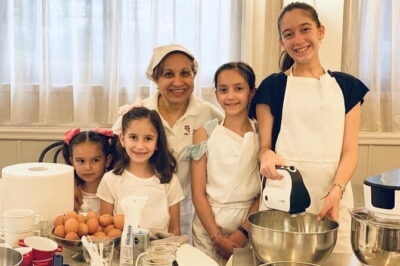
Cooking Class Pasta & Tiramisu Making Unlimited Wine
Read our review →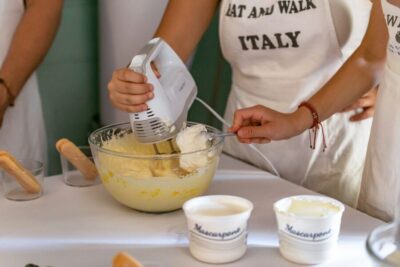
Fettuccine & Tiramisù: Cooking Class with Wine & Limoncello
Read our review →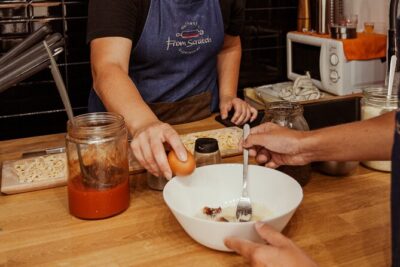
Pasta Making & Wine Tasting with Dinner in Frascati from Rome
Read our review →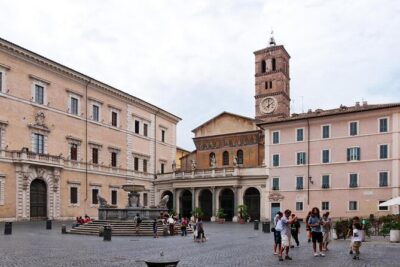
Rome Cooking Class: Make Pasta, Dine & Drink Wine With Local Chef
Read our review →
Combo Pizza and Pasta Cooking Class with Wine
Read our review →Browse the lists this tour appears in