REVIEW · WINE & CHEESE TASTINGS
Bordeaux Wines Masterclass paired with cheeses & charcuterie
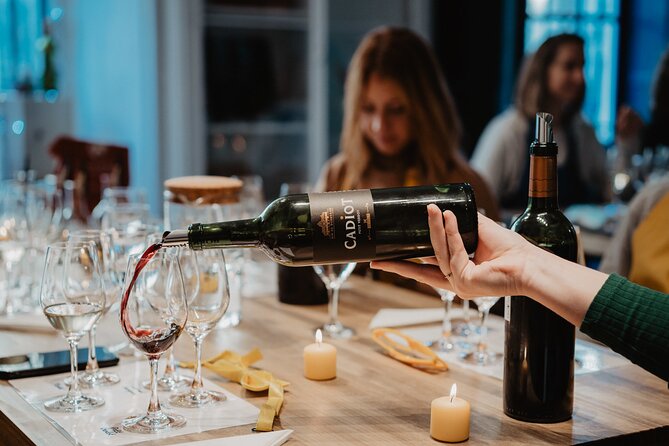
Wine makes more sense when you know what to taste. This Bordeaux wine masterclass gives you a useful introduction to the region in a small, friendly setting, just two steps from the Grand Théâtre. I like the clever progression from one white wine to three single-grape reds and two finer Bordeaux wines, and I like the way the cheese, charcuterie, and bread turn theory into something practical. The main caution is that the room has received one complaint about heat and cheese odors, so anyone sensitive to warm indoor spaces or strong fromage should keep that in mind.
At about $54.42 per person, this is not simply a series of wine samples. It is a short course in terroir, appellations, grape varieties, blending, winemaking, aging, and food pairing. You do not need prior wine experience, though the class can also help experienced drinkers sort out the Left Bank and Right Bank.
Key points at a glance
- Six regional wines in a clear sequence: One white and five reds show how Bordeaux grapes and blends differ.
- Single-grape reds make the lesson practical: Tasting varieties separately helps you understand why Bordeaux producers blend them.
- Cheese and charcuterie are part of the teaching: The local food board is more than a snack, since it shows how wine changes with food.
- A small group keeps the class personal: The stated maximum is 10 people, with plenty of room for questions.
- Central Bordeaux location: Meet at 2ter Rue Mably, near the Grand Théâtre and public transportation.
- A useful first-day activity: The class can give you enough vocabulary to choose bottles and plan visits to Bordeaux wine areas.
A wine classroom near the Grand Théâtre
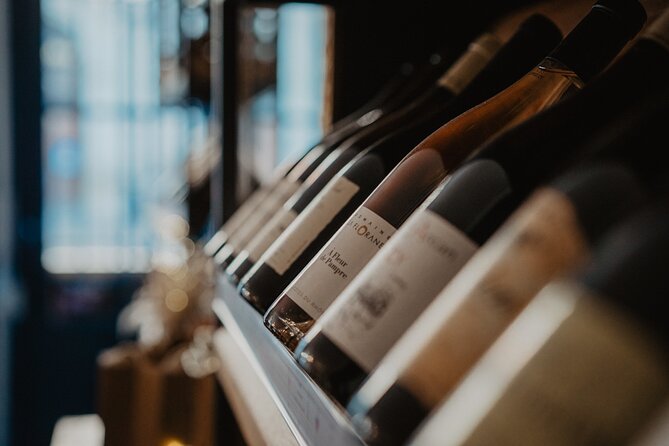
The experience begins at 2ter Rue Mably, in central Bordeaux. The location is handy if you are already exploring the Grand Théâtre, Place de la Bourse, or the surrounding shopping streets. You do not need to arrange a trip out to a château, and the meeting point is near public transportation.
The setting is described as somewhere between a wine bar and an oenology classroom. That is a good fit for this type of activity. You get a relaxed place to taste, but the session has a proper educational shape rather than becoming a casual drink with a few vague comments about fruit and oak.
The scheduled start is 11:00 a.m., and the class lasts about 90 minutes. That timing works well early in a Bordeaux visit. You can learn the basics before choosing wine with lunch, visiting a shop, or setting off on a separate excursion. Allow some flexibility, since one session ran longer than the stated time.
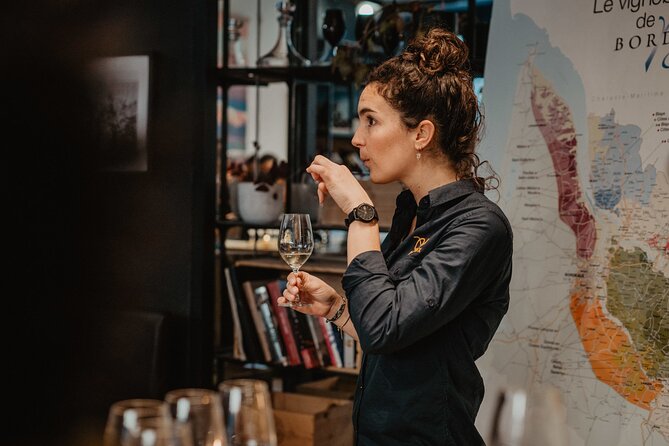
The group limit is 10 people. That matters here. Wine teaching works best when you can ask why one glass smells different from another, or admit that you cannot identify an aroma without feeling foolish. The instructors, including Antoine, Hugo, Noe, Vincent, Matilde, and Ana on different sessions, have been praised for explaining the subject at the level of the group.
More Wine and Cheese Tastings in Bordeaux
- Professional – Bordeaux Wine and Cheese Tasting with a walking tour
★ 5.0 · 218 reviews - Tasting of 6 Bordeaux wines and pairing charcuterie & cheese
★ 5.0 · 199 reviews - Bordeaux: Wine Masterclass with Cheese and Charcuterie Board
★ 4.9 · 184 reviews
The opening white wine teaches you how to taste
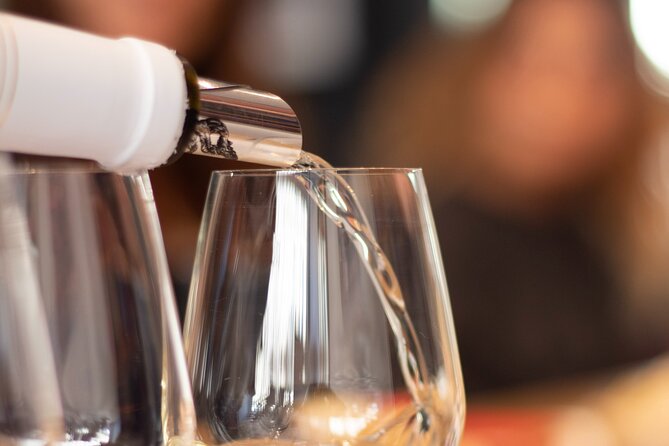
The first glass is a white Bordeaux wine. Rather than rushing straight into several reds, the class uses this opening pour to explain a standard tasting method.
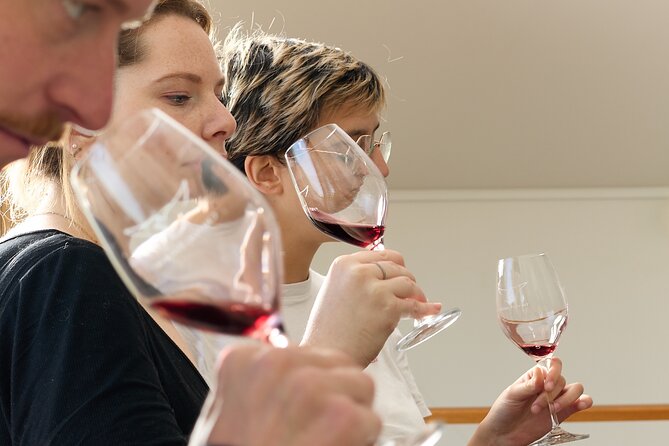
You are guided through the basic steps: look at the wine, smell it, taste it, and think about how the flavors change. The emphasis on smell is especially useful. Many people try to identify wine only with their tongues, but the nose does much of the work. Exercises with scents may help you notice primary, secondary, and tertiary aromas without turning the class into a test of fancy vocabulary.
This first wine also gives the group a common starting point. If you are new to French wine, you can learn the basic process without needing to know a château name or appellation. If you already drink Bordeaux, the method can help organize what you already sense.
The white wine is not just an opening courtesy. It shows that Bordeaux is not only about powerful reds. The focus of the class remains on red wine, but beginning with white makes the tasting sequence feel more complete.
Three single-grape reds explain Bordeaux blending
The most useful part of the tasting is the set of three red wines made from single grape varieties. Bordeaux is famous for blends, and that can make the region confusing at first. One bottle may contain several permitted grapes, each contributing structure, color, aroma, acidity, or softness.
Tasting single-grape wines first gives you a reference point. You can compare their individual traits before considering how a winemaker combines them. This is a much clearer lesson than simply being told that Bordeaux is a blend-based region.
The class uses these glasses to discuss grape characteristics and the reason for blending. You may learn to connect a grape variety with its body, aroma, texture, or finish, while also seeing why no single variety always tells the full Bordeaux story.
The precise wines can change. The provider notes that the selection and schedule may vary, but the quality of the offering is intended to remain consistent. That means you should expect the same teaching pattern rather than a guaranteed producer, vintage, or bottle.
For you, the practical benefit is simple. After this part, a wine list or shop shelf should look less mysterious. You will have a better chance of understanding what you are ordering instead of selecting a bottle based only on an attractive château label.
Left Bank and Right Bank in two final glasses
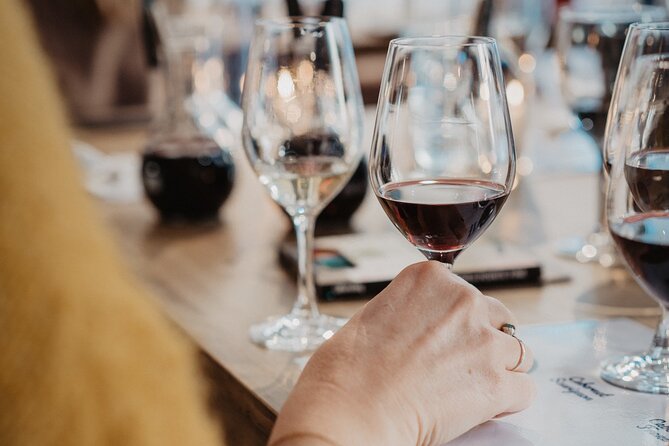
The final two wines shift from grape variety to place. One comes from Bordeaux’s Left Bank, and the other from the Right Bank. One of these is a Bordeaux grand cru.
This is where geography becomes useful. The Left Bank and Right Bank are not just tourist phrases. They describe different wine areas with different traditions, grape balances, and styles. The class connects those broad regional differences to what you smell and taste in the glass.
The lesson does not turn you into a Bordeaux specialist in 90 minutes, nor should it try. Instead, it gives you a working map. You begin to understand why two bottles from the same broad region can taste quite different, and why an appellation can tell you more than a simple color description.
The grand cru tasting adds a sense of occasion, but keep your expectations sensible. This is an introductory class, not a private tasting of elite château releases. The point is to compare styles and understand Bordeaux categories, not to consume a large pour of a rare collector’s bottle.
This final pairing also gives you useful language for later meals. If you want to explore the Left Bank or Right Bank independently, the class can help you ask better questions and make a more informed choice.
More Wine and Cheese Tastings in France
- Introduction to Bordeaux wines paired with cheeses & charcuterie
★ 5.0 · 175 reviews - Bordeaux Gourmet Experience: Cheese & Wine Tasting
★ 4.6 · 169 reviews - Bordeaux Gourmet Experience : tasting of French cheeses & wines
★ 4.5 · 71 reviews - Bordeaux Afternoon Food Tour : Sweets, Wine and Cheese
★ 5.0 · 38 reviews
Local cheese, charcuterie, and bread make the lesson work
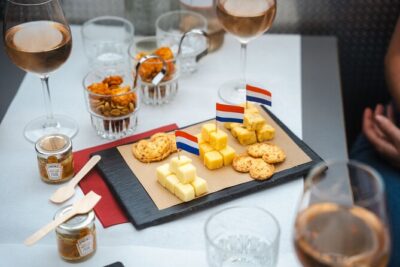
The food board includes local cheeses, charcuterie, and fresh baguette. It is a generous companion to the wine, but its real value is educational.
Salt, fat, acidity, and texture can alter the way a wine tastes. A red that seems firm on its own may feel rounder with cured meat. Cheese can soften a wine’s edges or make its fruit seem more pronounced. You may not leave able to name every pairing rule, but you should understand why food changes the glass in front of you.
The local products also connect the classroom to daily French eating. This is not a grand meal, and you should not book it expecting lunch. It is a tasting board designed to support the wines. Fresh baguette is available, and water is provided.
One practical note: cheese has a smell. One complaint described a foul odor, while the provider explained that the room contained traditional artisanal cheeses. That difference in perception is worth noting. Most people who enjoy French cheese will likely consider the aroma part of the setting, but anyone sensitive to strong dairy smells should know what kind of room this is.
Expert instruction without wine-school stiffness
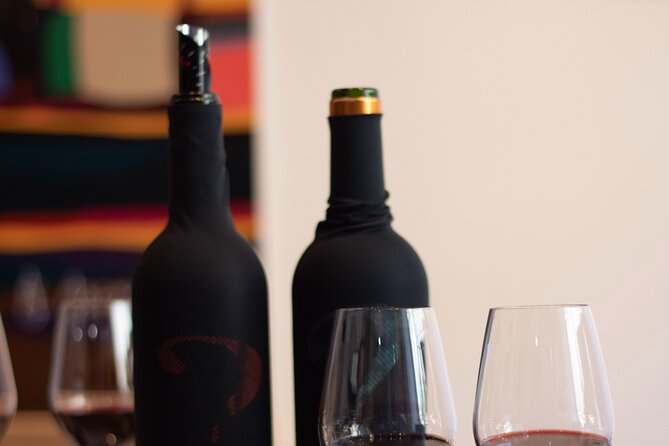
The instructors are the heart of the activity. Antoine has been praised for making technical points easy to understand. Hugo has led sessions that mix history, theory, and tasting. Noe has used sensory exercises to help participants identify aromas, while Vincent has focused on regional geography, grape varieties, and the history of Bordeaux wine.
Matilde and Ana have also been praised for creating a friendly group atmosphere and making space for questions. Since the instructor can adjust the explanation to the audience, the session should suit beginners who know little about French wine as well as regular wine drinkers who want a clearer Bordeaux framework.
The tone appears to be conversational rather than stern. You will learn terms such as terroir, appellation, classification, vinification, aging, storage, and service. These words matter because French wine labels often rely on place and classification more heavily than grape names.
Do not worry about arriving with the right vocabulary. No previous knowledge is required. The class is designed to teach as it goes, and the informative handouts give you something to refer to later.
What the $54.42 price actually buys
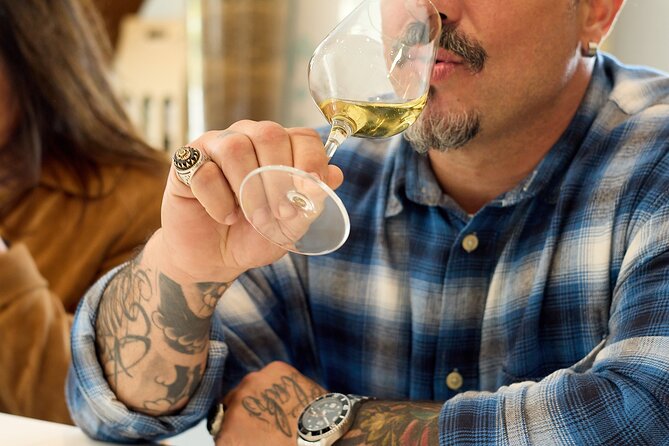
At $54.42 per person, the price is reasonable if you want structured instruction rather than a quick pour-and-go tasting. The fee includes six advertised wines, a cheese and charcuterie board, baguette, water, handouts, and the wine expert’s presentation.
The value improves if you are new to Bordeaux. A single château visit can offer a lovely setting, but it may focus mainly on that producer. This class gives you a wider regional overview in a short period, including white wine, single-grape reds, Left Bank, Right Bank, and a grand cru example.
It is also useful for anyone planning more wine activities during a Bordeaux stay. The class can help you decide which areas interest you and make later bottle purchases less intimidating.
The value is less clear if you want only rare wines or large pours. The wines are selected for comparison and teaching, not as a promise of the most expensive bottles in the region. One account specifically found the wines good but not especially exquisite. That is a fair expectation to set before booking.
Who should book this Bordeaux tasting?
I would recommend it most strongly to first-time visitors, curious beginners, and wine drinkers who enjoy Bordeaux but cannot yet explain the difference between an appellation, a grape, and a château.
It also suits couples and small groups. The room is designed for discussion, and the maximum of 10 people gives the session a more personal feel than a large bus tour. Solo visitors can also fit in comfortably because the food and tasting create easy conversation.
This is a good choice if you want to learn before ordering bottles at restaurants. It is also useful if you plan to visit wine areas later and want a quick introduction to the Left Bank and Right Bank.
I would choose a different activity if you want to walk through vineyards, tour fermentation rooms, or spend a full day at a château. This class stays in central Bordeaux and concentrates on tasting and explanation. It also is not suitable for children under 16 or pets, though service animals are allowed.
Practical details before you reserve
The experience is offered in English, uses a mobile ticket, and begins at 11:00 a.m. It ends back at the meeting point. The location is near public transportation, so you can build it into a city day without arranging a private transfer.
Wines and the precise schedule can change. The teaching quality and general structure are intended to remain the same, but do not book expecting a specific vintage or producer.
The activity offers free cancellation if you cancel at least 24 hours before the local start time. Changes or cancellations inside that period are not accepted for a refund.
The overall rating is 4.9 from 110 ratings, with 99 percent recommending the experience. That strong result fits the main strengths: clear explanations, friendly instructors, good food pairings, and a compact lesson that gives Bordeaux some shape.
Still, the one negative account should not be ignored. Heat and room odor can affect your enjoyment, and conditions may vary by day. If you are concerned, a private tasting may offer a better fit, though the available information does not specify its price or format.
Should you book it?
Yes, if you want a practical Bordeaux introduction in 90 minutes. The best feature is the teaching order: white wine first, single-grape reds next, then Left Bank and Right Bank examples. That progression gives you a way to understand Bordeaux rather than simply drink it.
Book it near the beginning of your stay, especially if you plan to buy wine or visit the region’s châteaux. Skip it if your priority is a vineyard setting, rare bottles, or a full meal. For most curious wine drinkers, the combination of six tastings, local food, central location, and an expert who can explain the subject in plain English makes the price a fair one.
FAQ
Where does the Bordeaux wine masterclass begin?
It begins at 2ter Rue Mably, 33000 Bordeaux, France, two steps from the Grand Théâtre.
What time does the experience start?
The scheduled start time is 11:00 a.m.
How long does the wine class last?
It lasts approximately 1 hour and 30 minutes, though you should allow extra time in case the discussion runs longer.
How many wines are included?
The stated tasting includes six wines: one white wine and five red wines.
What food is served with the wine?
You receive an assortment of local cheeses and charcuterie, along with fresh baguette bread. Water is also available.
Is previous wine knowledge required?
No. The class is designed for people with no prior knowledge, while also offering useful regional information for experienced wine drinkers.
Is the experience offered in English?
Yes, the experience is offered in English.
Are children and pets allowed?
Children under 16 and pets are not allowed. Service animals are allowed.
More Wine and Food Pairings in France
- Bordeaux Food and Wine Tour : Authentic Artisanal Flavors
★ 5.0 · 62 reviews - Bordeaux: Guided Food and Wine Tour with Tastings
★ 4.9 · 41 reviews - #1 Bordeaux Food and Wine Tasting Tour w/ Local Foodie Guide
★ 4.0 · 33 reviews - Bordeaux wines tasting workshop including Food & Wine pairings
★ 5.0 · 31 reviews
More Wine and Food Pairings in Bordeaux
- Saint-Emilion Food and Wine Day Tour
★ 5.0 · 323 reviews - Bordeaux Old Town Food and Wine Tour
★ 5.0 · 278 reviews - Guided Bordeaux Wine Tasting Class with 6 Wines and pairings
★ 4.9 · 181 reviews - Workshop Bordeaux wine tasting: 4 reds & charcuterie pairing
★ 5.0 · 72 reviews
Newly added around Bordeaux
- Saint Emilion Full Day Wine and Bike Tour★ 5.0 · 167 reviews
- Luxurious full day Bordeaux wine tour in a Tesla★ 4.5 · 31 reviews
- Private Bordeaux History Tour with a glass of Bordeaux wine.★ 5.0 · 28 reviews
- Private – Best of Bordeaux Walking Tour + Glass of Bordeaux Wine★ 5.0 · 240 reviews
- Wine Masterclass & Cheese Tasting Workshop in Bordeaux★ 5.0 · 29 reviews
- Bordeaux wines tasting workshop including Food & Wine pairings★ 5.0 · 31 reviews
- Bordeaux Wine Masterclass: Blending workshop with appetizer★ 5.0 · 113 reviews
- Medoc Afternoon Wine Tour – 2 Wineries, tastings & delicacies★ 4.5 · 74 reviews
Wine & Cheese Tastings, compared.
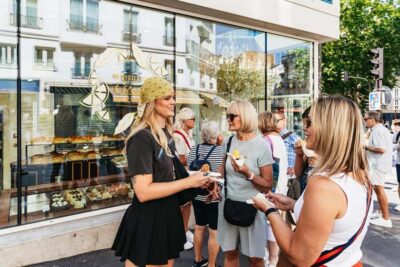
Montmartre Cheese, Wine & Pastry Guided Walking Tour
Read our review →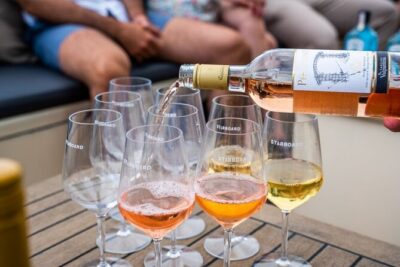
Evening Candle Light Cruise With Wine & Cheese
Read our review →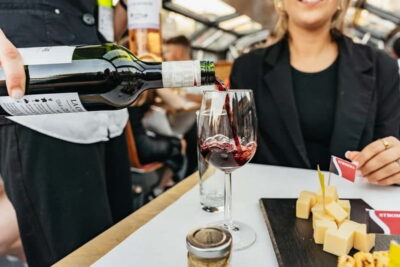
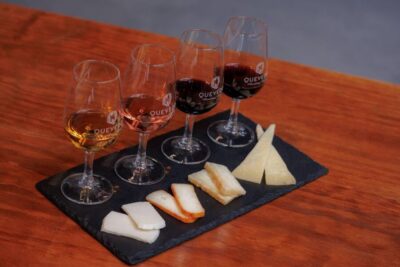
Vila Nova de Gaia: Port Wine Tasting with Cheese Pairing
Read our review →
Private Montmartre Food Tour with Wine, Cheese & Pastries
Read our review →
Paris Le Marais Food Tour With 10+ Tastings, Cheese, Wine & More
Read our review →
Small Group Key West Adult Sunset & Moët Sail & Amazing Cheeses
Read our review →