REVIEW · WINE & FOOD PAIRINGS
Guided Bordeaux Wine Tasting Class with 6 Wines and pairings
Wine gets easier when someone explains it clearly. This 75-minute Bordeaux class turns a confusing subject into a friendly lesson, with regional maps, aroma exercises, food pairings, and a guided tasting of Bordeaux wines. I especially like the small groups of up to six and the chance to learn from trained tasters such as Cécilia and Mathilde, rather than simply standing at a counter while glasses are poured.
I also like the setting. The tasting room is tucked behind an unmarked street door at number 25, identified by a ring marked I LOVE TASTING. Inside, you may find a cozy cellar, a dedicated tasting room, or a private patio in fine weather. The main consideration is the limited 75-minute format, plus a possible mismatch in the advertised wine count: the description lists a mystery wine, two whites, three reds, and a sweet wine, while the inclusions specify six glasses.
Key points at a glance
- A compact Bordeaux lesson: In 75 minutes, you cover appellations, soils, grape varieties, blending, aging, and tasting technique.
- A genuinely small group: The class is limited to six participants, and low attendance can sometimes turn it into a private session.
- A useful aroma game: Smelling aroma samples before tasting helps beginners put words to what they notice in the glass.
- Wine styles from both sides of the Gironde: The program introduces left-bank and right-bank wines, along with dry whites, reds, and sweet wine.
- Food pairing is part of the lesson: Small bites show how a wine can change when tasted with food.
- A practical souvenir: The personal Bordeaux wine booklet gives you a method to use after the class.
Why this Bordeaux class works for beginners
Bordeaux can feel like a code. Labels often emphasize an appellation or château rather than the grape variety, and the region is divided into famous areas with different soils, traditions, and blends. A short class cannot explain every corner of Bordeaux, but it can give you a useful map for the rest of your trip.
The hosts begin with the basics of tasting. You look at the wine, notice its color, smell it, taste it, and consider texture, balance, alcohol, and finish. That sounds formal, but the tone is relaxed. The point is not to perform like a sommelier. It is to notice more and feel less intimidated.
I like the practical teaching style described by several participants. The guides use aroma samples, maps, photos, videos, and clear explanations rather than relying on a memorized speech. Cécilia, Mathilde, Ilona, Camille, Hugo, and other hosts have led sessions, so the exact personality and emphasis can vary. The repeated strength is their ability to answer questions and adjust the discussion to the group.
For a first visit to Bordeaux, that matters. You can ask why two bottles from the same broad region taste different, why one wine feels softer than another, or how to choose a bottle with dinner. Those questions are more useful than a list of château names you will forget by lunchtime.
More Wine and Food Pairings in Bordeaux
- Saint-Emilion Food and Wine Day Tour
★ 5.0 · 323 reviews - Bordeaux Old Town Food and Wine Tour
★ 5.0 · 278 reviews - Tasting of 6 Bordeaux wines and pairing charcuterie & cheese
★ 5.0 · 199 reviews
Finding the unmarked tasting room at number 25
The meeting point is intentionally easy to miss. From the street, you will not see a conventional shopfront or an obvious tasting room. At number 25, look for the door with the ring marked I LOVE TASTING.
That hidden entrance is part of the charm, but it is also the one arrival detail worth taking seriously. Read the directions before setting out and allow a little time to identify the door. Several sessions take place in a home setting, with a converted cellar, a cozy room, or a courtyard rather than a large commercial wine school.
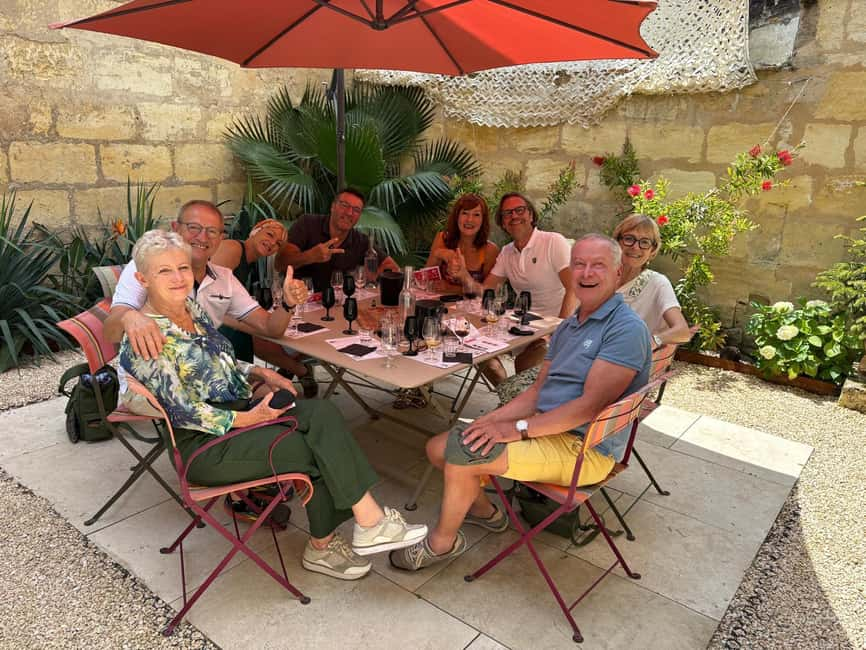
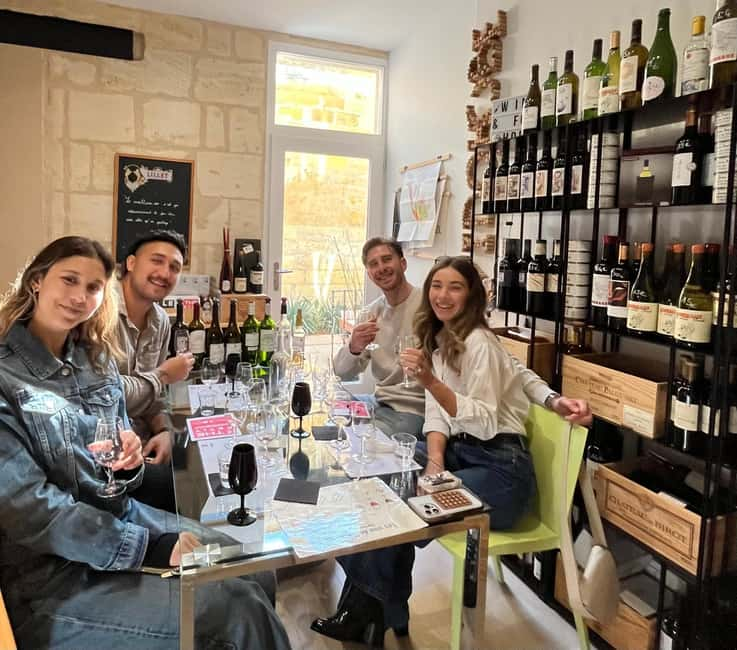
That setting gives the class a personal feel. You are not being moved through a crowded attraction. You sit close to the guide, talk through each wine, and have room to ask questions. In warm weather, the tasting may take place on the private patio. In cooler weather, it can be held in the cellar or in a room fitted out for tasting.
The home setting will not suit everyone. If you want a grand château, vineyard views, or a full production tour, this is not that experience. You are getting instruction and conversation in an intimate urban setting.
The first lesson: seeing Bordeaux by map and soil
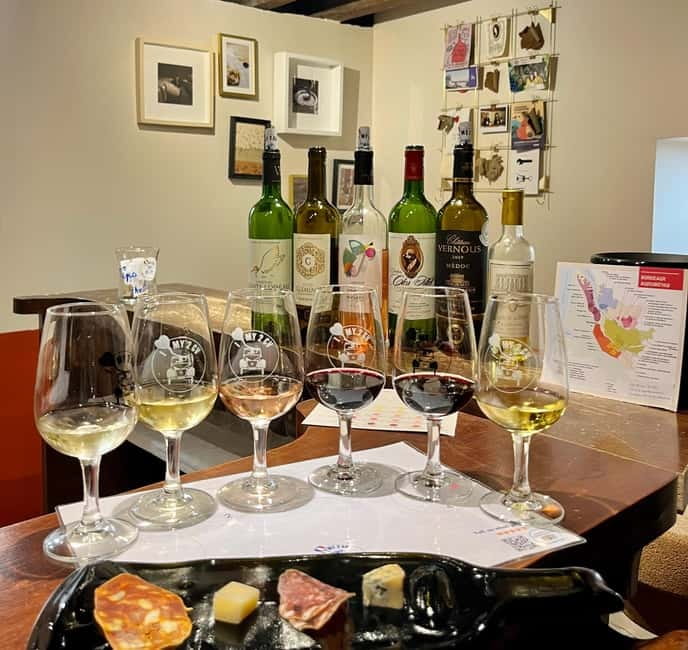
The class places wine in its regional setting before asking you to judge what is in the glass. You learn about Bordeaux’s appellations, its left and right banks, and the difference between gravel and clay soils.
The left bank and right bank distinction is especially helpful. It gives you a simple starting point for understanding why some areas favor different grape combinations. The session explains how Cabernet Sauvignon and Merlot fit into that picture, and why the location of a vineyard can shape the final blend.
This is where the class provides more than a pleasant tasting. You begin to understand that Bordeaux wine is often a blend, not a single grape variety. You also hear about aging in oak barrels, winemaking, classifications, geography, and the traditions behind the bottles.
The information is pitched for ordinary wine drinkers. You do not need to know the difference between Médoc and Saint-Émilion before arriving. One guide can go into the science of wine production, while another may focus more on food, place, or history. The teaching adapts to the questions in the room.
The aroma game makes tasting less awkward
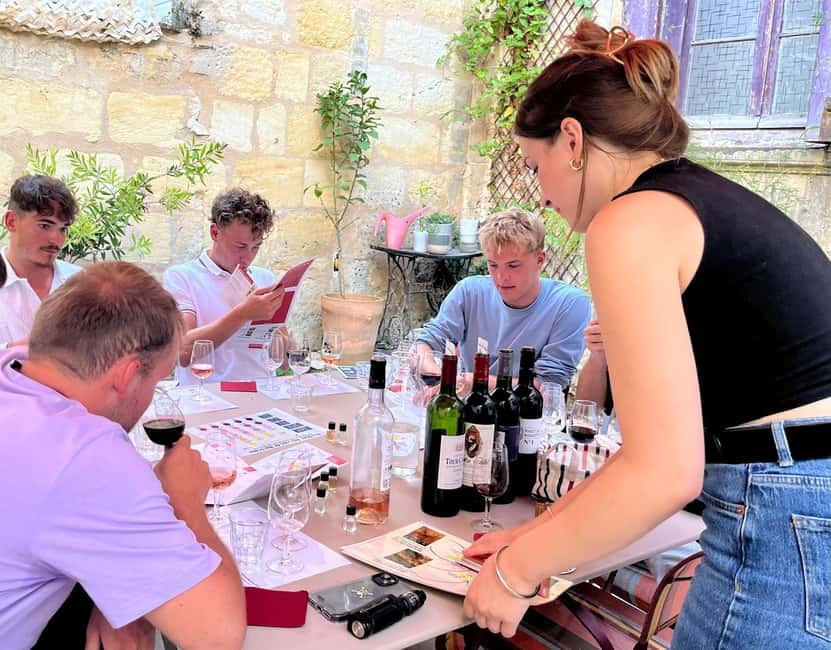
Many people find the smell portion of wine tasting uncomfortable. You swirl the glass, put your nose over it, and wonder why everyone else is apparently smelling cherries, herbs, or pencil shavings while you smell wine.
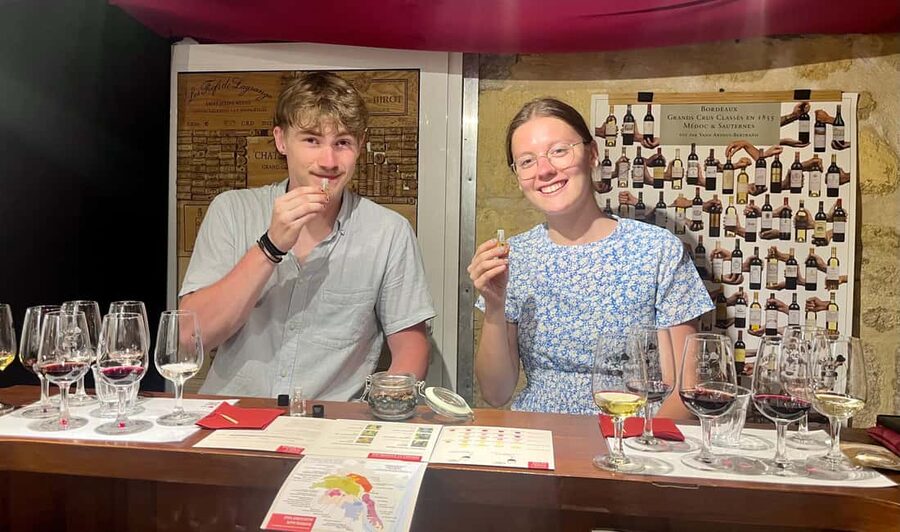
The aroma game gives you a better way in. You smell separate aroma samples before returning to the wine, which helps you connect a familiar scent with what you notice in the glass. This is not about guessing correctly every time. It is about training your attention.
One participant specifically found the scent bottles helpful in understanding what was being tasted. Another arrived expecting to struggle with the nose-and-swirl routine and left able to identify several aromas. That is a good measure of the class: it builds confidence rather than testing your vocabulary.
You should not expect a magic trick. Aroma recognition takes practice, and your impressions will depend on your own senses. The booklet gives you a way to keep practicing at home.
More Wine and Food Pairings in France
- Introduction to Bordeaux wines paired with cheeses & charcuterie
★ 5.0 · 175 reviews - Bordeaux Wines Masterclass paired with cheeses & charcuterie
★ 5.0 · 110 reviews - Workshop Bordeaux wine tasting: 4 reds & charcuterie pairing
★ 5.0 · 72 reviews - Bordeaux Food and Wine Tour : Authentic Artisanal Flavors
★ 5.0 · 62 reviews
Six Bordeaux glasses, with one point to clarify
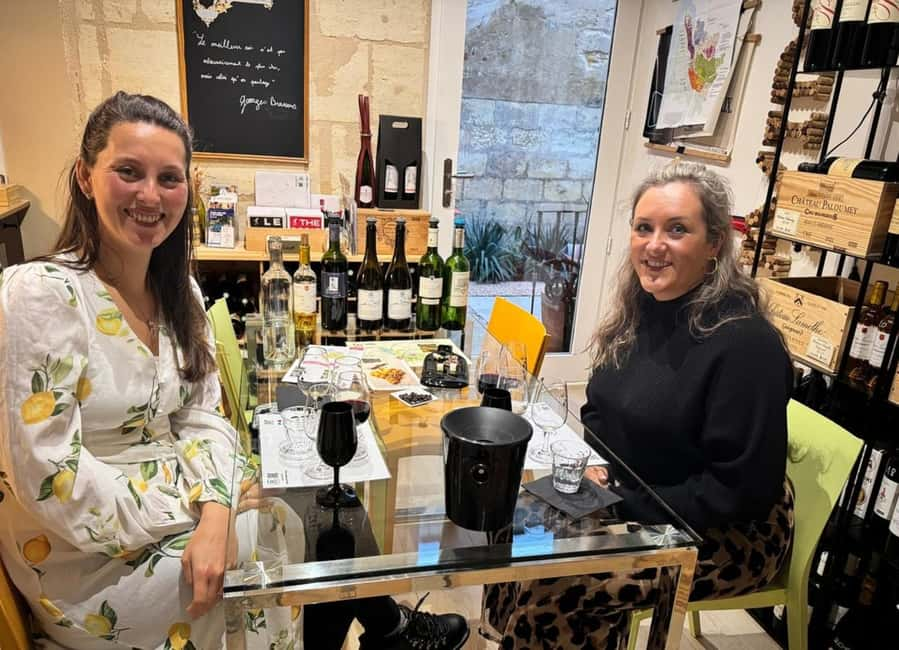
The tasting includes Bordeaux wines selected to show variety. The detailed program describes:
- One mystery wine
- Two dry white wines, representing the left bank and right bank
- Three red wines, including varietal blends from both banks
- One sweet wine
That list adds up to seven categories, while the included items specify six glasses of Bordeaux wine. Since the precise lineup may change with availability, group preferences, and the guide’s choices, I would confirm the exact number and sequence when booking.
The important point is not simply quantity. The tasting is designed as a comparison. You may move from white to red, from one bank to the other, and from a dry style to a sweet finish. That range shows why Bordeaux is not one single flavor profile.
The mystery wine adds a playful element. It asks you to use the tasting method before receiving the answer. This can make the lesson feel less like a lecture and more like a small exercise in observation.
The wines may come from highly classified estates, organic family producers, and other selected winemakers. The guide can adapt the choices to individual tastes, so the session is not only about famous labels. It also introduces you to smaller producers and different approaches to Bordeaux wine.
One practical point: six or seven samples in 75 minutes is a focused tasting, not an evening of drinking. You are there to assess each wine, not to finish large glasses. Eat beforehand, take notes if you wish, and use the opportunity to learn how the wines differ.
Food pairings show what the wine is meant to do
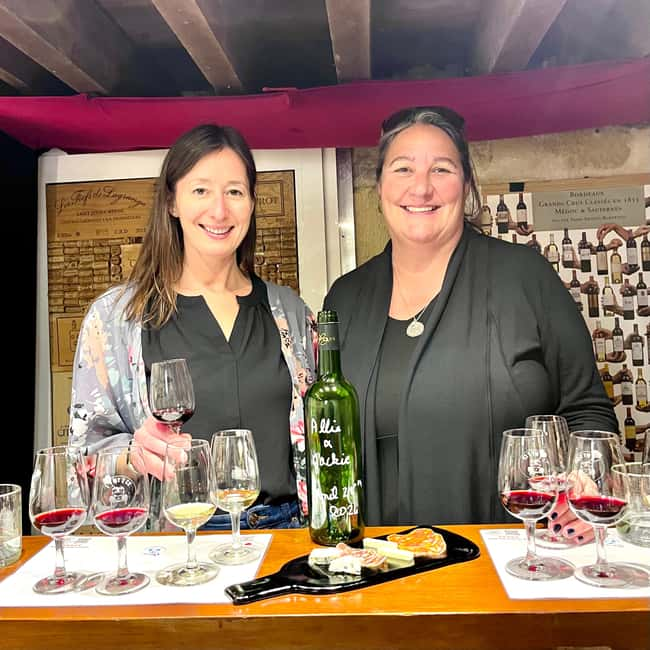
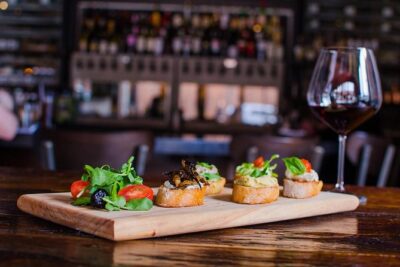
The food pairing segment is one of the most useful parts for anyone planning meals in Bordeaux. You taste small food samples with the wines and see how the combination changes the experience.
This is a simple lesson with a clear payoff. A wine that seems sharp or restrained on its own may feel more balanced with food. A sweet wine may make more sense after you taste it beside a suitable bite. The guide explains why some pairings work and why others can be surprising.
The amount of food appears to be modest. One participant thought a little more would have been welcome, so do not book this expecting lunch or a full meal. Think of the food as a teaching tool, not catering.
I like that approach. It keeps the focus on Bordeaux wine while giving you something concrete to remember. You leave with ideas you can use at a restaurant or when choosing a bottle for cheese, seafood, meat, or dessert.
The guides make the small format worthwhile
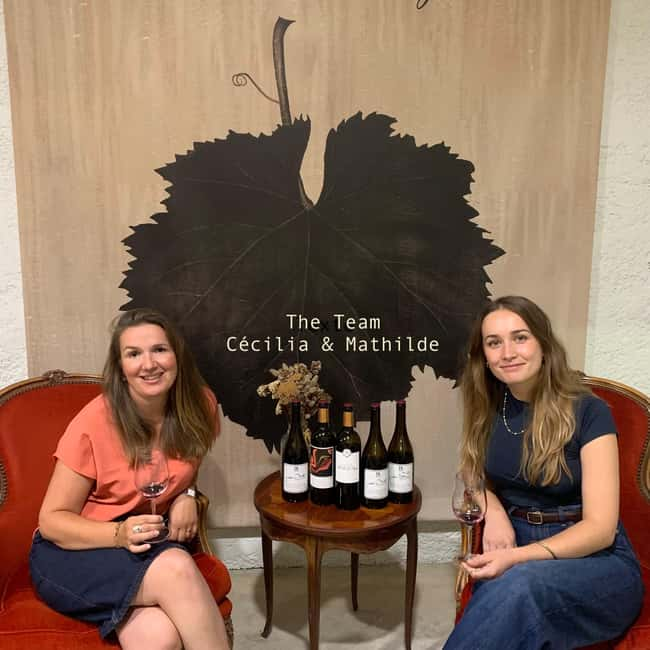
The strongest feature of this experience is the human instruction. Cécilia is praised for making complex regional differences clear and for helping people work out what styles they personally enjoy. Mathilde is described as warm, patient, and engaging, with a talent for turning geography and wine production into an easy conversation.
Other hosts have received similar praise for adapting to first-time tasters, answering technical questions, and keeping the mood light. The class can be educational without becoming stiff. Guests have asked about blending, oak barrels, winemaking science, grape varieties, and food, and the format allows time for answers.
The group size makes a real difference. With six participants at most, you can speak up without interrupting a large presentation. If only two or three people book a time slot, the session may feel almost private. That can be especially good for couples or friends with different levels of wine experience.
The small group also means your experience depends somewhat on the people sharing the table. Most sessions should feel social and conversational, but a quieter group will create a calmer class, while a curious group may lead to more questions and discussion.
Is $53 a fair price?
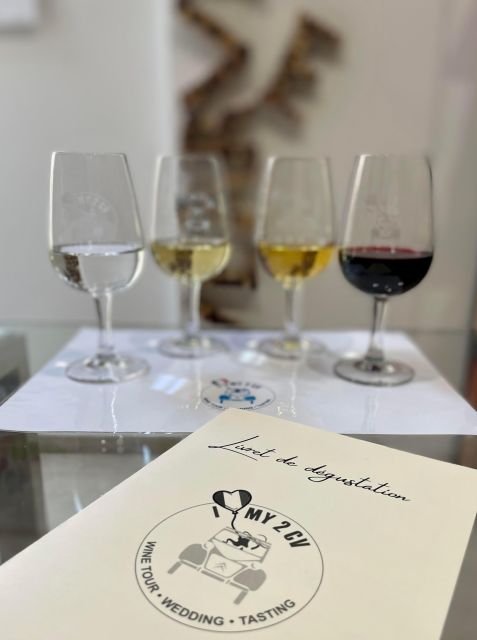
At $53 per person, the class is not the cheapest way to drink wine in Bordeaux. It is a fair price if you value instruction, a small group, six glasses, aroma practice, food pairings, and a take-home booklet.
The comparison is not simply six retail bottles divided by six people. You are paying for a trained guide, a structured lesson, selected wines from different producers, and a setting where you can ask questions. You also avoid spending half a day or a full day traveling out to vineyards, which several people considered a major advantage, especially during winter or on a short city break.
The value is strongest for three types of visitor. First, beginners who feel overwhelmed by Bordeaux labels will get a framework for choosing wine. Second, people with limited time can learn about the region without arranging transport to several estates. Third, wine drinkers who already know the basics can use the session to compare left-bank and right-bank styles in one sitting.
The value is weaker if you already have a detailed Bordeaux wine education or mainly want to see vines, cellars, and production facilities. This is a tasting class, not a vineyard excursion. Hotel pickup and drop-off are not included, so you must make your own way to the meeting point.
Practical details before you book
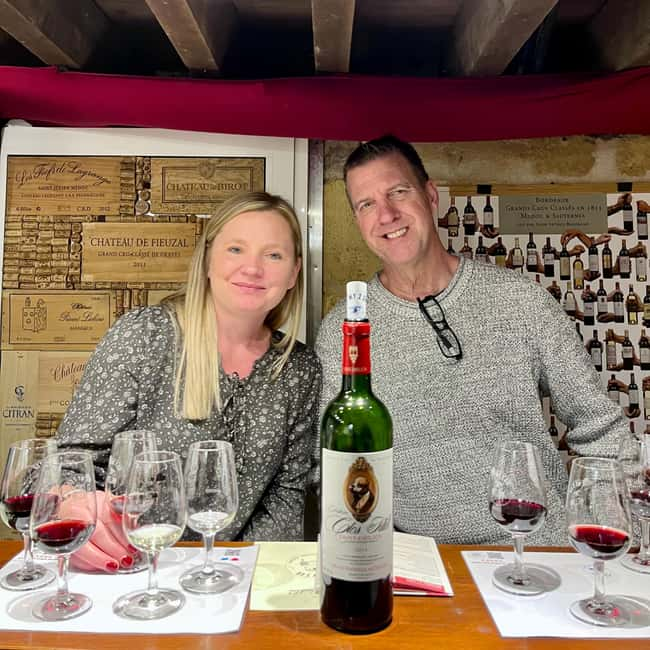
The session lasts 75 minutes, with starting times dependent on availability. English, French, and Spanish are offered, though you should select your preferred language carefully because one booking was initially made for Spanish and later conducted in English when Spanish was unavailable.
The experience is not suited to people with mobility impairments. The setting may involve a cellar, a private home, or a patio, and the available information does not describe step-free access.
Free cancellation is available up to 24 hours before the start time, and you can reserve now and pay later. Groups larger than six should contact the provider directly rather than assuming everyone can join one session.
At the end, the tasted wines are available for purchase in the cellar. That is convenient if you discover a new favorite, but give yourself room in your luggage. The class is designed to help you identify what you like, so buying a bottle afterward feels more informed than grabbing a famous label at random.
Who should book this Bordeaux tasting?
Book it if you want a clear introduction to Bordeaux without spending a whole day outside the city. It is especially useful for first-time visitors, couples, solo wine drinkers, and anyone who wants practical help with aromas, blends, appellations, and food.
It also works well early in your stay. After the class, you can approach restaurant wine lists with more confidence and understand why two Bordeaux bottles at very different prices may offer different styles.
Skip it if your main goal is a grand château visit, vineyard scenery, or a long technical tour of production. Also think twice if you dislike small home-style settings or prefer a large, formal tasting room.
For most visitors, the combination of expert guidance, personal attention, and regional variety makes this a smart use of 75 minutes. The only detail I would clarify in advance is the exact number of pours, since the listed wine categories and the six-glass inclusion do not match.
FAQ
How long does the Bordeaux wine tasting class last?
The class lasts 75 minutes.
How many people can join the class?
The group is limited to six participants.
Which languages are available?
The live guide can conduct the experience in English, French, or Spanish.
How many wines are included?
The inclusions specify six glasses of Bordeaux wine. The detailed tasting description lists a mystery wine, two dry whites, three reds, and one sweet wine, so confirm the exact lineup when booking.
Is food included?
Yes. Wine and food pairing is included, along with an aroma game and a personal tasting booklet.
Is hotel pickup included?
No. Hotel pickup and drop-off are not included, so you must arrange your own transport to the meeting point at number 25, marked by the I LOVE TASTING ring.
More Wine Tastings in France
- Saint Emilion Half-Day Trip with Wine Tasting & Winery Visit from Bordeaux
★ 4.5 · 1,034 reviews - From Bordeaux: Half-Day Saint-Émilion Tour and Wine Tasting
★ 4.7 · 699 reviews - Saint-Emilion Electric Bike Day Tour with Wine Tastings & Lunch
★ 5.0 · 696 reviews - Bordeaux Wine and Trade Museum Admission Ticket with Wine Tasting
★ 4.5 · 599 reviews
More Wine Tastings in Bordeaux
- Bordeaux: Cité du Vin Entry Ticket and Wine Tasting
★ 4.6 · 3,885 reviews - From Bordeaux: Afternoon Saint-Emilion Wine Tasting & snack
★ 4.8 · 1,581 reviews - Medoc or Saint Emilion Wine Tasting and Chateau from Bordeaux
★ 5.0 · 1,415 reviews - Saint Emilion Day Trip with Sightseeing Tour & Wine Tastings from Bordeaux
★ 5.0 · 1,120 reviews
Newly added around Bordeaux
- Saint Emilion Full Day Wine and Bike Tour★ 5.0 · 167 reviews
- Luxurious full day Bordeaux wine tour in a Tesla★ 4.5 · 31 reviews
- Private Bordeaux History Tour with a glass of Bordeaux wine.★ 5.0 · 28 reviews
- Private – Best of Bordeaux Walking Tour + Glass of Bordeaux Wine★ 5.0 · 240 reviews
- Wine Masterclass & Cheese Tasting Workshop in Bordeaux★ 5.0 · 29 reviews
- Bordeaux wines tasting workshop including Food & Wine pairings★ 5.0 · 31 reviews
- Bordeaux Wine Masterclass: Blending workshop with appetizer★ 5.0 · 113 reviews
- Medoc Afternoon Wine Tour – 2 Wineries, tastings & delicacies★ 4.5 · 74 reviews
Wine & Food Pairings, compared.
Pisa, Siena and San Gimignano Day Trip with Lunch & Wine Pairing
Read our review →
Lisbon Small-Group Portuguese Food and Wine Tour
Read our review →
Montmartre Hill French Gourmet Food and Wine Tasting Walking Tour
Read our review →
Rome by Night – Ebike Small Group Tour – Food and Wine (Option)
Read our review →
Vila Nova de Gaia: Port Wine Tasting with Cheese Pairing
Read our review →