
REVIEW · WINE TASTINGS
Traditions in Bucharest: Village Museum and Wine Tasting Tour
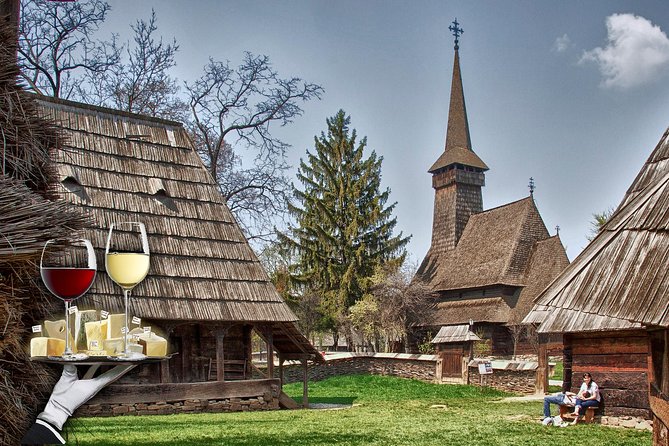
Romania comes alive through homes, crafts, and wine. This five-hour Bucharest experience links three very different parts of Romanian culture: the Dimitrie Gusti National Village Museum, a handmade craft shop, and a wine bar near Calea Victoriei. I especially like the private guide, who can explain why houses differ from one region to another, and the relaxed finish with three Romanian wines, cheese, and charcuterie. The main drawback is that the tour gives you only a short taste of Bucharest itself, since the focus is on rural culture and wine rather than the city’s major monuments.
I also like the simple transport plan. Free hotel pickup, a private air-conditioned vehicle, and a city-center finish remove much of the usual fuss. The tour costs $148.19 per person, so it is not a budget outing, but the price makes better sense for couples, families, or small groups who want a private guide and an easy half-day introduction to Romania. Walking is limited to less than a mile, though the Village Museum is spread across open ground and can require some time on your feet.
Key points to know before booking
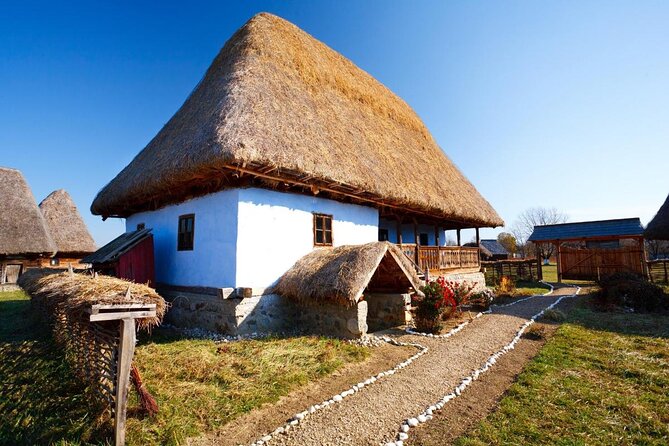
- Romanian regions in one open-air museum: See traditional homes, churches, barns, mills, and farm buildings from Moldavia, Wallachia, Transylvania, and the Danube Delta.
- A private guide shapes the visit: Guides such as Mihai Vataselu, Michael, and Emma have been praised for clear English, lively storytelling, and the ability to adjust the pace.
- Three local wines are included: Taste Romanian varieties such as Feteasca Neagra and Negru de Dragasani with cheese and cured meats.
- The craft stop is useful for gifts: Handmade blouses, painted eggs, Horezu pottery, icons, masks, sweets, books, and Dracula souvenirs are available.
- Pickup is free within Bucharest: Your guide meets you in the hotel lobby and drives you in a private vehicle.
- The finish is central: The wine bar is on historic Calea Victoriei, a few minutes from the Romanian Athenaeum and about 15 minutes from the Old Town.
Why this Bucharest tour works so well
Bucharest can be hard to read at first. Its grand avenues, modern traffic, Communist-era blocks, elegant old buildings, and scattered historic corners do not always explain themselves. This tour gives you a useful cultural frame before you spend more time exploring Romania.
The Village Museum shows how people lived outside the capital. The craft shop turns old traditions into objects you can hold. The wine tasting links the country’s farming regions to the dinner table. Together, the stops create a clear story without asking you to spend a full day in a museum or sit through a long city lecture.
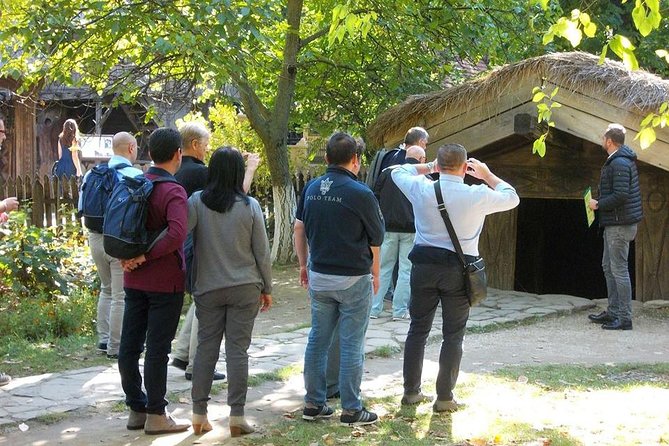
The private format is a major advantage. You are not trying to keep up with a large group or waiting for a guide to repeat the same point several times. You can ask why a roof is shaped a certain way, how a church was built, or what makes one grape different from another.
The guides are the heart of the outing. Mihai Vataselu receives especially strong praise for his English, humor, maps, printed photos, and ability to connect architecture with daily life. Michael is noted for helping slower walkers see more, while Emma brought a personal touch to a family interested in Romanian ancestry. The provider, Unveil Romania, also handled a pickup problem carefully when an accommodation address was listed incorrectly.
That kind of attention matters in Bucharest. Traffic can be heavy and unpredictable, so having a guide who knows where to meet you and drives safely is worth more than it sounds on paper.
More Wine Tastings in the world:
- From Porto: Douro Valley w/ Boat Tour, Wine Tasting & Lunch
★ 4.7 · 19,061 reviews - Complete Douro Valley Wine Tour with Lunch, Wine Tastings and River Cruise
★ 5.0 · 12,920 reviews - Florence: Chianti Wineries Tour with Wine Tasting
★ 4.5 · 10,071 reviews
Two hours among Romania’s traditional houses
The first stop takes about two hours at the Dimitrie Gusti National Village Museum. This is an open-air collection of buildings brought together from Romania’s historic regions. Rather than looking at small objects behind glass, you walk among houses, churches, barns, mills, presses, roadside crosses, and other structures connected to village life.
The museum includes buildings dating as far back as the 17th century. That range helps you see that Romania never had one single rural building style. Local materials, climate, work, religion, and available timber all shaped the way people built.
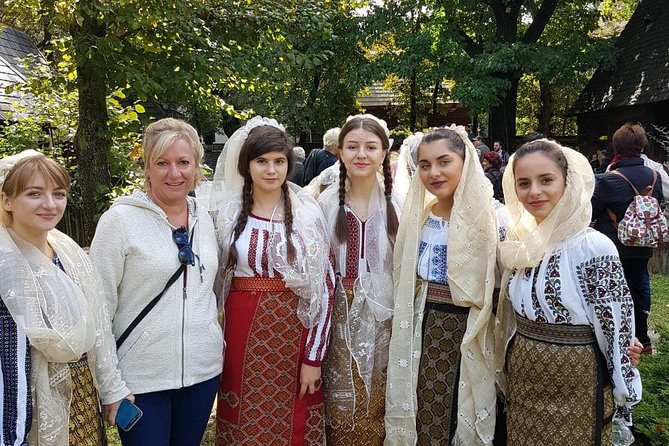
In the Danube Delta section, you might see reed-roofed homes suited to a wet environment. Moldavian and Wallachian buildings tend to have a simpler, more restrained look. Transylvanian houses are known for carved wooden fronts and careful decorative work. Steep roofs, thatched barns, log cabins, watermills, and windmills add variety as you move through the grounds.
I would not rush this stop. The buildings are appealing on their own, but the guide’s explanation gives them meaning. A house is no longer just an old structure. It becomes evidence of local weather, farming methods, family life, and regional identity.
The churches are a particular highlight. Their wooden construction and painted decoration show how religious buildings could be both practical and highly personal. If you have even a passing interest in architecture, this is likely the strongest part of the tour.
The museum is also a good match for anyone with Romanian family connections. One guide used maps and photos to help a family understand the regions connected to their ancestors. You may not get a precise answer about your own family, but the setting can make Romania’s rural past feel much less abstract.
There is one practical point to keep in mind. The museum is outdoors, and although the stated walking amount is less than a mile, you will be moving between several buildings. Comfortable shoes and weather-appropriate clothing are sensible. The guide can adjust the route for slower walkers, but you should not think of this as a seated museum visit.
Handmade Romanian culture at the craft shop
The second stop lasts about 30 minutes at an art and craft shop on Calea Victoriei. It is a short visit, but it gives you a chance to see how traditional designs appear in modern Romanian shopping.
The selection includes ie, the traditional Romanian blouse, along with glass-painted icons, Moldavian Easter eggs, Horezu pottery, Transylvanian wooden masks, books, sweets, and small souvenirs. Dracula-themed items are available too, which may not be the most serious expression of Romanian culture, but they are part of the country’s modern tourist identity.
This stop is best treated as an introduction rather than a full craft workshop. You will see examples from several areas of Romania and can ask your guide about their origins. If you want a useful gift, the handmade objects and traditional sweets are more distinctive than generic airport merchandise.
Horezu pottery is one of the more interesting items to look for. It represents the Wallachian tradition and gives you a concrete example of how decoration and regional identity travel together. The painted eggs and wooden masks also make good conversation pieces because they reflect seasonal customs and folk art.
The shop is not included as a purchase allowance, so anything you buy costs extra. You do not need to buy anything, and the short stop should not feel like a hard-sell shopping detour. Still, if you are hoping to bring home a Romanian blouse or pottery, this is a convenient chance to look.
Three Romanian wines near Calea Victoriei
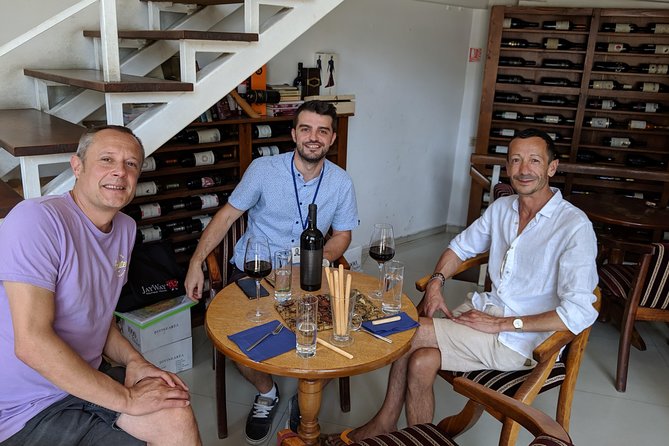
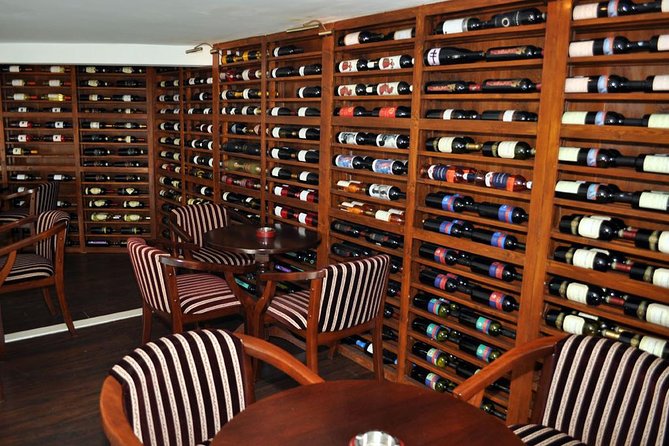
The final stop takes about two hours at a local wine bar. This is where the tour changes from looking and listening to tasting and talking.
Romania has more than 2,000 years of winemaking tradition and ranks among the world’s major wine-producing countries. The tasting focuses on Dealu Mare, one of the country’s best-known wine regions, and introduces grape varieties that may be unfamiliar if you usually drink French, Italian, or Californian wines.
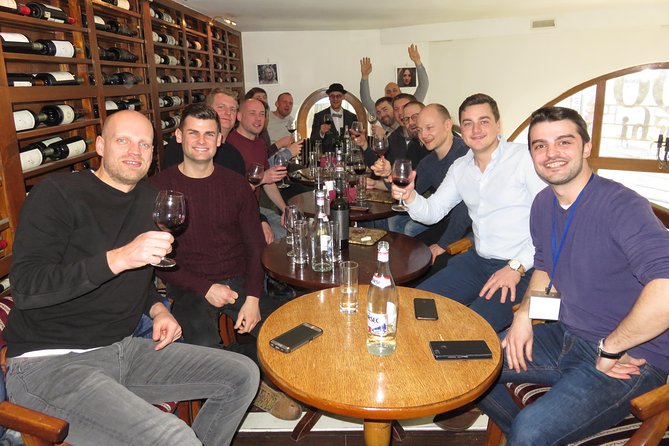
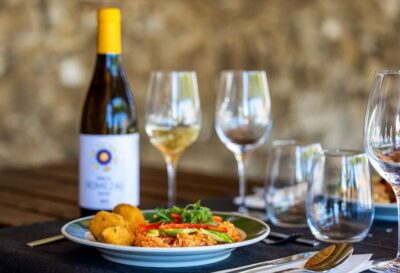
Three glasses per person are included, along with a plate of traditional cheese and charcuterie. Feteasca Neagra and Negru de Dragasani are among the varieties you may encounter. The guide explains the background of the wines and the region, so you are not simply handed a glass and left to guess what you are drinking.
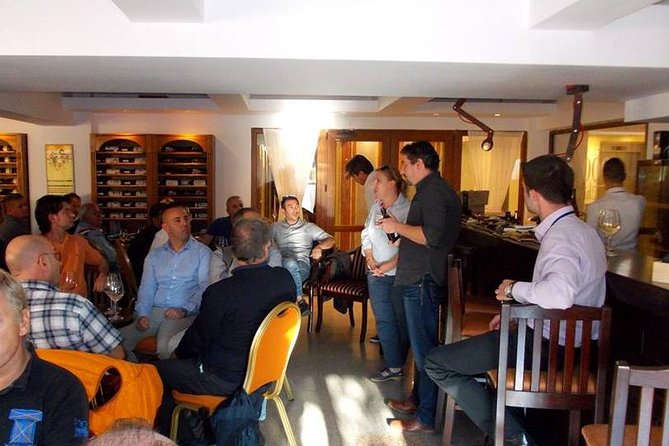
This is a smart way to close the tour. After two hours among buildings and objects, the wine bar gives you time to sit, ask questions, and talk about what you have seen. The cheese and smoked sausage make the tasting feel like a small cultural meal rather than a formal tasting class.
One account describes sampling four wines, but the stated inclusion is three glasses per person. I would plan on three included pours and treat anything additional as extra. Additional food and drinks are not covered.
The wine bar sits on historic Victory Avenue, just a few minutes from the Romanian Athenaeum and roughly 15 minutes from the Old Town. You can remain at the bar after the official tour or ask the guide for directions to your accommodation or the Old Town. That flexible ending is useful if you want to continue your evening instead of returning straight to your hotel.
The minimum drinking age is 18. If you do not drink alcohol, the museum and craft portions may still appeal, but wine is one of the three main parts of the experience. This is not the best choice if you want an alcohol-free cultural tour.
More Museum Visits in the world:
- Porto: Cálem Cellar Tour, Interactive Museum & Wine Tasting
★ 4.5 · 4,113 reviews - Porto: The Wine Experience, Best Wine Museum in the World
★ 4.7 · 621 reviews - Bordeaux Wine and Trade Museum Admission Ticket with Wine Tasting
★ 4.5 · 599 reviews - Picasso Museum and Walking Tour Plus Optional Wine & Food Tasting
★ 5.0 · 596 reviews
Private transport and the timing of the day
The tour lasts about five hours. Pickup is available from any accommodation within Bucharest city limits, provided you give the correct hotel name or address. The guide meets you in the lobby near reception, which is easier than trying to find a vehicle on a crowded street.
The private, air-conditioned vehicle adds real value. Bucharest traffic can be stressful, especially if you do not know the city. A guide who handles the driving and navigation lets you focus on the conversation.
The listed meeting point is the Romanian Athenaeum on Strada Benjamin Franklin, but hotel pickup is offered. The official end is at the wine bar on Calea Victoriei, not necessarily back at your hotel. That is a benefit if you want to visit the Athenaeum or Old Town afterward, but it is worth remembering that the tour does not finish at the same place it begins.
Most people can take part, and only a small amount of walking is expected. Families with children have used the tour successfully, and the Village Museum and wine bar can work well for a mixed-age group. The adults get the tasting, while younger participants can still enjoy the buildings, crafts, and food.
The private format also makes this a better choice for families than a rigid group excursion. A guide can adjust the pace, explain things in simpler terms, or spend more time on a family’s interest in Romanian ancestry.
What the $148.19 price really includes
At $148.19 per person, this is a premium half-day experience. You are paying for more than entry tickets: private transportation, hotel pickup, a licensed private guide, the Village Museum admission, and the wine tasting with food.
For one person or a couple watching every leu, the cost may feel high compared with visiting the museum independently and buying a glass of wine later. You could save money by using public transport and arranging your own visits.
The value improves if you are traveling as a small private group, especially because group discounts are available. You also save time. The guide handles transportation, explains the regional differences, and places the wine tasting in a central location where you can continue sightseeing.
I think the price is easiest to justify on your first or second day in Bucharest. The guide can give you cultural context that helps you understand later visits to Transylvania, rural villages, castles, or local restaurants. Several guides also offer practical conversation about food, politics, architecture, and modern Romania, which can make the rest of your trip easier to place.
If you already have a strong plan for the Village Museum and feel comfortable arranging transportation, the private tour may be more than you need. If you value convenience, interpretation, and a relaxed schedule, it is a fairer deal.
Who should book this experience
I would recommend the tour to:
- First-time visitors who want a quick cultural introduction to Romania
- Couples who prefer private guiding over a large group
- Families with children or mixed walking speeds
- People interested in architecture, village life, folk art, or wine
- Visitors with Romanian ancestry who want regional context
- Anyone who wants hotel pickup and a central finish
I would hesitate if you want a full tour of Bucharest’s main sights. The Athenaeum, Old Town, and Calea Victoriei are part of the logistics, but this tour does not focus on their architecture or political history.
I would also look elsewhere if wine is not part of your plan. The tasting is not a minor add-on. It occupies about two hours and is one of the tour’s central experiences.
Small details that make the tour better
Give the operator your exact accommodation address. One pickup worked smoothly only because the company checked a confusing address and called ahead to confirm the location.
Ask for a start time that fits your day. The company contacts guests to confirm a preferred start time, which is helpful if you have a late arrival, a dinner reservation, or another Bucharest activity planned.
If you walk slowly, mention it in advance. Michael has adjusted the visit so gentle walkers could see as much as possible, and a private tour gives the guide room to do this.
Keep some room in your evening. The finish near the Athenaeum and Old Town makes it easy to continue sightseeing, have dinner, or remain at the wine bar. You do not have to return directly to your accommodation.
Free cancellation is available if you cancel at least 24 hours before the start time. Cancellations or changes made inside that window are not refunded or accepted.
Should you book the Village Museum and wine tour?
Book it if you want one well-organized half-day that connects Romanian buildings, crafts, food, and wine. The strongest reason to choose it is the private guide. Mihai Vataselu, Michael, and Emma have each been praised for clear English, humor, patience, and a genuine interest in Romania.
The Village Museum gives you the richest cultural portion, while the wine bar supplies an enjoyable and social finish. The craft shop is shorter, but it adds practical value if you want to see or buy handmade Romanian items.
Skip it if your main goal is a classic Bucharest city tour, or if you do not drink wine. For everyone else, especially first-time visitors and small private groups, this is a smart way to get beyond the capital’s streets and see how Romanian regional life is expressed through wood, cloth, pottery, food, and grapes.
FAQ
How long does the tour last?
The experience lasts approximately five hours. The Village Museum visit takes about two hours, the craft shop about 30 minutes, and the wine tasting about two hours.
Is hotel pickup included?
Yes. Free pickup is offered from hotels and other accommodations within Bucharest city limits. The guide meets you in the lobby near the reception desk.
Where does the tour end?
The tour ends at the wine bar on historic Calea Victoriei. It is a few minutes’ walk from the Romanian Athenaeum and about 15 minutes from the Old Town.
What is included in the wine tasting?
Three wine glasses per person are included, along with a plate of traditional cheese and charcuterie. Additional food and drinks are not included.
Which Romanian wines might I taste?
The tasting focuses on wines from Dealu Mare and may include Romanian varieties such as Feteasca Neagra and Negru de Dragasani.
Is the Village Museum entrance included?
Yes. The entrance fee to the Dimitrie Gusti National Village Museum is included.
Is this a private tour?
Yes. Only your group takes part, and the tour includes a private licensed guide and private transportation in an air-conditioned vehicle.
What is the minimum drinking age?
The minimum drinking age for the wine tasting is 18.
Newly added around the world
- Charleston Women and Wine Tour★ 5.0 · 46 reviews
- Jersey Premium Vineyard and Distillery Wine Tour and Tasting★ 5.0 · 176 reviews
- Charleston Winery, Brewery & Sightseeing Tour★ 5.0 · 39 reviews
- From Chania Private half day Winery-Olive factory-Kournas lake★ 5.0 · 50 reviews
- Gastronomy tour and wine tasting in traditional villages★ 5.0 · 32 reviews
- Wine & Olive Oil Tour with lunch at the White Mountains★ 5.0 · 71 reviews
- Manousakis Winery Shuttle Service Tour and Taste★ 4.5 · 34 reviews
- Chania Walking Food And Wine Night Tour★ 4.5 · 31 reviews
Wine Tastings, compared.
Douro Valley w/ Boat Tour, Wine Tasting & Lunch
Read our review →
Complete Douro Valley Wine Tour with Lunch, Wine Tastings and River Cruise
Read our review →
Small-Group Wine Tasting Experience in the Tuscan Countryside
Read our review →
Montserrat & Cogwheel Train, Gourmet Wine Tasting & Tapas/Lunch
Read our review →
Tuscany & Montepulciano Day Trip with Lunch & Wine Tasting
Read our review →Browse the lists this tour appears in