
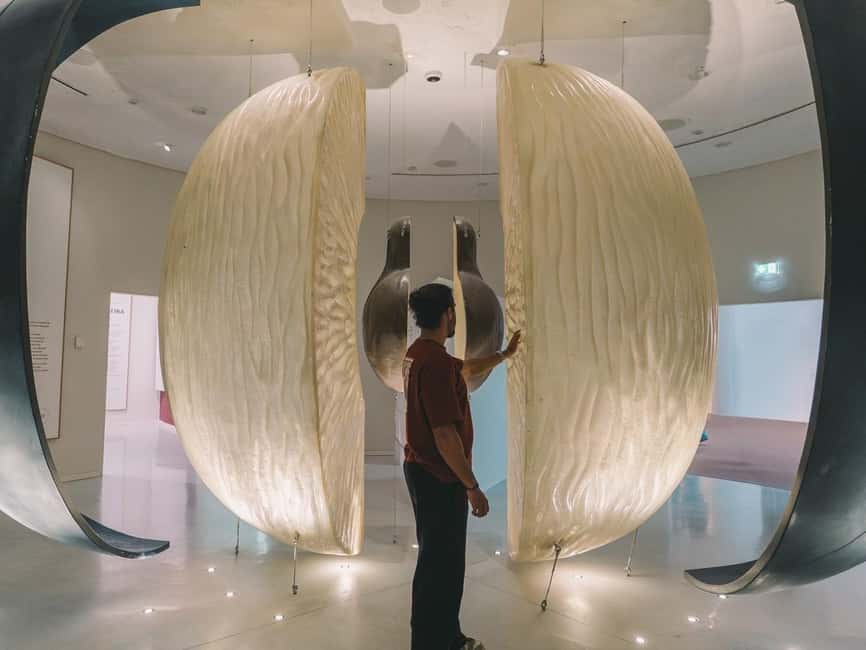
REVIEW · MUSEUMS
Porto: The Wine Experience, Best Wine Museum in the World
Wine tells Portugal’s story. At The Wine Experience in Porto’s WOW cultural complex, you follow wine from soil and grapevine to bottle and glass, then taste three examples with a Wine Expert. I especially like the interactive displays, which keep the subject lively, and the clear look at Portugal’s many wine regions, not just Port. One thing to consider: the tasting is pleasant and useful, but the wines may feel fairly simple if you already know your way around a cellar.
I also like that this is not a museum only for serious wine fans. Short films, scent stations, visual displays, and simple explanations make the visit easy to follow. Allow more than the advertised 90 minutes if you read everything, and give yourself time to find the correct entrance inside the large WOW complex.
Key points to know before you go
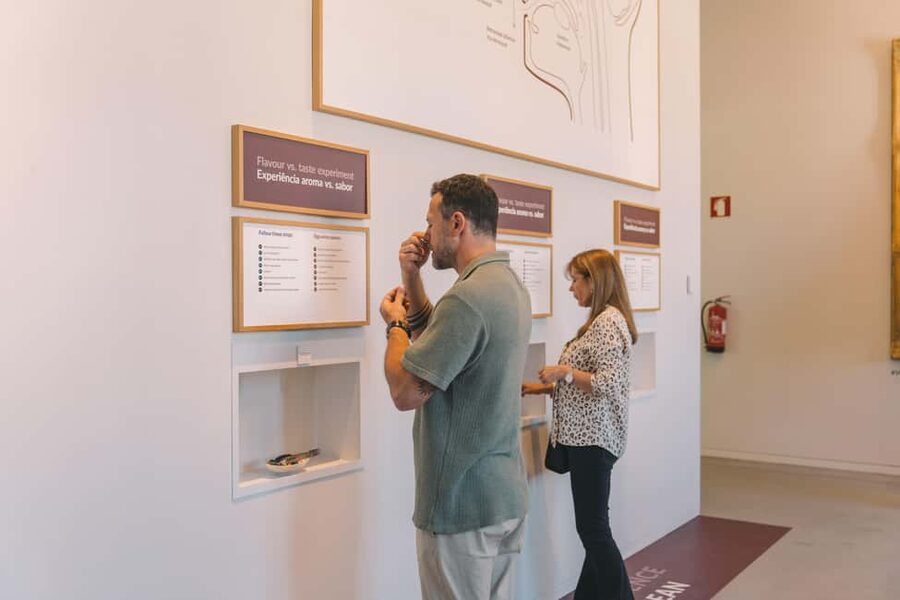
- Wine from root to bottle: Follow the full production process, including soil, climate, grape varieties, fermentation, ageing, and bottling.
- Portugal beyond Port: Learn about Vinho Verde, the Douro, Alentejo, the Azores, Madeira, and other wine-producing areas.
- Three wines at the finish: The tasting includes a red, a white, and a Port, with a non-alcoholic option available.
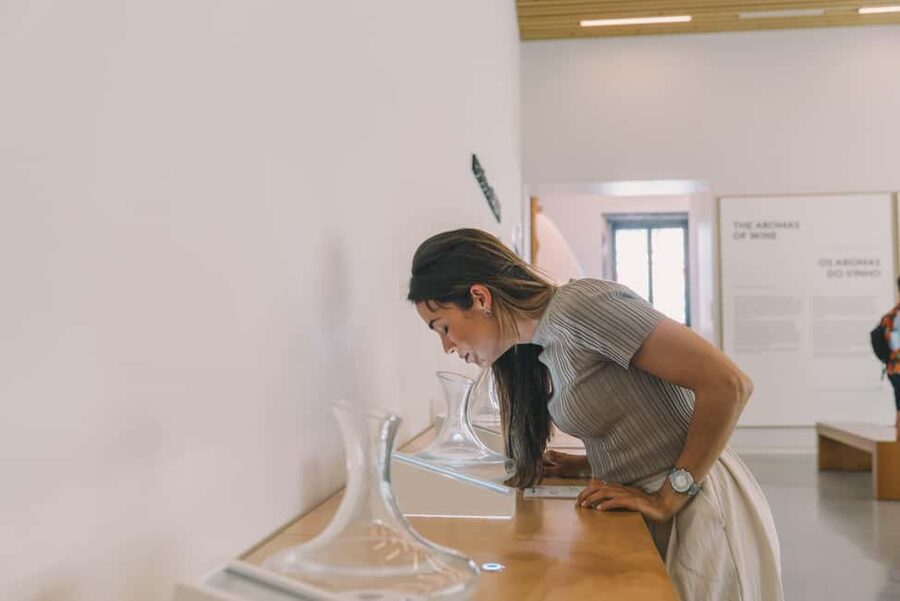
- Interactive and family-friendly: Videos, aroma stations, and hands-on displays help make technical subjects easier to understand.
- Plan for two hours: The official duration is 90 minutes, but several people have spent about two to two and a half hours inside.
- Part of the WOW complex: Shops, restaurants, scenic outdoor areas, and other museums make this a good half-day stop in Vila Nova de Gaia.
Finding The Wine Experience inside WOW

The Wine Experience is located in the World of Wine, known as WOW, in Vila Nova de Gaia, across the Douro from Porto’s historic center. The complex contains several museums, shops, restaurants, and open spaces, so the first task is finding the right entrance.
The ticket can be shown directly at The Wine Experience. You do not need to visit a separate ticket office first. Still, signage inside the complex could be clearer, especially if this is your first WOW visit. Follow signs carefully and allow extra time before the museum’s final entry.
The museum is open daily from 10:00 AM to 7:00 PM, with last entry at 7:00 PM. Opening times can change on bank holidays, so check the official website before setting out. The ticket is flexible during the selected date, allowing you to enter at any time within opening hours.
That flexibility matters. You are not locked into a short guided group schedule, and you can match the visit to lunch, another WOW museum, or a walk beside the river. If you arrive late in the day, keep an eye on the clock. The exhibits are arranged in a sequence, and you may need longer than expected to reach the tasting.
More Museum Visits in Porto:
- Porto: Cálem Cellar Tour, Interactive Museum & Wine Tasting
★ 4.5 · 4,113 reviews - Bordeaux Wine and Trade Museum Admission Ticket with Wine Tasting
★ 4.5 · 599 reviews - Picasso Museum and Walking Tour Plus Optional Wine & Food Tasting
★ 5.0 · 596 reviews
Starting with soil, climate, and grapevines
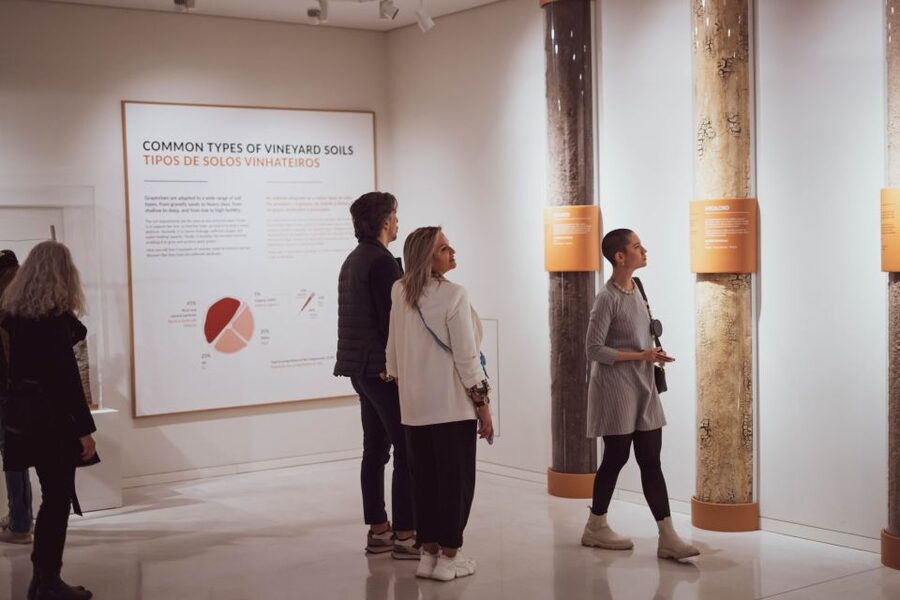
The museum begins with the basic building blocks of wine. You look at soil, climate, geography, and grape variety, then see how these factors shape the finished drink.
This is one of the most useful parts for beginners. Wine labels can seem full of code words, but the displays explain why grapes from a cool, damp area taste different from grapes grown in a hot, dry one. You also get a sense of how location affects grape ripening, acidity, aroma, and body.
The exhibition gives proper attention to viticulture, the growing of grapes. That is important because many wine museums rush straight to barrels and bottles. Here, the vine receives its due, from the first growth on the plant to the moment grapes are ready for harvest.
Interactive elements make the information less like a school lesson. You may watch short films, study visual displays, and use sensory stations connected with wine aromas. The design helps you move through the subject in a natural order without requiring previous wine knowledge.
I would not rush this opening section. If you are new to wine, it gives you the vocabulary needed for the tasting later. If you already enjoy wine, it provides a useful reminder that the character of a bottle begins long before fermentation.
Following the grape from harvest to bottle
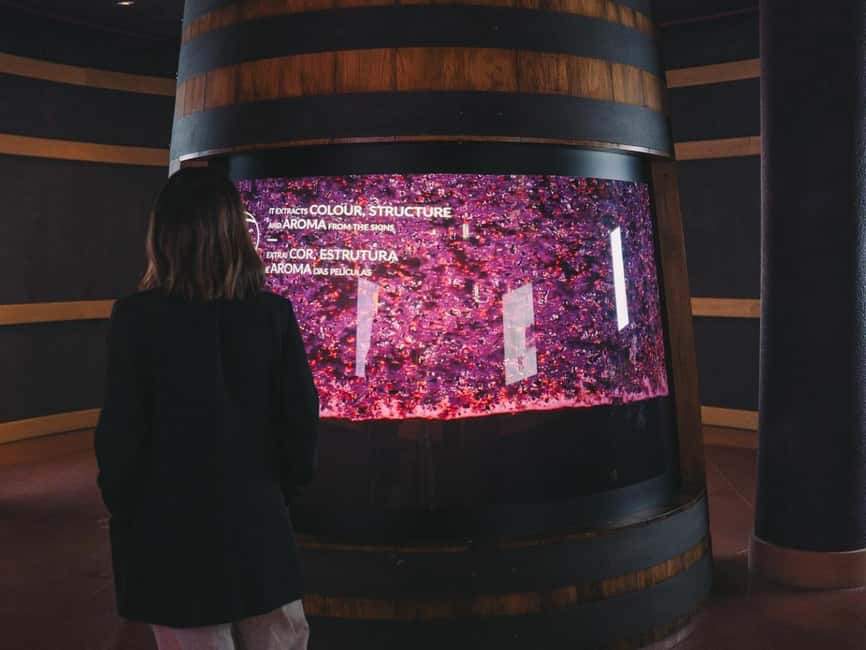
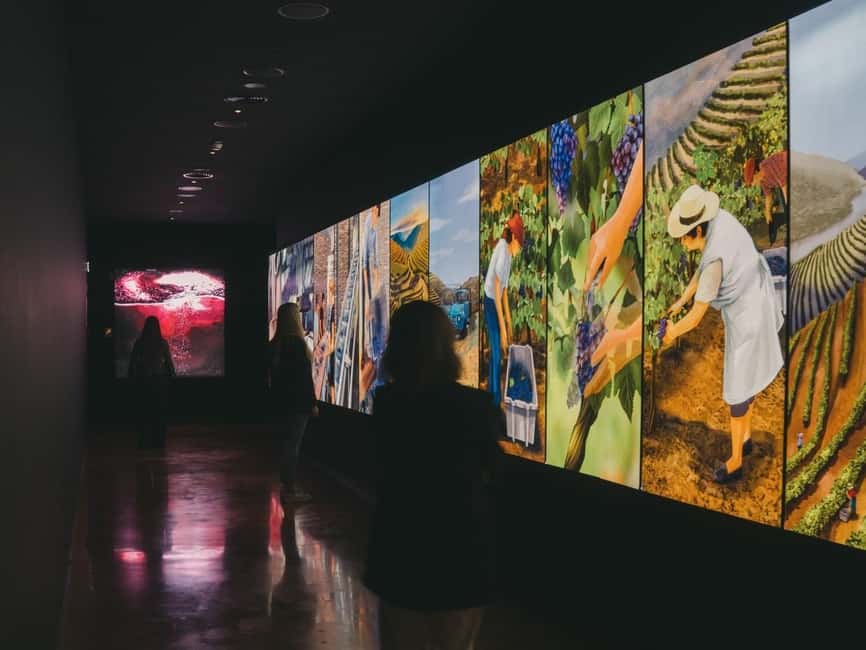
Next comes the production process. The exhibition traces what happens after the grape leaves the vine, including fermentation and the steps that lead to the final bottle and glass.
The strength here is the order of the presentation. You are not simply shown a collection of equipment with labels. Instead, the visit explains how each stage connects to the next. The result is a clear story of production, from grape preparation to the finished wine.
Short explanatory videos and information panels add detail without making the museum feel heavy. Visual props help show the practical side of winemaking, while the interactive displays give you something to do instead of only something to read.
The museum also places traditional methods beside modern production. That balance helps explain why wine can be both an old craft and a technical industry. Portugal’s wine culture reaches back thousands of years, and the exhibition presents that long development without treating the past as a decorative footnote.
You can spend 90 minutes here and still get the main idea. I would allow closer to two hours if you want to stop at each display, watch the films, and enjoy the material at an unhurried pace. One particularly useful tip is to keep the tasting time in mind from the beginning. The exhibits follow a set sequence, and it is easy to spend longer than planned before reaching the final room.
Portugal’s wine regions, from Vinho Verde to Madeira
The regional section is the heart of the museum for anyone planning to drink more Portuguese wine. Portugal is often associated with Port, but the country produces a much wider range of styles.
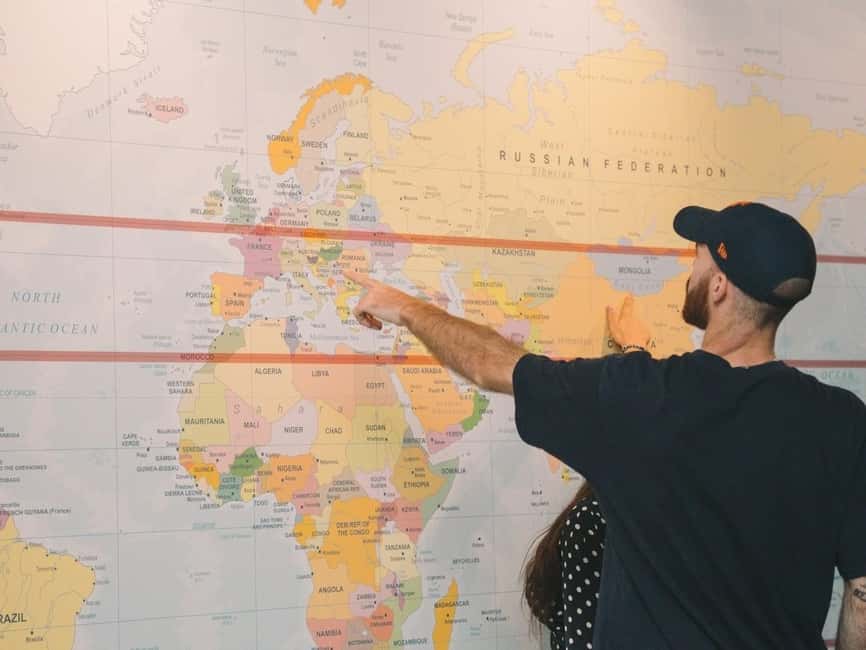
You learn about the cool, green hills of Vinho Verde, the terraced vineyards of the Douro Valley, and the warmer Alentejo. The display also reaches the volcanic soils of the Azores and Madeira. These areas differ in climate, terrain, grape varieties, and winemaking traditions, so the country’s wine map is far more varied than many first-time visitors expect.
The Douro receives natural attention because of its connection with Port, but the museum does not reduce the region to fortified wine alone. You gain a better sense of the valley’s demanding vineyard conditions and its role in Portuguese wine production.
The section on Madeira and the Azores is especially useful because these islands are less familiar to many drinkers. Their volcanic soils and Atlantic settings help explain why island wines can taste so different from bottles made on the mainland.
This regional approach gives the tasting more meaning. When the Wine Expert pours a red, white, and Port, you have already learned to think about where each wine comes from and why it might taste the way it does. You are not just sampling three drinks. You are practicing the connection between place, production, and flavor.
A few more wine tours around Porto worth a look
- From Porto: Douro Valley w/ Boat Tour, Wine Tasting & Lunch
★ 4.7 · 19,061 reviews - Complete Douro Valley Wine Tour with Lunch, Wine Tastings and River Cruise
★ 5.0 · 12,920 reviews - Porto: Douro Valley with Winery Lunch, Tastings & Cruise
★ 4.7 · 7,002 reviews - From Porto: 2 Wine Regions, Farm-to-Table Lunch & Boat
★ 4.9 · 5,724 reviews
The final tasting: red, white, and Port
The visit ends with a guided tasting of three wines: one red, one white, and one Port. A Wine Expert explains how to taste and helps you identify the main features in each glass.
This is not a long wine course, but it is a useful introduction. You learn how to look at the wine, notice its aroma, taste it carefully, and describe what you like. The goal is not to turn you into a sommelier in one afternoon. It is to help you feel less uncertain when choosing wine at a restaurant or shop.
The tasting also gives the earlier exhibits a practical finish. You have just seen how soil, climate, grapes, and production affect wine. Now you can test those ideas with actual pours.
Staff have earned warm praise for their friendliness and wine knowledge. João has been singled out for making the tasting especially enjoyable, while Audrianna has been praised for explaining the production process clearly during the tasting. Service may vary with the day and season, but the people leading this final section are an important part of the experience.
Keep your expectations in check. The tasting is educational and well organized, but it is not designed as a luxury wine flight. If you have visited top Port lodges or regularly buy expensive bottles, you may find the selections fairly ordinary. At this ticket price, though, the tasting works well as an introduction and adds real value to the museum visit.
A non-alcoholic alternative is available, making the experience useful for people who do not drink. The supplied information does not specify the exact alternative, so ask staff for details when you arrive.
Why the interactive design works
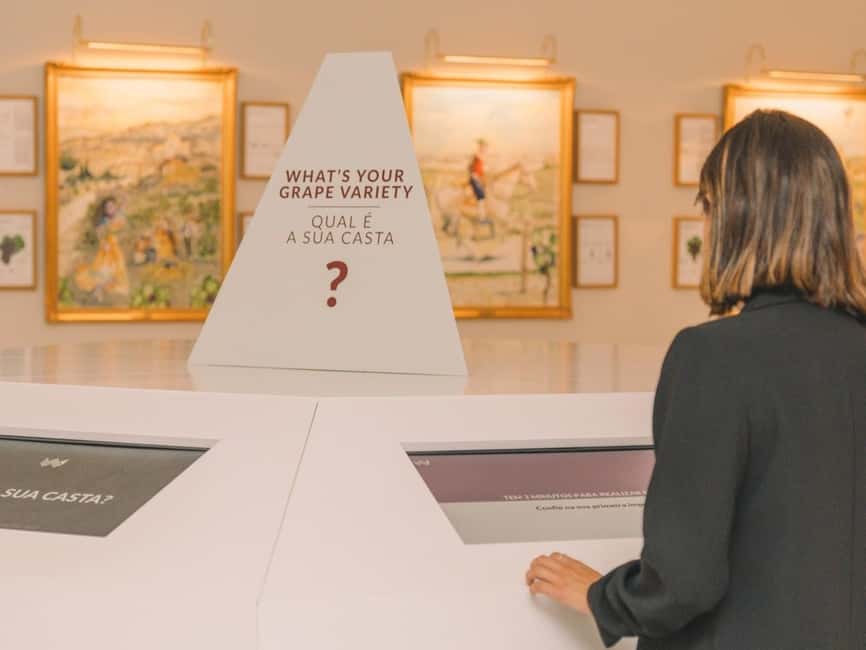
The museum’s biggest success is its ability to teach without becoming dull. Wine production can involve a lot of technical information, but the displays use short films, visual props, aroma examples, and interactive features to break it into manageable pieces.
I like the way the exhibition serves different levels of interest. A casual visitor can follow the main story in about 90 minutes. Someone who enjoys wine can stop to read more, compare regions, and spend extra time with the sensory material.
The layout is also easy to navigate once you are inside. The information moves from growing grapes to making wine and then to tasting it, so you always have a sense of where you are in the process.
Families may find the format more appealing than expected. A 14-year-old has enjoyed the interactive displays, even though the tasting itself is aimed at adults and wine drinkers. The visual sections and short videos provide enough variety to keep younger visitors involved, but this is still a wine museum rather than a children’s attraction.
The museum also works well on a hot day because much of the visit takes place indoors. Afterward, you can use the WOW complex’s outdoor areas and plaza for views over the river area. The complex also has restaurants, shops, and other museums, so you can build a longer visit around The Wine Experience.
Price, timing, and practical value
At $29 per person, the ticket is not a bargain-basement museum entry, but it offers more than a basic exhibit. You receive museum admission, a three-wine tasting, a multilingual audio guide, and access to an experience that can fill 90 minutes to two and a half hours.
The value depends on how you visit. If you walk quickly through the displays and care only about tasting Port, you may find the price less convincing. A traditional Port lodge may suit you better for a narrower, more producer-focused visit.
If you want an introduction to Portuguese wine, the ticket makes more sense. You get national context, production basics, regional comparisons, and guided tasting in one stop. It is also a practical choice for people who are curious about wine but do not want to commit to a full winery tour.
The audio guide is available in English, Spanish, Portuguese, French, German, and Korean. You can use it to add context at your own pace, though the museum’s own signs, videos, and interactive elements also carry much of the visit.
The experience is wheelchair accessible. Lifts help with access around the museum, though one detailed account noted limits around the shops. If full access to every part of the wider WOW complex matters to you, contact the venue before your visit.
Free cancellation is available up to 24 hours before the activity, and you can reserve now and pay later. Those policies are useful if your Porto schedule is still shifting, but the main planning issue is simply giving yourself enough time inside WOW.
Who will enjoy this museum most?
I would recommend The Wine Experience to first-time wine drinkers, curious food lovers, and anyone who wants a broad introduction to Portugal’s wine regions. You do not need to know grape names or understand tasting language before arriving.
It also suits experienced wine drinkers who want a clear overview of Portuguese production. You may not discover rare bottles here, but you will gain a better framework for exploring wines from the Douro, Vinho Verde, Alentejo, Madeira, and the Azores.
It is less ideal if your main goal is a long, specialist tasting with premium wines. The museum provides three educational pours, not an in-depth cellar session. You may also prefer a Port lodge if you want to focus entirely on the fortified wines associated with Gaia.
For a first visit to WOW, I would combine The Wine Experience with one or two other activities, but avoid booking so much that you must rush. The plaza, restaurants, shops, and views can easily add time to the day.
Should you book The Wine Experience?
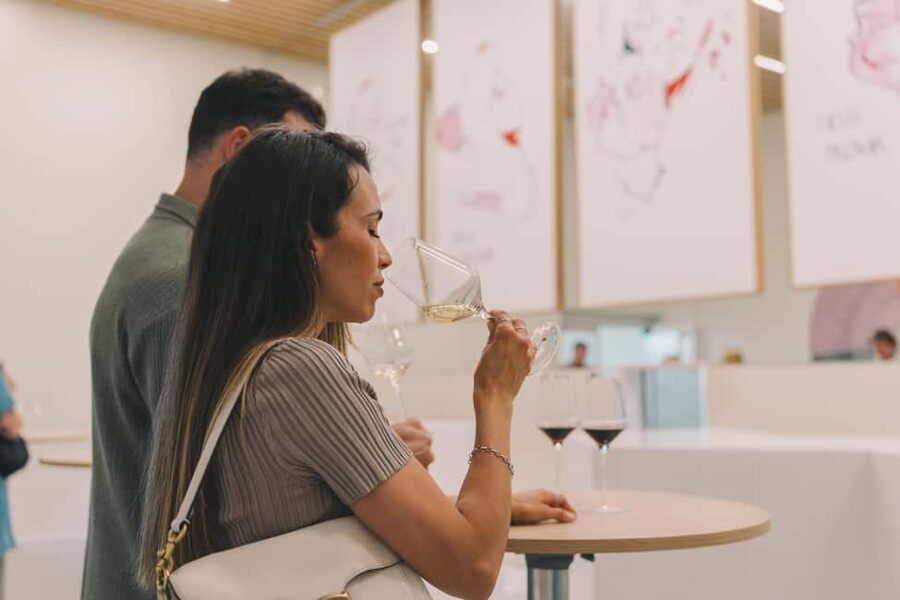
Yes, if you want to understand Portuguese wine before ordering more of it. The museum’s strongest features are its logical route from vine to bottle, its wide regional coverage, and its engaging displays. The tasting at the end gives the information a useful, enjoyable purpose.
Book it as a learning experience with wine included, not as a high-end tasting with a museum attached. Arrive early or allow at least two hours, watch for the correct entrance inside WOW, and keep the final tasting time in mind.
For $29, it is a good-value choice for most wine-curious visitors. I would skip it only if you have very limited time in Porto or want a specialist Port-house visit instead.
FAQ
Where is The Wine Experience located?
It is located at The World of Wine, known as WOW, in Vila Nova de Gaia in Portugal’s Norte Region.
How long does The Wine Experience take?
The stated duration is 90 minutes. You might spend two to two and a half hours if you read the displays, use the interactive features, and take your time before the tasting.
What wines are included in the tasting?
The tasting includes three wines: one red, one white, and one Port.
Is a non-alcoholic option available?
Yes. A non-alcoholic alternative is available instead of the wine tasting.
What languages are available for the audio guide?
The audio guide is available in English, Spanish, Portuguese, French, German, and Korean.
What are the opening hours?
The museum is open daily from 10:00 AM until 7:00 PM, with last entry at 7:00 PM. Bank holiday hours may vary.
Can I enter at any time during the day?
Yes. You can use your ticket at any time on the selected date during museum opening hours.
Is the museum wheelchair accessible?
Yes, The Wine Experience is wheelchair accessible. Lifts provide access around the museum, although access to some shops may differ.
Newly added around Porto
- Porto: Tuk tuk Tours with Port Wine Tasting★ 4.5 · 65 reviews
- Porto: Tile Painting Workshop with Tea and Port Wine★ 4.9 · 66 reviews
- Porto: Douro River Boat Tour with Wine Tasting★ 4.9 · 167 reviews
- Porto: Sunset Walking Tour with Port Wine and Views★ 4.6 · 95 reviews
- Porto Wine Tasting Experience with Portuguese Tapas Plate★ 4.7 · 356 reviews
- Porto: Douro River Cruise w/ Portuguese Wines & Local Host★ 4.9 · 166 reviews
- Porto: Self-Guided Bike and Boat Tour with Port Wine Tasting★ 4.7 · 52 reviews
- Porto: Taylor’s Port Cellar Tour & WOW The Wine Experience★ 4.5 · 136 reviews
Museums, compared.
Cálem Cellar Tour, Interactive Museum & Wine Tasting
Read our review →
Bordeaux Wine and Trade Museum Admission Ticket with Wine Tasting
Read our review →
Picasso Museum and Walking Tour Plus Optional Wine & Food Tasting
Read our review →
Wine Museum Ticket with Local Wines & Food Tasting
Read our review →
Vothonas: Wine Museum Ticket with Tastings and Audio Guide
Read our review →
Aÿ-Champagne: Pressoria Champagne Museum with Tasting
Read our review →
Gran Canaria: Winery Tour, Wine Museum, and Tasting
Read our review →
Wine and Trade Museum Entry Ticket & Wine Tasting
Read our review →Browse the lists this tour appears in