
REVIEW · CHAMPAGNE TOURS
Aÿ-Champagne: Pressoria Champagne Museum with Tasting
Champagne makes more sense when you see its roots. Pressoria combines hands-on technology with the vineyards of Aÿ-Champagne, taking you from soil and grapes to fermentation, aging, and the finished bottle. I like the way the museum turns a complicated process into something you can see, hear, and touch. I also like the closing tasting, served with a view across the vineyards.
This is a self-guided visit, so you set the pace and can spend extra time with the displays that interest you most. That freedom is useful, especially for families. The tradeoff is that no guide or food is included, so you will need to read and explore on your own, then arrange a separate meal if you want one.
Pressoria at a glance
- A vineyard setting with a museum experience: Pressoria sits in Aÿ-Champagne, a UNESCO World Heritage commune surrounded by Champagne vines.
- Two tastings are included: Your visit ends with two local Champagnes, giving the displays a practical and enjoyable finish.
- Five senses are part of the visit: The exhibits use interactive technology to explain soil, grape growing, pressing, fermentation, and aging.
- Good for families: Children can take part in the sensory displays rather than simply walking through rooms of glass cases.
- A self-guided format: You can move slowly, skip sections, or spend extra time on the parts that interest you.
- Simple logistics: Parking is available around Boulevard Pierre Cheval, and the museum is wheelchair accessible.
Reaching Aÿ-Champagne and finding Pressoria
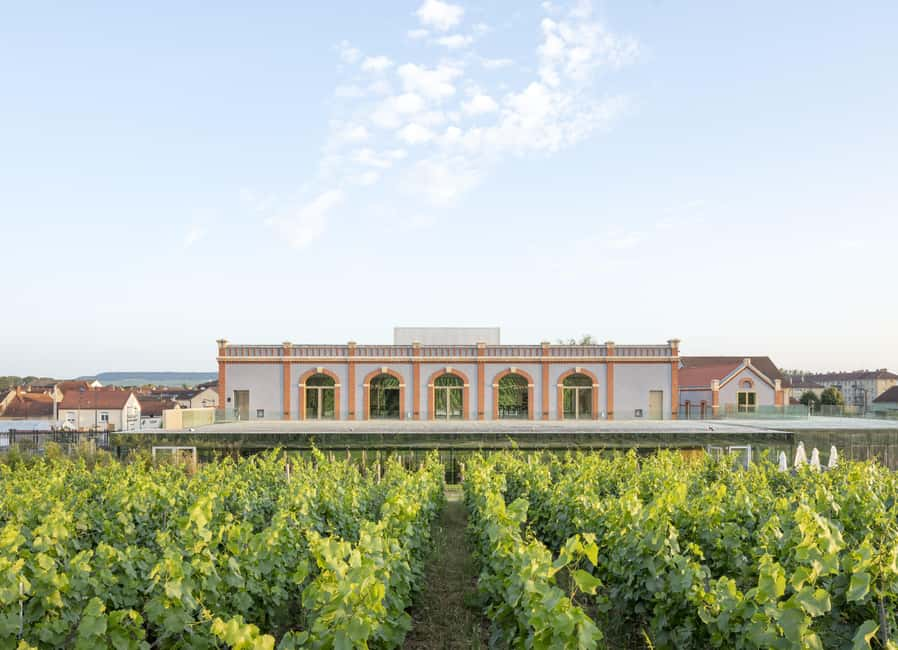
Pressoria is in Aÿ-Champagne, in France’s Grand Est region. To arrive by car, park along Boulevard Pierre Cheval, then head to the building marked Pressoria, Voyage sensoriel au coeur du Champagne.
That approach matters because the setting is part of the experience. You are not visiting a Champagne exhibit in a city shopping district. You are at the foot of a French hillside, with vineyards close by and a quieter village atmosphere around you.
The activity is listed as valid for one day, with opening times checked when you reserve. The host or greeter can communicate in French or English. Since you are not joining a fixed guided group, the visit should feel flexible rather than tightly timed.
The museum is wheelchair accessible, and lockers are provided. That is helpful if you are carrying coats, bags, or items from a full day of sightseeing. Food is not included, so plan around the visit if you need lunch or a substantial snack.
More Champagne Tours in France:
- From Paris: Day Trip to Champagne with 8 Tastings & Lunch
★ 4.8 · 1,501 reviews - Champagne Day Trip with 6 Tastings, Reims and Winery from Paris
★ 5.0 · 902 reviews - From Reims: Champagne and Family-Run Wineries Tour
★ 4.8 · 671 reviews
Why Aÿ-Champagne gives the museum meaning
Champagne is easy to treat as a luxury product that appears in a glass with little explanation. Pressoria asks you to look further back, to the soil, hillside, climate, grape, and work that come before the cork pops.
Aÿ-Champagne gives that explanation a real setting. You can connect the displays to the vineyards outside instead of treating the subject as an abstract lesson. A stroll among the vines helps you understand why the museum begins with the land and not with the bottle.
The area is also part of the UNESCO World Heritage designation for the Champagne region. That does not turn the visit into a formal heritage tour, but it adds context. You are seeing a place where vineyard work, production, and local identity are closely tied together.
The outdoor setting is peaceful. If you have spent the day moving between busy sights, the quiet roads and green hills around the museum provide a welcome change. Just remember that the main educational content is inside Pressoria, so a walk through the vines is best treated as an added part of the visit rather than a separately guided hike.
Inside the sensory rooms
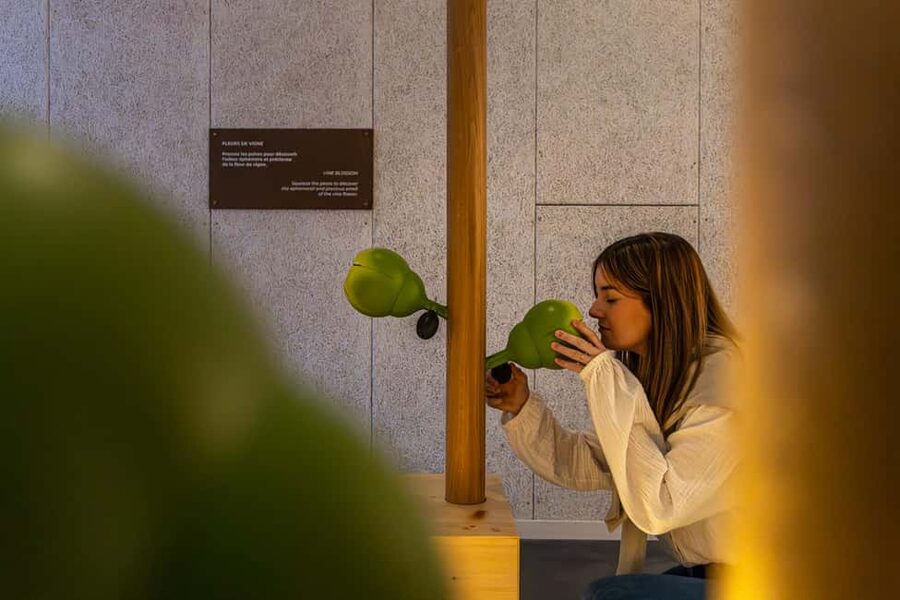
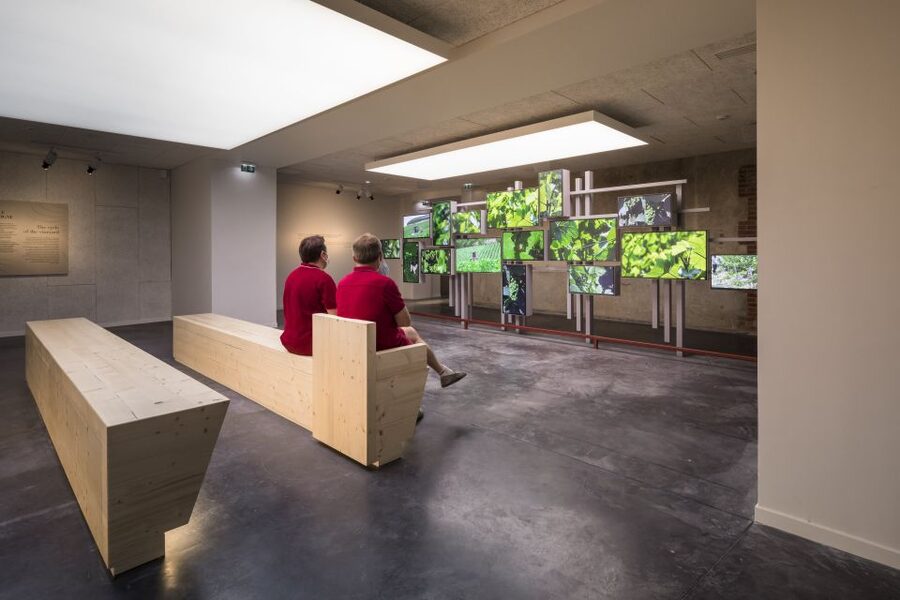
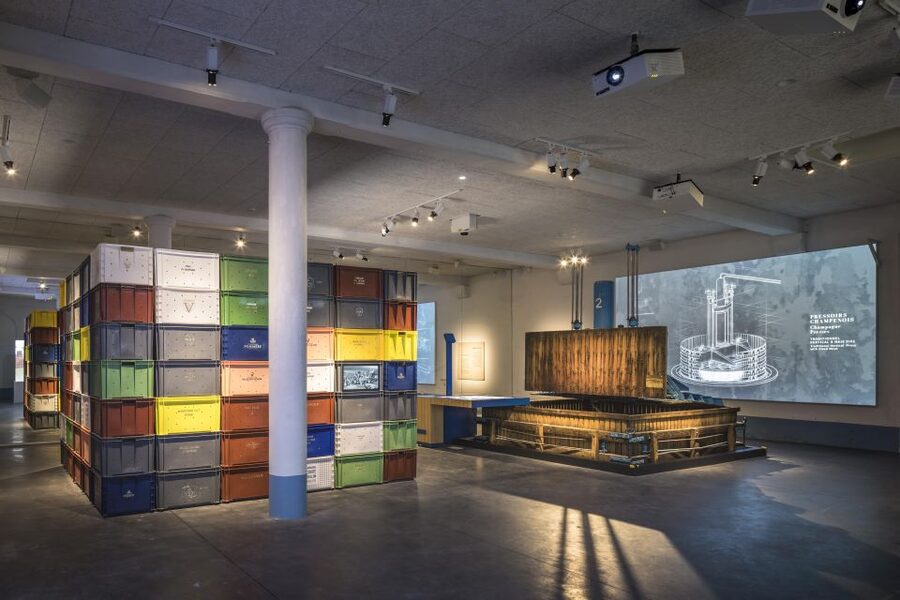
The museum is built around the idea that Champagne should be understood with all five senses. Instead of presenting only written information, Pressoria uses technology and interactive rooms to show how the drink develops from grape to glass.
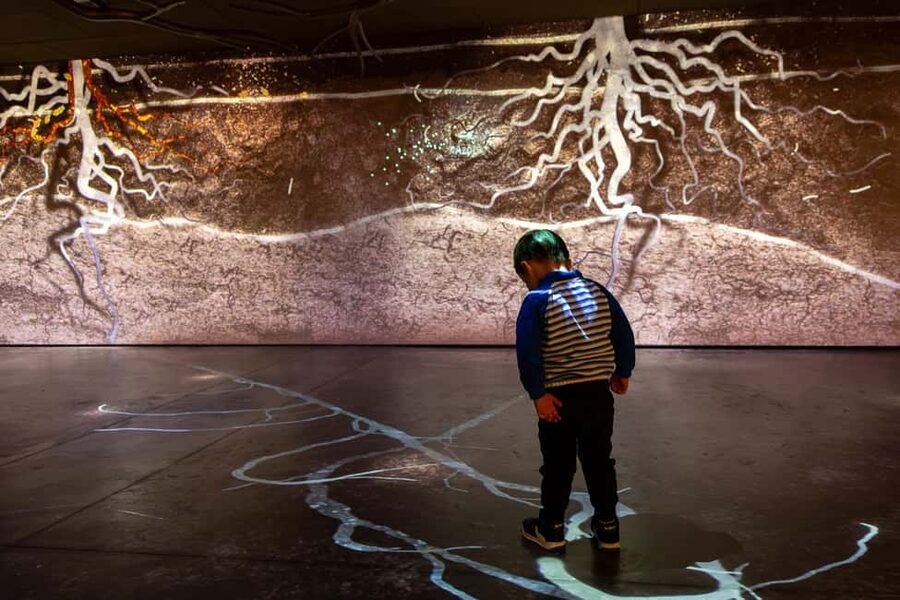
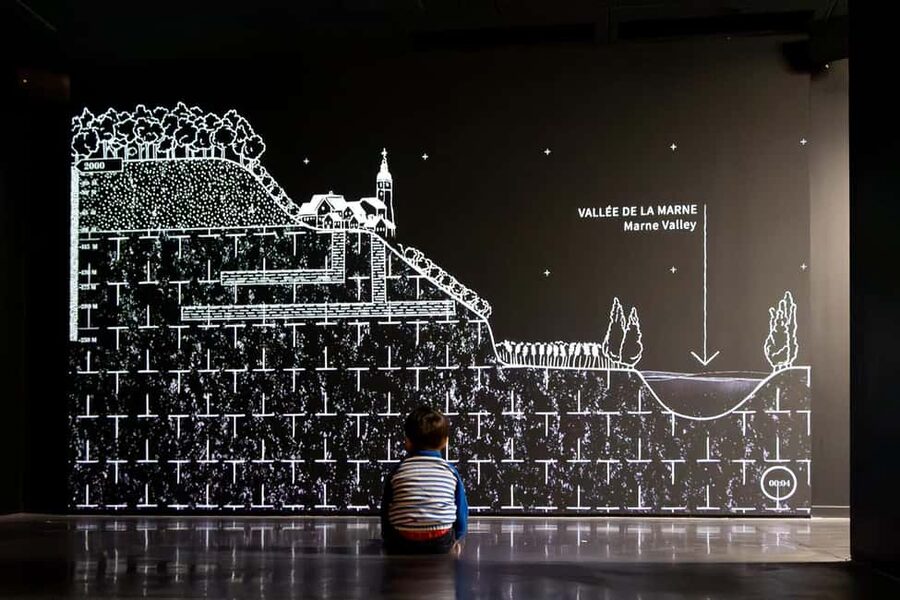
You begin with the ground beneath the vines. The exhibits explain the subsoil and why the growing environment matters. This is one of the strongest parts for visitors who want more than a tasting without technical explanation. You learn that the character of Champagne is linked to its starting point, not simply to the final blend.
The next stages follow the work in the vineyard. You learn how grapes are picked and pressed, then how the juice changes through fermentation. The museum also covers aging and bottling, giving you a clear sequence for the production process.
That order is useful. Champagne production can sound like a list of specialist terms when explained too quickly. At Pressoria, each stage follows the previous one, so you can connect grape quality with pressing, fermentation with flavor, and aging with the finished drink.
The displays are designed for adults and children. Children can interact with the technology while adults pick up the production details. This makes the museum a good choice for families who want a serious cultural stop without asking young children to stand quietly beside display cases.
The technology is not just decoration. It helps translate ideas that are hard to picture, such as what happens below the soil or how the contents of a bottle change over time. If you already know a great deal about Champagne, you may move quickly through some sections. For most people, though, the sensory approach makes the information easier to remember.
From grape picking to the finished bottle
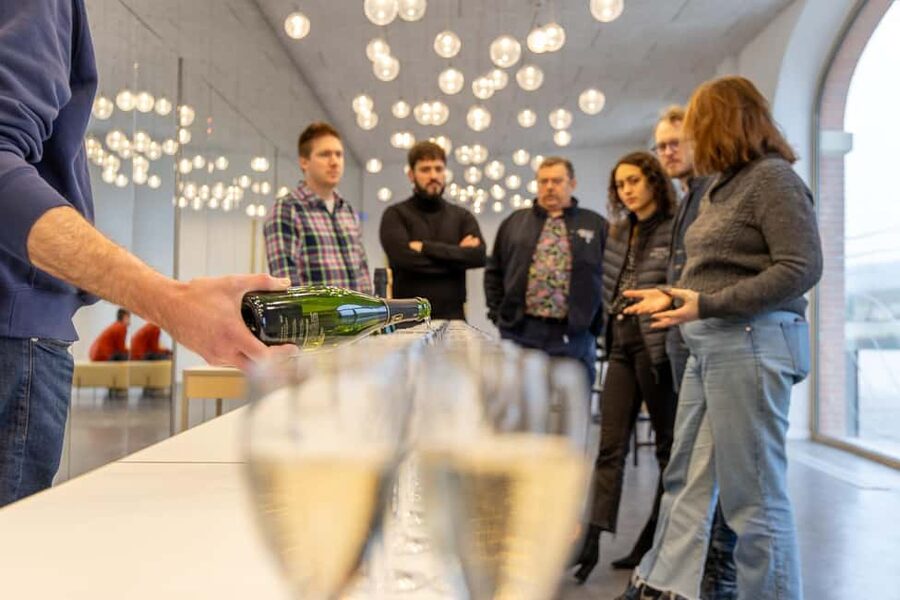
Pressoria follows the full chain of production, and that is where the visit earns its price. You are not simply told that Champagne takes care and patience. You are shown the stages that create the final drink.
The grape-picking section connects the bottle to seasonal vineyard work. Pressing then explains how the fruit becomes juice, while fermentation introduces the changes that give Champagne its character. Aging and bottling complete the path.
The value here is practical. After the museum, you can look at a glass with a better sense of what you are tasting and why different bottles may have different aromas, texture, or finish. You do not need to become a wine expert. You only need a basic map of the process, and Pressoria provides one.
The museum also helps explain why Champagne is not simply sparkling wine with a famous name. Its identity depends on place, production methods, and the way each stage affects the final result. That context makes the tasting more rewarding.
Keep your expectations realistic. This is not a guided cellar visit at a working Champagne house, and the experience does not include a personal producer explaining each bottle. Instead, it is a broad and engaging introduction to the region and its methods.
More Museum Visits in France:
- Bordeaux Wine and Trade Museum Admission Ticket with Wine Tasting
★ 4.5 · 599 reviews - Bordeaux: Wine and Trade Museum Entry Ticket & Wine Tasting
★ 4.4 · 121 reviews - Colmar: Alsace Wine Museum Entrance Ticket
★ 4.5 · 54 reviews - Porto: Cálem Cellar Tour, Interactive Museum & Wine Tasting
★ 4.5 · 4,113 reviews
The tasting on the terrace
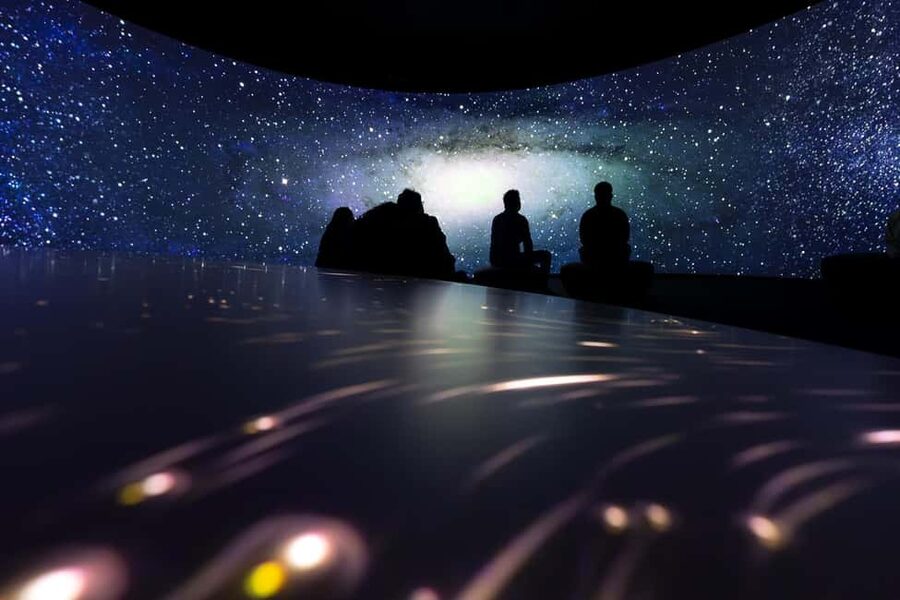
The visit finishes with two Champagne tastings. This is a smart ending because you can apply what you have just learned while the information is still fresh.
Pay attention to the tasting rather than treating it as a quick drink before leaving. Notice the bubbles, aroma, texture, and finish. Think back to the displays about the vineyard, fermentation, and aging. You will have more to consider than you would during an ordinary tasting at a bar.
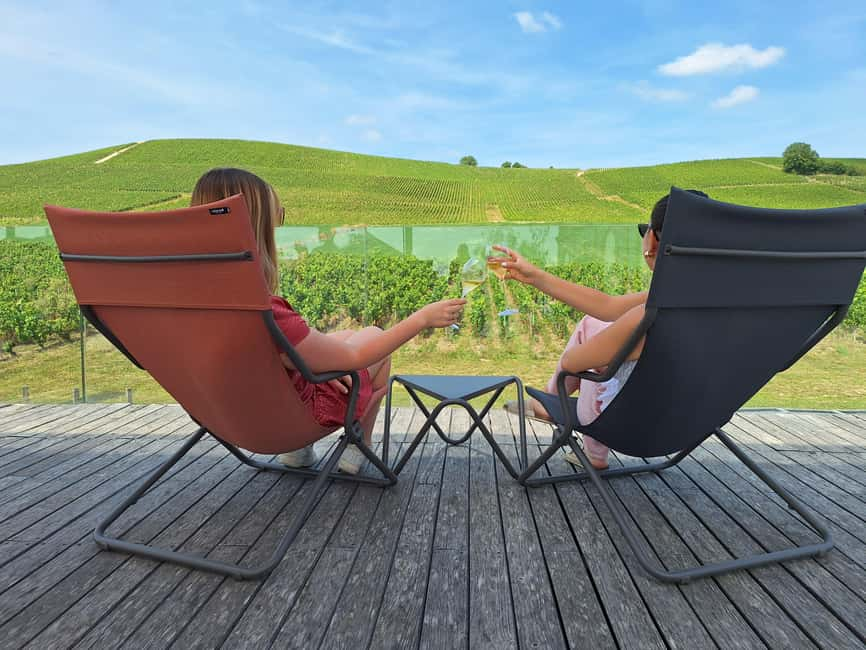
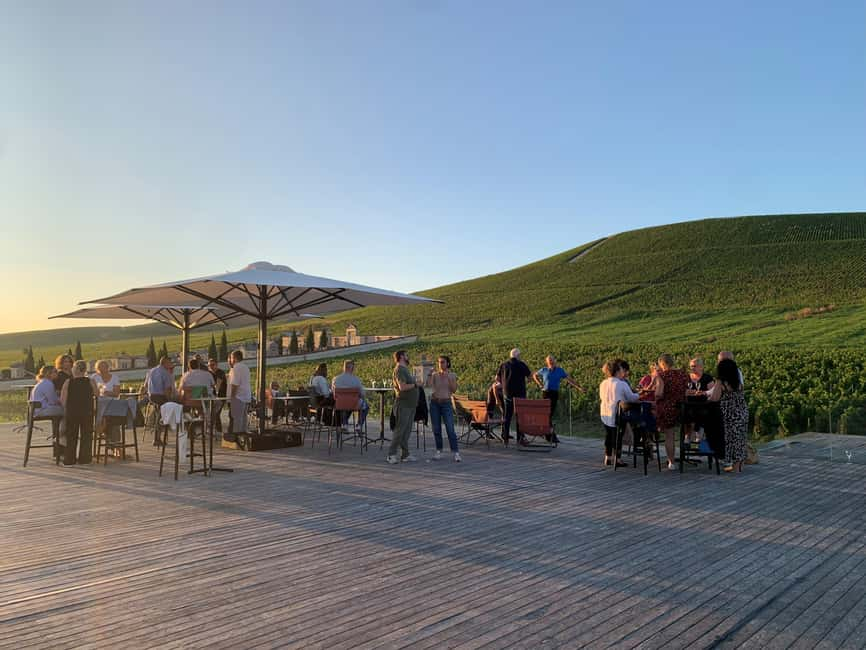
The setting adds to the pleasure. The tasting takes place on a balcony or terrace overlooking the vineyards, according to the experience details. That view gives you a direct link between the glass in your hand and the hills where the story began.
Two Champagnes are enough for an introduction, though serious enthusiasts may want more afterward. Since food is not included, the tasting is not a full meal or a substitute for lunch. It is best viewed as the final lesson and reward of the museum visit.
One practical point: the museum shop may not satisfy visitors hoping to buy Champagne on site. The selection of souvenirs has also been described as limited. If taking bottles home is important to you, plan to purchase elsewhere in the region rather than assuming the museum will be your main shopping stop.
How much time should you allow?
The activity is listed as valid for one day, and you explore at your own pace. There is no fixed duration stated, so I would avoid rushing through it. The more time you give the interactive rooms, the more useful the tasting becomes.
Families may need extra time because children will want to try the displays rather than simply pass through them. Adults who already understand Champagne may move faster, while first-time visitors will benefit from reading the explanations and making the connections between each stage.
The nearby vineyards also invite a slower visit. You can leave room to stroll around Aÿ-Champagne before or after the museum, though the ticket itself covers the museum and tasting rather than a separate guided vineyard tour.
Because the museum is self-guided, you can shape the visit to fit a larger day in the Champagne region. It works as a focused stop for people with limited time, or as a longer cultural visit for anyone who wants to understand the area before visiting producers.
Is $21 a fair price?
At $21 per person, the ticket includes museum entry, two Champagnes, and locker use. That is fair value if you want both education and tasting rather than a drink alone.
The price also compares well for families because the exhibits give children something active to do. A traditional tasting can lose young visitors quickly. Here, the technology and sensory rooms give the whole group a reason to stay engaged.
The value is weaker if you want a private guide, a large tasting flight, or a meal. None of those are included. You are paying for a polished museum visit with two glasses at the end, not for a full-day producer tour.
I would also factor in the location. If you are already exploring Aÿ-Champagne, Pressoria makes good use of your time. If reaching the village requires a long detour, the decision depends on how interested you are in the production story. The attraction works best when you want context, not just a quick taste.
The experience has a 4.7 rating from 239 bookings, with especially strong praise for its technology, family appeal, welcoming staff, and terrace view. The repeated positive point is the balance between information and interaction. That is more useful than a basic tasting if you are new to Champagne.
Who will enjoy Pressoria most?
I would recommend Pressoria to first-time visitors who want to understand what makes Champagne different. It gives you enough background to make later tastings and cellar visits more meaningful.
Families are another strong match. The interactive format keeps the visit active, and children can enjoy the sensory side without needing a full knowledge of wine. The museum is also a good rainy-day option in the Champagne region, since much of the main experience takes place indoors.
It suits couples and adult groups who want a calm cultural stop with a drink at the end. The terrace view gives the visit a pleasant finish without turning it into a formal or overly serious wine lesson.
Wine specialists may find the introduction familiar. Still, the museum can work as a change of pace between producer visits, especially if you want a broad explanation of the region rather than another cellar tour.
You should think twice if your main goal is a guided vineyard walk, a large tasting, or direct access to a Champagne producer. Pressoria offers a museum and two tastings, not a private day with a winemaker.
Small details that improve the visit
- Give the sensory rooms time: The interactive displays are the heart of the museum, especially for children and first-time visitors.
- Use the tasting as a lesson: Compare the two Champagnes and connect their character to the production stages you just saw.
- Look outside: The vineyard view from the tasting terrace is one of the most memorable parts of the visit.
- Bring a flexible schedule: The self-guided format lets you take your time, but the best experience comes from not treating Pressoria as a rushed stop.
- Plan food separately: Meals are not included.
- Do not depend on the shop for bottles: The shop may have a modest selection, so arrange Champagne purchases elsewhere if needed.
- Use the lockers: They are included and make it easier to explore without carrying everything through the exhibits.
Should you book Pressoria?
Book it if you want Champagne explained in plain, visual, family-friendly terms, followed by two tastings in a vineyard setting. The strongest reason to go is the connection between the interactive rooms and the real vines outside. You learn the process, then see the setting and taste the result.
I would especially choose Pressoria before visiting several Champagne houses. It gives you a useful foundation, so later cellar tours will feel less like a stream of unfamiliar terms. At $21, the combination of education, two Champagnes, and a terrace view is solid value.
Skip it if you want a guided producer visit, a full meal, or an extensive tasting menu. For everyone else, Pressoria is an easygoing and worthwhile stop in Aÿ-Champagne, with enough substance for adults and enough activity to keep children interested.
FAQ
Where is Pressoria located?
Pressoria is in Aÿ-Champagne, in France’s Grand Est region. The museum address is reached from Boulevard Pierre Cheval.
How do I get to the museum by car?
Park your vehicle along Boulevard Pierre Cheval, then walk to the museum marked Pressoria, Voyage sensoriel au coeur du Champagne.
What does the ticket include?
The ticket includes entrance to the museum, two Champagne tastings, and access to lockers.
Is food included?
No. Food is not included in the ticket.
Is a guide included?
No. The visit is self-guided. French and English are available for the host or greeter.
How many Champagnes will I taste?
You will taste two local Champagnes.
Is Pressoria suitable for children?
Yes. The museum has interactive and family-friendly exhibits designed to engage both children and adults.
Is the museum wheelchair accessible?
Yes. Pressoria is wheelchair accessible.
Can I cancel the booking?
You can cancel up to 24 hours in advance for a full refund. You can also reserve now and pay later, subject to the booking terms.
Newly added around France
- Saint Emilion Full Day Wine and Bike Tour★ 5.0 · 167 reviews
- Luxurious full day Bordeaux wine tour in a Tesla★ 4.5 · 31 reviews
- Private Bordeaux History Tour with a glass of Bordeaux wine.★ 5.0 · 28 reviews
- Private – Best of Bordeaux Walking Tour + Glass of Bordeaux Wine★ 5.0 · 240 reviews
- Wine Masterclass & Cheese Tasting Workshop in Bordeaux★ 5.0 · 29 reviews
- Bordeaux wines tasting workshop including Food & Wine pairings★ 5.0 · 31 reviews
- Medoc Afternoon Wine Tour – 2 Wineries, tastings & delicacies★ 4.5 · 74 reviews
- Discovery of the Bordeaux vineyard in 3 wines★ 5.0 · 133 reviews
Champagne Tours, compared.
Day Trip to Champagne with 8 Tastings & Lunch
Read our review →

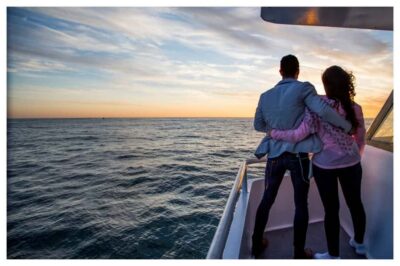
Private Boat Ride in Miami with Experienced Captain and Champagne
Read our review →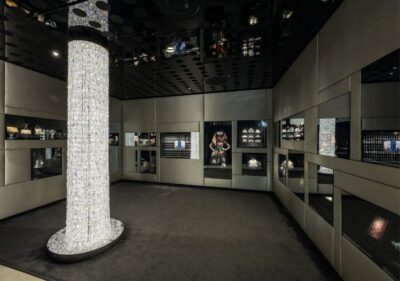
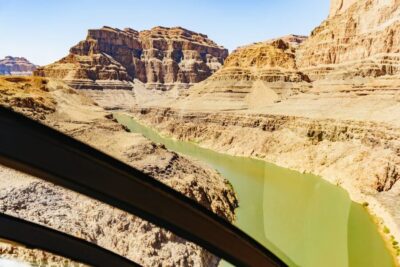
From Las Vegas: Grand Canyon Helicopter Tour with Champagne
Read our review →
2 Hour Champagne Sunset Cruise from Grace Bay, Providenciales (Adult Only)
Read our review →
Grand Canyon West Rim Helicopter Tour with Champagne Toast
Read our review →Browse the lists this tour appears in