
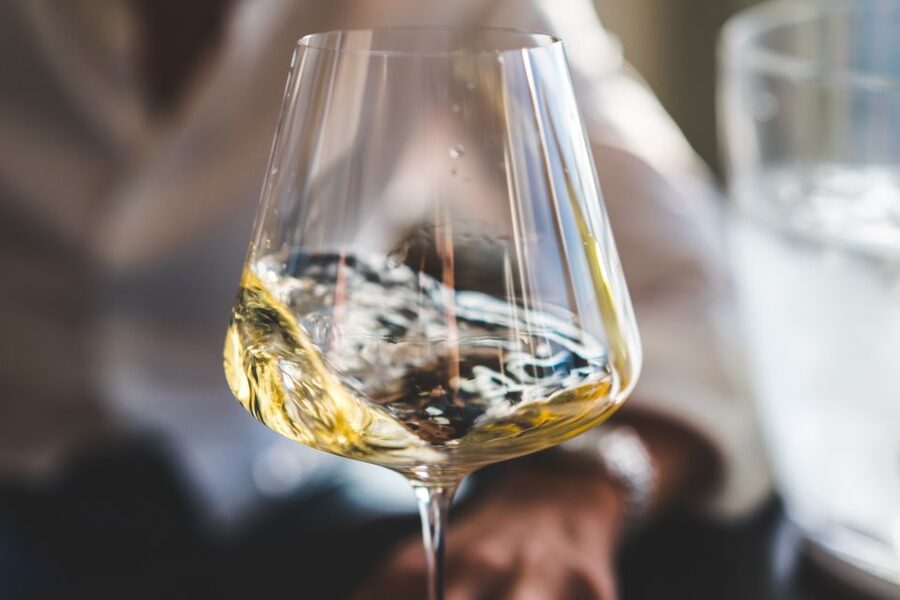
REVIEW · BORDEAUX WINE TOURS
Bordeaux: Introduction to Bordeaux Wines Tasting Workshop
Bordeaux makes wine feel wonderfully complicated. This one-hour workshop brings that complexity down to earth, with three regional wines, a friendly guide, and enough practical tasting advice to help you order with confidence later. I like the central location near the Grand Théâtre, and I like the useful mix of instruction, food, and conversation.
The session includes one white wine and two reds, including a Grand Cru, with local cheese, charcuterie, and baguette. The main consideration is time: one hour goes quickly, and one participant felt the opening explanation could have involved the group sooner. Still, at $34 per person, it offers a lot for a short stop in Bordeaux.
Key points to know before booking
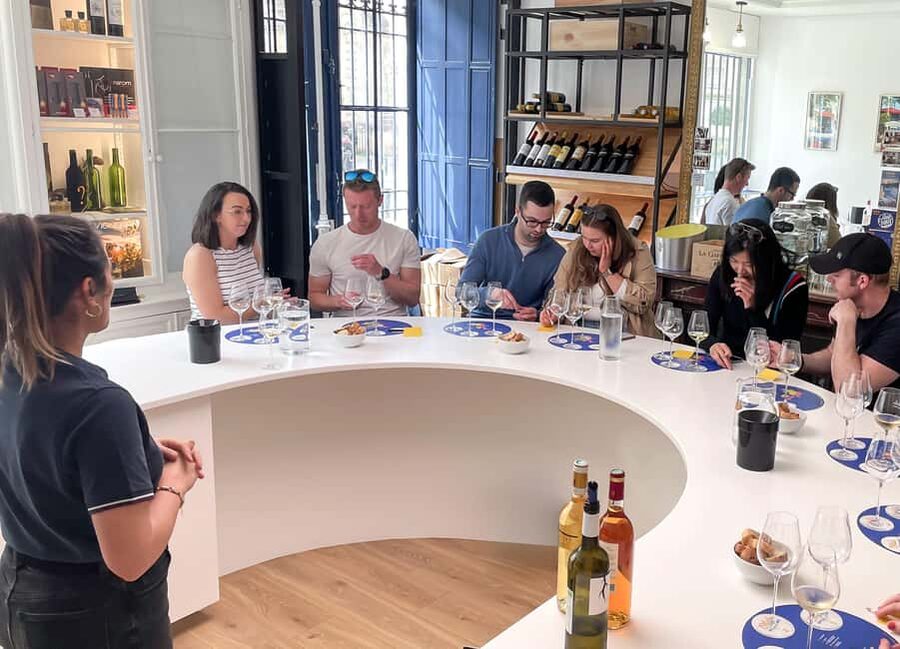
- Three wines in one hour: Taste one white and two reds, including a Bordeaux Grand Cru.
- Food is part of the lesson: Local cheese, charcuterie, baguette, and water are included.
- Terroir made practical: Learn how soil, climate, grape varieties, appellations, and blending shape flavor.
- A good city-center activity: The workshop takes place a short walk from Bordeaux’s Grand Théâtre.
- Interactive teaching: Aroma exercises, tasting steps, and questions make this more than a simple wine pour.
- Best for adults and older teens: The minimum age is 16, and unaccompanied minors are not allowed.
A short lesson near Bordeaux’s Grand Théâtre
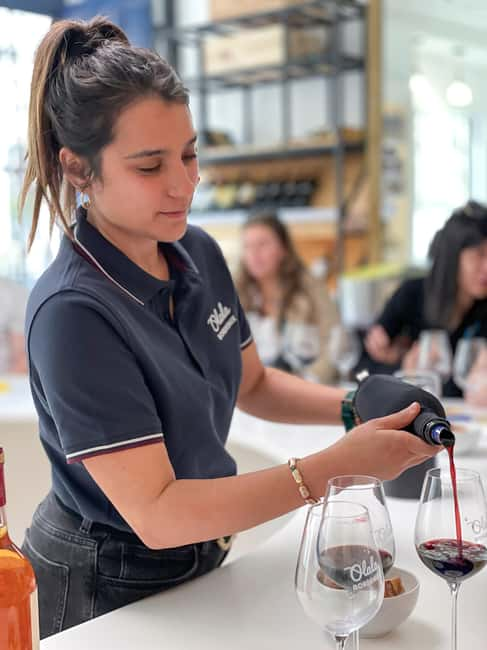
The location is one of this workshop’s strongest practical points. You are in central Bordeaux, just a few steps from the Grand Théâtre, so it fits neatly into a sightseeing day. You do not need to give up half a day for a vineyard visit, and you can schedule it before dinner, after a museum, or between walks through the historic center.
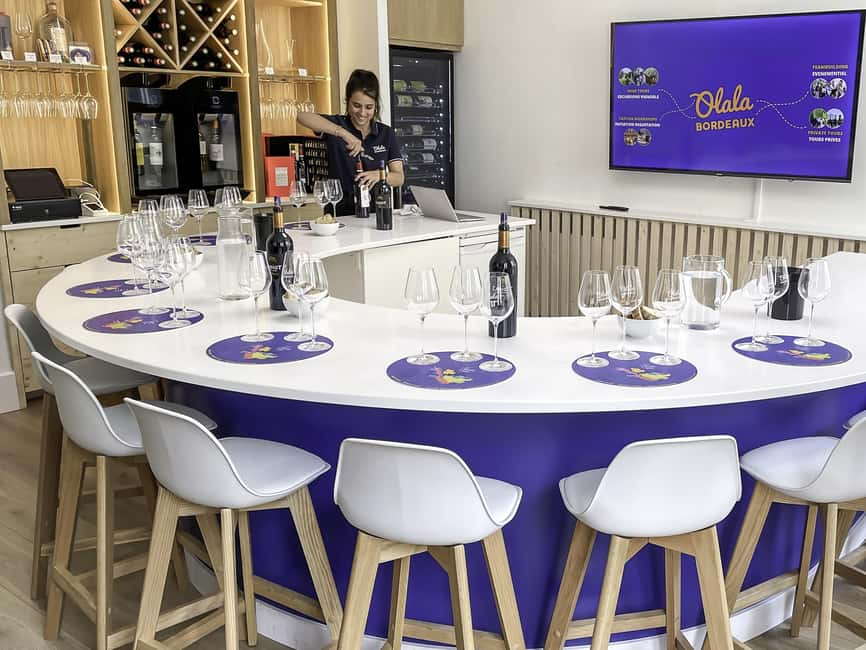
The setting is designed to work as both a small wine classroom and a wine bar. That matters because you get the social feel of a tasting without committing to a long formal course. Previous sessions have taken place in a dedicated space rather than at a spare table in the back of a restaurant, with bright lighting and white tables that make it easier to see the wine.
Group size can be small, depending on the option you book. That gives you a better chance to ask questions, compare impressions, and speak directly with the guide. The atmosphere is relaxed rather than stiff. You do not need to arrive as a wine expert, and you do not need to know the difference between Médoc, Saint-Émilion, and Pessac-Léognan before you sit down.
The workshop is offered in English or French. Guides who have led the session include Antoine, Anna, Eva, Noé, Pierre, Enzo, Olivier, Juliette, and Ana. The individual guide can vary, but the strongest feedback consistently centers on clear explanations, warm personalities, and an ability to keep the class moving.
A few more wine tours around Bordeaux worth a look
- Bordeaux Super Saver Wine Tasting class and St Emilion region
★ 5.0 · 184 reviews - Guided Bordeaux Wine Tasting Class with 6 Wines and pairings
★ 4.9 · 181 reviews - Bordeaux Wine Masterclass: Blending workshop with appetizer
★ 5.0 · 113 reviews
The first lesson: why Bordeaux wine can be confusing
Bordeaux is not usually labeled in the simple way many visitors expect. A bottle may emphasize its appellation or estate rather than placing a familiar grape name front and center. This workshop helps you understand that system before you taste too much wine to remember it.
You are introduced to terroir, the broad idea that soil, climate, and place affect the character of a wine. The point is not to memorize technical vocabulary. It is to understand why two wines made from related grapes can taste different when they come from different parts of the region.
The class also covers grape varieties, appellations, and blending. Blending is especially important in Bordeaux, where producers commonly combine grapes to create balance, structure, aroma, or depth. Once you grasp that idea, Bordeaux menus and wine-shop shelves become less mysterious.
I like this approach because it connects information to your glass. You are not simply hearing a lecture about vineyards and then moving on. The explanations prepare you to notice differences in the wines you taste. One participant found the workshop useful preparation for a full-day wine tour the following day, which is a smart way to use this experience.
The history of Bordeaux wine is included as well, but the focus stays practical. You learn enough background to understand the region without turning the hour into a dense academic class.
Tasting one white Bordeaux wine
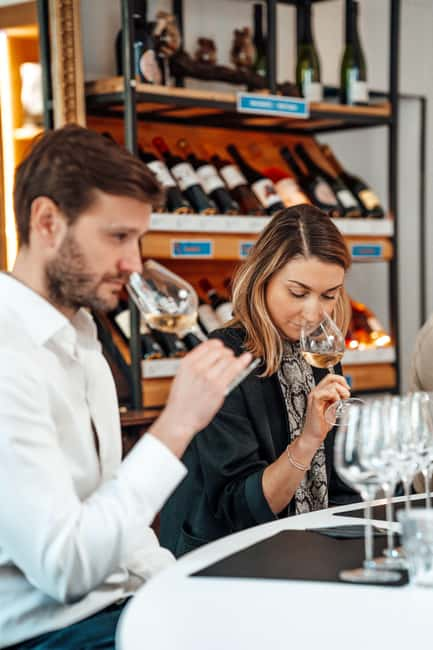
The tasting begins with a white Bordeaux wine. This gives you a useful contrast to the red wines that follow and shows that Bordeaux is not only about powerful, dark reds.
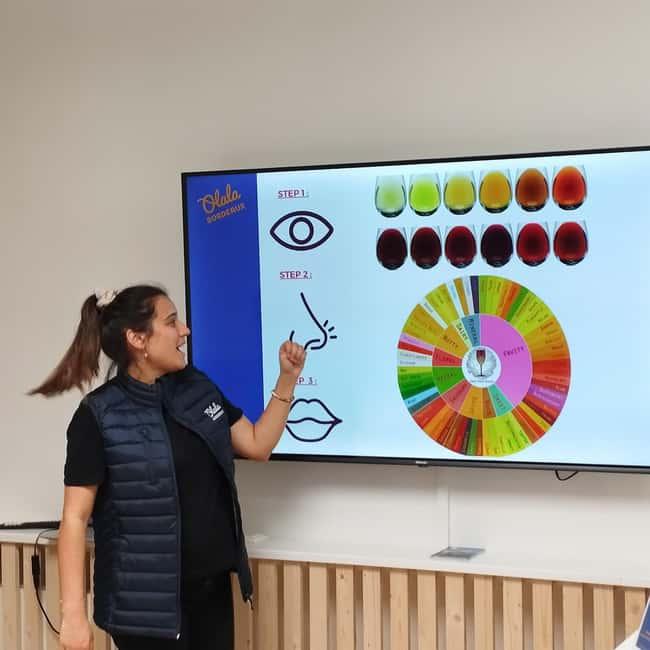
The guide explains the basic tasting process, including how to look at the wine, smell it, and taste it. You learn to pay attention to aromas and structure rather than simply deciding whether you like the wine. That distinction is helpful. You can dislike a particular bottle while still recognizing what it is trying to do.
Aroma identification is part of the fun. Some sessions have used an aroma kit or smell tests with different scents, helping you connect a familiar smell with what you notice in the glass. This is a good tool for beginners because many people can recognize an aroma but struggle to describe it.
Do not worry about producing a clever answer. The value is in trying. You may smell fruit, flowers, spice, or something less obvious, and the guide can help explain how those impressions fit the wine.
The white wine also prepares you for the food pairing discussion. Cheese can make a wine taste softer, sharper, fruitier, or more dry, depending on the combination. The tasting board is not just a snack placed on the table. It gives you a chance to see how food changes your impression of the wine.
Two red wines, including a Bordeaux Grand Cru
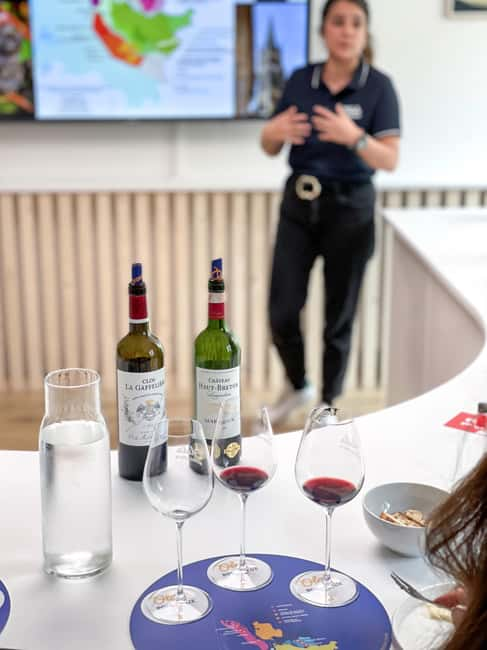
The two red wines form the main part of the Bordeaux lesson. One is a Grand Cru, giving you the chance to taste a more prestigious wine in the context of the wider region.
That label can sound intimidating, but the workshop treats it as a teaching tool rather than a status symbol. You can compare the wines and think about body, aroma, tannin, finish, and balance. You may not leave able to identify every Bordeaux appellation, but you should have a better sense of what you are paying for when a bottle carries a higher price.
A blind tasting activity may also be included, adding a little energy to the session. It encourages you to rely on your senses instead of guessing based on the bottle or the reputation of the wine. This is where the workshop feels most like an activity rather than a speech.
The guides are encouraged to involve the group, and the best sessions appear to have a lively rhythm of explanation, tasting, questions, and discussion. Antoine received especially warm praise for making the experience both informative and fun. Anna was also singled out for being attentive and keeping the activity interactive.
One useful point to remember: tasting three wines in an hour is enough to learn, but not enough to master the region. One participant felt it was difficult to apply every lesson in such a short period. I think that is fair. The workshop gives you a foundation, not a professional qualification.
Same region, a very different glass:
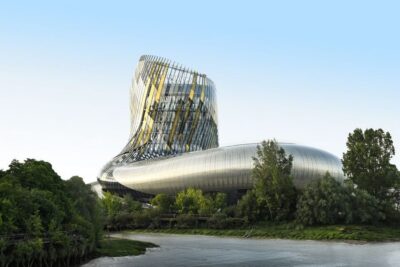
- Bordeaux: Cité du Vin Entry Ticket and Wine Tasting
★ 4.6 · 3,885 reviews - Bordeaux: River Garonne Cruise with Glass of Wine and Canelé
★ 4.5 · 3,630 reviews - From Bordeaux: Afternoon Saint-Emilion Wine Tasting & snack
★ 4.8 · 1,581 reviews - Medoc or Saint Emilion Wine Tasting and Chateau from Bordeaux
★ 5.0 · 1,415 reviews
Cheese, charcuterie, and the practical side of pairing
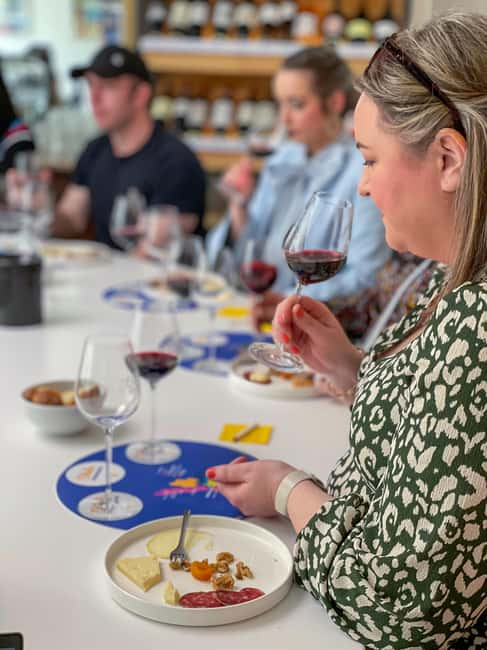
The food board includes local cheeses, charcuterie, and baguette. It is generous enough to make the tasting feel like a complete outing rather than three isolated sips.
Pairing is explained in simple terms. You can notice how salt, fat, texture, and acidity affect wine. This is one of the most useful parts of the workshop because it moves the discussion from vineyards to your own table at home.
You also get a chance to compare your reaction to a wine before and after eating. A red that seems firm on its own may feel more balanced with charcuterie. A white wine may change noticeably with cheese. These are small observations, but they are exactly the kind of skills you can use the next time you shop for wine or host friends.
Water is included, which is important during any tasting. Information brochures are also provided, giving you something to refer to after the class. The workshop does not include personal expenses, so anything beyond the supplied food and wine is your responsibility.
What the guide actually teaches you to do
The best outcome here is not memorizing a list of Bordeaux names. It is learning a repeatable method.
You are shown how to approach a glass in stages:
- Look at the wine and note its color and clarity.
- Smell it before tasting, then smell it again after swirling.
- Take a small sip and consider flavor, texture, acidity, and tannin.
- Notice how the wine changes after food.
- Talk about what you like and why.
This method helps remove some of the pressure from wine tasting. You do not have to guess the correct answer. You simply observe and describe what you notice.
The guides also invite questions about personal preferences. If you prefer lighter wines, sweeter wines, dry whites, or full-bodied reds, you can ask how those preferences fit within Bordeaux. That personal exchange is one reason a small group can be more useful than a large lecture.
The teaching style varies by guide. Most feedback describes the sessions as engaging, clear, and well paced. One participant wanted more wine in the opening minutes and less initial talking. That is a reasonable caution for people who prefer to learn by doing. The class does begin with explanation, so you should expect a short introduction before the tasting gets fully underway.
Why the $34 price makes sense
At $34, this is good value for a central Bordeaux activity. You receive a guided lesson, three wines, a local food board, water, and printed information. The inclusion of a Grand Cru makes the price feel especially fair, provided you are interested in learning rather than simply drinking.
A wine bar could easily charge a similar amount for several glasses and a snack, but you would miss the instruction. A formal vineyard excursion would give you more time and a stronger sense of place, but it would cost more and require additional travel.
The main limit is the short duration. You are paying for an introduction, not a full examination of Bordeaux’s wine country. If you want château visits, vineyard walks, cellar tours, or a broader range of appellations, choose a longer excursion instead.
For someone spending only a few days in Bordeaux, I think the workshop offers a smart balance. It gives you enough information to make later tastings more rewarding, including visits to Saint-Émilion or other nearby wine areas. Several participants specifically found that the class helped them appreciate a winery visit more fully the next day.
Who will get the most from this workshop
This is a strong choice for first-time Bordeaux wine drinkers. You will learn the basic vocabulary without needing prior experience, and the guide can answer questions in plain language.
It also suits people who already enjoy wine but want to understand Bordeaux better. The region’s appellation and blending systems can be hard to grasp from a bottle list alone. A guided comparison makes the ideas easier to remember.
Solo visitors should feel comfortable booking. The group can include couples and people attending alone, and the social format gives you something to do beyond simply sitting quietly with a glass.
I would also recommend it before a full-day wine tour. The workshop gives you a framework for tasting, so you can pay attention to differences between estates and regions later rather than treating every red wine as simply good or bad.
The minimum age is 16, and children under 16 are not suitable for the experience. Pets and unaccompanied minors are not allowed. English and French are available, but you should check the language and meeting point for the specific option you select because the meeting location may vary.
Practical timing and cancellation advice
The session lasts one hour, with starting times based on availability. Since the workshop is near the Grand Théâtre, allow enough time to find the meeting point and arrive ready to begin. A late arrival could mean missing part of the introductory explanation, which is important because the tasting builds from one wine to the next.
Free cancellation is available up to 24 hours before the activity for a full refund. You can also reserve now and pay later, which is useful if your Bordeaux schedule is still changing.
Because wine is served, plan this as a focused activity rather than one stop among many tastings in quick succession. The class is short, but the three wines and food still require attention. You will get more from it if you take notes mentally, ask questions, and avoid rushing off immediately afterward.
Should you book the Bordeaux wine workshop?
I would book this if you want a short, affordable introduction to Bordeaux wine in the city center. The combination of three wines, local food, aroma exercises, and clear teaching gives you more than a standard tasting flight.
I would choose a longer vineyard tour if your main goal is seeing estates, walking through vineyards, or visiting Saint-Émilion. I would also look elsewhere if you want a purely social wine bar experience with little instruction.
For most visitors, though, this is an easy activity to fit into a Bordeaux itinerary. It is friendly, practical, and reasonably priced. You leave with better questions to ask, better words for describing what you taste, and a clearer idea of which Bordeaux wines deserve another glass.
FAQ
How long does the Bordeaux wine tasting workshop last?
The workshop lasts one hour.
How many wines are included?
You taste one white Bordeaux wine and two red Bordeaux wines. One of the red wines is a Grand Cru.
Is food included?
Yes. The experience includes local cheese, charcuterie, baguette, and water.
What will I learn during the workshop?
You learn the basics of wine tasting and production, including terroir, grape varieties, appellations, blending, tasting steps, aromas, and food pairing.
Is the workshop offered in English?
Yes. The activity is available in English and French.
Where does the workshop take place?
It takes place in central Bordeaux, a short distance from the Grand Théâtre. The exact meeting point may vary depending on the option booked.
Is this activity suitable for children?
The experience is not suitable for children under 16. Unaccompanied minors are not allowed.
Is this a small-group activity?
A small-group option is available. The group type depends on the option selected.
Can I cancel for a full refund?
Yes. You can cancel up to 24 hours in advance for a full refund.
Newly added around Bordeaux
- Saint Emilion Full Day Wine and Bike Tour★ 5.0 · 167 reviews
- Luxurious full day Bordeaux wine tour in a Tesla★ 4.5 · 31 reviews
- Private Bordeaux History Tour with a glass of Bordeaux wine.★ 5.0 · 28 reviews
- Private – Best of Bordeaux Walking Tour + Glass of Bordeaux Wine★ 5.0 · 240 reviews
- Wine Masterclass & Cheese Tasting Workshop in Bordeaux★ 5.0 · 29 reviews
- Bordeaux wines tasting workshop including Food & Wine pairings★ 5.0 · 31 reviews
- Bordeaux Wine Masterclass: Blending workshop with appetizer★ 5.0 · 113 reviews
- Medoc Afternoon Wine Tour – 2 Wineries, tastings & delicacies★ 4.5 · 74 reviews
Bordeaux Wine Tours, compared.
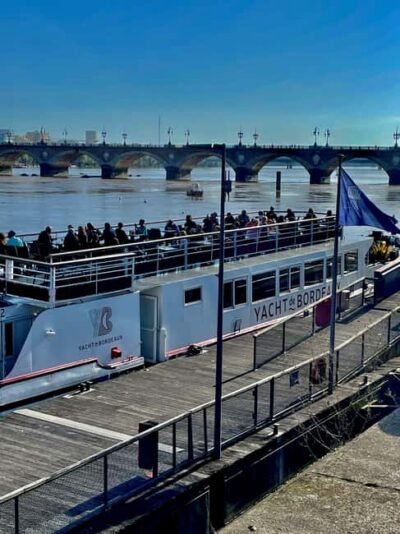
River Garonne Cruise with Glass of Wine and Canelé
Read our review →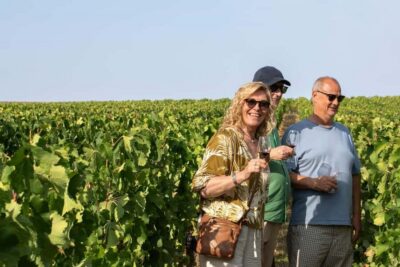
Afternoon Saint-Emilion Wine Tasting & snack
Read our review →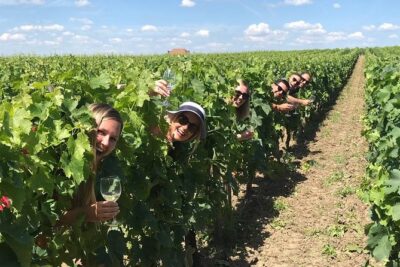
Medoc or Saint Emilion Wine Tasting and Chateau from Bordeaux
Read our review →
Saint Emilion Day Trip with Sightseeing Tour & Wine Tastings from Bordeaux
Read our review →
Saint Emilion Half-Day Trip with Wine Tasting & Winery Visit from Bordeaux
Read our review →
Browse the lists this tour appears in