
REVIEW · DIJON WINE TOURS
Dijon: Burgundy Wines Masterclass
Burgundy makes you work for the label. This one-hour Dijon masterclass gives you a clear way into the region’s complex wines, from tasting technique and grape varieties to Burgundy’s strict place-based labeling system. I especially like the six-wine format, with three whites and three reds, and the calm, friendly teaching style associated with Matthieu, whose experience covers both amateur and professional tastings.
I also like the practical food-pairing element, with cheeses, meats, and other small bites appearing in past sessions. The main drawback is the fixed one-hour schedule at 2:30 p.m., which can feel brief when the discussion gets lively. You may leave wanting more time, especially if Burgundy wine is new to you.
Key points to know before booking
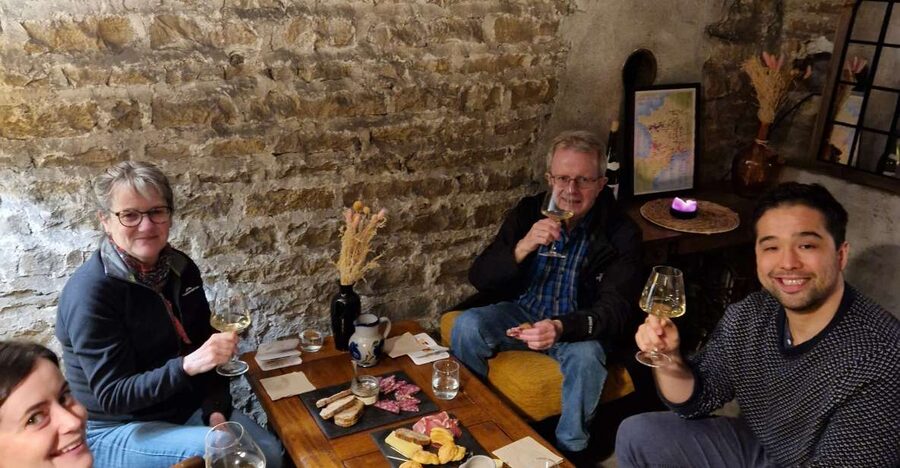
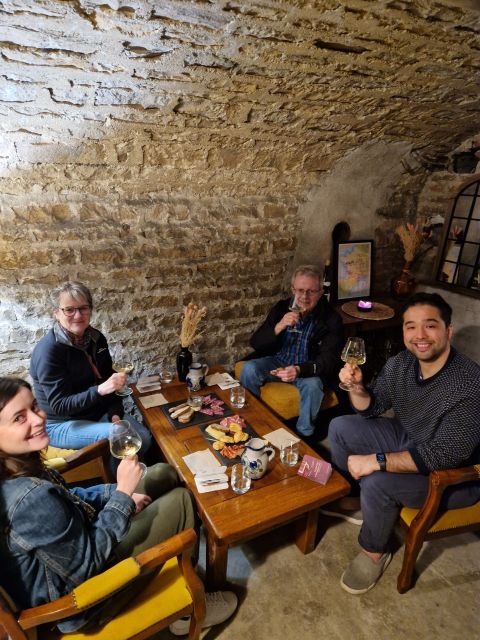
- Six Burgundy wines: Taste three whites and three reds while comparing styles, grapes, and areas within the region.
- A real tasting lesson: The class begins with a structured method based on the Wine & Spirit Education Trust approach.
- Food pairing included in practice: Cheese, cold meats, and other nibbles have been used to show how food changes a wine.
- Small groups capped at 10: You get room to ask questions without the feel of a large lecture.
- Convenient central meeting point: Enter the courtyard and look for the stairs leading down to the sign for The Wine Compass.
- A 2:30 p.m. start: This fits neatly between sightseeing and dinner, though another time may be possible by request.
Why Burgundy deserves a class of its own
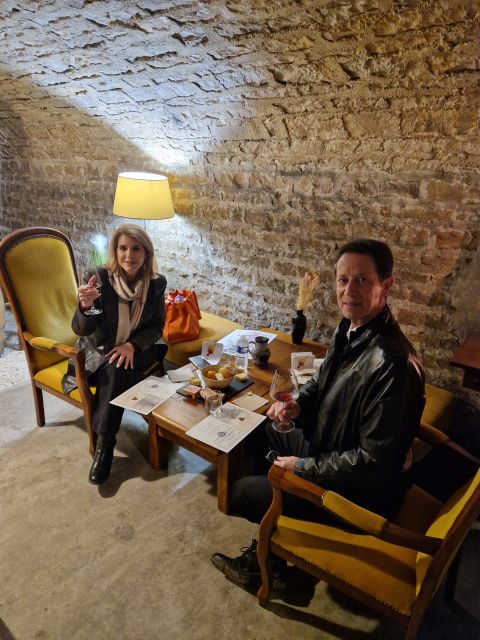
Burgundy is not the easiest French wine region to understand from a bottle shop shelf. The names often refer more to place than grape. A label can point to a village, a vineyard, or a larger regional area, and the difference matters.
That is why a guided introduction helps. Instead of tasting six unrelated wines, you learn how to connect each glass with Burgundy’s geography, production rules, and grape varieties. The lesson gives you a framework you can use later, perhaps while reading a wine list in Beaune or choosing a bottle in Dijon.
You do not need a trained palate. The class is designed for curious beginners as well as people who already know their way around wine. One first-time taster described learning not only about Burgundy but also useful tasting tips in general. That is an important distinction. You are not simply sampling expensive French wine. You are learning what to notice.
The atmosphere is meant to stay relaxed. Questions are welcome, and the host aims to keep the session friendly rather than formal. That matters in wine education. A stiff lecture can make you afraid to admit you do not know the difference between a village wine and a vineyard wine. Here, the tone is built around conversation.
A few more wine tours around France worth a look
- Authentic Parisian Gourmet Food Tour with 10 Local Dishes & Wines
★ 5.0 · 4,754 reviews - Loire Valley Castles Day Trip from Paris with Complementary Wine
★ 4.5 · 3,907 reviews - Bordeaux: Cité du Vin Entry Ticket and Wine Tasting
★ 4.6 · 3,885 reviews
The first lesson: how to taste wine properly
The session begins with the basics of tasting. This is not just swirling a glass and searching for fancy words. You are shown how to look at the wine, smell it, taste it, and think about its structure and finish.
The method follows the systematic approach used by the Wine & Spirit Education Trust. The guide leading these sessions has reached the highest level of that school in London and has ten years of experience teaching both amateurs and professionals. That background gives the opening lesson a solid base, but the teaching remains accessible.
You can expect to consider questions such as:
- What do you notice before tasting?
- How does the aroma change after the wine is swirled?
- Is the wine fresh, full, light, dry, or sweet?
- What flavors and textures remain after you swallow?
- Does the wine feel balanced?
You do not need to memorize technical terms. The useful part is learning a repeatable process. Once you have that, you can taste more carefully in any region, not just Burgundy.
A particularly helpful detail from past sessions is the chance to learn how to recognize when a wine is not right. That is a practical skill many casual tastings skip. Knowing what a flawed wine smells or tastes like can save you from assuming every unpleasant glass is simply a style you dislike.
Six glasses, two colors, many Burgundy styles
The planned tasting includes three white wines and three red wines. That gives the class enough range to show how much Burgundy can vary, while keeping the session manageable.
Burgundy is strongly associated with Chardonnay for white wine and Pinot Noir for red wine, but the point here is not just to identify grapes. You are guided through the different areas of Burgundy and shown how place, production rules, and labeling shape what ends up in your glass.
The three white wines allow you to compare variation within a single broad color category. The same is true of the reds. You may notice differences in aroma, weight, freshness, and finish, and the guide explains why those differences matter.
This comparison is far more useful than tasting one white and one red. With six wines, you get a small tasting ladder. A wine that seemed light on its own may feel fuller beside another. A wine that smelled subtle at first may show more detail after the class explains what to look for.
Do keep your expectations realistic. A one-hour class cannot cover every village and vineyard in Burgundy. You will receive an organized introduction, not a complete wine diploma. The value comes from gaining a working map of the region and a better way to judge what you are tasting.
Reading a Burgundy label without getting lost
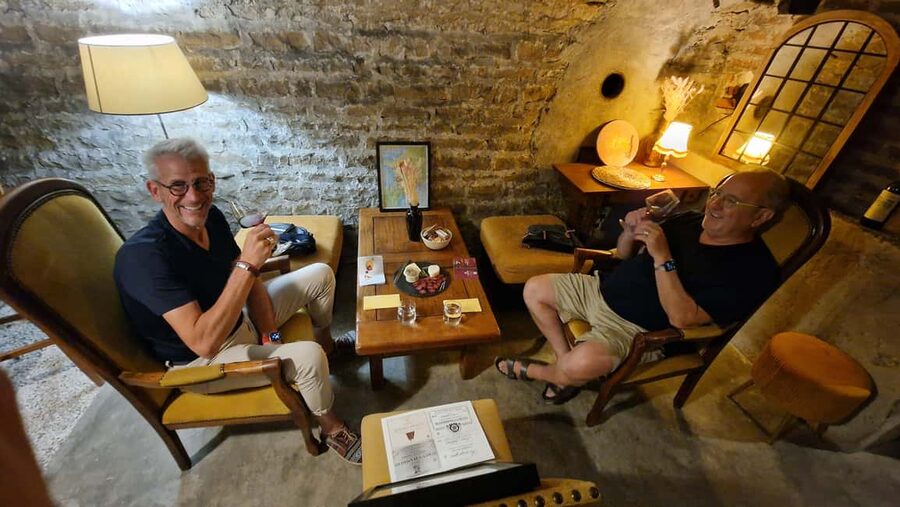
For many people, the most useful part of the class is label reading. Burgundy bottles can seem intimidating because the place name may carry more information than the grape name.
The guide explains the rules of production and how Burgundy labels work. That gives you a better chance of understanding what you are buying later. You learn to look beyond a familiar producer name and consider the level and location indicated on the bottle.
This is especially valuable if you plan to visit wine shops or restaurants during your stay. A label that once looked like a string of French place names begins to offer clues. You may still need help with pronunciation, but at least the structure becomes less mysterious.
The class also puts Burgundy in its regional context. Instead of treating the wine as a collection of prestigious names, it shows how different areas fit together. That geographic approach makes the subject easier to remember and helps explain why two bottles made from the same main grape can taste quite different.
I would pay close attention here, even if you are mainly booking for the tasting. The label lesson is the part most likely to remain useful after the wine glasses are cleared.
Same region, a very different glass:
- Bordeaux: River Garonne Cruise with Glass of Wine and Canelé
★ 4.5 · 3,630 reviews - Montmartre Hill French Gourmet Food and Wine Tasting Walking Tour
★ 5.0 · 2,588 reviews - Paris: Montmartre Cheese, Wine & Pastry Guided Walking Tour
★ 4.8 · 2,255 reviews - From Paris: Loire Valley Castles Day Trip With Wine Tasting
★ 4.6 · 1,727 reviews
Food pairing makes the lesson more practical
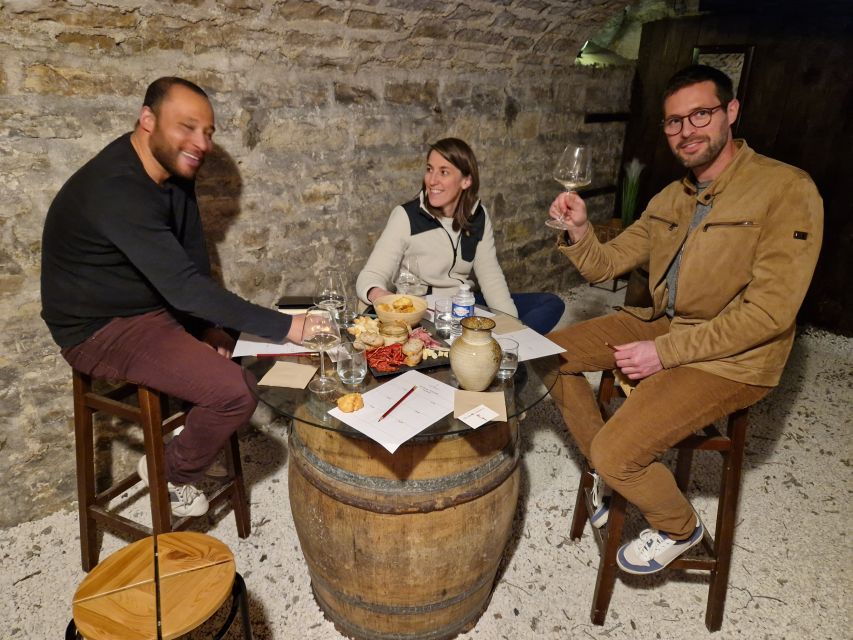
Wine is easier to understand when you taste it with food. In previous sessions, the pairings have included cheeses, cold meats, and scones or similar small bites. The exact food selection may vary, but the purpose is clear: you see how a wine changes when matched with something salty, creamy, savory, or rich.
This is not a full meal, so do not book it as a substitute for dinner. It is a tasting accompaniment that helps demonstrate the pairing ideas being discussed.
The food also keeps the experience grounded. Instead of discussing pairing in the abstract, you can test the combination yourself. A wine may seem sharp on its own and softer with cheese. Another may work well with cured meat because its freshness cuts through the salt.
I like this part because it gives you something useful for future meals. You do not need to remember every technical description. You can remember the broader rule: pay attention to the weight, freshness, texture, and intensity of both the food and the wine.
One point worth noting is that the standard tasting includes both white and red wines. A past participant wished for the option of choosing only red or only white. If you have a strong preference, ask in advance, but do not assume a single-color tasting is part of the normal format.
A small group with room for questions
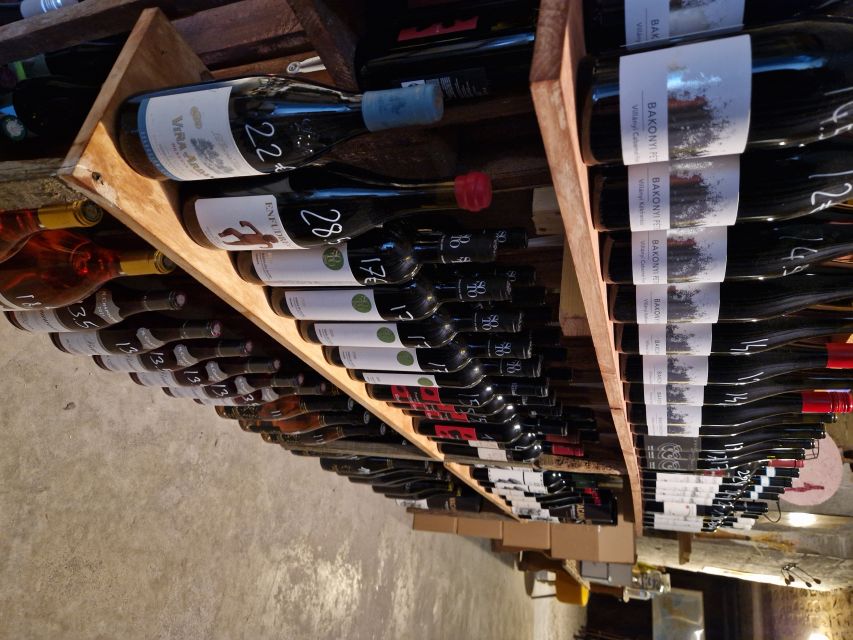
The group is limited to 10 participants. That is small enough to make questions practical, but large enough to create a social atmosphere.
The teaching style is described as warm, humorous, and easy to follow. Matthieu is frequently praised for balancing technical detail with conversation. That balance matters because wine classes can fail in two opposite ways. Some are too basic to be useful. Others bury newcomers in jargon.
Here, the aim is to make you comfortable asking simple questions. You can ask about a grape, a label, a smell, or why one wine feels different from another. The relaxed tone also helps if you are attending with people who have very different levels of experience.
The social side is part of the appeal. One session began with six acquaintances and ended with a friendly group connected by shared interest in wine. You should not expect a party, but the format offers more interaction than a large tasting counter.
Because the group is small, arrive ready to take part. You will get more from the class if you compare impressions with the people around you rather than simply waiting for the next pour.
Timing, meeting point, and practical planning
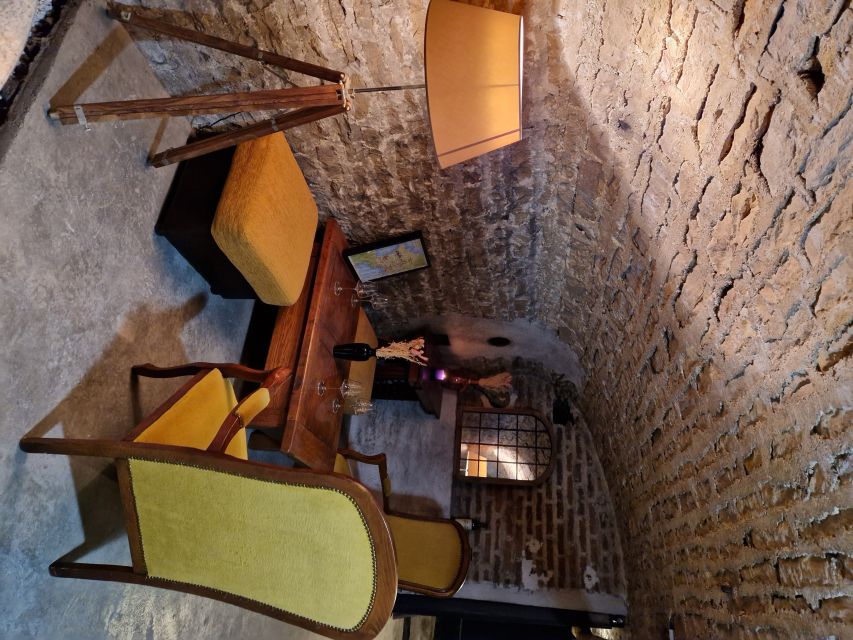
The scheduled starting time is 2:30 p.m. That makes this easy to pair with a morning visit to Dijon’s old center, a relaxed lunch, or an afternoon plan afterward.
The class lasts one hour. The official format is compact, although discussions have sometimes continued longer when the group was especially engaged. You should plan around the stated hour rather than count on extra time. If you have a tight dinner reservation or train departure, leave a buffer.
To find The Wine Compass, enter the courtyard at the meeting point. Look to the left for stairs going down and a sign marked The Wine Compass. This is the key arrival detail, since the meeting point is identified by the courtyard and sign rather than a more elaborate landmark.
Water is included. That is a small but welcome detail during a tasting of six wines. Eat beforehand or plan a meal afterward, since the food pairing is described as nibbles rather than a complete lunch or dinner.
The class is offered in English, French, and Spanish. German may be available by request. If language is important to your enjoyment, contact the provider before booking rather than assuming a German session will be running.
The experience is for adults. Children under 18 are not accepted, and the activity is not suitable for pregnant women. Pets are not allowed.
Is $54 good value for one hour?
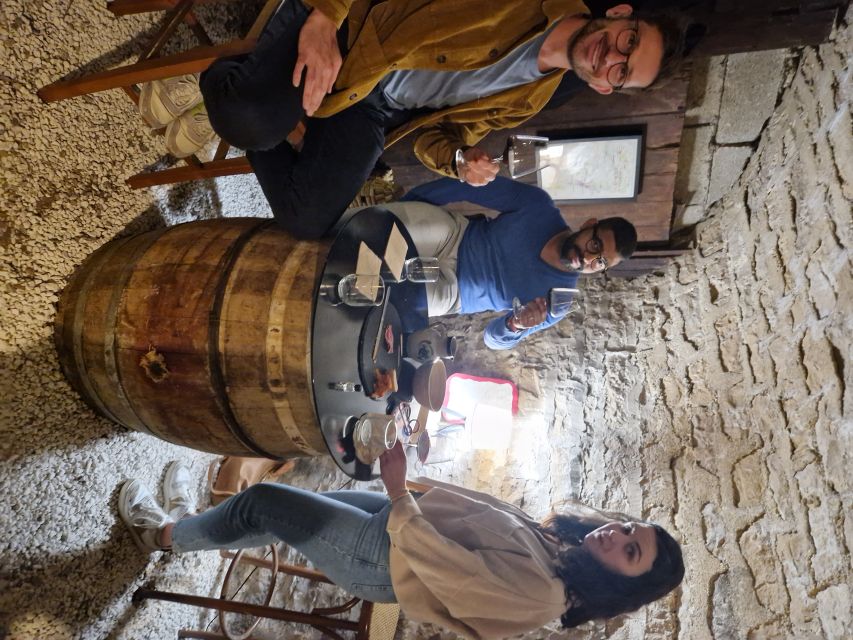
At $54 per person, this is not a cheap drink-and-snack stop. It is priced as a taught tasting, and the value depends on how much you want to understand rather than how much wine you want to consume.
You receive six wines, instruction in a structured tasting method, an explanation of Burgundy’s regions and rules, label guidance, water, and food-pairing examples. For someone new to Burgundy, that is a useful package. You leave with tools you can use during the rest of your trip.
The cost may feel less worthwhile if you only want a quick sip of local wine or prefer choosing a bottle at a bar. It may also feel brief if you enjoy long technical discussions. In that case, the best value comes from asking questions and using the hour well.
I see it as particularly good value early in a Burgundy visit. Take the class before visiting wine villages or ordering bottles at a restaurant, and the rest of the region may make more sense. If you are already an advanced wine student, you may want a longer or more specialized course.
Free cancellation is available up to 24 hours before the experience for a full refund, and you can reserve now and pay later. Those policies make it easier to fit the class into a changing Dijon schedule.
Who will enjoy this Dijon wine masterclass?
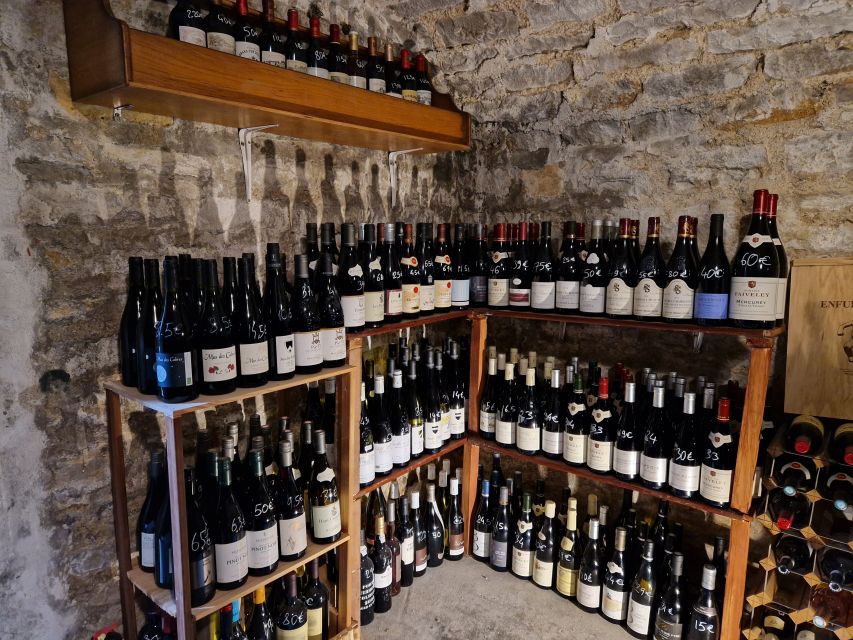
You are a good match if you want a friendly introduction rather than a formal certification course. Beginners get a clear starting point, while experienced drinkers can use the regional and labeling discussion to sharpen what they already know.
I would especially recommend it to:
- First-time Burgundy visitors who want context before touring the vineyards
- Couples or friends looking for a short afternoon activity
- Wine drinkers who find Burgundy labels confusing
- People who want both white and red wines in one session
- Anyone interested in food pairing without booking a full meal
- Small groups that enjoy questions and conversation
You may want to skip it if you dislike structured tasting or have no interest in learning how wine is assessed. It is also not the right choice for anyone under 18, pregnant participants, or people hoping to bring a pet.
Should you book The Wine Compass masterclass?
I would book this if Burgundy wine feels exciting but confusing. The class gives you a practical vocabulary, six examples to compare, and a guide who can explain the region without making beginners feel out of place.
The strongest reason to go is the teaching. Matthieu and the other hosts are praised for combining expert wine knowledge with humor, patience, and a relaxed manner. The second is the range: three whites and three reds give you a better introduction than a single-category tasting.
Choose another activity if you want a long vineyard visit, a full meal, or a deep specialist course. For a compact Dijon experience at $54, though, this is a sensible first step into Burgundy wine. Book the 2:30 p.m. slot, arrive with questions, and pay close attention to the label lesson. That is where the class may prove most useful later.
FAQ
What time does the Burgundy Wines Masterclass start?
The scheduled starting time is 2:30 p.m. Another time may be possible by request, so contact The Wine Compass if that slot does not fit your plans.
How long does the experience last?
The stated duration is one hour.
How many wines are included?
Three white wines and three red wines are served, for a planned total of six wines.
What will I learn during the class?
You learn how to taste wine properly, along with information about Burgundy’s areas, grape varieties, production rules, regional background, and how to read a Burgundy label.
Is food included?
Food-pairing examples are part of the experience, and past sessions have included cheeses, cold meats, and scones or similar nibbles. Water is included. The information does not describe the pairing as a full meal.
Which languages are available?
The class is offered in English, French, and Spanish. German may be available on request.
How large is the group?
The group is limited to 10 participants.
Where do I meet the guide?
Enter the courtyard and look for stairs going down on the left. A sign for The Wine Compass marks the meeting point.
Can children attend?
No. The activity is not suitable for children under 18 or people under 17.
Can I cancel my booking?
You can cancel up to 24 hours in advance for a full refund. You can also reserve now and pay later.
Newly added around France
- Saint Emilion Full Day Wine and Bike Tour★ 5.0 · 167 reviews
- Luxurious full day Bordeaux wine tour in a Tesla★ 4.5 · 31 reviews
- Private Bordeaux History Tour with a glass of Bordeaux wine.★ 5.0 · 28 reviews
- Private – Best of Bordeaux Walking Tour + Glass of Bordeaux Wine★ 5.0 · 240 reviews
- Wine Masterclass & Cheese Tasting Workshop in Bordeaux★ 5.0 · 29 reviews
- Bordeaux wines tasting workshop including Food & Wine pairings★ 5.0 · 31 reviews
- Bordeaux Wine Masterclass: Blending workshop with appetizer★ 5.0 · 113 reviews
- Medoc Afternoon Wine Tour – 2 Wineries, tastings & delicacies★ 4.5 · 74 reviews
Dijon Wine Tours, compared.
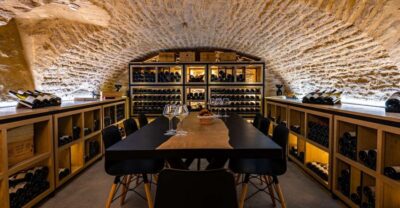
La Cave du Palais Burgundy Wine Tasting Experience
Read our review →Burgundy wine tasting tour Half-Day Beaune from Dijon
Read our review →
Burgundy Wines Full-Day Tasting Tour from Dijon
Read our review →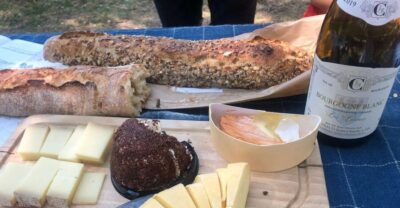
Historic Center of Dijon : Discovery Tasting Wine Burgundy
Read our review →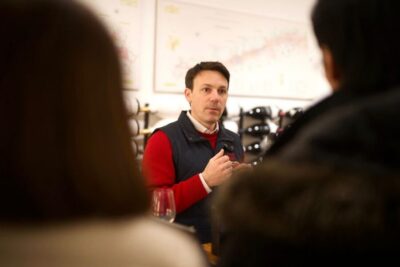
🍷 Masterclass Pinot Noir – Wine tasting in Dijon 🇫🇷
Read our review →
Browse the lists this tour appears in