
REVIEW · WINE TASTINGS
Château de Luc: Unique visit and wine tasting
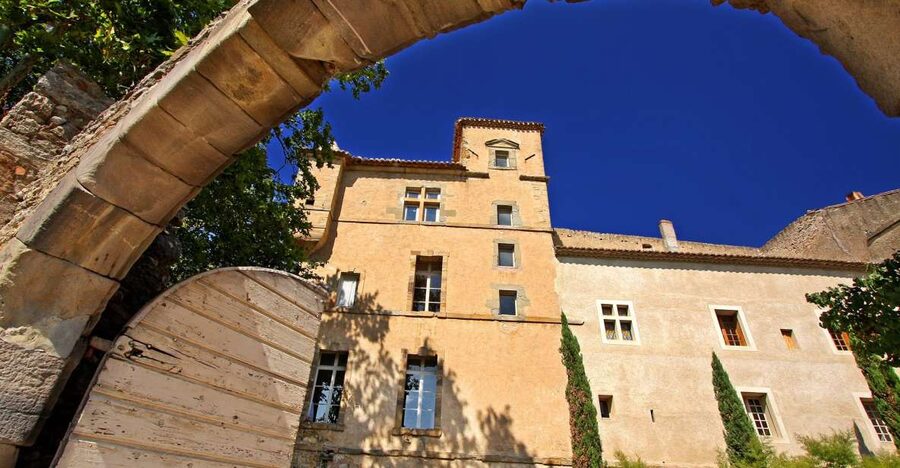
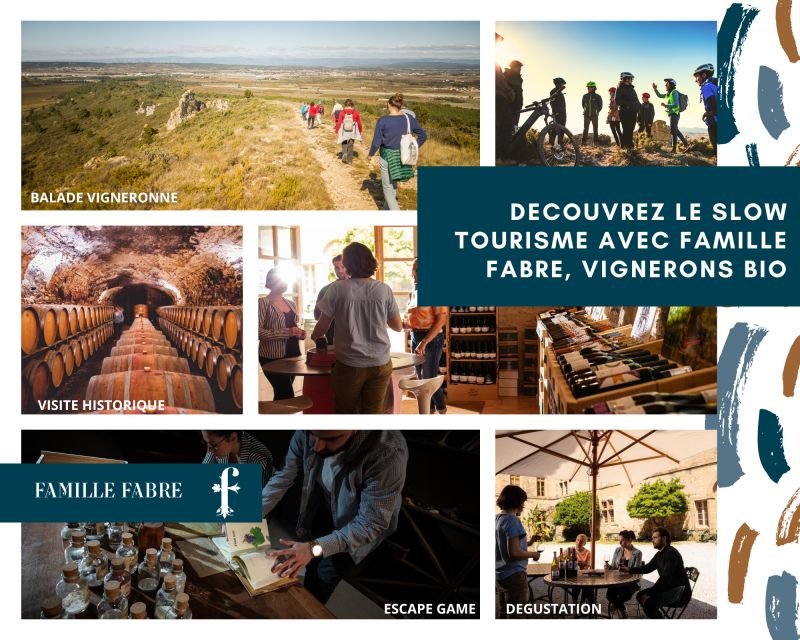
Old stones make good wine stories. At Château de Luc, you move from the family-run estate’s historic rooms into a 14th-century underground cellar, then finish with organic wines in a former stable. I like the way this visit connects wine to the people, events, and working traditions of the Languedoc.
I also like the small-estate feel. The tour is led by people closely tied to the property, including Jeanne, whose warmth and passion have earned especially strong praise. The main consideration is access: the visit is not suitable for wheelchair users, and one visitor found the tour shorter and the wines less appealing than expected.
Key points to know before booking
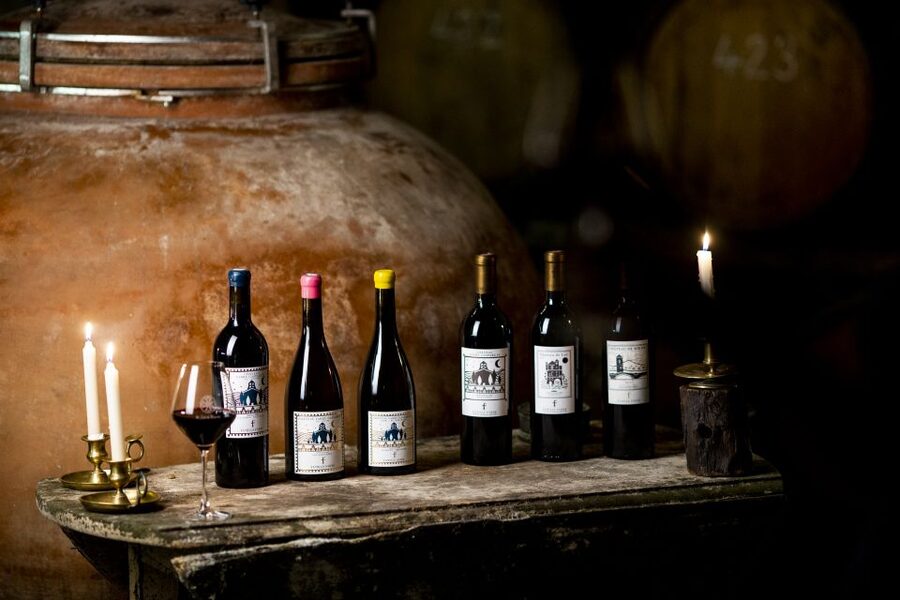
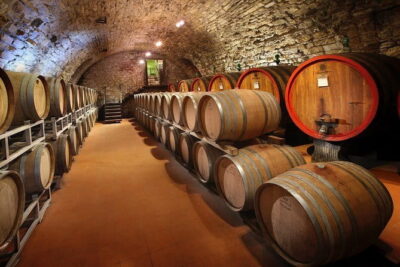
- The 14th-century cellar is the main visual reward: You go below the old home to see one of the estate’s oldest wine spaces and its aging barrels.
- The story reaches beyond the château: The visit explains the rise of the Midi wine trade in the 19th century and the major wine revolt of 1907.
- You taste three to six organic wines: The selection can include IGP Pays d’Oc, AOC Languedoc, Corbières, and Minervois bottles.
- The welcome is a major strength: Jeanne and the Fabre family team are praised for clear explanations, warmth, and a genuine connection to the estate.
- The price is unusually low: At $15 per person, the combination of history, cellar access, and tasting offers strong value for wine lovers.
- The setting has practical limits: Under-age children can visit free, but the underground spaces and historic rooms are not suitable for wheelchair users.
Why Château de Luc feels different from a standard tasting
Many winery visits begin and end with a glass in hand. Château de Luc gives you a larger story first. You learn how the estate fits into the history of the Languedoc wine trade, then taste the results of that tradition.
That order matters. A Corbières or Minervois wine becomes more interesting when you understand the region’s long relationship with vineyards, family estates, production, and protest. The visit links wine to the great expansion of 19th-century viticulture and to the wine revolt of 1907, when growers across the Midi demanded action during a serious agricultural and economic crisis.
I appreciate this historical frame because it keeps the tour from becoming a simple sales pitch. You are not only told which bottle to buy. You are shown how wine shaped local life and how the family business has continued through changing times.
The experience is also personal. Château de Luc is presented as a family-run winegrowing business that is still changing and working today. That gives the visit a more direct feel than a large commercial cellar with a polished script.
More Wine Tastings in France
- Bordeaux: Cité du Vin Entry Ticket and Wine Tasting
★ 4.6 · 3,885 reviews - Montmartre Hill French Gourmet Food and Wine Tasting Walking Tour
★ 5.0 · 2,588 reviews - From Paris: Loire Valley Castles Day Trip With Wine Tasting
★ 4.6 · 1,727 reviews
Entering the historic rooms of Château de Luc
The tour begins inside the château, with its historic rooms and family story. The exact route and length may vary, but the visit is designed to move through the estate’s past in a clear sequence rather than rush straight to the tasting table.
You can expect an explanation of the family’s connection to the property and the role of the château in the surrounding wine region. A guide such as Jeanne helps make the history approachable. Her style has been praised for combining wine expertise with a simple, personal way of explaining the family’s work.
This is where the experience will appeal most to people who enjoy place-based history. You are not visiting an empty monument. The old home is tied to a living business, and the rooms help explain how the property developed.
Do not expect a grand palace tour with a long list of famous artworks. The appeal is the connection between the rooms, the family, and the wine trade. If you want a short historical visit with a strong local focus, this part should suit you well.
Going underground to the 14th-century cellar
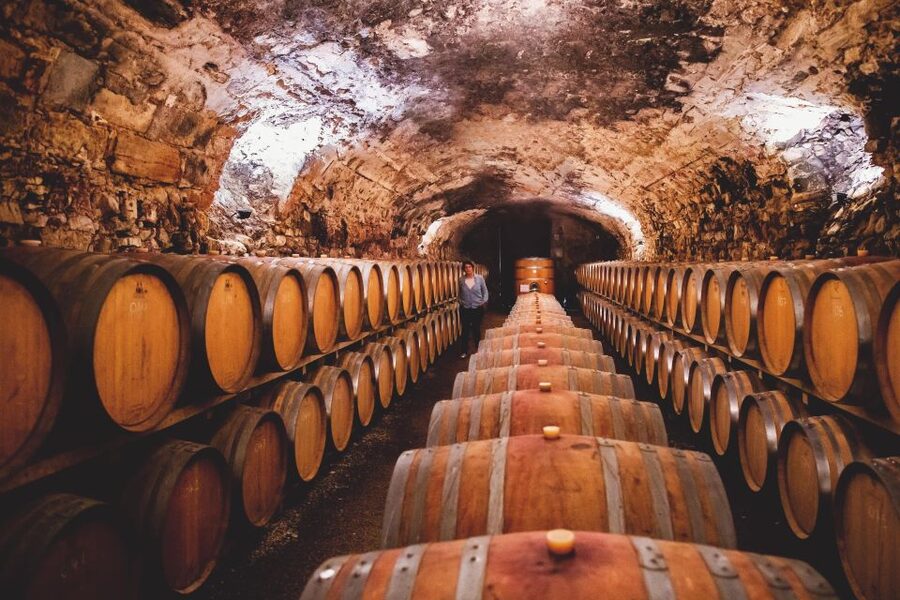
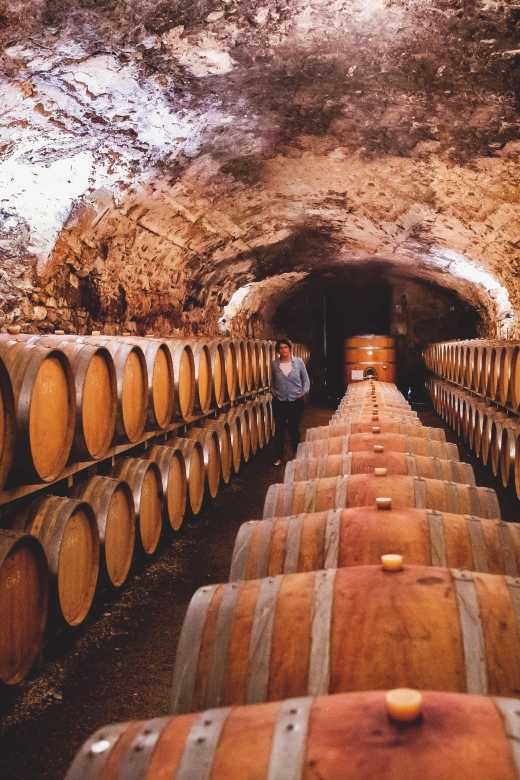
The cellar is the visit’s most distinctive stop. You descend beneath the old home to a wine space dating from the 14th century, where barrels are used for aging wine.
That underground setting gives the tour a sense of place that a modern tasting room cannot copy. You see where wine has been stored and handled over generations, and you get a better feel for the age of the property. For me, this is the detail that makes the $15 price easy to understand.
The cellar also adds a practical note: historic underground spaces can be harder to navigate than a modern visitor center. The experience is specifically listed as unsuitable for wheelchair users. If mobility is a concern, contact the provider before booking rather than assuming the cellar route will work.
The cellar is not simply a backdrop for photographs. It helps explain the physical side of wine production and storage. You see that the estate’s history is built into the structure itself, not just printed on a brochure.
The Midi wine story, from the 19th century to 1907
The historical section gives the visit its strongest educational value. The tour looks at the Golden Age of the 19th-century Midi wine trade, when vineyard production expanded and wine became a major force in southern France.
That success did not last without trouble. The story continues to the great revolt of 1907, a major event in the region’s wine history. You learn about a period when growers faced serious pressure and organized in large numbers.
This context helps you read the region differently. Vineyards here are not just attractive countryside. They are tied to labor, family income, trade, public policy, and local identity. The tour makes that connection without requiring you to be a wine historian.
I would especially recommend this part to visitors who have already seen several French château tours and want something less focused on aristocratic decoration. Château de Luc uses its past to explain the wine economy of the Midi, which is a more grounded and useful story.
Same region, a very different glass:
- Authentic Parisian Gourmet Food Tour with 10 Local Dishes & Wines
★ 5.0 · 4,754 reviews - Loire Valley Castles Day Trip from Paris with Complementary Wine
★ 4.5 · 3,907 reviews - Bordeaux: River Garonne Cruise with Glass of Wine and Canelé
★ 4.5 · 3,630 reviews - Paris: Montmartre Cheese, Wine & Pastry Guided Walking Tour
★ 4.8 · 2,255 reviews
Tasting organic wines in the former stable
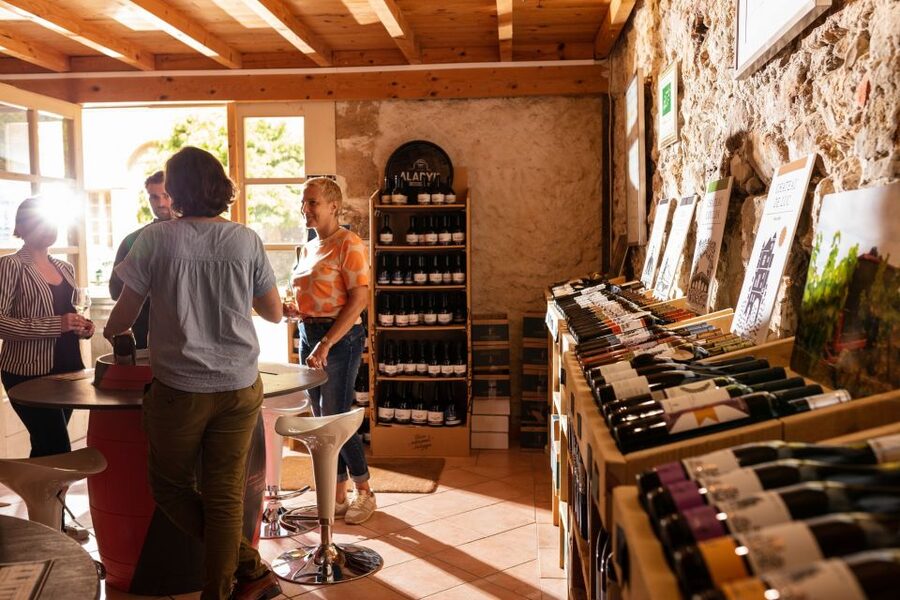
After the historic rooms and cellar, you move to the tasting cellar, housed in an old stable. This change of setting works well. The old agricultural space reinforces the idea that you are visiting a working wine estate, not a showroom built only for tourism.
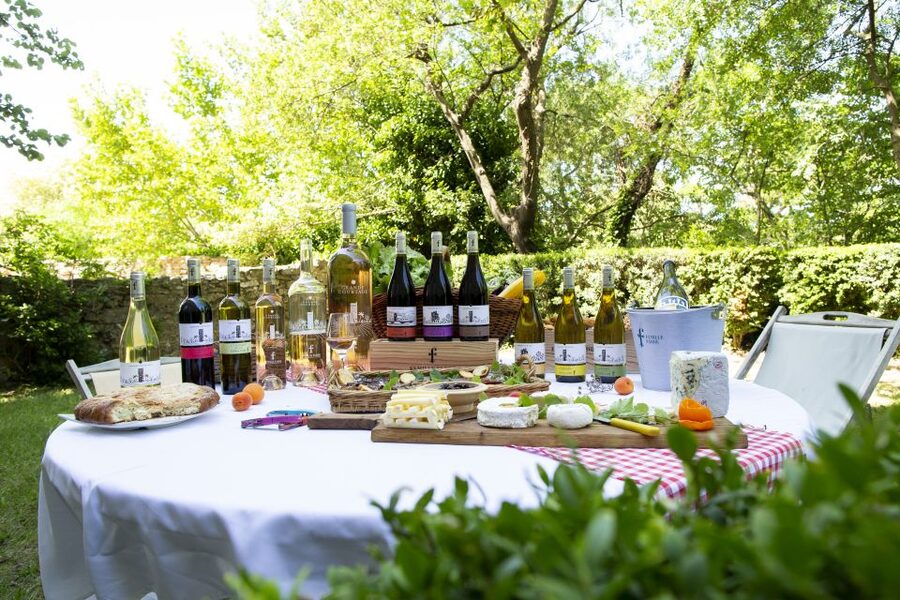
The tasting includes three to six organic wines. The range may include wines labeled IGP Pays d’Oc, AOC Languedoc, Corbières, and Minervois. That gives you a chance to compare different styles and appellations rather than sample one house wine and call it a day.
The tasting is also a chance to ask practical questions. The team can discuss vineyard management, winemaking, and the sites worth visiting around the area. If you are curious about organic methods or how regional labels differ, bring questions. The family’s willingness to explain is one of the strongest features of the visit.
The wine selection will be a matter of taste. Most feedback is highly positive, and several people describe the wines as varied, excellent, and reasonably priced. One person felt the wines were poor and found the visit too short, so I would not book this solely on the promise of finding your new favorite bottle.
That criticism is useful. Wine tasting is personal, and three to six samples do not guarantee that every style will suit you. Go for the combination of place, history, and tasting. Treat the wine purchase as an option, not the only reason to come.
How much value do you get for $15?
At $15 per person, this is a strong-value experience if you enjoy both wine and local history. The price covers a guided visit in French, English, or Spanish, access to the historic rooms and underground cellar, and a tasting of three to six organic wines.
A tasting alone can cost a similar amount in many parts of France. Here, you also receive a story about the estate and the wider Midi wine region. The 14th-century cellar adds a physical feature that gives the visit more substance.
The value is particularly good for couples, friends, and independent visitors who want a focused stop rather than a full-day wine excursion. You do not need to commit to a costly package or a large group experience.
The tour is listed with validity for one day, with starting times dependent on availability. I would check the available time before building your day around it. The information supplied does not give a precise tour length, so keep your schedule flexible rather than assuming a fixed number of hours.
The people make the visit work
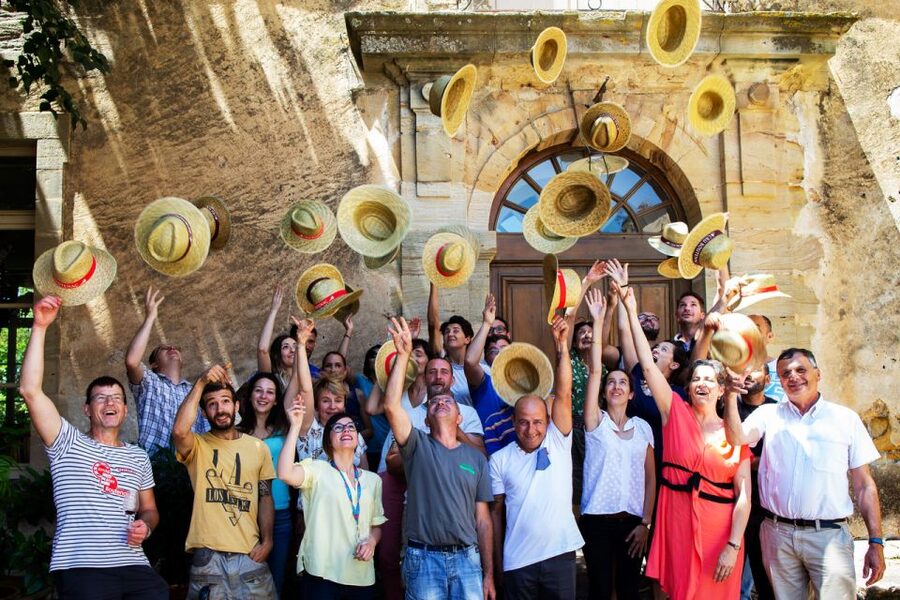
The strongest praise centers on the welcome and the guides. The team is described as warm, professional, and generous with explanations. Several people highlight the passion behind the tour, especially the way the family presents its estate and profession.
Jeanne receives particular praise for her expertise, enthusiasm, and straightforward manner. She is described as someone who can explain both the family story and the wine without making the visit feel stiff or overly formal.
One visitor arrived late because of time problems and was still accommodated. That suggests a human approach, although you should not rely on late arrival being possible every time. It is better to arrive at the agreed starting point on time.
The multilingual format is another real benefit. You can take the tour in French, English, or Spanish, which makes the historical material and wine explanations much easier to follow. A multilingual guide is especially useful when the visit moves between family history, regional events, vineyard work, and tasting notes.
Finding the visitor area and planning your arrival
One practical issue deserves attention: directions to the visitor area may not be clear enough. A visitor who enjoyed a private tour still wished for better guidance on where to go.
I recommend checking the meeting point carefully before you set off. If the estate has more than one entrance or working area, do not assume the first gate or building you see is the visitor arrival point. If anything is unclear, contact Château de Luc ahead of time.
The possibility of a private-feeling visit is a pleasant bonus. One person happened to be the only visitor that day and received a private tour from a daughter of the family. You should not count on having the place to yourself, but smaller attendance can make the experience more conversational.
Under-age children can visit free. They may not take part in the wine tasting, but the historic rooms and cellar provide a reason for a family to stop if the adults in the group are interested in wine.
Who will enjoy Château de Luc most?
I would choose this visit for you if you like wine but also want to understand the place behind the bottle. It suits people who enjoy family-run businesses, regional history, old buildings, and direct conversations with producers.
It is also a good choice for a short stop during a wider tour of southern France. The price is low enough to make the visit an easy addition to your plans, and the tasting gives you a chance to buy wine at what has been described as a reasonable cost.
You may want to skip it if you are looking for a large, highly staged attraction with extensive displays or a long technical workshop. The tour is focused and personal. One negative experience described it as too short and lacking interest, so expectations matter.
The visit is not appropriate for wheelchair users because of the underground cellar and historic setting. If you have limited mobility but are not a wheelchair user, ask the estate about the exact route before booking. The available information does not describe alternative access arrangements.
My verdict on the wine and tasting experience
Château de Luc succeeds because it joins three things that work well together: an old family property, the history of the Languedoc wine trade, and a tasting of organic wines made by the estate.
The 14th-century cellar is the star feature, while the story of the 19th-century wine boom and 1907 revolt gives the visit real context. The tasting in the former stable then brings the past back to the present.
The high overall rating of 4.7 from 55 ratings reflects a very strong level of satisfaction. The most common praise centers on the welcoming team, clear explanations, passionate guides, and the feeling that the family genuinely cares about its work.
Still, I would keep two cautions in mind. First, the visitor area may be difficult to locate without careful directions. Second, wine preferences vary, and at least one person found the bottles disappointing. Those points do not cancel the value of the visit, but they make it wise to book for the full experience rather than for a guaranteed favorite wine.
Should you book Château de Luc?
Yes, if you want a low-cost, personal wine visit with more history than a standard tasting. At $15, the underground cellar, family story, multilingual guidance, and three to six organic wines make this a particularly good buy for curious wine drinkers.
Book with realistic expectations. You are choosing an intimate family estate, not a huge visitor center. Check the meeting directions, confirm the available start time, and avoid the visit if wheelchair access is essential.
If you enjoy southern French wine and want to understand how it fits into the history of the Midi, Château de Luc is worth adding to your plans.
FAQ
How much does the Château de Luc visit cost?
The experience costs $15 per person.
How many wines are included in the tasting?
You can taste a selection of three to six organic wines.
Which wines may be included?
The tasting may include wines from IGP Pays d’Oc, AOC Languedoc, Corbières, and Minervois.
What languages are available?
The live guided tour is available in French, English, and Spanish.
Can children join the visit?
Yes. Under-age children can visit free.
Is the tour suitable for wheelchair users?
No. The experience is listed as unsuitable for wheelchair users, partly because the route includes a 14th-century underground cellar.
Newly added around France
- Saint Emilion Full Day Wine and Bike Tour★ 5.0 · 167 reviews
- Luxurious full day Bordeaux wine tour in a Tesla★ 4.5 · 31 reviews
- Private Bordeaux History Tour with a glass of Bordeaux wine.★ 5.0 · 28 reviews
- Private – Best of Bordeaux Walking Tour + Glass of Bordeaux Wine★ 5.0 · 240 reviews
- Wine Masterclass & Cheese Tasting Workshop in Bordeaux★ 5.0 · 29 reviews
- Bordeaux wines tasting workshop including Food & Wine pairings★ 5.0 · 31 reviews
- Medoc Afternoon Wine Tour – 2 Wineries, tastings & delicacies★ 4.5 · 74 reviews
- Discovery of the Bordeaux vineyard in 3 wines★ 5.0 · 133 reviews
Wine Tastings, compared.
Douro Valley w/ Boat Tour, Wine Tasting & Lunch
Read our review →
Complete Douro Valley Wine Tour with Lunch, Wine Tastings and River Cruise
Read our review →

Small-Group Wine Tasting Experience in the Tuscan Countryside
Read our review →
Montserrat & Cogwheel Train, Gourmet Wine Tasting & Tapas/Lunch
Read our review →
Tuscany & Montepulciano Day Trip with Lunch & Wine Tasting
Read our review →Browse the lists this tour appears in