
REVIEW · WINE TASTINGS
Premium Empanadas Cooking Class & Wine Tasting Experience
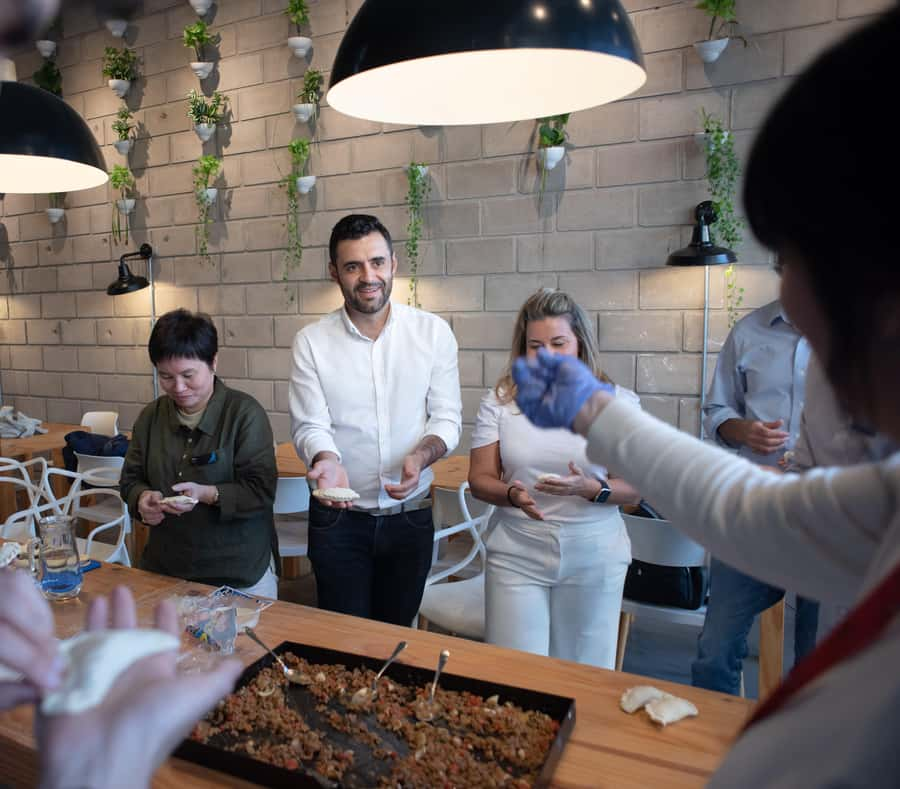
Empanadas make a fine introduction to Argentina. This two-hour class in Palermo combines hands-on cooking with a guided tasting of Malbec, Cabernet Sauvignon, and Cabernet Franc. I like the practical format: you learn a recipe you can repeat at home, then sit down to eat what you made. I also like the small-group setting, which leaves room for questions and conversation.
The main consideration is the filling. One participant found the onion flavor too strong, so this may not be your ideal meal if you want heavily filled empanadas with little onion. At $49 per person, the price is reasonable if you value instruction, several Argentine wines, and a social evening in one sitting, but it is not the cheapest way to eat empanadas in Buenos Aires.
Key points at a glance
- You make the empanadas yourself: The class takes you through an authentic Argentine recipe, from ingredients to finished pastry.
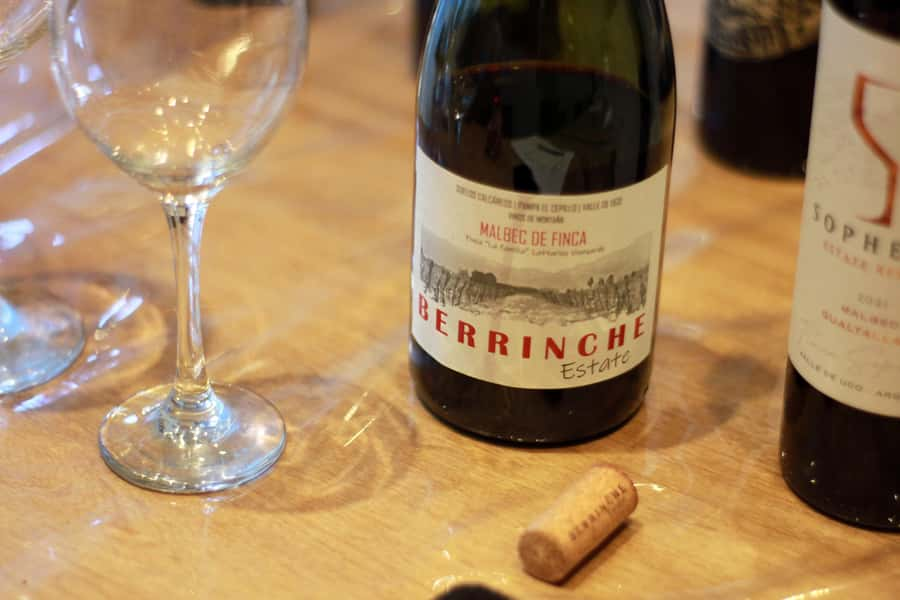
- Three major Argentine grape varieties: The tasting covers Malbec, Cabernet Sauvignon, and Cabernet Franc, with guidance on grape character and local winemaking.
- Small groups make conversation easy: A group of about seven created a friendly table setting, while some sessions have been even more personal.
- Guides add local context: Catalina, Valentin, Lourdes, Fernando, Thomas, and Tomás have all been praised for teaching, food advice, wine guidance, and Buenos Aires tips.
- A useful Palermo stop: Gorriti 4882 is listed as the meeting point, while the practical information also gives Gorriti 4886, so check your booking confirmation carefully.
- Adults only: You must be at least 18, and hotel pickup and drop-off are not included.
Why empanadas are a smart first taste of Argentina
An empanada is simple food, but it tells you plenty about Argentine eating habits. It can be served as a snack, appetizer, breakfast, lunch, or dinner. That flexibility makes it a good dish to learn early in your visit because you will see versions of it all over Buenos Aires.
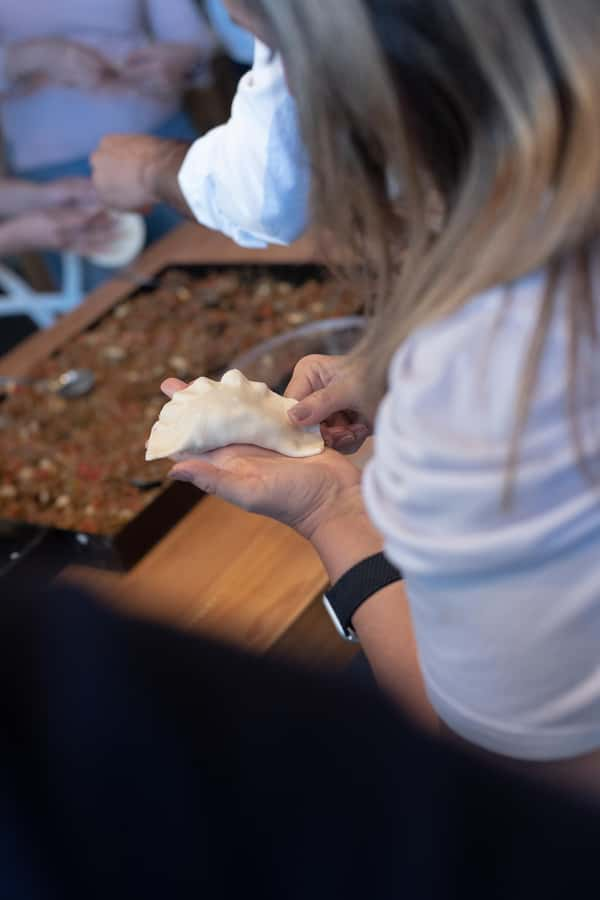
This class is not just a demonstration. You work with the ingredients and shape your own empanadas before eating them. That hands-on step matters. You leave with a better idea of how the dough should feel, how the filling is portioned, and how the folded edge is finished.
I also like that the lesson links food with wine instead of treating them as separate subjects. The activity explains the characteristics of Malbec, Cabernet Sauvignon, and Cabernet Franc, along with Argentine winemaking methods. You are not simply handed glasses and left to guess what you are tasting.
The class is especially useful if you are new to Argentine food. You can ask what makes an empanada typical, how the wine varieties differ, and what foods to seek out later in the city. The guides have also offered recommendations for restaurants, wine, and other things to do in Buenos Aires.
More Wine Tastings in Argentina:
- From Salta: Full-Day Tour to Cafayate with Wine Tasting
★ 4.5 · 478 reviews - From Salta: Cafayate Day Trip with Wine Tasting
★ 4.4 · 226 reviews - Buenos Aires: Wine Tasting and Lunch at Bodega Gamboa
★ 4.8 · 177 reviews
Arriving at Gorriti in Palermo
The listed meeting point is on Gorriti in Palermo. The main details give Gorriti 4882, while the additional information gives Gorriti 4886. That is a small but important discrepancy, so I would check the exact address on your confirmation and arrive five minutes early as requested.
There is no hotel pickup or drop-off. You need to make your own way to the venue, which makes this easier to pair with a day in Palermo or an afternoon in the neighborhood. It also means you should allow extra time if you are coming from another part of Buenos Aires.
The setting has received strong praise for being clean, spacious, light, and easy to reach. That is useful for a cooking class, where a cramped room can make every simple task awkward. Here, the space appears to support both food preparation and conversation around the table.
The class runs in rain or sunshine, so poor weather should not affect the plan. Since you are indoors, this can be a good backup for a wet afternoon, although you still need to handle your own transport to the meeting point.
The cooking lesson, from dough to dinner
The main part of the class is making empanadas with an authentic recipe. You receive the ingredients and guidance from a professional guide, then work through the process rather than merely watching someone else cook.
The exact number of empanadas or the precise filling is not specified, so I would not book this expecting a particular regional style or a fixed menu. What you can count on is a typical Argentine preparation and a finished meal made by the group.
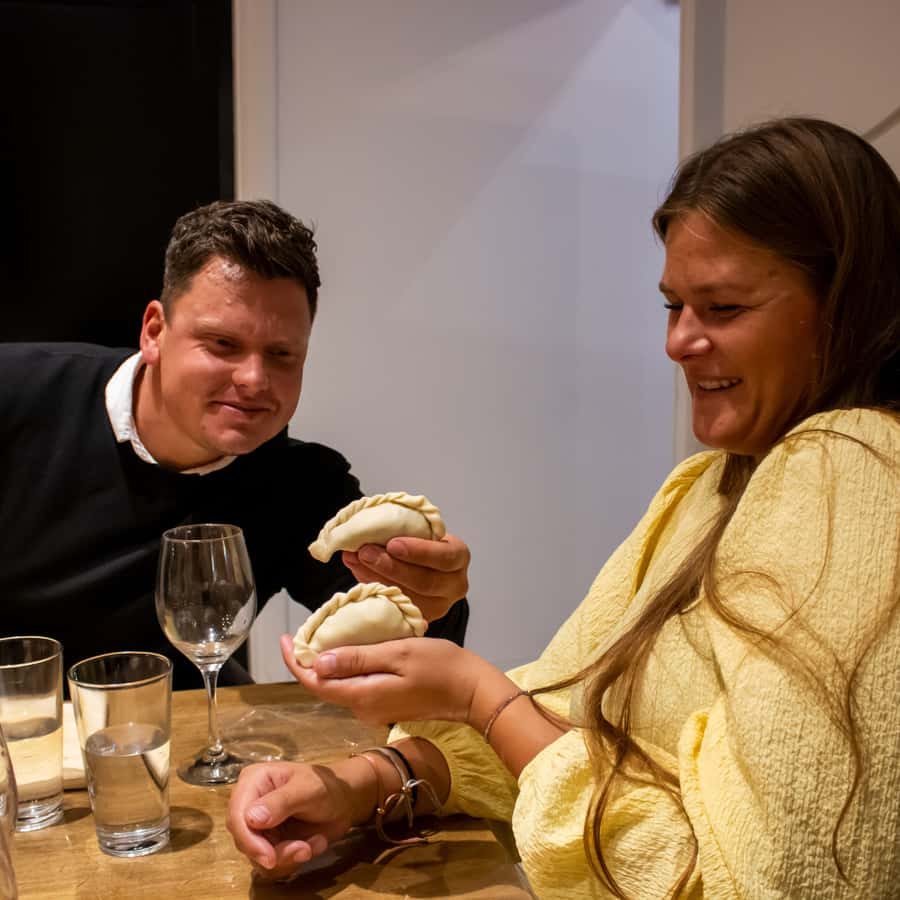
This format has a pleasant payoff. Your folded pastries may not look perfect, but that is part of the fun. One participant admitted that the final shapes were not especially attractive, yet they were delicious. The point is not to produce bakery-window perfection. It is to learn a useful local dish and enjoy the result.
Onion deserves a note. One participant felt there was too much onion and found it dominated the filling. The guide described that amount as traditional, but empanadas around Buenos Aires do not all taste the same. If you strongly dislike onion, ask about the filling before you begin. This is the only clear food complaint in the available feedback, but it is worth knowing.
The class is also a good fit for people who enjoy cooking with others. You are likely to share the worktable, compare folding attempts, and talk while the food is prepared. A small group keeps the class from feeling like a large production and gives you more opportunity to ask for help.
Tasting Malbec, Cabernet Sauvignon, and Cabernet Franc
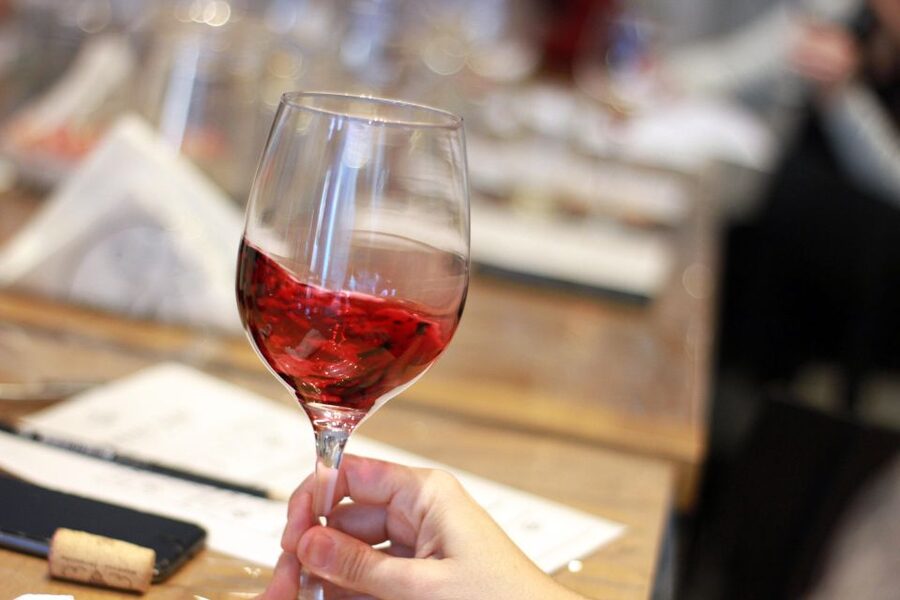
The wine portion gives the class its premium angle. You taste three important Argentine varieties: Malbec, Cabernet Sauvignon, and Cabernet Franc. The guide explains grape characteristics, winemaking in Argentina, and the traits that shape each wine’s flavor.
Malbec is the variety most visitors already associate with Argentina, but tasting it beside Cabernet Sauvignon and Cabernet Franc gives you a broader view of the country’s wine culture. You can compare the wines directly instead of trying to remember flavors from separate restaurant meals.
The timing is one of the better features of the format. The wine tasting is worked into the cooking process, so you are not rushing through all the glasses before the food is ready. One participant specifically praised the way the tasting and cooking steps were timed together.
This is still a guided tasting, not a formal wine certification class. You should expect useful background and comparisons, not technical study at a sommelier level. The best value comes from paying attention to how the guide describes the grapes and then tasting those differences for yourself.
The wine also helps turn a straightforward cooking lesson into a fuller Argentine food experience. You learn what is in the glass, what is on the plate, and how the two fit into local culture. For many people, that is more memorable than simply ordering a plate of empanadas at a restaurant.
More Cooking Classes in Argentina:
- Florence: Pasta Cooking Class with Unlimited Wine
★ 4.9 · 10,285 reviews - Florence: Pasta & Tiramisu Cooking Class with Unlimited Wine
★ 4.9 · 6,708 reviews - Florence: Pasta Cooking Class with Unlimited Wine
★ 5.0 · 6,413 reviews - Rome: Pasta Making Class with Wine, Limoncello, and Dessert
★ 4.9 · 3,177 reviews
The guides make the difference
The strongest praise has gone to the guides. Catalina has been described as relaxed, friendly, informative, and easy to spend an evening with. Valentin has received credit for explaining both the recipe and the wines, while also helping first-time visitors understand more about Argentina.
Lourdes has added historical context about food, wine, and culture. Fernando has been praised as a good teacher and host. Thomas has helped with wine and lunch suggestions, and his chimichurri made a strong impression on one participant. Tomás has been noted for clear explanations and a helpful approach from start to finish.
That range of names matters because the quality of a small class depends heavily on the person leading it. You are not just paying for ingredients. You are paying for clear instruction, local context, and the feeling that questions are welcome.
The languages offered are Spanish, English, and Portuguese. If you need the class in English, confirm that option when booking, especially if language is important to your enjoyment of the wine explanations.
The guides also seem willing to talk beyond the recipe. You may come away with recommendations for restaurants, wine, and other city activities. That is particularly useful if this is your first visit to Buenos Aires and you want food advice that fits the rest of your trip.
How long the class really takes
The advertised duration is two hours. That is short enough to fit into a busy Buenos Aires schedule and long enough to include cooking, tasting, eating, and conversation.
One participant described a session lasting two and a half hours. That may reflect a relaxed group or a slightly different schedule, but you should keep it in mind when planning another activity afterward. Do not book a tightly timed airport transfer or fixed dinner reservation immediately after the class.
The relaxed pace is part of the appeal. A session with about seven people was described as well structured and easy for conversation. Another session had only one couple, creating a much more personal lesson. Group size can vary, so you should expect a small-group format without assuming you will have a private class.
This makes the activity useful before an evening flight, as one participant used it while waiting for departure. It can also fill a final afternoon in Buenos Aires. Still, leave enough time for transport and any unexpected extension.
What the $49 price buys you
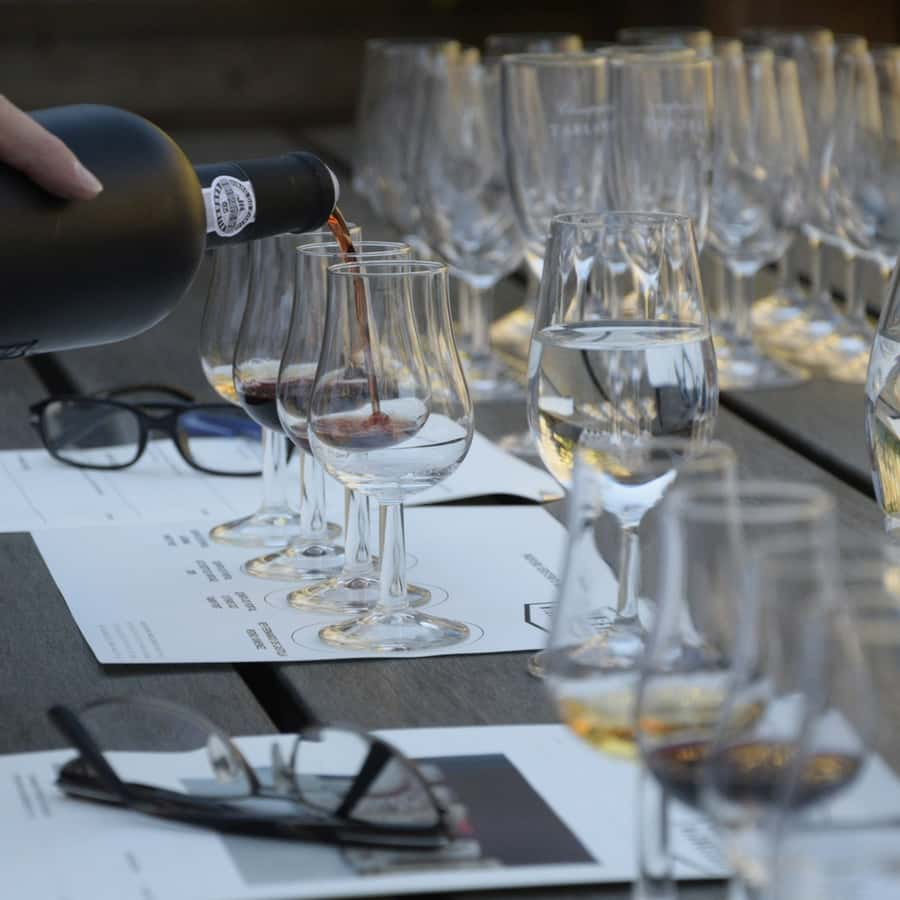
At $49 per person, the fee includes the empanada class, ingredients, a professional guide, and the wine tasting. It does not include hotel pickup or drop-off.
I see the value in the package if you would otherwise pay separately for a meal, wine tasting, and food activity. You get a prepared dish, several Argentine wines, instruction, and local conversation in one visit. The small-group setting adds value because you are not simply standing at the back of a large demonstration.
The price is less attractive if your only goal is to eat inexpensive empanadas. Buenos Aires offers many ways to have a cheaper meal, and this class charges for teaching and hosting as much as for the food itself. One participant felt it was expensive despite enjoying the evening.
Your decision should come down to what you want from the meal. If you like cooking, enjoy wine, and want local guidance, $49 is a fair price. If you want a quick lunch or a large serving with lots of meat filling, a casual empanada shop may suit you better.
Who should book this Palermo class
I would recommend it to adults who want an easy introduction to Argentine food and wine without committing to a full-day tour. It is also a good choice for couples, solo visitors who enjoy meeting people, and small groups looking for a shared activity.
First-time visitors benefit from the guides’ city suggestions. Food-focused visitors will appreciate learning a recipe they can recognize and order later. Wine drinkers get a useful comparison of three Argentine varieties rather than a single glass with no explanation.
This is not suitable for children under 18. It may also be a poor fit if you dislike group cooking, do not drink wine, or want a strictly regional empanada lesson with a guaranteed filling. The onion concern is another reason to ask questions before starting.
You do not need to be an experienced cook. The class is designed around instruction, and the reported experience suggests the guides help participants through the process. Your empanadas do not need to look perfect to taste good.
Practical tips for a better visit
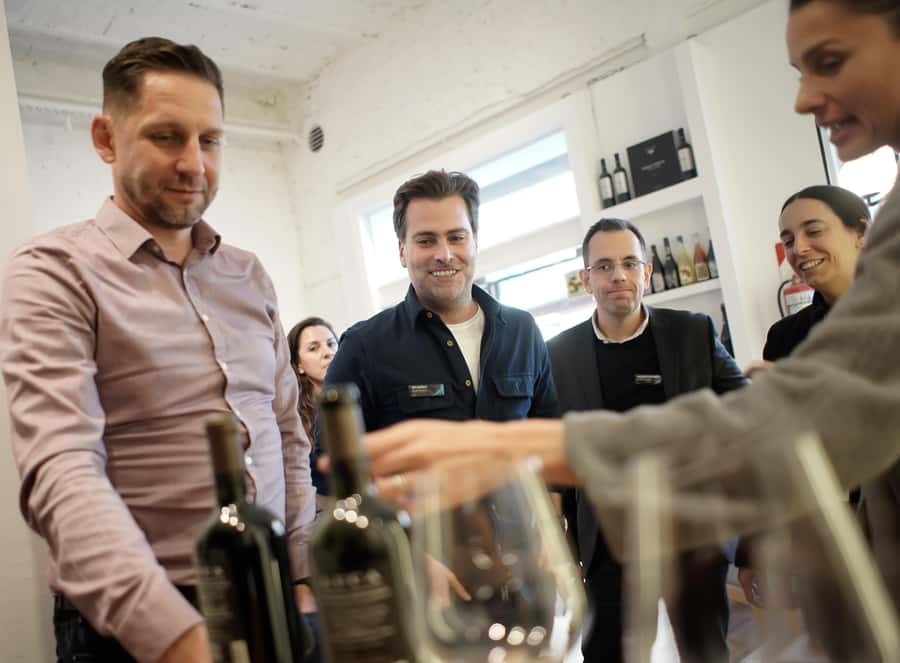
Arrive five minutes early and verify whether your confirmation says Gorriti 4882 or Gorriti 4886. Since the two addresses appear in the supplied details, this is the one practical point I would sort out before leaving your hotel.
Plan the class as a two to two-and-a-half-hour block. If you have an evening flight, leave a sensible buffer for transport. The class can fill a spare afternoon, but it should not be treated as a quick one-hour stop.
Ask about the filling if you are sensitive to onion or have food concerns. The available information does not list dietary adaptations, so do not assume substitutions are available.
Use the guide’s local knowledge. Ask for restaurant and wine recommendations while you are already discussing Argentine food. Several guides have been praised for giving useful city advice, which can add value beyond the scheduled lesson.
You may also want to make this one of your first food activities in Buenos Aires. It gives you vocabulary and context for later meals, and it may help you recognize the differences between empanadas you find elsewhere in the city.
Should you book it?
Book this class if you want a friendly, adult-only introduction to Argentine cooking and wine, with enough guidance to make the food yourself. The best parts are the hands-on recipe, the three-wine comparison, the small groups, and guides who add practical Buenos Aires advice.
Think twice if $49 feels high for a meal, if you avoid wine, or if a strongly onion-forward filling would bother you. Check the meeting address, allow up to two and a half hours, and expect a social lesson rather than a quick food stop.
With a rating of 4.9 from 35 ratings, the experience has earned unusually strong approval, and the praise is specific: clear teaching, good timing, friendly hosts, delicious results, and a clean venue. For an adult who wants to eat Argentine food and understand it a little better, this is a useful Palermo addition.
FAQ
Where does the empanada class take place?
The meeting point is on Gorriti in Palermo. The supplied details list Gorriti 4882 and also Gorriti 4886, so check your booking confirmation for the correct address.
How long does the activity last?
The stated duration is two hours. One completed session was described as lasting two and a half hours, so allow extra time if you have another appointment afterward.
What does the price include?
The $49 price includes the empanadas cooking class, ingredients, a professional tour guide, and the wine tasting.
Is hotel pickup included?
No. Hotel pickup and drop-off are not included, so you must arrange your own transportation to and from the meeting point.
Which wines are included?
The tasting covers Malbec, Cabernet Sauvignon, and Cabernet Franc.
Which languages are available?
The live guide may conduct the activity in Spanish, English, or Portuguese.
Are children allowed to attend?
No. The experience is not suitable for children under 18.
Does the class run if it rains?
Yes. The activity takes place in rain or sunshine.
Do I need cooking experience?
No cooking experience is stated as a requirement. The activity includes instruction and guides participants through making the empanadas.
Can I cancel for a full refund?
Yes. You can cancel up to 24 hours in advance for a full refund. You can also reserve now and pay later, according to the supplied booking terms.
More Workshops in Argentina
- Rome: Pasta & Tiramisu Class with Fine Wine by the Vatican
★ 4.9 · 4,852 reviews - Florence: Cooking Class Pasta & Tiramisu Making Unlimited Wine
★ 5.0 · 2,234 reviews - Fettuccine & Tiramisù: Cooking Class with Wine & Limoncello
★ 4.9 · 2,103 reviews - Sorrento: Pizza Lesson, Wine, and Limoncello at a Local Farm
★ 5.0 · 1,513 reviews
Newly added around Argentina
- Sailing with Wine Tasting in Buenos Aires★ 5.0 · 50 reviews
- Discover Argentine Wines Paired with Delicious Tapas★ 5.0 · 51 reviews
- Mendoza: Premium Wine Tasting★ 4.4 · 48 reviews
- Mendoza: Wine Tasting Tour with Lunch and Private Transport★ 4.6 · 48 reviews
- Mendoza: Top Wineries Guided Tour with Transportation★ 4.8 · 99 reviews
- Mendoza: Winebike Tasting Tour with Optional Lunch★ 4.1 · 73 reviews
- From Salta: Cafayate Day Trip with Wine Tasting★ 4.4 · 226 reviews
- Premium Argentinian Wines and Malbec Tasting Experience★ 4.6 · 60 reviews
Wine Tastings, compared.
Douro Valley w/ Boat Tour, Wine Tasting & Lunch
Read our review →
Complete Douro Valley Wine Tour with Lunch, Wine Tastings and River Cruise
Read our review →
Small-Group Wine Tasting Experience in the Tuscan Countryside
Read our review →
Montserrat & Cogwheel Train, Gourmet Wine Tasting & Tapas/Lunch
Read our review →
Tuscany & Montepulciano Day Trip with Lunch & Wine Tasting
Read our review →Browse the lists this tour appears in