
REVIEW · COOKING CLASSES
Rome Pasta Making Class with Italian Sauces and Wine Included
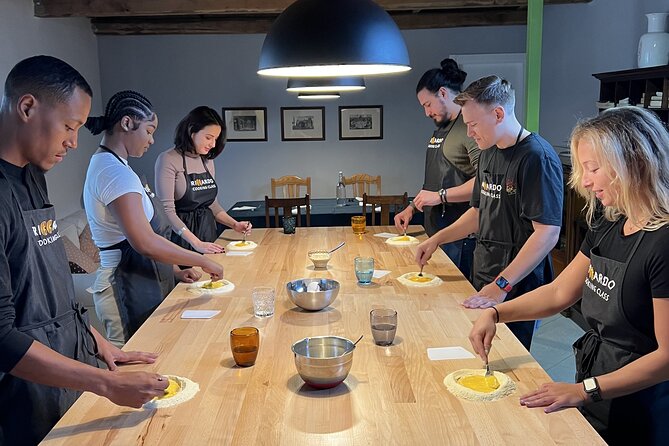
Fresh pasta changes your view of Rome. This three-hour cooking class brings you into a family-style kitchen to make ravioli, fettuccine, and spaghetti alla chitarra from scratch. I like the small-group format, with a maximum of 10 people, and I like that the lesson covers both pasta shapes and sauces instead of stopping at a single recipe.
The class costs $95.53 per person, including the meal, wine, and coffee. That is fair value for a hands-on afternoon or evening, especially if you want a skill to take home. One thing to consider: the class is held in the Gianicolense area, not beside Rome’s major ancient sights, so you need to allow time to reach the meeting point.
Chef Riccardo and instructors such as William and Leo get strong praise for their warmth, humor, patience, and practical tips. The main drawback is that special menus, including gluten-free, dairy-free, vegan, or recipes such as gnocchi and tiramisu, are available with a private class rather than automatically included in the standard experience.
Key points at a glance
- Three pasta shapes in one class: Make stuffed ravioli, fresh fettuccine, and spaghetti alla chitarra with hands-on instruction.
- Roman sauces are part of the lesson: Prepare classics such as carbonara, arrabbiata, cacio e pepe or gricia-style sauce, plus butter and sage.
- Small-group cooking: The class has a maximum of 10 people, giving the chef room to correct technique and answer questions.
- A full meal is included: Eat the pasta you make with complimentary wine, followed by coffee.
- Good for mixed skill levels: Beginners get step-by-step help, while experienced home cooks can pick up useful details about dough, tools, and seasoning.
- Private classes allow more choice: Ask about vegan, vegetarian, gluten-free, dairy-free, gnocchi, risotto, or tiramisu options when booking privately.
What the three-hour Rome pasta class is really like
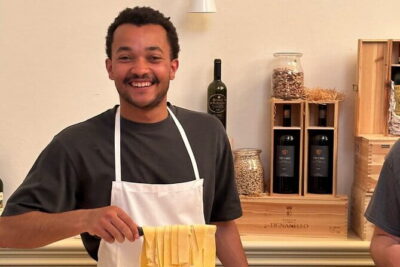
This is not a demonstration where you sit back and watch a chef do all the work. You make the dough, roll it, cut it, shape it, and help prepare the sauces. That hands-on approach is the reason this class works so well for couples, families, and anyone who wants more than another restaurant meal.
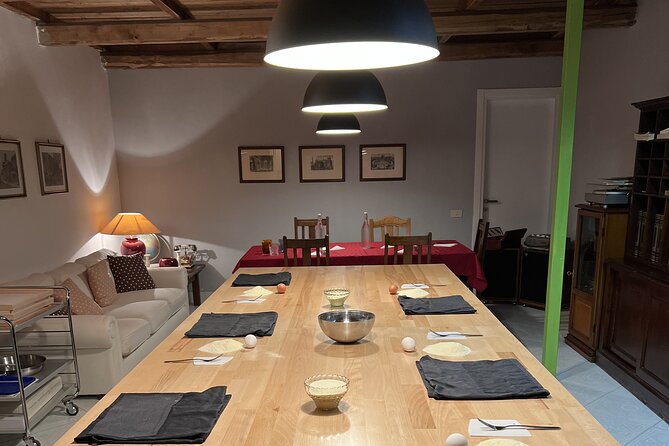
The experience takes place at Riccardo’s grandmother’s house or at The Cooking Lab. The setting is intended to feel like cooking with an Italian family, and that spirit comes through in the way the class is described: informal, social, and focused on sharing food at the end.
You should plan for roughly three hours. That gives enough time to work through several pasta styles without turning the lesson into a rushed flour-covered race. The pace also lets the instructors explain why techniques matter, not just tell you which steps to copy.
More Cooking Classes in Rome:
- Rome: Pasta Making Class with Wine, Limoncello, and Dessert
★ 4.9 · 3,177 reviews - Fettuccine & Tiramisù: Cooking Class with Wine & Limoncello
★ 4.9 · 2,103 reviews - Pasta Making & Wine Tasting with Dinner in Frascati from Rome
★ 5.0 · 1,326 reviews
Starting with dough, flour, and basic technique
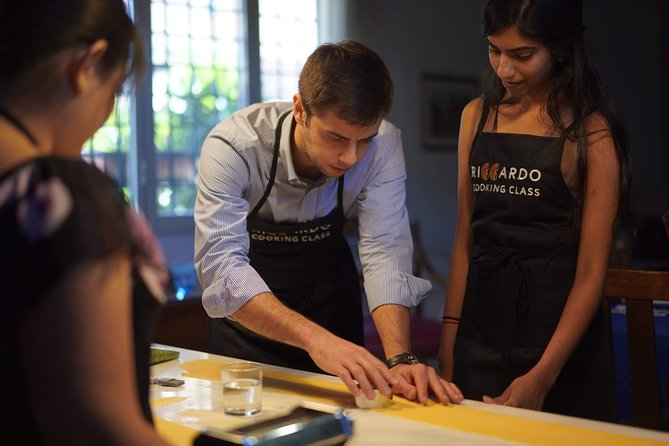
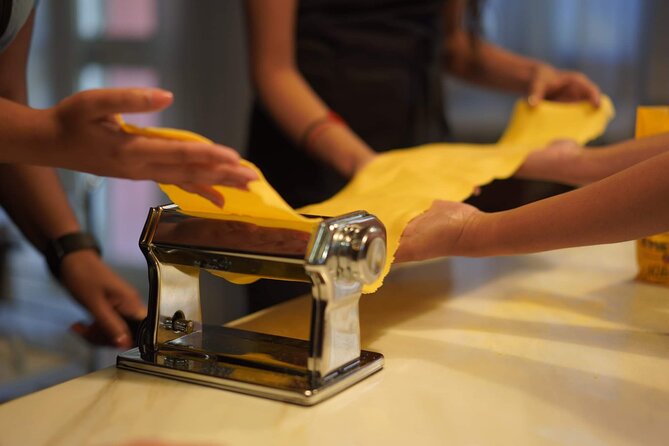
The class begins with the foundation of fresh pasta: making the dough. You will work with the ingredients, then roll and shape the pasta under personal instruction. For a first-time pasta maker, this is the part where the class earns its price. Pasta dough looks simple, but texture, thickness, and handling make a real difference.
The instructors focus on practical details that are easy to miss in a cookbook. You learn how the dough should feel, how to use pasta tools, and why cooking by taste matters more than blindly following fixed quantities.
That advice is useful at home because flour and humidity can vary. A recipe can give you a starting point, but your hands and your palate finish the job. The class aims to leave you able to repeat the process without needing to copy every measurement exactly.
Chef William receives repeated praise for making the lesson clear and entertaining. Leo is also singled out for patience, humor, and a friendly teaching style. That matters if you arrive unsure of your cooking skills. You are not expected to know how to knead, roll, or shape pasta before you begin.
Ravioli, fettuccine, and spaghetti alla chitarra
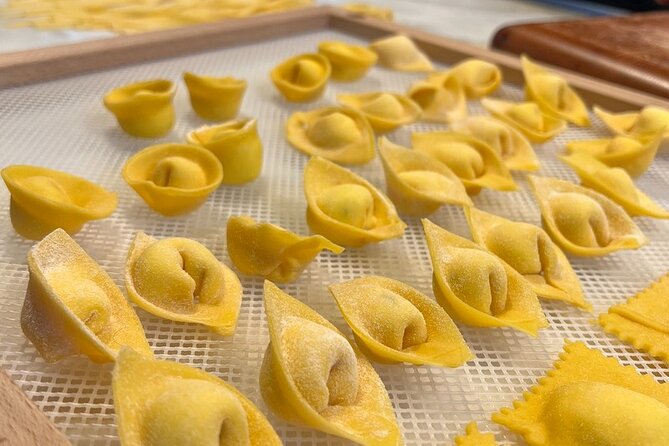
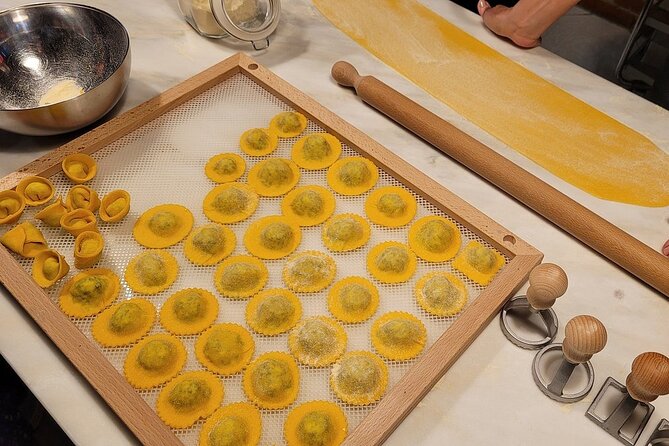
The sample menu includes ricotta-filled ravioli, fresh handmade fettuccine, and spaghetti alla chitarra. Each shape teaches something different.
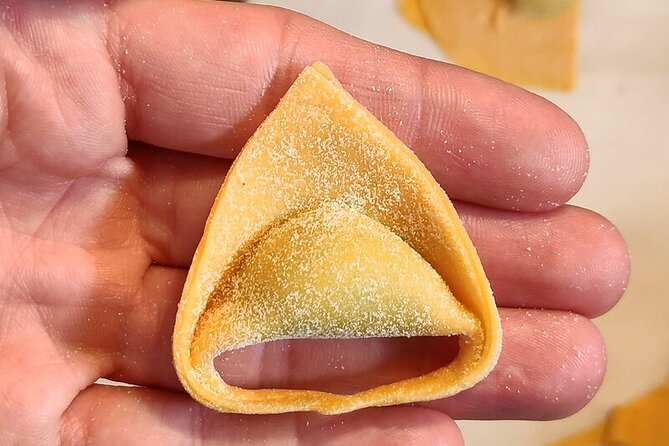
Ravioli introduces stuffed pasta. You need to place the filling carefully, seal the edges, and avoid trapping excess air. The result feels special because you make both the pasta and the filling, rather than simply cooking a prepared dish.
Fettuccine gives you a straightforward way to see how a sheet of pasta becomes long ribbons. It is familiar, useful, and easy to recreate at home once you understand the correct thickness.
Spaghetti alla chitarra adds a more distinctive Roman touch. The name refers to the guitar-like cutting tool used to produce square-edged strands. Making several shapes in one session keeps the class interesting, though it also means you will cover a lot in three hours. If you want slow, highly detailed work on one pasta style, a private class may suit you better.
The class may also include tortellini, cappelletti, or other shapes, depending on the menu and the instructor. The emphasis is on participation. You will not simply walk away with a plate of pasta made by someone else.
Three sauces that explain Roman cooking
The sauces are not filler between pasta-making steps. They show how a few ingredients can produce very different results.
Carbonara offers a lesson in balance and timing. Arrabbiata brings tomato, heat, and a more direct flavor. Butter and sage is simpler, making it a natural partner for the ricotta ravioli. The sample menu also mentions cacio e pepe and gricia-style sauce, with the exact choice sometimes adjusted for vegetarian preferences or personal preference.
This variety is one of the class’s strongest features. You learn that the pasta shape and sauce should work together. A delicate filled pasta needs a different treatment from long strands, and the lesson gives you a chance to taste those differences at the table.
The cooking is also guided by taste rather than rigid quantities. That is especially helpful with sauces such as cacio e pepe, where texture and seasoning can change quickly. You should leave with more confidence about when a sauce needs extra salt, cheese, butter, or cooking water.
More Pasta Making in Rome:
- Rome: Pasta & Tiramisu Class with Fine Wine by the Vatican
★ 4.9 · 4,852 reviews - Learn to Make Pasta & Tiramisu with Wine and Limoncello Included
★ 5.0 · 2,345 reviews - Rome Pasta and Tiramisu Class: Ravioli, Fettuccine & Fine Wine 5*
★ 5.0 · 1,319 reviews - Rome Cooking Class: Make Pasta, Dine & Drink Wine With Local Chef
★ 5.0 · 1,263 reviews
Sitting down to eat what you made
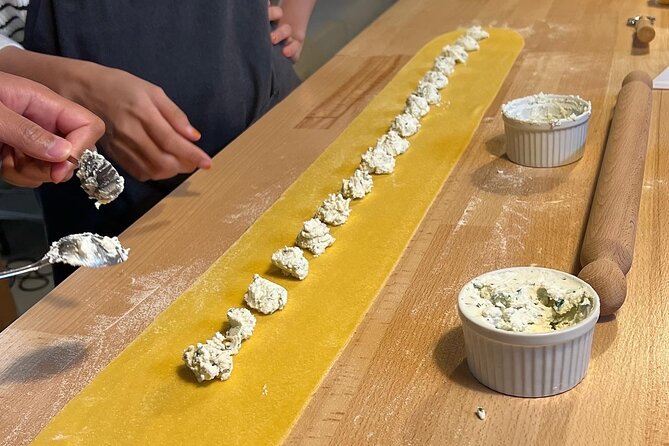
After the cooking, the class becomes a shared Italian meal. Your handmade pasta is served with the sauces you helped prepare, along with complimentary wine and coffee.
This final meal is more than a reward. It gives you a chance to see how the pasta performs after cooking, how the sauces cling to different shapes, and how the finished dishes compare. It also creates the social part of the experience. Couples, families, and solo participants can talk over the food rather than simply packing up and leaving.
Wine is included, and the class has been described as generous with drinks. Still, the focus remains on cooking, not wine tasting. If you want a formal tasting with detailed discussion of vintages, this is not that kind of activity.
You may want to arrive hungry. The class includes several pasta preparations and a full meal, and the portions are designed to let you sample the results of your work. Coffee comes at the end, a small but fitting finish to a long cooking session.
Why the small group matters
The maximum group size is 10 people. That is large enough for a lively room but small enough for the chef to move around, watch your technique, and answer questions.
Several aspects of the class benefit from this format. When you roll pasta, you may need a quick correction. When you seal ravioli, you may want someone to show you where the air is trapped. When a sauce looks too thick or too loose, immediate advice helps more than a printed recipe.
The social side is also strong. The cooking has been described as a bonding activity for couples and families, including families with older teenagers. It can also help a reluctant cook get involved because the work is broken into simple tasks and the instructors keep the tone relaxed.
The one caution is that small does not mean private. You may share the table and workstations with other people. If you want to choose every recipe, set the pace, or focus on a dietary need, book a private class.
Private-class options and dietary needs
The standard experience includes vegetarian options, but you should report allergies or dietary restrictions before attending. The private format allows more customization, including gluten-free, dairy-free, vegan, and special recipes.
Possible private-class subjects include gnocchi, tiramisu, risotto, and other requested preparations. This is a useful choice for anyone who wants to build the class around a specific food interest instead of the standard pasta menu.
Do not assume that a dietary request will be handled automatically. The provided information specifically asks you to share allergies and restrictions. Make that request at booking so the kitchen can confirm what is possible.
For mixed groups, the private option may also be worth considering. One person may want vegetarian dishes, another may want classic Roman sauces, and a third may be interested in dessert. A customized menu can make the class more useful, though the price and terms for that upgrade are not provided here.
Location, timing, and planning your Rome day
The meeting point is at Circonvallazione Gianicolense, 418, 00151 Roma RM. The activity ends at the same meeting point, and the location is near public transportation.
Because the class is in the Gianicolense area, you should not treat it as a quick stop between the Colosseum and Trevi Fountain. Give yourself time to reach the address, especially if you are carrying shopping bags, traveling with children, or trying to arrive before the cooking begins.
The activity is offered in English. That makes the technical parts easier to follow, especially when the chef is explaining dough texture, sauce timing, or how to shape filled pasta.
This class is often reserved well ahead of time, with an average booking lead time of about 44 days. If it fits a fixed holiday schedule, booking early is sensible. Free cancellation is available until 24 hours before the start time. Cancellations or changes made less than 24 hours before the experience are not accepted for a refund.
Is $95.53 a fair price?
At $95.53 per person, the class is not the cheapest meal in Rome. You can find a plate of pasta for far less. But that comparison misses the point.
You are paying for about three hours of instruction, ingredients, several pasta shapes, multiple sauces, the meal you prepare, wine, coffee, and access to an instructor who can correct your technique. You also take home methods you can use again. That makes the cost reasonable for a hands-on food experience, especially if you value learning as much as eating.
The value is strongest for someone who wants to cook Italian food after returning home. It is also good for a couple or family seeking a shared activity away from sightseeing. If you only want a quick meal or have little interest in cooking, the price may feel high.
Some class participants receive recipe information afterward, including recipes for the pasta and sauces prepared during the session. That gives the experience a longer life, though you should confirm exactly what materials are provided when booking.
Who should book this pasta class?
I would recommend it to first-time pasta makers, confident home cooks, couples, families, and older teenagers who enjoy practical activities. The instruction is pitched broadly enough for beginners, while the focus on tools, texture, taste, and technique gives experienced cooks something useful to take away.
It is also a good choice if you have already eaten plenty of Roman food and want to understand how it is made. The class explains the relationship between pasta shape, sauce, seasoning, and cooking method in a direct way.
You might skip it if your Rome schedule is so tight that reaching Gianicolense would cause stress. You might also choose another activity if you need a guaranteed vegan, gluten-free, or dairy-free menu but do not want to book privately.
Should you book it?
Book this class if you want an active food experience, not just another restaurant reservation. The strongest reasons are the three pasta shapes, the Roman sauces, the small group, and the warm teaching style associated with instructors such as William and Leo.
The price is fair when you count the food, drinks, instruction, and recipes you can use later. Pick a private class if you need a customized menu or want special recipes. For everyone else, the standard three-hour session offers a relaxed way to trade a few hours of sightseeing for flour, sauce, wine, and a meal you helped create.
FAQ
Where does the pasta-making class meet?
The meeting point is Circonvallazione Gianicolense, 418, 00151 Roma RM, Italy. The class may take place at Riccardo’s grandmother’s house or at The Cooking Lab.
Where does the class end?
The activity ends back at the meeting point.
How long does the experience last?
The class lasts approximately three hours.
What pasta will I make?
The sample menu includes ricotta-filled ravioli, fresh fettuccine, and spaghetti alla chitarra. Other possible shapes include tortellini and cappelletti.
Which sauces are included?
The sample menu includes carbonara, arrabbiata, and butter and sage sauce. Cacio e pepe or a gricia-style sauce may also be offered, depending on dietary preferences and the class menu.
Are wine and coffee included?
Yes. Complimentary wine is served with the meal, and coffee is also included.
How many people can join the class?
The activity has a maximum of 10 participants.
Can I request a special diet or recipe?
Special menus and recipes, including gluten-free, dairy-free, vegan, gnocchi, tiramisu, and risotto options, are possible with a private class. You should report allergies or dietary restrictions before attending.
More Workshops in Rome
- Rome: Combo Pizza and Pasta Cooking Class with Wine
★ 4.6 · 1,180 reviews - Rome: Pizza & Tiramisu Class with Free Flowing Fine Wine
★ 5.0 · 973 reviews - Rome: Fresh Pasta-Making Class with Wine and Gelato
★ 4.9 · 813 reviews - Super Fun Pasta & Gelato Class by Vatican with Wine + Oil Tasting
★ 5.0 · 726 reviews
Newly added around Rome
- Rome: Painting Class with Unlimited Wine★ 4.8 · 109 reviews
- Rome: Vatican Street Food and Wine Tour with Farmers Market★ 5.0 · 37 reviews
- Rome: Trionfale and Prati Food and Wine Tasting Tour★ 4.8 · 115 reviews
- Rome: Testaccio Food & Market Tour with Pasta & Wine★ 5.0 · 38 reviews
- Rome: Trastevere Food Walking Tour with Beer and Wine★ 4.9 · 71 reviews
- Rome: Trastevere Wine Tasting with Food Pairing and Gelato★ 4.9 · 168 reviews
- Rome: Pasta Making Class with Tiramisu & Wine PRIVATE OPTION★ 4.8 · 404 reviews
- Rome: Private Guided Golf Cart Tour with Gelato or Wine★ 4.9 · 338 reviews
Cooking Classes, compared.
Pasta & Tiramisu Cooking Class with Unlimited Wine
Read our review →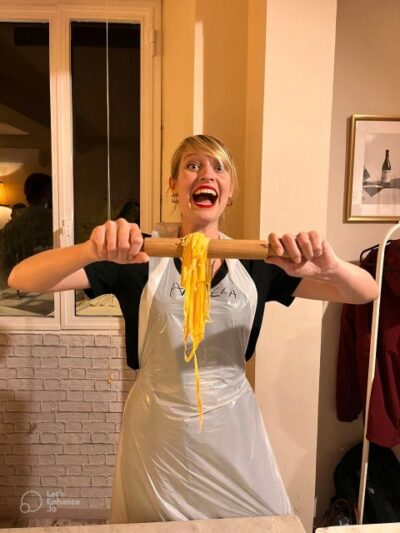
Pasta Making Class with Wine, Limoncello, and Dessert
Read our review →
Cooking Class Pasta & Tiramisu Making Unlimited Wine
Read our review →
Fettuccine & Tiramisù: Cooking Class with Wine & Limoncello
Read our review →
Pasta Making & Wine Tasting with Dinner in Frascati from Rome
Read our review →
Rome Cooking Class: Make Pasta, Dine & Drink Wine With Local Chef
Read our review →Browse the lists this tour appears in