
REVIEW · WINE TASTINGS
Stuttgart: Stuttgart Wine Museum Wine Tasting
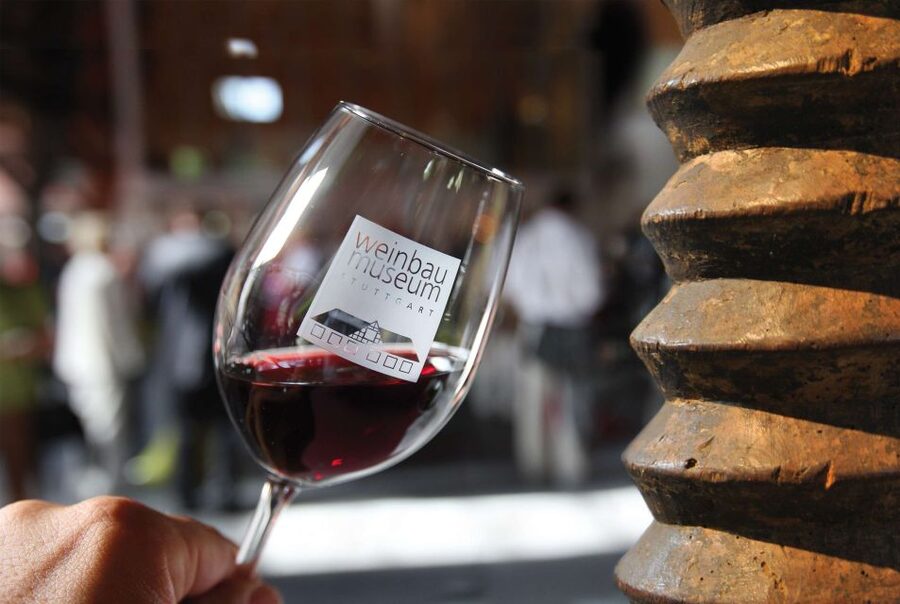
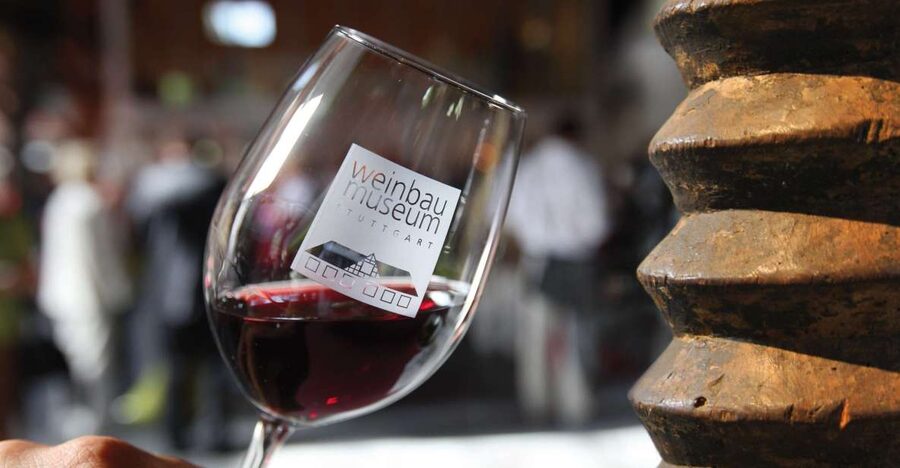
Small glasses, big local flavor. This one-hour tasting at the Stuttgart Wine Museum gives you a pleasant introduction to the region’s wine culture without taking over your evening. I like the weekly changing wine selection, and I like the way the tasting pairs three regional wines with salami, olives, cheese, and bread.
The strongest part is the background on local grape varieties and viticulture, especially if you want more than a quick drink at a bar. The main drawback is clear: the entire tour is in German, so you will miss much of the guide’s explanation if you do not understand the language.
Key points at a glance
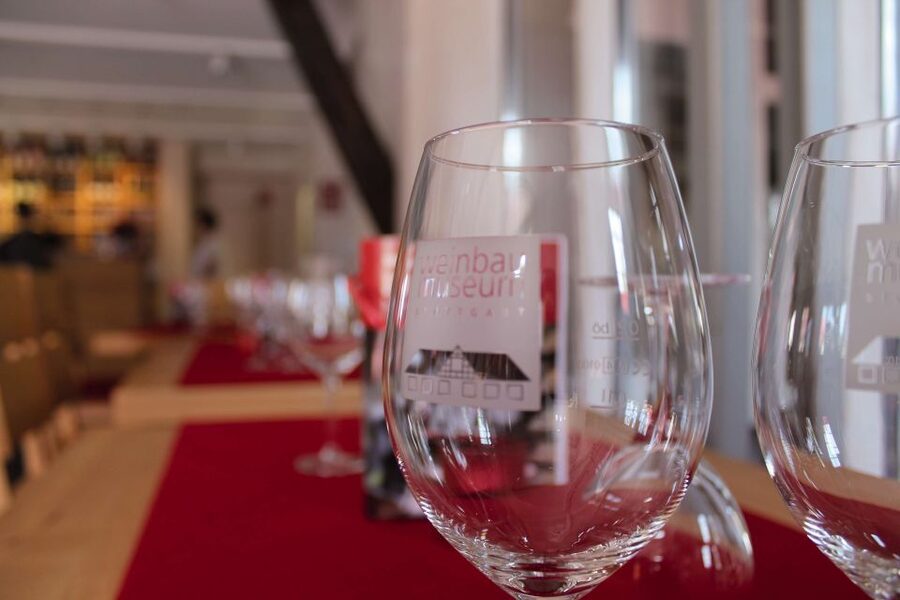
- Three wines in one hour: You taste one white, one red, and one rose, with 0.1 liter of each.
- The selection changes weekly: A repeat visit can offer a different set of regional wines.
- Local grapes take center stage: Expect discussion of varieties such as Riesling, Pinot Gris, and Lemberger.
- Simple snacks are included: Salami, olives, cheese cubes, and bread give you something to eat between sips.
- The museum adds context: You learn about Stuttgart’s vineyards, wineries, and wine-growing traditions.
- Adults only and German-speaking: You must be at least 18, and the live guide speaks German.
A relaxed introduction to Stuttgart wine
Stuttgart is not usually the first German city people name when they think about wine. The Rhine and Moselle often get the attention, but Baden-Württemberg has its own strong wine culture, and this tasting gives you a quick way to meet it.
I like the format because it is focused. You are not committed to a long day in the countryside or a formal multi-course meal. You spend about an hour at the Stuttgart Wine Museum, taste three wines, eat a few savory snacks, and leave with a better sense of what grows around the city.
The tasting is also a good match for a weekend evening. You can use it as a gentle start before dinner or a night out. At $31 per person, it is not the cheapest way to have three drinks, but the price includes the guide, the museum setting, the food, and an explanation of the wines. That makes the value much better than simply buying three glasses at a wine bar.
More Wine Tastings in Germany:
- Trier: Guided City Walk with Wine Tasting
★ 4.8 · 979 reviews - Reil, Mosel: Guided organic wine tasting and cellar tour
★ 4.8 · 84 reviews - Berlin: Wine on Canvas – Paint Workshop and Wine Tasting
★ 4.7 · 59 reviews
Arriving at the Stuttgart Wine Museum
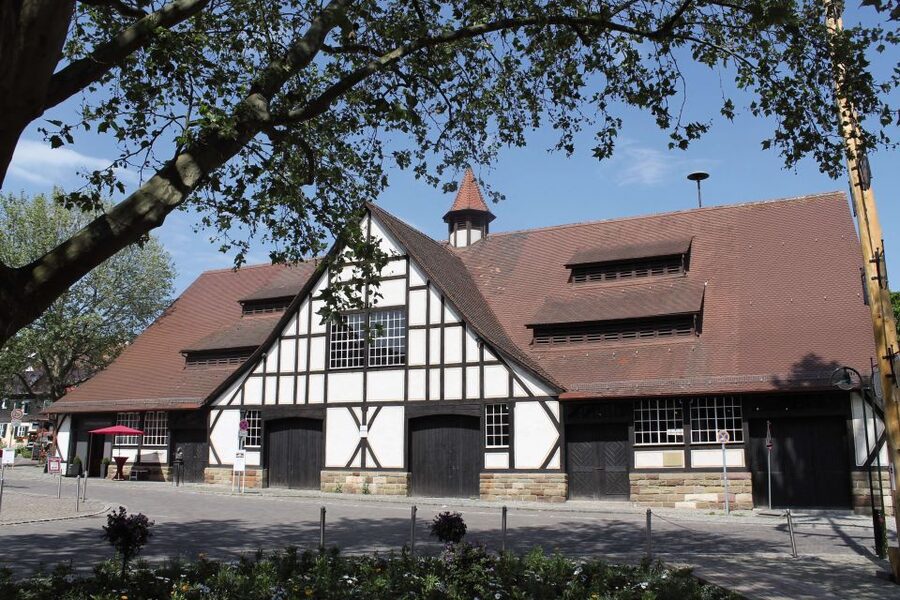
Your visit begins at the Stuttgart Wine Museum, where you meet the wine expert leading the session. The museum setting matters because it gives the tasting a sense of place. You are not just sampling unnamed bottles in a generic room. The subject is Stuttgart and its surrounding wine country.
The exact starting time depends on availability, so check the schedule before booking. Since the activity lasts only one hour, timing is easy to fit around other plans. I would place it before dinner rather than after a large meal, since the small snacks are meant to support the tasting, not replace a full dinner.
Bring a passport or ID card. The activity is limited to adults 18 and older, and identification may be required. The venue is wheelchair accessible, which makes this a practical option for many people who need step-free access.
Three regional wines, three different styles
The central tasting includes three wines, each poured at 0.1 liter:
- One white wine
- One red wine
- One rose wine
That total gives you enough to compare the styles without leaving you overloaded after an hour. The three categories also make the session easy for beginners. You can notice how the wines differ in color, aroma, weight, and taste without needing advanced wine vocabulary.
The white may introduce you to the crisp, tangy character associated with Riesling. Pinot Gris may offer a different feel, depending on the bottle selected. The red can bring in Lemberger, a grape known in the region for more spice and body. These examples are part of the range of grapes discussed, not a promise that every specific bottle will appear during your session.
The rose fills out the comparison. It gives you a chance to see how a wine can sit between the lighter feel of many whites and the fuller character of many reds. For someone just beginning to understand wine, this three-glass structure works well because you can compare the wines side by side in your memory.
The weekly rotation is a useful feature. The selection changes each week, so the tasting does not rely on one fixed trio. If you are staying in Stuttgart for several weeks, a second visit could introduce you to different producers or grape varieties. If you have only one evening in town, ask the guide about the week’s bottles and pay attention to the winery background.
Local grape varieties explained in plain terms
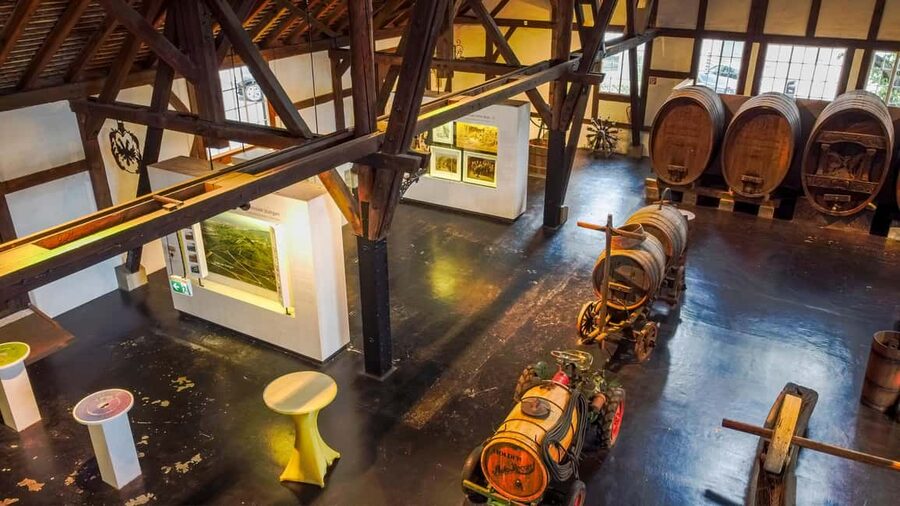
The guide’s role is more important here than the amount of wine. You are not simply handed three glasses and left to guess what you are drinking. The wine expert explains local grapes, viticulture, and the wineries behind the bottles.
This is where the experience earns its place in a Stuttgart itinerary. A tasting can be enjoyable even when you know little about wine, but it becomes more useful when you understand why the wines taste different and where they come from. The session connects the glass in front of you to the region’s grape-growing traditions.
The background also helps you order wine later. If you enjoy the tang of Riesling, for example, you have a local grape name to look for. If you prefer a spicier red, Lemberger gives you another regional reference. The point is not to memorize a list of technical terms. It is to leave with a few names and impressions that make Stuttgart wine easier to understand.
The German-only format deserves serious attention. The activity has a live guide, but German is the only language offered. If your German is limited, you may still enjoy the wine and museum setting, but you will not get the full value from the explanations. I would choose this only if you understand conversational German well enough to follow a guided talk.
More Museum Visits in Germany:
- Koblenz: Historical Sparkling Wine Museum Guided Tour
★ 4.6 · 28 reviews - Porto: Cálem Cellar Tour, Interactive Museum & Wine Tasting
★ 4.5 · 4,113 reviews - Porto: The Wine Experience, Best Wine Museum in the World
★ 4.7 · 621 reviews - Bordeaux Wine and Trade Museum Admission Ticket with Wine Tasting
★ 4.5 · 599 reviews
Salami, olives, cheese, and bread
The snack plate is modest but well chosen. You receive salami, olives, cheese cubes, and bread while you taste. These foods give you salty, creamy, savory, and neutral flavors to compare with the wines.
Do not expect a full meal. If you are hungry, eat beforehand or plan dinner afterward. The snacks are best viewed as tasting companions, not a substitute for Stuttgart’s evening dining scene.
Still, the food adds real value. Wine without anything to eat can feel abrupt, especially when you are tasting several styles in a short period. The bread and cheese help clear your palate, while the salami and olives make the session feel social and relaxed rather than overly formal.
This is also a nice setup for friends. You can compare which wine each person prefers, then continue the evening together. The small group atmosphere is not described in detail, so I would not book this expecting a private or intimate tasting. Think of it as a shared museum activity with food and wine.
What makes the museum setting useful
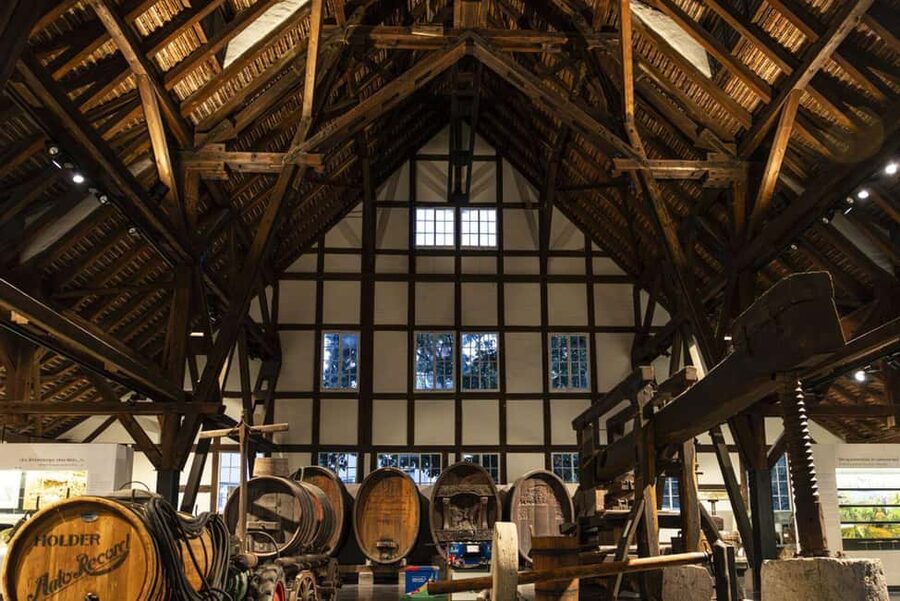
The museum gives the tasting an educational frame. It helps explain why Stuttgart wine is worth seeking out even if your main reason for visiting the city is architecture, shopping, or museums.
You receive information about viticulture in the Stuttgart region and the wineries represented in the tasting. That background can add meaning to a bottle you later see in a restaurant or shop. Instead of treating local wine as a mystery, you gain a few points of reference.
The strongest subject appears to be the story behind the wine and the surrounding area. The session is not only about flavor. It also addresses how grapes are grown and how regional wine fits into Stuttgart’s identity. If you enjoy local history and place-based food, this part may matter more to you than the tasting itself.
The museum setting may also appeal to people who want an indoor activity. A one-hour visit is easy to manage in changing weather, though the available information does not specify the full museum layout or how much independent museum viewing is included. I would treat the museum as the setting and context for the tasting, not assume you are receiving a long museum tour.
Is $31 a fair price?
At $31, the cost works out to $10.33 per 0.1 liter glass before assigning any value to the snacks, guide, and museum setting. That is more than you might pay for a basic glass of house wine, but the comparison is not quite fair.
You are buying three regional samples, a guided explanation, food, and a structured introduction to Stuttgart’s wine culture. For someone who wants to taste local wine but does not have time for a countryside excursion, the package is reasonably priced.
The value is strongest if you care about context. If all you want is a drink, you can find cheaper options elsewhere. If you want to learn why Stuttgart wines taste as they do, hear about the grapes, and try several styles in one sitting, the price makes more sense.
The changing weekly selection is another plus. You are not paying for the same fixed experience each time. A repeat visit could work for wine fans staying longer in the region, although the one-hour format remains fairly compact.
Who should book this tasting?
I would recommend it to adults who enjoy trying local food and drink but do not want a long or demanding excursion. It suits a weekend itinerary, a small group of friends, or anyone looking for an easy evening activity before dinner.
It is also a good choice for wine beginners. The white, red, and rose structure gives you a simple comparison, and the guide provides the names and background that help you keep learning afterward.
German speakers will get the full benefit. People who do not speak German should think carefully before booking, since the guide’s explanations are a major part of the experience. You may still enjoy the wine and snacks, but that would leave out the educational core.
The activity is not suitable for children under 18. It is wheelchair accessible, and the short duration keeps the physical and time commitment modest.
Booking flexibility and practical details
You can cancel up to 24 hours before the start for a full refund. You can also reserve now and pay later, which is useful when your Stuttgart schedule is still changing.
The provider is Stuttgart-Marketing GmbH. Check the current availability for start times, since the activity runs for one hour rather than following a single fixed departure time.
Bring a passport or ID card, and remember that the tour is conducted in German only. Those two details are small, but overlooking either one could spoil an otherwise easy evening.
Should you book the Stuttgart wine tasting?
Book it if you want a short, friendly introduction to regional wine with useful background on grapes, wineries, and local viticulture. The three-wine format, changing weekly selection, and simple snack plate make it an easy addition to a Stuttgart weekend.
Skip it if you want a full meal, a countryside vineyard visit, or an English-language tour. The best reason to choose this experience is the combination of wine and local context. You get a taste of Stuttgart without giving up the rest of your evening.
FAQ
How long does the Stuttgart Wine Museum wine tasting last?
The tasting lasts one hour.
How many wines are included?
Three regional wines are included: one white, one red, and one rose. Each serving is 0.1 liter.
What food is served with the wine?
The included snacks are salami, olives, cheese cubes, and bread.
Does the wine selection stay the same each week?
No. The selection changes weekly, so the wines may differ from one visit to another.
Which grape varieties might be discussed?
The tasting may cover grapes such as Riesling, Pinot Gris, and Lemberger, along with other varieties from the Stuttgart region.
Is the tour offered in English?
No. The live tour guide speaks German, and the tour is conducted in German only.
Can children join the tasting?
No. The activity is not suitable for children under 18 years old.
Is the Stuttgart Wine Museum wheelchair accessible?
Yes. The activity is wheelchair accessible.
Newly added around Germany
- Sylt: Shell safari with boat | incl. Mussel tasting & 1 glass of wine★ 4.7 · 49 reviews
- Stuttgart: Guided Wine Walk & Wine Tasting★ 4.6 · 28 reviews
- Heidelberg: Hills and Wine Region Segway Tour★ 4.9 · 89 reviews
- Reil, Mosel: Guided organic wine tasting and cellar tour★ 4.8 · 84 reviews
- Mulled wine ride in the Leipzig New Zealand★ 4.3 · 43 reviews
- Lieser: Covered wagon ride, the rolling wine tasting with picnic basket★ 4.7 · 51 reviews
- Kröv, Mosel: Covered wagon ride through the vineyards with wine tasting★ 4.8 · 46 reviews
- Koblenz: Christmas Boat Tour with Mulled Wine★ 4.3 · 35 reviews
Wine Tastings, compared.
Douro Valley w/ Boat Tour, Wine Tasting & Lunch
Read our review →
Complete Douro Valley Wine Tour with Lunch, Wine Tastings and River Cruise
Read our review →

Small-Group Wine Tasting Experience in the Tuscan Countryside
Read our review →
Montserrat & Cogwheel Train, Gourmet Wine Tasting & Tapas/Lunch
Read our review →
Tuscany & Montepulciano Day Trip with Lunch & Wine Tasting
Read our review →Browse the lists this tour appears in