
REVIEW · CHAMPAGNE TOURS
Champagne: Champagne Tasting Class with Lunch
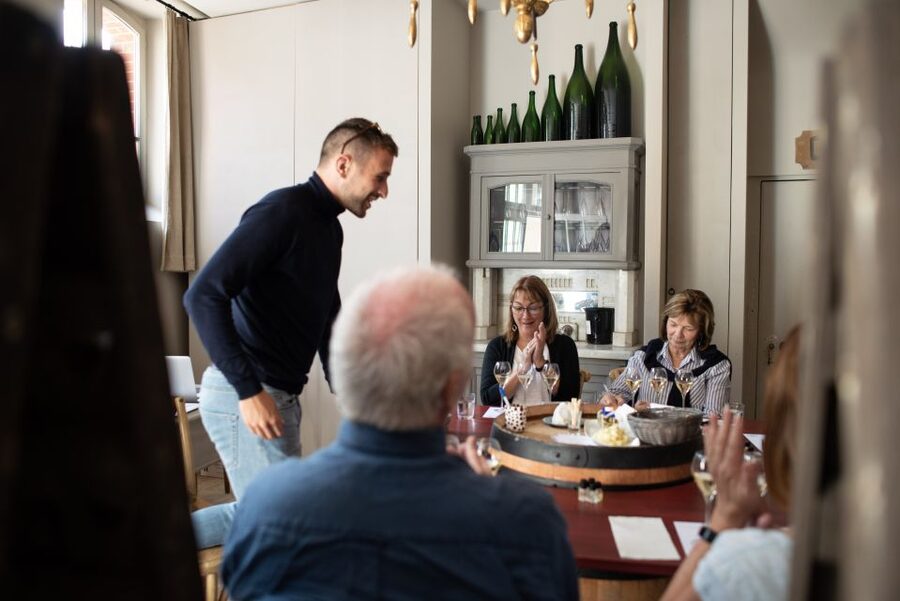
Small producers tell bigger stories. In Aÿ-Champagne, this three-hour experience combines hands-on tasting lessons, a cellar visit, and a generous regional lunch at family-run Le Clos Corbier. I especially like the nose and palate workshop, which gives beginners a practical way to understand Champagne, and the chance to compare three bottles from smaller wineries rather than tasting only famous brands. The main consideration is that transport is not included, and part of the tour may take longer when it is presented in both English and French.
The setting feels personal rather than polished for mass tourism. You see cellars dug in the 1850s, a traditional press, and the working side of Champagne production. Guides such as Emma, Charlotte, Marie, Amanda, and Estelle have been praised for making the lessons clear and friendly, while the lunch adds real value to the $106 price.
Key points to know before booking
- The tasting class is practical: You train your nose with an olfactory workshop, then test your new skills during a blind tasting.
- Three Champagnes are compared: The bottles come from different small wineries, making this a useful introduction to style and production differences.
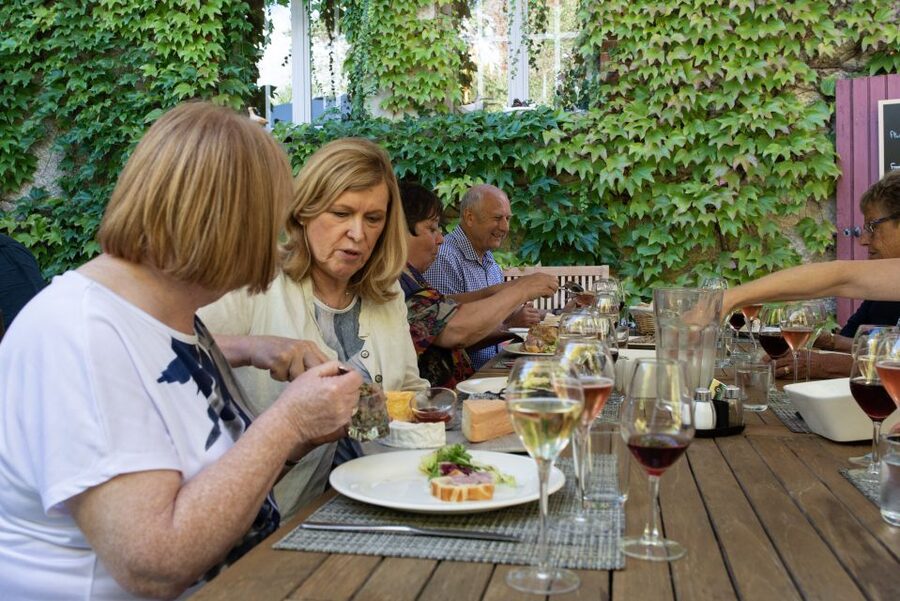
- The lunch is a major part of the experience: Expect regional dishes such as pâté en croute, Langres cheese, and pink biscuit cake, served with more wine.
- The cellar is genuinely old: Le Clos Corbier’s underground cellars date to the 1850s, and the visit includes a traditional press.
- You taste more than Champagne: The program also includes Côteaux Champenois red wine and Ratafia, a local regional liquor.
- Bring a jacket: The cellars average about 10°C, even when the weather outside is warm.
Arriving at the family house in Aÿ-Champagne
Le Clos Corbier sits among the Champagne vineyards of Aÿ-Champagne, a village with strong ties to the region’s wine culture. The meeting point is simple: look for the Clos Corbier sign and ring the doorbell.
Transportation is not included, so you need to arrange your own way there. That detail matters more than it may seem. If you are staying in Épernay or elsewhere in the Champagne area, check your route and timing before booking. The activity ends in the early afternoon, leaving room for another visit later in the day, but only if your transport plan is tidy.
The house itself gives the experience its character. This is not a grand branded cellar with polished displays and a large gift shop. It is a family domain where the focus is on the people, the wine, and the working process. Several guides have introduced the family story, and on some visits the owner has joined the group to answer questions directly.
That human contact is one of the best reasons to choose this experience. You get a closer look at how a smaller Champagne producer presents its work, rather than hearing only a standard speech about a large commercial label.
More Champagne Tours in France:
- From Paris: Day Trip to Champagne with 8 Tastings & Lunch
★ 4.8 · 1,501 reviews - Champagne Day Trip with 6 Tastings, Reims and Winery from Paris
★ 5.0 · 902 reviews - From Reims: Champagne and Family-Run Wineries Tour
★ 4.8 · 671 reviews
What the 1850s cellars reveal
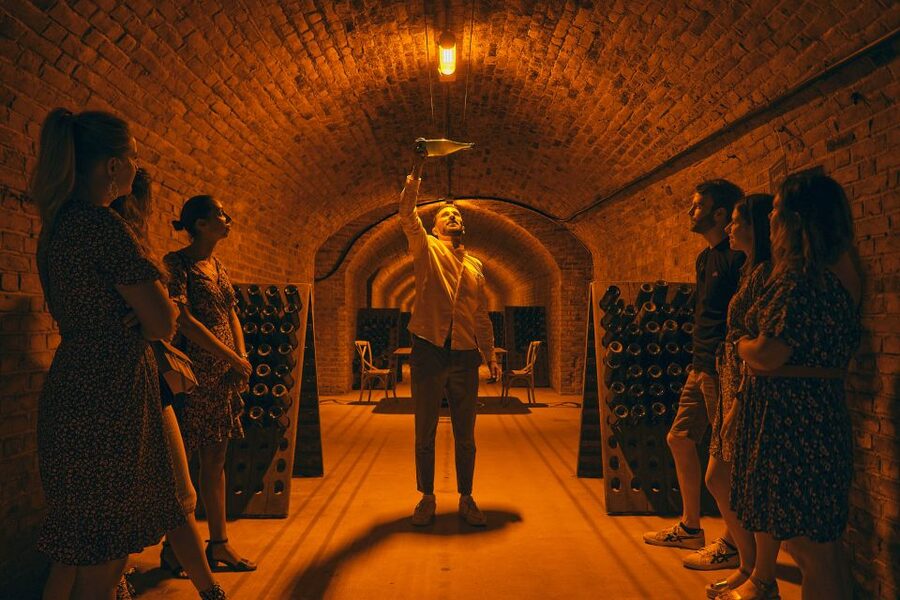
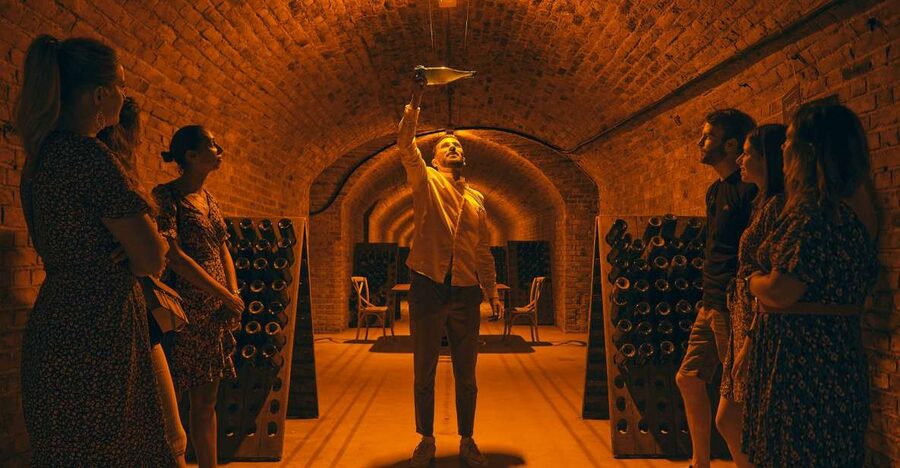
The cellar visit comes early and provides useful context for the tasting class. You see underground spaces dug in the 1850s, along with a traditional press and an explanation of how Champagne is made.
The cellar temperature averages 10°C. Bring a jacket, even if you arrive on a warm summer day. It is a small practical point, but being cold can distract you from the wine and the explanation.
The visit is valuable because it connects the bottle on your table to the physical work behind it. You learn about the grapes, production methods, and the stages that turn still wine into Champagne. The cellar is not simply an atmospheric photo stop. It helps you understand why the region’s wines cost more than ordinary sparkling wine and why production takes patience and careful handling.
If you have already toured several large Champagne houses, you may find this visit less theatrical and more intimate. That is a benefit for anyone interested in the producer’s daily work. It may feel modest if you expect grand architecture or elaborate visitor centers.
The tasting class makes Champagne easier to understand
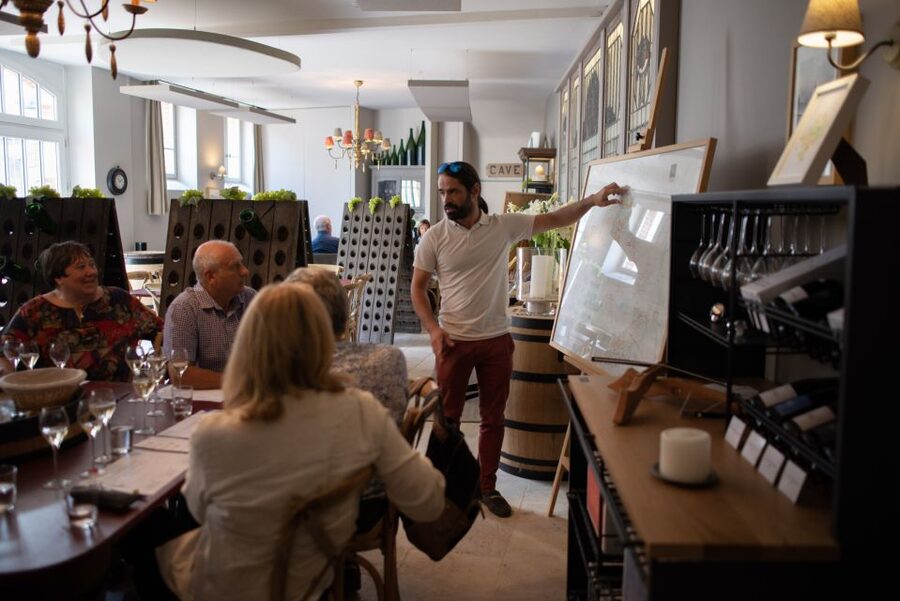
After the cellar visit, you sit down for a tasting lesson and a Champagne quiz. This is where the experience earns its place as more than a standard wine sampling.
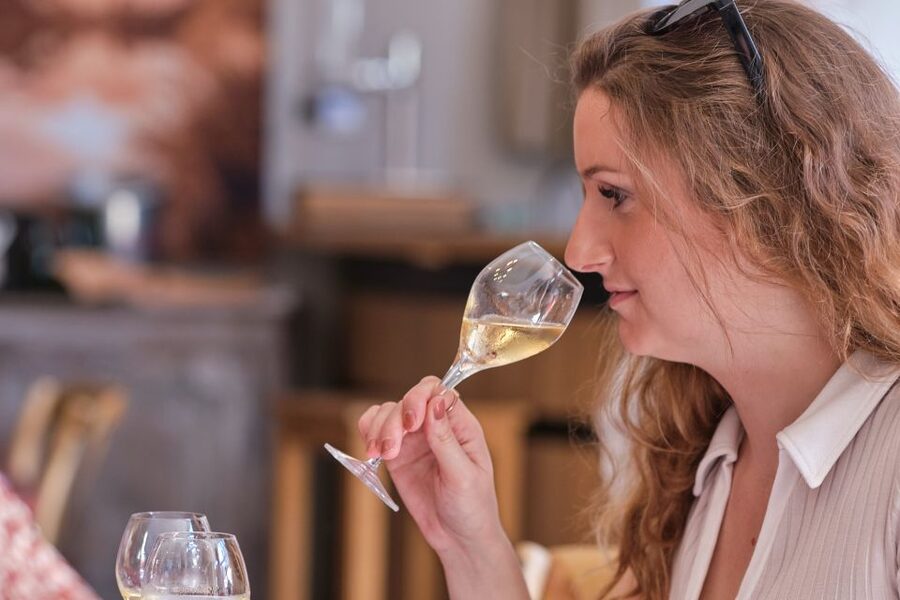
The lesson focuses on the basics of tasting. You work on how to smell, how to identify aromas, and how to pay attention to flavor and structure. The olfactory workshop trains your nose with different scents and helps you put words to what you notice in the glass.
I like this approach because it removes some of the mystery from wine tasting. You do not need a trained palate before arriving. The class gives you a method: smell first, taste carefully, compare, and then talk through your impressions.
The quiz adds a playful edge. It keeps the class from becoming a lecture and gives the group something to work on together. Some guides have also handed out a certificate at the end, which adds a cheerful finish to the lesson without making the activity feel formal.
Guides vary by date, but names praised for clear and friendly instruction include Emma, Charlotte, Marie, Amanda, Estelle, Alvaro, and Thomas. The experience is offered in English and French. If the group is bilingual, explanations can take longer, as one participant noted, but that also means the activity can suit mixed-language groups.
Blind tasting three Champagnes from smaller wineries
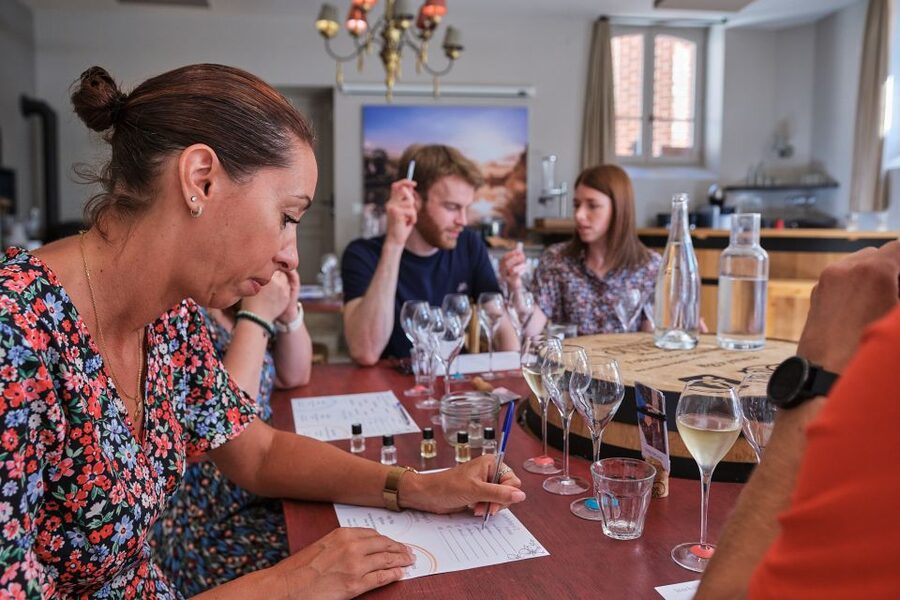
The central tasting compares three different Champagnes in a blind format. You taste them without relying on the label, price, or reputation of the producer.
This is a smart way to learn. Famous names can shape your expectations before you even sip. A blind comparison forces you to focus on the wine itself. You can compare aroma, dryness, fruit, acidity, and general style, then see how close your guesses were.
Local snacks accompany the tasting. They give you something to eat while you work through the glasses and help prepare you for the larger meal later.
The tasting pours have been described as generous, which helps the $106 cost make more sense. This is not a quick sample followed by a sales pitch. The class includes multiple glasses, discussion, and a game that turns the information into something memorable.
Still, you should know what kind of activity this is. It is educational and social, not a serious professional certification course. You will learn useful tasting habits, but the focus is on enjoyment and discovery rather than technical wine exams.
More Long Lunches in France:
- Saint-Emilion Electric Bike Day Tour with Wine Tastings & Lunch
★ 5.0 · 696 reviews - Champagne Day Trip from Paris with 8 Tastings & Lunch
★ 4.5 · 607 reviews - Paris: Wine and Cheese Lunch
★ 4.9 · 596 reviews - St-Emilion & Médoc Wine Day Tour: Chateaus, Tastings and Lunch
★ 5.0 · 430 reviews
The regional lunch is more than an add-on
Lunch follows the class and is one of the strongest parts of the experience. The meal features homemade regional specialties, with examples including pâté en croute, Langres cheese, and pink biscuit cake.
Pâté en croute is a meat-filled pastry with a firm crust, while Langres brings the character of a local French cheese. The pink biscuit cake connects the meal to the famous biscuit tradition of the Champagne area. Together, these dishes give you a taste of the region beyond its best-known drink.
The meal is paired with a variety of Champagnes, so the tasting continues at the table. You may also taste Côteaux Champenois, the local red wine, followed by Ratafia, a regional liquor. This broadens the experience and shows that Champagne’s wine culture is not limited to sparkling bottles.
The lunch is described as generous and homemade, with some meals served outside when weather allows. A sunny lunch in the garden or dining area can make the visit feel relaxed and unhurried. On rainy or cooler days, the meal still provides a comfortable close to the class, but outdoor dining is not something you should count on.
Dietary needs can be accommodated, including allergies or specific diets. Tell the provider in advance so the kitchen can adjust the meal.
What makes the $106 price fair
At $106 per person, this is not the cheapest way to taste Champagne. The value comes from how much is bundled into three hours.
Your fee covers the local guide, entry, the winery tour, six wine tastings, local snacks, and lunch. You are paying for a lesson, a cellar visit, a blind tasting, several food pairings, and a full regional meal. If you priced each part separately, the package would compare favorably with a simple cellar tour followed by a restaurant lunch.
The six tastings are also broader than the headline promise of three Champagnes. The program includes the three blind-tasted Champagnes, additional Champagne with lunch, Côteaux Champenois, and Ratafia. The exact number of pours may vary in how the host describes them, but the advertised package is six wine tastings.
I would consider this good value for someone who wants to learn while eating well. It is less appealing if you only want a quick glass of Champagne or a large-house tour with a dramatic setting.
The strongest value comes from the teaching. You leave with a better way to smell and taste Champagne, rather than simply remembering that one bottle tasted fruity and another tasted dry.
The small-group feel and possible limitations
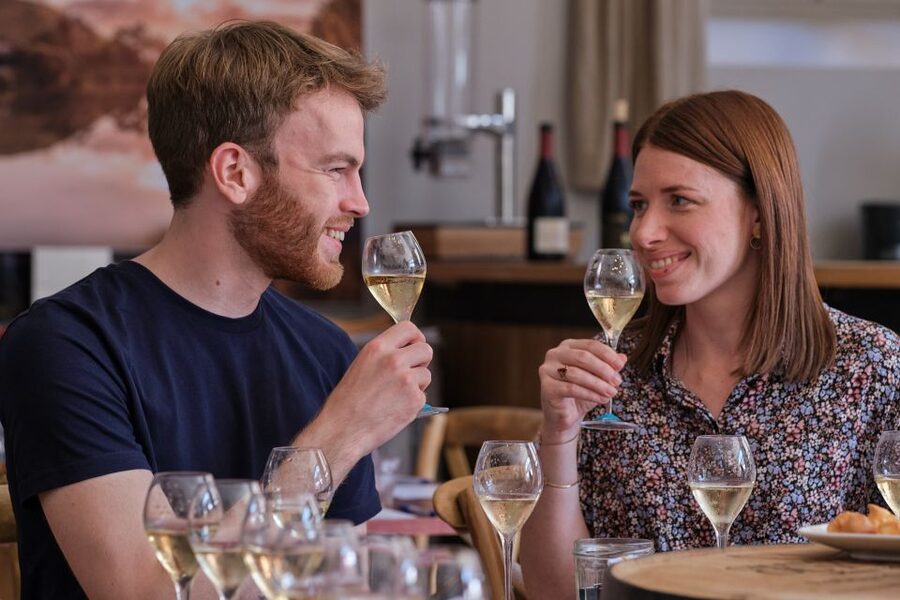
The experience has a relaxed, social tone. The quiz and blind tasting naturally encourage conversation, and the lunch gives you time to talk with the guide and the other people at the table.
The group size is described in several accounts as small, with one group of 12 enjoying the visit together. Exact capacity is not provided, so you should not assume every departure will have the same number of people. Still, the format is clearly designed to feel personal rather than crowded.
That intimacy can make the day more enjoyable, but it also means the pace depends partly on the group. A curious group may ask many questions. A bilingual group may need repeated explanations. If you prefer a fast, tightly timed tour, this could feel leisurely.
The hosts are a major part of the experience. Emma has been praised for helping the group bond, while Charlotte has been noted for fluent English and clear explanations. Marie, Amanda, Estelle, and others have also been credited with creating a friendly atmosphere. The exact guide changes, but the format gives the host room to shape the mood.
Who should book this Champagne experience?
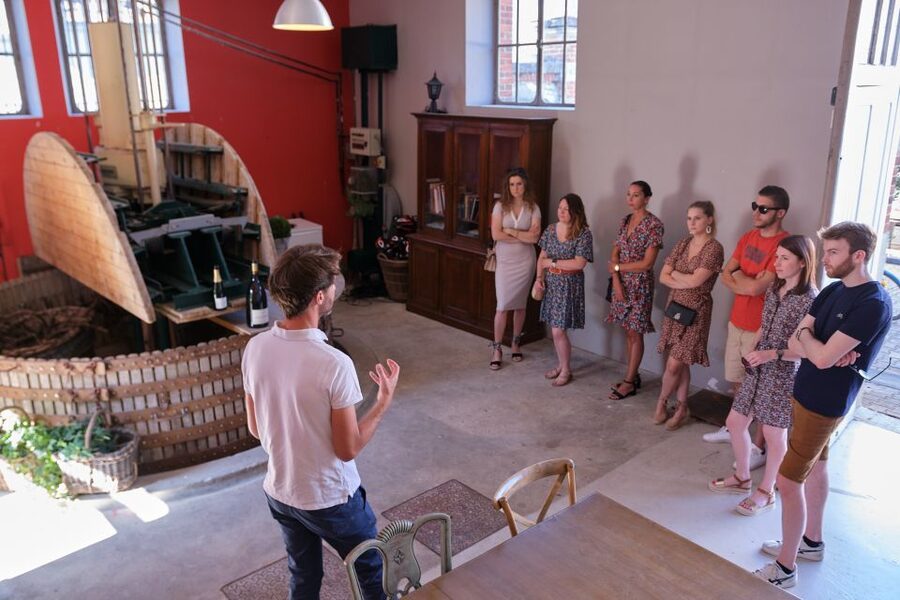
I recommend it most strongly for first-time Champagne visitors and people who want to understand what they are tasting. The class is built for beginners, with simple exercises and games that make the technical parts easier to remember.
It also suits food lovers. The lunch is not a token plate of bread and cheese. Regional dishes, dessert, wine pairings, and a digestif make it a proper midday meal.
You will likely enjoy it if you prefer:
- Family-run producers to major commercial brands
- A small-group format to a large visitor center
- Learning through games and tasting exercises
- A substantial lunch rather than a short cellar stop
- A mix of Champagne, red wine, and regional liquor
There are a few reasons to choose another activity. Children under 18 cannot drink alcohol, and the experience is built around tasting, so it is not a natural fit for a family with young children. Pets are not allowed, although assistance dogs are permitted.
You should also be comfortable with a three-hour food and wine program. The lunch and tastings are central, not optional extras. Anyone avoiding alcohol entirely would find much of the experience irrelevant.
Practical tips for a better visit
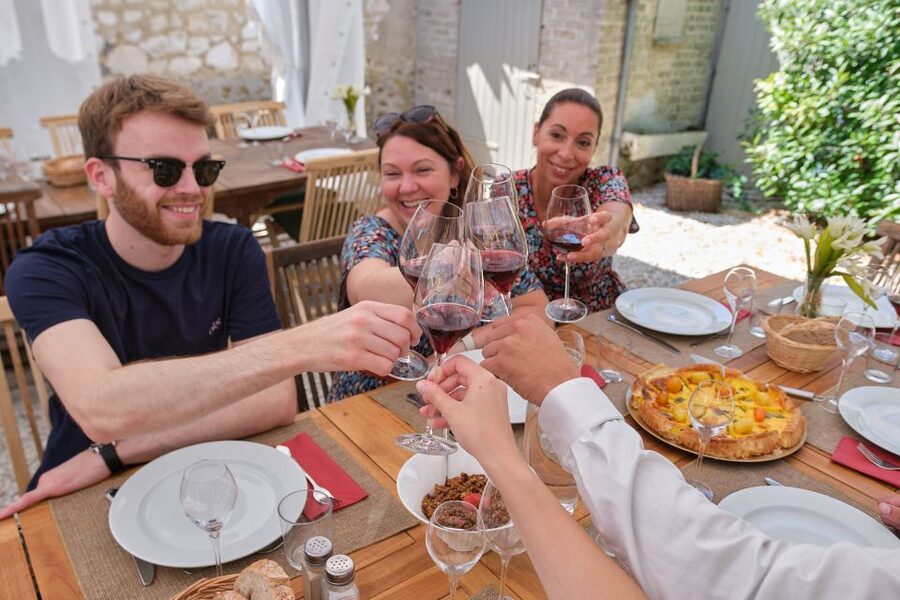
Bring a jacket for the cellar. Ten degrees Celsius is cool enough to make a real difference, especially during a longer explanation.
Arrive ready to participate. The nose workshop and blind tasting work best when you smell carefully, make guesses, and compare notes with the group. You do not need prior wine knowledge, and there is no prize for getting every answer right.
Keep your schedule flexible after the tour. The activity lasts three hours and ends in the early afternoon, but bilingual explanations or lively questions can affect the pace slightly.
If you have allergies or follow a specific diet, arrange the lunch adaptation before arrival. The meal can be adjusted, but the kitchen needs useful information.
Check accessibility needs in advance even though the activity is listed as wheelchair accessible. A cellar visit can involve spaces that are more challenging than the main dining area, so it is sensible to confirm the details when you book.
Cancellation is flexible up to 24 hours before the activity for a full refund, and you can reserve now and pay later. Those policies are useful if your Champagne itinerary depends on changing transport or weather.
Should you book Le Clos Corbier?
Yes, if you want a friendly introduction to Champagne that combines real production details, guided tasting, and a proper local meal. The old cellars, traditional press, blind comparison, and family-house setting give the morning more substance than a quick tasting at a shop.
I would book it especially for a first visit to the region, a couple celebrating a special occasion, or anyone who wants to learn without feeling tested. The $106 price is justified by the six tastings, lunch, and hands-on instruction.
Skip it if you want only a grand Champagne brand, a short tasting, or a fully transported excursion. For everyone else, Le Clos Corbier offers a warm, useful, and pleasantly unhurried way to meet the people behind the bubbles.
FAQ
Where does the Champagne tasting class take place?
It takes place at Le Clos Corbier in Aÿ-Champagne, in the Grand Est region of France. At the meeting point, look for the Clos Corbier sign and ring the doorbell.
How long does the experience last?
The experience lasts three hours and finishes after lunch in the early afternoon. Starting times vary, so check availability when booking.
How many Champagne tastings are included?
The package includes six wine tastings. The program specifically includes a comparison of three different Champagnes, along with further wine served with the meal.
What food is served at lunch?
The lunch features homemade regional specialties. Examples include pâté en croute, Langres cheese, and pink biscuit cake, served with Champagne and other regional drinks.
Is transportation included?
No. Transportation and personal expenses are not included, so you must arrange your own way to Le Clos Corbier.
Is the experience available in English?
Yes. The host or greeter can conduct the experience in English or French.
What should I bring?
Bring a jacket because the cellars average about 10°C. You should also be ready to take part in the tasting and aroma activities.
Can the lunch accommodate allergies or special diets?
Yes. The lunch can be adapted for allergies or specific diets. Provide the relevant information ahead of time so the meal can be prepared appropriately.
More Workshops in France
- Paris: French Wine Tasting Class with Sommelier
★ 4.8 · 550 reviews - Aÿ-Champagne: Champagne House Tour and Tasting Class
★ 4.9 · 209 reviews - Bordeaux: Introduction to Bordeaux Wines Tasting Workshop
★ 4.8 · 196 reviews - Bordeaux Super Saver Wine Tasting class and St Emilion region
★ 5.0 · 184 reviews
Newly added around France
- Saint Emilion Full Day Wine and Bike Tour★ 5.0 · 167 reviews
- Luxurious full day Bordeaux wine tour in a Tesla★ 4.5 · 31 reviews
- Private Bordeaux History Tour with a glass of Bordeaux wine.★ 5.0 · 28 reviews
- Private – Best of Bordeaux Walking Tour + Glass of Bordeaux Wine★ 5.0 · 240 reviews
- Wine Masterclass & Cheese Tasting Workshop in Bordeaux★ 5.0 · 29 reviews
- Bordeaux wines tasting workshop including Food & Wine pairings★ 5.0 · 31 reviews
- Medoc Afternoon Wine Tour – 2 Wineries, tastings & delicacies★ 4.5 · 74 reviews
- Discovery of the Bordeaux vineyard in 3 wines★ 5.0 · 133 reviews
Champagne Tours, compared.
Day Trip to Champagne with 8 Tastings & Lunch
Read our review →
Private Boat Ride in Miami with Experienced Captain and Champagne
Read our review →
From Las Vegas: Grand Canyon Helicopter Tour with Champagne
Read our review →
2 Hour Champagne Sunset Cruise from Grace Bay, Providenciales (Adult Only)
Read our review →
Grand Canyon West Rim Helicopter Tour with Champagne Toast
Read our review →Browse the lists this tour appears in