
REVIEW · CHAMPAGNE TOURS
Entrance ticket to Pressoria in the heart of Champagne with Tasting
Champagne makes more sense when you see its roots. Pressoria turns a former Maison Pommery pressing center in Aÿ-Champagne into a playful, hands-on visit that explains the region through geology, climate, vines, harvest, production, and effervescence. You move at your own pace, then finish with two champagne tastings or grape juice beside a view of the vineyards.
I especially like the five-senses approach, which makes the subject easier to grasp than a standard museum display. I also like the setting, at the foot of the UNESCO-listed hillsides, with a beautifully renovated old site and a strong view at the end. The main consideration is that this is an interpretive museum experience, not a working champagne-house cellar tour, so you should choose a major producer visit instead if you want a close look at cellar operations and bottle production.
Key points to know before you go
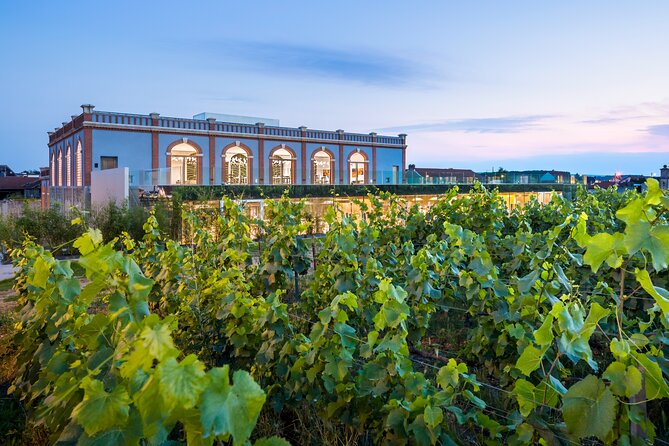
- A former Maison Pommery pressing center: The building gives the visit a real connection to Champagne production rather than feeling like a completely new exhibition hall.
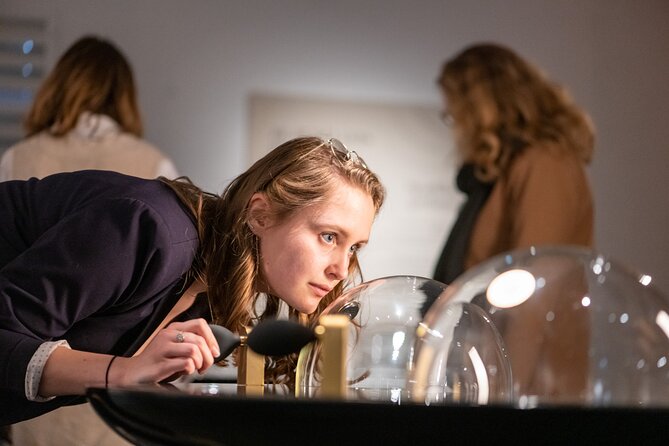
- A five-senses route: Geology, climate, vines, harvest, winemaking, and bubbles are explained with videos, animations, and sensory displays.
- A relaxed one to two hours: You explore independently, so you can move quickly or pause when a display catches your attention.
- A tasting with a vineyard view: The visit ends with two champagnes or grape juice, making the final stop useful for both adults and families.
- A good introduction before champagne houses: The exhibits give you basic context that can make later producer visits easier to follow.
- A convenient price point: At $21.63 per person, it offers a reasonably priced way to understand Champagne without committing to a full estate tour.
Why Pressoria works as an introduction to Champagne
Champagne can be confusing at first. You hear about chalk, slopes, weather, grapes, pressing, fermentation, blending, and bubbles, but the pieces do not always fit together during a short tasting. Pressoria gives those pieces a clear order.
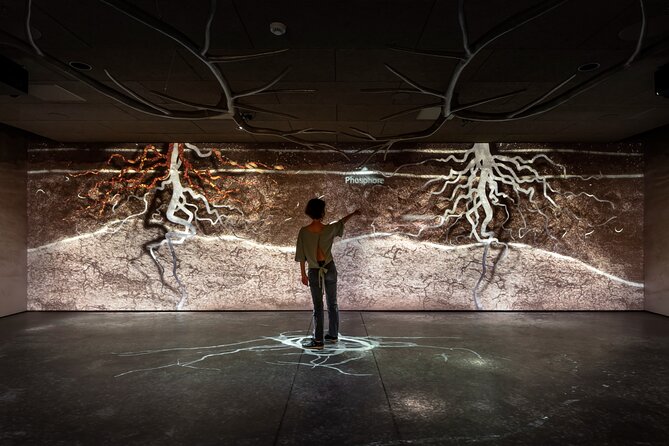
The route is built around the senses. That matters because wine is not only a technical subject. You need to see how the land looks, understand the effect of weather, and connect aromas and flavors to the finished drink. The displays use video and animation to keep the material moving, rather than asking you to read long panels in a quiet gallery.
I like this format for a first visit. You do not need much prior knowledge, and you can stop to think about a point before moving on. The material is also available in English, which makes the experience more useful if you are not comfortable with French wine vocabulary.
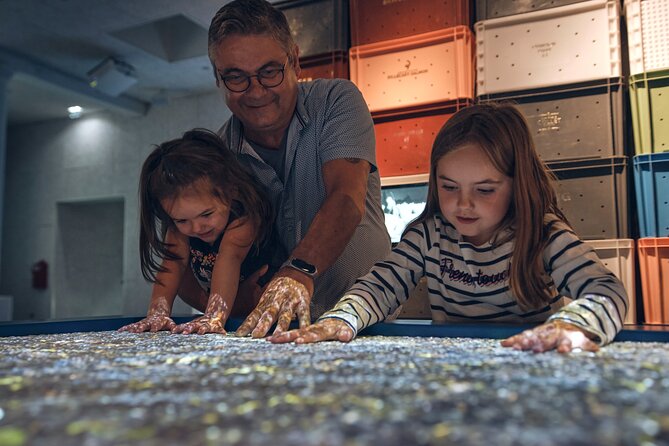
The tone is playful, but the subject is serious enough to be useful. Families with teenagers can enjoy the visual elements, while adults who are planning visits to larger champagne houses can use the information as a foundation. It is an unusual combination: part museum, part sensory lesson, and part tasting stop.
More Champagne Tours in France:
- From Paris: Day Trip to Champagne with 8 Tastings & Lunch
★ 4.8 · 1,501 reviews - Champagne Day Trip with 6 Tastings, Reims and Winery from Paris
★ 5.0 · 902 reviews - From Reims: Champagne and Family-Run Wineries Tour
★ 4.8 · 671 reviews
The former pressing center gives the visit a real setting
Pressoria occupies a former pressing center connected with Maison Pommery. That detail adds weight to the visit. You are not simply entering a modern attraction that happens to discuss Champagne. The building once belonged to the work of handling grapes, and it has been carefully renovated for its current role.
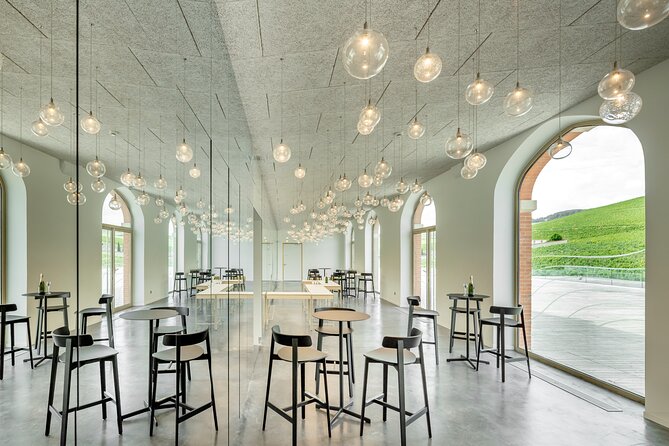
The site is in Aÿ-Champagne, at the foot of the historic hillsides recognized by UNESCO. This location helps place the displays in context. After hearing about vineyards and soil, you can look out toward the actual slopes that shape the region’s wine.
The setting is one of the strongest parts of the experience. Several comments about the visit praise the views, and that praise makes sense: the final tasting is paired with a broad look over the vines. Try not to rush that last part. The view helps turn abstract ideas about terroir into something you can see.
At the welcome and exit areas, Maison Pinard is also present. This gives the visit a local wine connection at both ends, although the central Pressoria experience remains focused on education and sensory displays.
What you learn about soil, weather, and vines
The first part of the route introduces the forces behind the wine. Geology and climate are not treated as decorative background. They explain why Champagne developed its particular style and why vineyard location matters.
The geology section helps you understand that a bottle begins well before harvest. Soil affects how vines grow, how water is handled, and how grapes mature. You may not leave able to identify every soil type in the region, but you should have a clearer idea of why producers pay such close attention to the ground beneath each row of vines.
Climate is given equal attention. Champagne sits in a place where weather can shape the character and success of a vintage. That makes the region’s work more demanding than simply harvesting ripe fruit every year. The displays connect weather with the vines, the grapes, and the final wine.
This is the kind of information that becomes more useful later. When you visit a producer or taste another bottle from the region, you will have a better sense of why vineyard position, growing conditions, and harvest timing matter.
The route also covers the less visible side of vineyard work. This is a welcome choice. Champagne is often presented as a polished luxury product, but vines require steady work long before the bottle reaches a celebration table. Pressoria helps you see that production depends on land, weather, labor, and timing.
Harvest and production explained without a lecture
The harvest section follows the grapes from the vineyard toward the pressing process. Because the site itself was once a pressing center, this part has a natural connection to the building.
Video and animated displays explain stages of Champagne production in a way that is easier to follow than a technical talk. You can expect the material to cover how grapes are handled, how the wine develops, and how effervescence becomes part of the finished drink.
I appreciate that the experience is self-guided. You are not tied to a group moving at one fixed speed. If a production display is especially interesting, you can spend more time there. If a technical explanation feels too detailed, you can keep moving.
The route is not designed to replace a specialist cellar visit. It will not give you the same feeling as seeing production equipment in operation or walking through a large underground storage area. Instead, it gives you the basic sequence and vocabulary. That makes it a smart first stop before visiting one of the famous champagne houses.
The animated material is one of the most praised features of the experience. It has enough visual energy to keep the visit from becoming a wall of text, and it helps younger visitors follow along. Adults should not dismiss it as childish. The format makes complicated ideas easier to remember.
A few more wine tours around France worth a look
- Bordeaux: Cité du Vin Entry Ticket and Wine Tasting
★ 4.6 · 3,885 reviews - Bordeaux Wine and Trade Museum Admission Ticket with Wine Tasting
★ 4.5 · 599 reviews - Bordeaux: Wine and Trade Museum Entry Ticket & Wine Tasting
★ 4.4 · 121 reviews - Colmar: Alsace Wine Museum Entrance Ticket
★ 4.5 · 54 reviews
Effervescence becomes easier to understand
The bubbles receive their own attention, as they should. Effervescence is the feature most people associate with Champagne, yet the process behind it can be hard to picture from a tasting alone.
Pressoria gives you a visual and sensory way to think about the subject. You are not simply told that the wine becomes sparkling. The displays show how the process fits into the larger chain, from grapes and pressing to the finished drink.
This section is especially helpful if you know what Champagne tastes like but have never considered how the texture and bubbles are created. You can connect what you see in the displays with what you later taste in the glass.
The experience also avoids making wine seem like a test. You do not need to memorize every term. The point is to give you a working understanding so that a future tasting feels less mysterious.
The final tasting is more than a token sample
The visit ends with a choice of two champagnes or grape juice. For adults, the two pours offer a small comparison and a chance to connect the displays with actual wine. For families or anyone who does not drink alcohol, grape juice keeps the final stage included rather than making it an afterthought.
The tasting is one of the clearest strengths of the visit. It gives the route a satisfying finish, and the staff at the tasting area can provide explanations about what you are drinking. The tasting team is described as friendly and well informed, which matters because a brief explanation can make a sample more useful than a simple glass placed in front of you.
You should take your time here. Notice the aroma, the bubbles, the balance, and how the two samples compare. You do not need expert language. Even a basic comparison can help you understand how much Champagne can vary.
The view over the vineyard adds a lot. You are not tasting in an anonymous room. You are looking toward the vines and the hillsides that the route has just discussed. That connection between exhibit, place, and glass is what makes the finish memorable.
If you are driving, the grape juice option may be the practical choice. The supplied information does not specify serving sizes or the exact champagne selection, so do not book this expecting a particular producer or vintage.
How long to allow and who will enjoy it
The visit takes about one to two hours. I would allow the full two hours if you enjoy museum displays, want to read the explanations, or plan to linger over the tasting and view.
You can finish sooner if you move quickly. Since the route is at your own pace, the timing depends on how much attention you give the videos, animations, and sensory sections. That flexibility is useful when you are fitting Pressoria between other stops in Champagne.
This experience suits:
- First-time visitors who want a clear introduction to Champagne
- Couples looking for a tasting with more context
- Families with children or teenagers
- Wine lovers who plan to visit major champagne houses later
- Anyone who prefers an independent visit to a fixed guided tour
- Non-drinkers who want the option of grape juice
It may be less satisfying if you are seeking a long cellar walk, a private producer meeting, or a technical tasting led by a winemaker. Pressoria explains the full region and production process, but it is not presented as a behind-the-scenes estate tour.
Is $21.63 good value?
At $21.63 per person, the price is reasonable for a one to two-hour visit that includes the exhibition and a tasting of two champagnes or grape juice. The value is strongest if you treat it as both an attraction and preparation for the rest of your Champagne trip.
You are paying for a self-guided museum route, audiovisual material, access to the former pressing center, and the final tasting. The vineyard view adds something that cannot be delivered by an indoor display alone.
The price also makes Pressoria easier to fit into a day than a more elaborate wine tour. You get a useful overview without spending half a day at one estate. If you already have several producer visits planned, this can provide the background that those tastings sometimes assume.
The limitation is that the ticket does not appear to include a meal. The Instant Terroir restaurant is an extension of Pressoria and serves gourmet food based on local seasonal products, but you should regard lunch or a meal there as a separate plan unless confirmed at booking.
Practical details for planning your visit
Your mobile ticket makes entry simple, and confirmation is provided when you book. Pressoria is near public transportation, which helps if you are not driving between villages.
The experience is available for most people to participate in, although the supplied details do not provide a full list of accessibility features. If you have specific mobility or access needs, check directly before setting out.
Booking around 12 days ahead is common, so plan ahead if your Champagne dates are fixed. Still, the free cancellation policy gives you useful flexibility: you can cancel for a full refund up to 24 hours before the local start time. Changes or cancellations inside that window are not accepted for a refund.
A small planning tip: place Pressoria early in your Champagne schedule if you can. The geology, climate, harvest, and production sections will give you useful questions to ask at later tastings. If your schedule is tight, the one-hour version still gives you the main idea, but the full visit is better for the sensory displays and final view.
Should you book Pressoria?
I would book Pressoria if you want Champagne explained in plain language before tasting more seriously. The former pressing center, strong video work, flexible pace, and vineyard-facing tasting make it more engaging than a basic museum stop.
You should especially consider it for a mixed-age group. Adults get useful wine context, teenagers have animated displays to follow, and non-drinkers can choose grape juice. The price is fair, and the visit does not consume an entire day.
Skip it only if your main goal is a working cellar tour or an in-depth appointment with a champagne producer. For everyone else, Pressoria is a smart and enjoyable way to connect the land, the production process, and the glass in your hand.
FAQ
Where is Pressoria located?
Pressoria is in Aÿ-Champagne, in the Champagne region of France, at the foot of the historic hillsides classified as a UNESCO heritage site.
How long does the Pressoria visit take?
The visit takes approximately one to two hours, depending on how quickly you move through the self-guided route and how long you spend at the tasting.
What does the ticket include?
The ticket includes admission to the Pressoria experience and a final tasting of two champagnes or grape juice.
Can I visit Pressoria with children?
Yes. Most people can participate, and the interactive displays are designed to explain Champagne through the senses. Grape juice is available instead of champagne.
Is the experience available in English?
Yes. The experience can be followed in English.
Can I cancel for a refund?
Yes. You can cancel up to 24 hours before the experience start time for a full refund. Cancellations or changes made less than 24 hours before the start time are not accepted for a refund.
Newly added around France
- Saint Emilion Full Day Wine and Bike Tour★ 5.0 · 167 reviews
- Luxurious full day Bordeaux wine tour in a Tesla★ 4.5 · 31 reviews
- Private Bordeaux History Tour with a glass of Bordeaux wine.★ 5.0 · 28 reviews
- Private – Best of Bordeaux Walking Tour + Glass of Bordeaux Wine★ 5.0 · 240 reviews
- Wine Masterclass & Cheese Tasting Workshop in Bordeaux★ 5.0 · 29 reviews
- Bordeaux wines tasting workshop including Food & Wine pairings★ 5.0 · 31 reviews
- Medoc Afternoon Wine Tour – 2 Wineries, tastings & delicacies★ 4.5 · 74 reviews
- Discovery of the Bordeaux vineyard in 3 wines★ 5.0 · 133 reviews
Champagne Tours, compared.
Day Trip to Champagne with 8 Tastings & Lunch
Read our review →

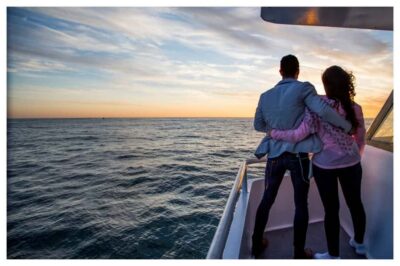
Private Boat Ride in Miami with Experienced Captain and Champagne
Read our review →
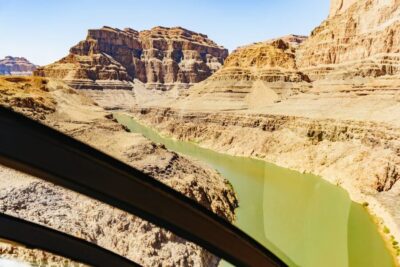
From Las Vegas: Grand Canyon Helicopter Tour with Champagne
Read our review →
2 Hour Champagne Sunset Cruise from Grace Bay, Providenciales (Adult Only)
Read our review →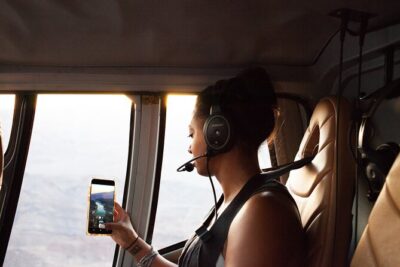
Grand Canyon West Rim Helicopter Tour with Champagne Toast
Read our review →Browse the lists this tour appears in