
REVIEW · TICKETS
Colmar: Alsace Wine Museum Entrance Ticket
Alsace wine starts before the first sip. This museum makes the region’s wine culture easy to understand through hands-on digital exhibits and a clear journey from vineyard work to the bottle. I like the choice of wine and fruit-juice tastings, and I like that you can use an audioguide in six languages, including English, French, German, Dutch, Spanish, and Italian.
The main drawback is that this is a fully automated visit, not a personal tour led by a winemaker. If you want a conversation with a local producer, you will need another stop on the Alsace Wine Route. Still, at $14 per person, it offers a useful introduction, especially if you are new to Alsace wines or traveling with children.
Key points worth knowing
- Follow wine from vine to bottle: The visit covers vineyard work, harvesting, cellars, bottles, wine professions, appellations, and the Alsace Wine Route.
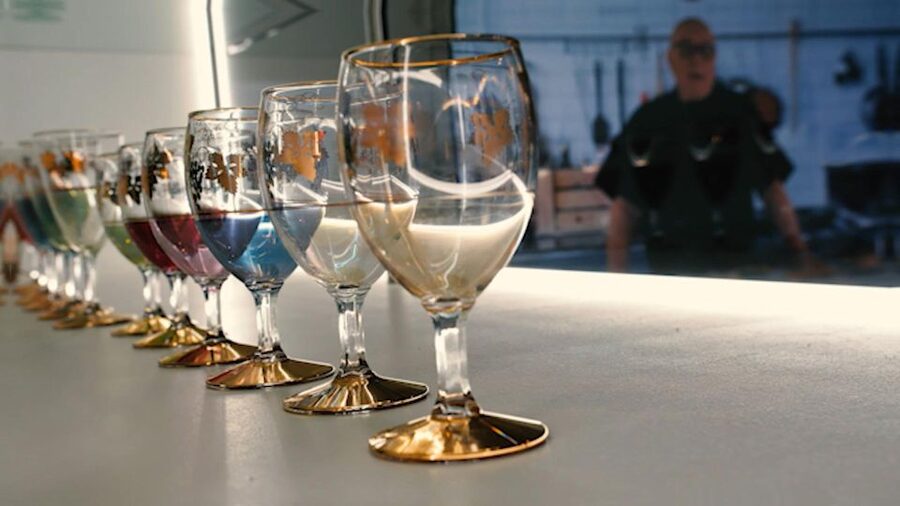
- Taste more than wine: The tasting includes wine and fruit juices, making the visit friendlier for children and non-drinkers.
- Use your own pace: The automated audioguide lets you spend extra time on grape varieties, barrel displays, games, or food-and-wine pairing.
- Choose from six languages: Audio is available in French, English, German, Dutch, Spanish, and Italian.
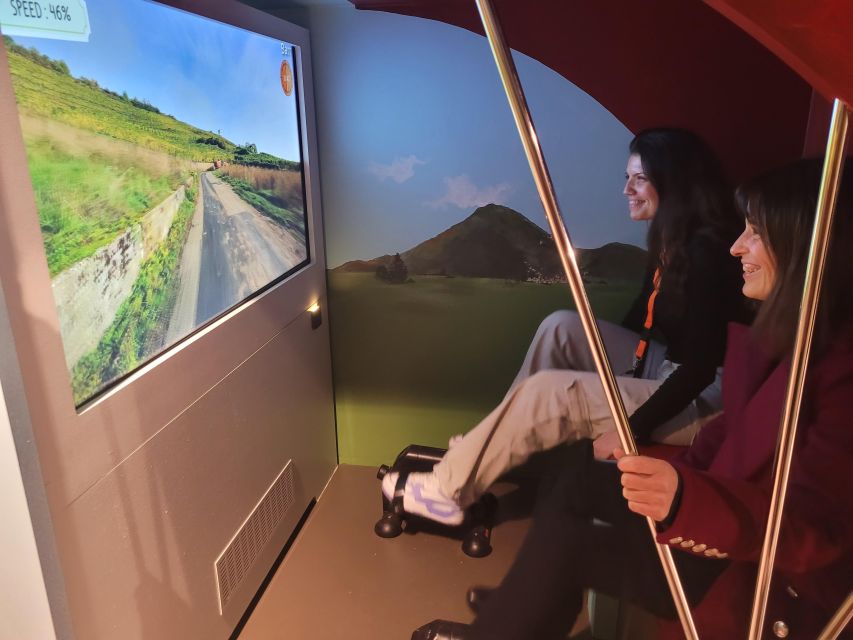
- Bring curious children: Kids have their own audioguide and activities, with playful exhibits that explain the path from vine to glass.
- Allow a flexible day: Your ticket is valid for one day, and entry is shared with the Colmar Chocolate Museum, Choco-Story.
What this Colmar wine museum is really trying to do
The Alsace Wine Museum is less about formal wine tasting and more about explaining how wine is made, sold, described, and enjoyed. That makes it a good first stop before you visit wineries or follow the Alsace Wine Route.
You begin with the world of the vine. The displays explain the work involved in growing grapes and harvesting them. This matters because Alsace wine is often discussed through grape varieties and appellations, terms that can feel technical if you have not encountered them before.
The museum then moves into the cellar. You learn about the winegrower, barrel work, bottling, and the stages between picking grapes and pouring a glass. The collection adds physical objects and descriptions, while digital features make the information less like a textbook.
The balance is useful. Some museum displays ask you to stop and read. Other parts invite you to listen, watch, smell, or play. You are not left with only a wall of labels, but you also get enough written information to make sense of the subject.
More Museum Visits in France:
- Bordeaux Wine and Trade Museum Admission Ticket with Wine Tasting
★ 4.5 · 599 reviews - Aÿ-Champagne: Pressoria Champagne Museum with Tasting
★ 4.7 · 239 reviews - Bordeaux: Wine and Trade Museum Entry Ticket & Wine Tasting
★ 4.4 · 121 reviews
Starting at the shared Choco-Story entrance
The entrance is shared with the Chocolate Museum Choco-Story in Colmar. That is important when you arrive, since you should look for the common entrance rather than expecting a separate building marked only for wine.
The ticket includes a separate entrance for the museum experience, which can help you get inside without joining the general line. The visit is valid for one day, and the activity has no fixed duration listed, so you can move through it at your own pace.
That flexibility suits a museum built around audio and interactive stations. You can pause to hear more about a grape variety, move quickly through a familiar topic, or spend extra time with the tasting and games.
The museum is wheelchair accessible. The included audio equipment is provided as part of the visit, and you can select from six languages. English, French, German, Dutch, Spanish, and Italian are all available.
From vineyard work to harvest time
The first major theme is the vine itself. Instead of treating wine as a finished product, the museum shows the labor and decisions that come before the bottle.
You learn about vineyard work and the harvest, two subjects that help put Alsace wine into context. The displays are especially useful if you have seen vineyards from the road but never thought much about the seasonal work behind them.
The museum also gives attention to Alsace grape varieties. One of the interactive sections lets you consider the different grapes grown in the region. This is one of the more useful parts for beginners because grape names can otherwise blur together after a few tastings.
You do not need to arrive with a firm knowledge of wine. The audioguide explains the material in manageable sections, and you can replay or spend more time on topics that interest you. The system is automated, so there is no live guide adjusting the pace or answering individual questions, but you control the order and timing of your attention.
The barrel, cellar, and bottle stages
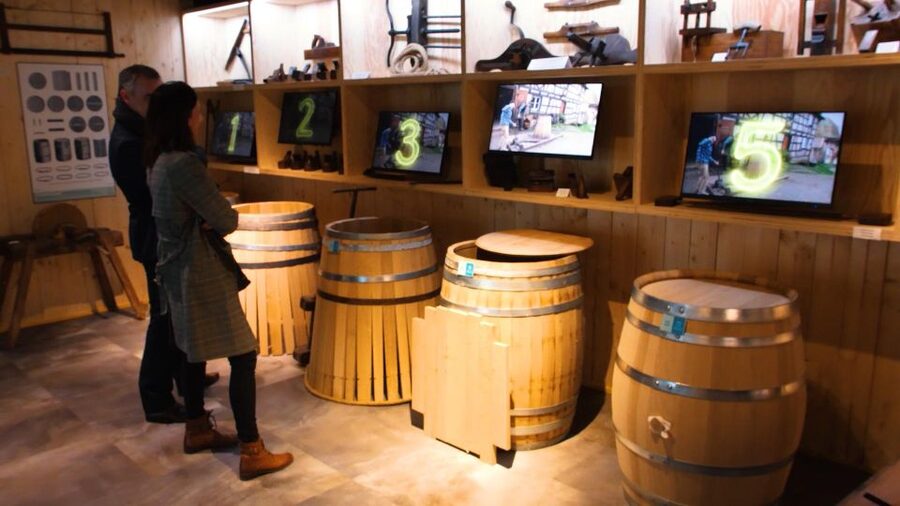
The cellar section gives the museum its practical backbone. Wine can seem mysterious when you only encounter it on a restaurant list. Here, the focus shifts to the tools, storage, professions, and processes that shape what eventually reaches your glass.
A barrel session is one of the memorable interactive parts. It gives you something physical and immediate to connect with, rather than asking you to absorb everything through text. You also encounter the bottle and the stages between the cellar and the table.
The museum presents the winegrower and the cellar as connected parts of the same story. That is a helpful point: wine is not simply produced in a vineyard and then finished somewhere else. The work continues through cellar tasks, presentation, labeling, and the rules attached to each wine.
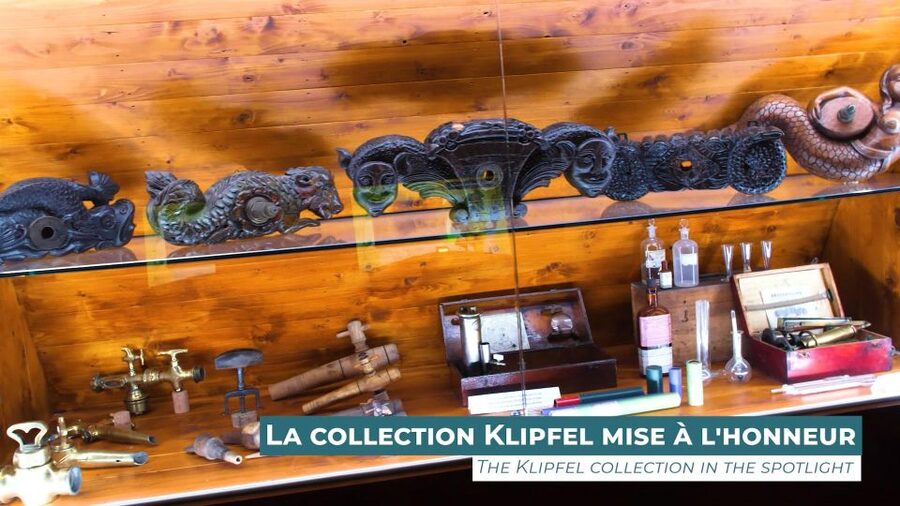
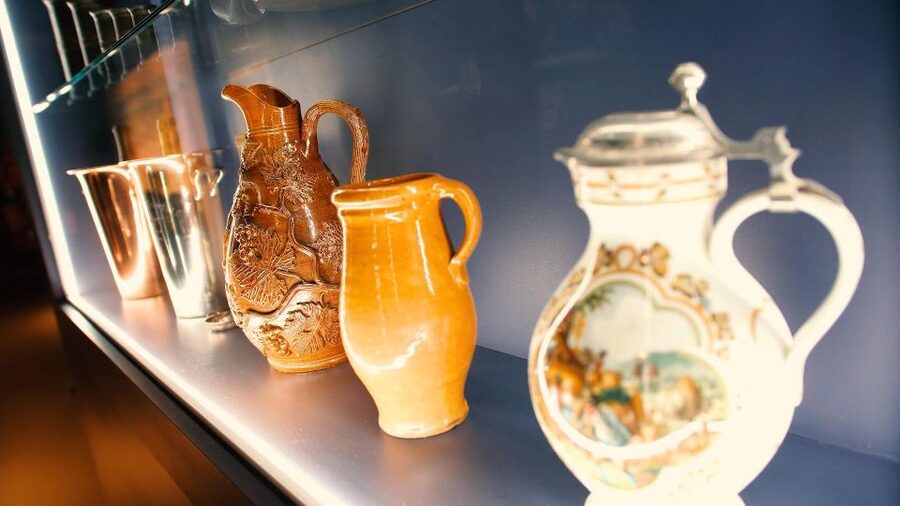
The collection supports these explanations with objects and descriptions. The digital material adds movement and interaction. I would expect the experience to work best when you use both, rather than rushing past the physical displays to reach the tasting.
A few more wine tours around France worth a look
- Bordeaux: Cité du Vin Entry Ticket and Wine Tasting
★ 4.6 · 3,885 reviews - Entrance ticket to Pressoria in the heart of Champagne with Tasting
★ 5.0 · 46 reviews - London Eye – Champagne Experience Ticket
★ 4.5 · 665 reviews - Tenerife: Wine Museum Ticket with Local Wines & Food Tasting
★ 4.5 · 393 reviews
Appellations and the Alsace Wine Route
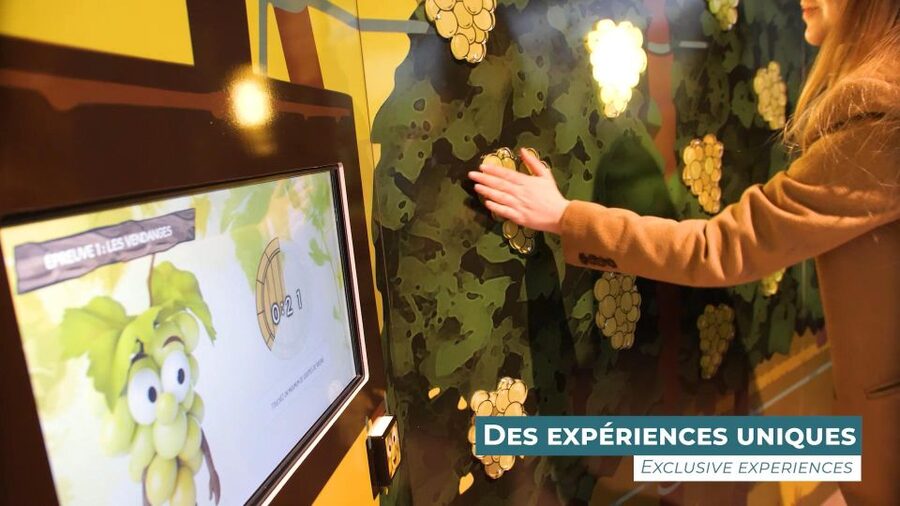
The museum also explains Alsace appellations and the region’s wine route. This gives you a basic map for understanding what you may see during a wider visit to Grand Est.
An appellation is more than a name on a label. It connects wine to rules, place, grape choices, and production. The museum introduces these ideas without requiring you to be a serious wine student.
This section can be especially useful before a day of winery visits. You will have a better sense of what to ask about and why two Alsace wines may differ. The museum does not replace tasting at a producer, but it gives you a vocabulary for that later experience.
The route information also helps if you are building a trip around wine villages. You can treat the museum as a starting point in Colmar, then continue to the vineyards with a little more context.
Smell, taste, and food pairing
Wine is not only a visual subject, so the visit includes activities connected to taste and smell. These features give you a chance to think about how wine is described and how food changes the way it tastes.
The food-and-wine pairing material is a practical touch. It moves the visit away from memorizing grape names and toward the way people actually drink wine. You can consider why a wine may work with one dish and feel less successful with another.
The tasting is a key part of the admission. You receive wine and fruit-juice options, so you do not need to drink alcohol to take part. This is a real advantage for families, non-drinkers, and anyone who wants to focus on the museum before deciding what to taste.
The tasting is best understood as an introduction, not a full winery appointment. You are not being hosted by a grower in a private cellar, and the supplied information does not promise a large flight or detailed one-to-one instruction. The value comes from connecting the tasting to what you have just seen.
A good choice for children and families
The museum makes a clear effort to include children. Kids have their own audioguide and activities, and the digital games help turn a subject that could feel adult-only into something they can follow.
That does not mean every child will enjoy every display. The museum still deals with work, cellars, grape varieties, and appellations. But the barrel activity, games, tasting options, and interactive format give younger visitors more ways to stay involved.
For a family, the fruit juices are especially helpful. A child can take part in the tasting without simply watching adults drink wine. The museum also explains the journey from vine to glass in a way that can make sense to different ages.
I would choose this over a formal winery tasting if you need a family-friendly introduction. If you are traveling without children and already know Alsace wine well, you may find parts of the introductory material familiar.
How the audioguide changes the visit
The audioguide is central to the experience. It is available in six languages: French, English, German, Dutch, Spanish, and Italian. That range makes the museum accessible to a broad mix of visitors.
The audio format also lets you set your own pace. One Italian-language visit was praised for explaining grape varieties in detail and allowing enough time for curiosity and understanding. That is exactly where an audioguide can work well: you do not have to keep up with a group or wait for a scheduled talk.
The tradeoff is the lack of a live guide. No person is there to answer a question about a particular bottle, local producer, or personal preference. The museum is designed for independent learning, not conversation.
I would bring headphones only if the museum confirms they are useful with the equipment provided. The important point is to give yourself time to listen rather than treating the audioguide as background noise. The experience contains more detail than a quick pass through the rooms suggests.
What the $14 ticket is worth
At $14 per person, the ticket is fairly priced if you want an introduction to Alsace wine, a tasting, and an activity that can fill part of a day. The price includes entry, the audioguide, tastings, and children’s activities, so you are not paying separately for each main element.
The value is strongest for first-time visitors to Alsace wine. You get a structured explanation of vineyard work, harvesting, cellars, barrels, bottling, grape varieties, professions, appellations, and food pairing. That is a lot of useful context for a modest admission fee.
It is also a practical rainy-day choice in Colmar. You can spend as much time as you need with the collection and digital stations, then continue to the tasting.
The value is weaker if you want a personal producer visit or a long, expert-led tasting. There is no live guide included, and the format is automated. I would see it as a museum introduction rather than a replacement for a day in the vineyards.
The overall rating is 4.5 from 54 reviews, and the strongest praise centers on the interactive design, the clear explanations, the Italian audioguide, the grape information, the barrel section, and the family activities. Those points match the museum’s main strength: it gives you several ways to understand the subject instead of relying on a single lecture.
Practical planning for your visit
The experience lasts one day in ticket validity, not necessarily as a continuous full-day program. You can check available starting times when booking, but the museum format allows you to move according to your own interest.
You can cancel up to 24 hours in advance for a full refund. A reserve-now, pay-later option is also available, which helps if your Colmar plans may change.
The common entrance with Choco-Story makes this easy to combine with the Chocolate Museum if you want two related food-and-drink exhibits in one outing. The supplied details do not state that a combined ticket is included, so check the admission terms before assuming both museums are covered.
I would plan the wine museum for the part of your day when you can listen carefully. It is accessible, but the subject rewards attention. Rushing through the exhibits just to reach the tasting would miss much of what makes the ticket useful.
Who should book the Alsace Wine Museum?
I would recommend this experience to first-time visitors who want to understand Alsace wine before visiting producers. It is also a strong choice for families, since the children’s activities and fruit juices give younger visitors a proper role in the visit.
It suits you if you prefer independent museums, audio explanations, and a mix of real objects and digital features. The six-language audioguide is a major benefit if you do not speak French.
I would be less likely to recommend it to an experienced wine enthusiast seeking rare bottles, a private grower, or detailed live instruction. You may want to spend your time directly on the Alsace Wine Route instead.
For most visitors to Colmar, though, $14 buys a useful introduction with enough variety to keep the visit from feeling like a basic label-reading exercise. Book it if you want the story behind the glass, not only the sip at the end.
FAQ
Where is the Alsace Wine Museum located?
It is in Colmar, in Grand Est, France. The entrance is shared with the Choco-Story Chocolate Museum.
What does the admission ticket include?
The ticket includes entrance to the Alsace Wine Museum, tastings, a six-language audioguide, and audioguide activities for children.
Which languages are available on the audioguide?
The audioguide is available in French, English, German, Dutch, Spanish, and Italian.
Is a live guide included?
No. The experience uses an automated audioguide and digital activities rather than a live guide.
Does the tasting include non-alcoholic options?
Yes. The tasting includes wine and fruit juices.
Is the museum wheelchair accessible?
Yes. The activity is wheelchair accessible.
How flexible is the booking?
The ticket is valid for one day. You can cancel up to 24 hours in advance for a full refund, and a reserve-now, pay-later option is available.
Newly added around France
- Saint Emilion Full Day Wine and Bike Tour★ 5.0 · 167 reviews
- Luxurious full day Bordeaux wine tour in a Tesla★ 4.5 · 31 reviews
- Private Bordeaux History Tour with a glass of Bordeaux wine.★ 5.0 · 28 reviews
- Private – Best of Bordeaux Walking Tour + Glass of Bordeaux Wine★ 5.0 · 240 reviews
- Wine Masterclass & Cheese Tasting Workshop in Bordeaux★ 5.0 · 29 reviews
- Bordeaux wines tasting workshop including Food & Wine pairings★ 5.0 · 31 reviews
- Medoc Afternoon Wine Tour – 2 Wineries, tastings & delicacies★ 4.5 · 74 reviews
- Discovery of the Bordeaux vineyard in 3 wines★ 5.0 · 133 reviews
Tickets, compared.

Bordeaux Wine and Trade Museum Admission Ticket with Wine Tasting
Read our review →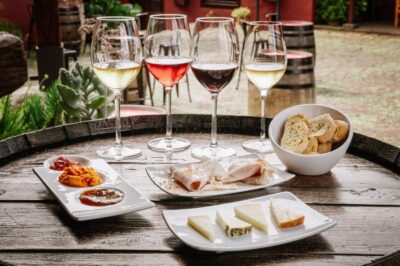
Wine Museum Ticket with Local Wines & Food Tasting
Read our review →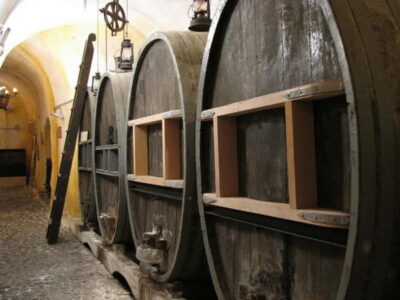
Vothonas: Wine Museum Ticket with Tastings and Audio Guide
Read our review →
Wine and Trade Museum Entry Ticket & Wine Tasting
Read our review →
Los Porches Flamenco Show with Tapas and Wine Ticket
Read our review →Browse the lists this tour appears in